Commerce Warehouse Fire Safety Guide
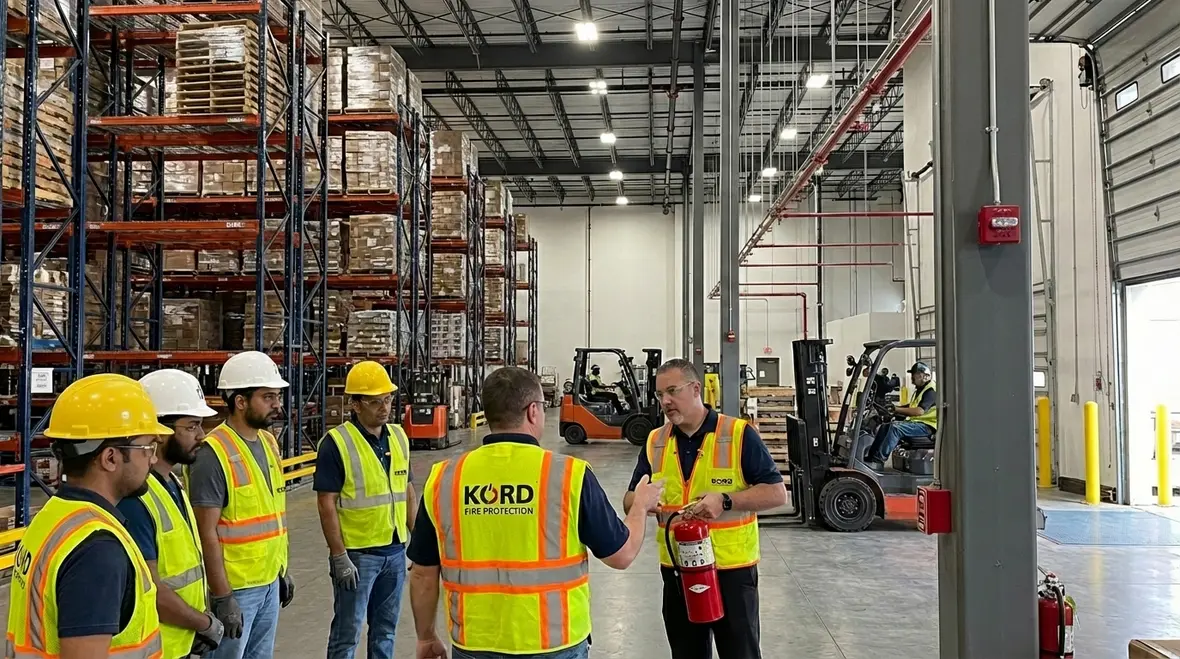
When people think about warehouse operations, they picture forklifts, pallets stacked to the ceiling, and workers moving with purpose. What they rarely picture is the silent risk building in the background. Commerce warehouse fire safety is not a side note in distribution centers. It is the backbone of operational survival. One overlooked spark can turn inventory into smoke and profit into ash. That is why Kord Fire Protection technicians often step onto a warehouse floor with calm authority, explaining systems and procedures in a tone that feels less like a lecture and more like wisdom being passed down.
This guide walks through practical, real world fire safety guidelines for commerce distribution centers. It explains not only what to do, but why it matters. And yes, it might even make sprinkler systems sound interesting. Stranger things have happened.
Fire Risk Assessment in Distribution Centers
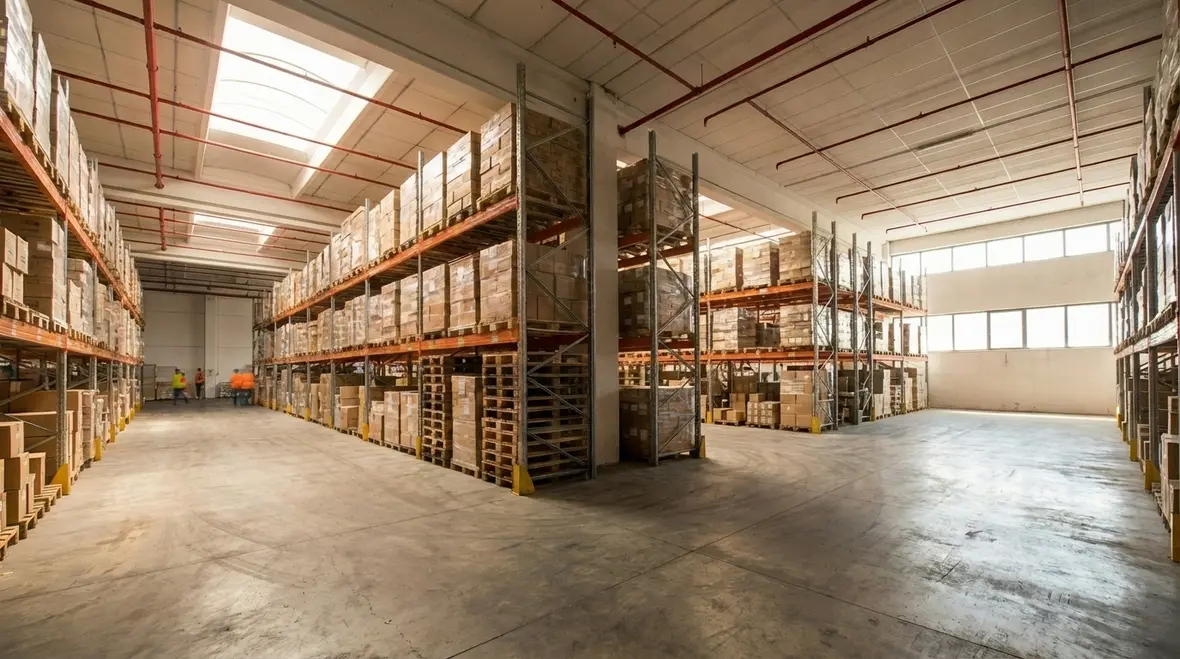
Before alarms, sprinklers, and extinguishers enter the conversation, risk assessment sets the stage. Every distribution center has its own personality. Some store paper goods stacked high like a library on steroids. Others manage electronics, chemicals, or mixed inventory. Therefore, a proper assessment identifies fuel sources, ignition points, and pathways for fire spread.
Kord Fire Protection technicians often begin by mapping the facility. They review ceiling heights, rack configurations, and product types. Then they evaluate electrical panels, battery charging stations, and heating systems. Because lithium ion batteries and overloaded circuits do not care about good intentions, inspections must be detailed and routine.
In addition, technicians check housekeeping practices. Dust buildup, stray packaging, and blocked exits quietly increase risk. It may not feel dramatic, yet these small details shape the effectiveness of any fire prevention strategy. As one technician put it, “Fire does not need an invitation. It just needs opportunity.”
If your Commerce warehouse has not had a recent walkthrough, scheduling a professional assessment alongside dedicated Commerce Fire Protection Services helps align your storage, equipment, and procedures with current code expectations and best practices.
Key elements of a Commerce warehouse fire risk assessment
- Commodity types and how they are packaged, wrapped, and stored
- Ceiling heights, rack layouts, and potential vertical fire spread paths
- Locations of electrical panels, transformers, and charging stations
- Hot work areas, welding zones, and any open flame activities
- Housekeeping habits, waste handling, and exit route obstructions
- Existing fire protection systems and any visible impairments
Designing Sprinkler Systems That Actually Match the Hazard
Many facility managers assume a sprinkler system is a sprinkler system. However, warehouse fire protection depends heavily on storage type and height. A system designed for low piled storage will not perform the same way in a high rack distribution center.
Kord technicians explain that sprinkler density and water supply must match the commodity classification. For example, plastic wrapped goods burn hotter and faster than simple cardboard. Consequently, engineers may recommend in rack sprinklers in addition to ceiling systems. This layered approach controls flames before they leap from aisle to aisle like an action movie villain.
Moreover, water supply testing ensures the system can deliver the required flow. Without adequate pressure, even the best layout becomes decoration. Therefore, annual testing and inspections remain essential to support effective commerce distribution fire prevention strategies.
Sprinkler design checkpoints for Commerce warehouses
- Confirm storage height and commodity class match the existing sprinkler design
- Verify in rack sprinklers where required for high piled or plastic-heavy storage
- Test fire pumps, valves, and water supplies to ensure required flow and pressure
- Keep a current copy of hydraulic calculations and as built drawings on site
- Coordinate any storage change with your fire protection contractor before implementation
If you are upgrading racks or changing product mix, looping in Kord Fire or your Commerce fire protection contractor before pallets move can prevent unpleasant surprises during inspections or, worse, during an actual fire.
Fire Alarm and Detection Systems That Speak Up Early
A fire alarm system should act like that one friend who always overreacts at the first sign of trouble. In this case, early warning saves lives and inventory.
Modern detection systems use smoke detectors, heat sensors, and sometimes air sampling technology. These systems identify particles before flames become visible. As a result, staff can respond quickly and emergency services can arrive before conditions escalate.
Kord Fire Protection technicians emphasize integration. The alarm system should communicate with sprinklers, monitoring services, and local fire departments. In addition, strobe lights and audible alerts must meet code requirements for large, noisy warehouse environments. After all, forklifts and conveyor belts are not known for their quiet manners.
Regular testing plays a critical role. Monthly visual checks and annual full system tests confirm that signals reach monitoring stations. When alarms function properly, they transform a potential disaster into a manageable incident.
Alarm performance basics for busy Commerce distribution centers
- Clearly marked pull stations and horns visible around racks and equipment
- Strobe coverage that reaches high noise areas and forklift operators
- Active monitoring to a supervising station for 24 7 response
- Documented annual inspections and quick repairs of any trouble signals
Safe Storage Practices That Reduce Fire Spread
Storage layout influences how quickly a fire moves. Therefore, proper aisle spacing and clearances beneath sprinklers matter more than many realize. High piled storage requires strict adherence to fire codes, including flue spaces between pallets. These gaps allow water to penetrate during suppression.
Below is a simple comparison that Kord technicians often use when explaining storage impacts:
Column 1: Risky Practices
- Stacking pallets tight against ceiling
- Blocking sprinkler heads with shrink wrap
- Overloading racks beyond rated capacity
- Ignoring battery charging ventilation
Column 2: Safer Alternatives
- Maintaining required vertical clearance
- Keeping sprinkler deflectors unobstructed
- Following engineered rack load limits
- Providing designated, ventilated charging areas
By adjusting layout and housekeeping, distribution centers strengthen their overall fire safety posture. Additionally, clear exit paths ensure employees can evacuate without confusion. In an emergency, no one wants to play a maze game.
Practical storage tips for Commerce distribution hubs
- Paint or mark “no storage” buffer zones under sprinklers and along exits
- Use signage at battery charging areas to reinforce ventilation and housekeeping rules
- Log periodic walk throughs focused only on aisles, exits, and flue spaces
- Pair storage audits with scheduled fire protection inspections so issues are corrected before the next rush season
Employee Training and Emergency Response Planning
Even the most advanced system depends on human response. Therefore, employee training becomes a cornerstone of Commerce warehouse fire safety programs.
Kord Fire Protection technicians often conduct onsite demonstrations. They show staff how to use fire extinguishers with the PASS method. Pull the pin. Aim low. Squeeze the handle. Sweep side to side. It sounds simple, yet under stress, simplicity saves the day.
Furthermore, facilities should establish clear emergency response plans. These plans define evacuation routes, assembly points, and communication protocols. Regular drills reinforce muscle memory. Although some employees may roll their eyes at another drill, practice ensures calm execution when it counts.
Supervisors also need training on shutting down equipment safely. Conveyors, gas lines, and electrical systems should follow documented shutdown procedures. In this way, the response remains organized rather than chaotic.
Core components of a Commerce warehouse fire response plan
- Site specific evacuation maps posted at key access points
- Designated assembly areas away from loading docks and driveways
- Backup communication methods if phones or radios fail
- Clear expectations for supervisors, floor leads, and security staff
- Annual hands on extinguisher practice and refresher briefings
Inspection, Maintenance, and Code Compliance
Fire protection systems are not set and forget investments. Instead, they require ongoing inspection and maintenance to remain effective. Local and national codes outline testing frequencies for sprinklers, alarms, fire pumps, and extinguishers.
Kord technicians document each inspection carefully. They check control valves to ensure they remain open. They test fire pumps under load conditions. They examine alarm panels for trouble signals. Because documentation supports compliance, these records protect facility owners during audits and insurance reviews.
In addition, maintenance teams should address deficiencies quickly. A damaged sprinkler head or faulty detector might seem minor. However, during a real event, that small failure can expand consequences. Consistent upkeep strengthens warehouse fire protection efforts across the entire operation.
Staying ahead of inspections in Commerce
- Maintain a master inspection calendar that includes city, insurance, and internal checks
- File reports from your Los Angeles County fire protection partner where supervisors can access them
- Create simple action lists for repairs with clear owners and due dates
- Review impairment and repair trends annually to budget for upgrades
How Do Distribution Centers Meet Insurance and Regulatory Expectations?
Insurance carriers often require detailed proof of fire protection measures. Therefore, facility managers must align operations with recognized standards. These may include NFPA guidelines and local fire codes.
Kord Fire Protection technicians assist by reviewing system designs and suggesting upgrades when needed. For example, if storage heights increase, the sprinkler system may require modification. By addressing these changes early, facilities avoid costly penalties and coverage gaps.
Moreover, regular communication with local fire authorities builds trust. Inviting them to tour the facility familiarizes responders with layout and hazards. As a result, emergency response becomes faster and more effective.
Aligning paperwork with real world protection
- Keep copies of design documents, test reports, and deficiency corrections together
- Review insurance recommendations with your fire protection vendor before renewal
- Invite your Commerce Fire Department or Los Angeles County inspectors for pre incident tours
- Update emergency contacts and impairment plans at least once a year
Building a Culture of Prevention
Technology and compliance matter. Yet culture shapes daily behavior. A strong safety culture encourages employees to report hazards without fear. It promotes clean work areas and responsible equipment use.
Leadership plays a central role. When managers prioritize fire safety in meetings and budgets, employees follow suit. Conversely, when safety feels like an afterthought, shortcuts multiply. Therefore, integrating Commerce warehouse fire safety into overall operational planning ensures it remains visible.
Kord technicians often remind clients that prevention costs less than recovery. A small investment in training, system upgrades, and inspections prevents business interruption. And while superheroes save cities in movies, in real life, preparation saves warehouses.
FAQ
Conclusion
Commerce warehouse fire safety is not just a regulatory box to check. It is a promise to protect people, property, and productivity. With guidance from Kord Fire Protection technicians, distribution centers can design smarter systems, train confident teams, and maintain compliance with clarity. Now is the time to review your facility, strengthen your defenses, and invest in protection that stands firm when it matters most.
Reach out to Kord and build safety into every square foot. Whether you are operating a single distribution hub or a network of facilities, partnering with dedicated Commerce Fire Protection Services helps ensure your sprinklers, alarms, and emergency plans are ready for the unexpected. Schedule an inspection, walk the floor with a technician, and turn today’s preparation into tomorrow’s peace of mind.
If you manage facilities beyond Commerce, Kord’s broader Los Angeles County fire protection services can help standardize inspections, upgrades, and emergency planning across your portfolio.
Know Your Weapon Before You Fight the Flame
Kord Fire Protection is your go-to when it comes to all things fire protection. For over 20 years, we’ve been serving Southern California with the quality service and equipment to keep your home or business safe at all times. Our competitive prices reflect our unwavering commitment to protecting what matters most in the event of a fire emergency. Give us a call, send an email, or use that form!

Join Our Newsletter!
Get the latest fire safety tips delivered straight to your inbox From our Newsletter.