NFPA 1 Section 13.8 Other Fire Protection Systems
Quick Answer: NFPA 1 Section 13.8 covers other fire protection systems that do not sit inside the usual sprinkler box. It includes special systems that protect valuable equipment, high risk spaces, and complex sites. For facilities weighing broader suppression planning, Kord Fire Protection’s fire suppression services show how clean agent, foam, dry chemical, and water mist options can fit naturally into a code-conscious protection strategy. For Australian industrial, retail, and commercial facilities, Kord Fire Protection can help design, install, test, and maintain these systems with less drama and more peace of mind.
NFPA 1 Section 13.8 in plain language
NFPA 1 Section 13.8 deals with fire protection systems beyond standard water based setups. In simple terms, it points to special fire protection systems used where ordinary suppression may not suit the risk. That can include clean agent systems, foam systems, dry chemical systems, water mist, kitchen suppression, and other site specific solutions.
This matters because not every space burns the same way. A server room, switchboard area, paint storage zone, or retail plant room will not react like a warehouse full of timber pallets. So, the code gives building owners and managers a way to match protection to the hazard instead of guessing and hoping for the best. And hoping, as many fire engineers know, is not a control plan.
Why hazard matching matters more than labels
The phrase “other fire protection systems” can sound vague at first, but the practical meaning is clear enough. If the hazard would not be well protected by a standard sprinkler response, the site may need a more tailored method. That does not make the system exotic for the sake of it. It simply means the room, process, or asset needs a suppression approach that behaves properly under real conditions instead of pretending every fire risk reads from the same script.
Why these systems matter for Australian sites
Across industrial, retail, and commercial sites in Australia, fire risk often changes from room to room. One area may need rapid flame knockdown, while another needs clean suppression that will not damage electronics or shut down business for days. That is where clean agent suppression NFPA guidance and similar fire protection system alternatives become useful.
These systems help protect:
- Data and communications rooms
- Electrical switchboards and control panels
- Commercial kitchens
- Fuel and chemical storage areas
- Manufacturing lines and process equipment
- Retail back of house spaces
As a result, business interruption can drop, asset loss can shrink, and recovery can move faster. In a world where one fire can turn a Monday morning into a very expensive season finale, that is no small thing.
The business continuity angle nobody enjoys learning the hard way
Many managers first think about suppression in terms of compliance, but continuity usually becomes the bigger story after an incident. If the wrong system soaks electronics, contaminates stock, or delays re-entry, the damage bill can keep growing long after the flames are gone. That is why tailored protection matters. The ideal result is not just “fire out.” It is “fire out, damage limited, and operations back online without a month of cleanup and regret.”
Common fire protection system alternatives under Section 13.8
NFPA 1 Section 13.8 supports the use of different suppression methods when standard systems do not fit the task. Here are some of the most common options:
Clean agent systems
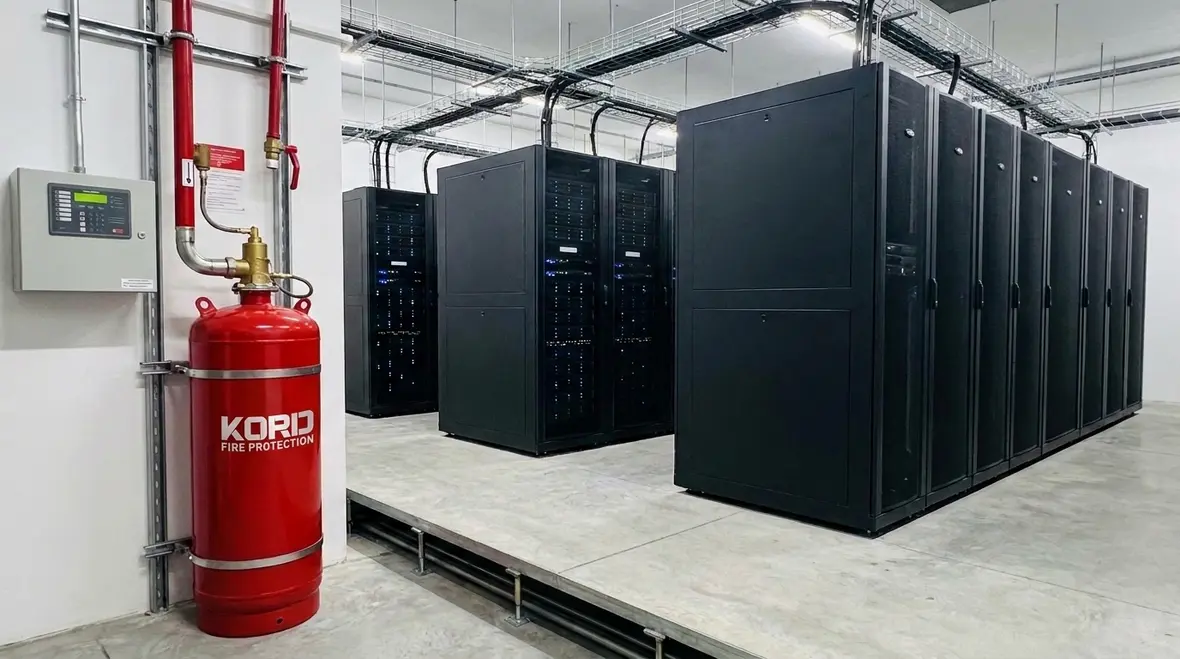
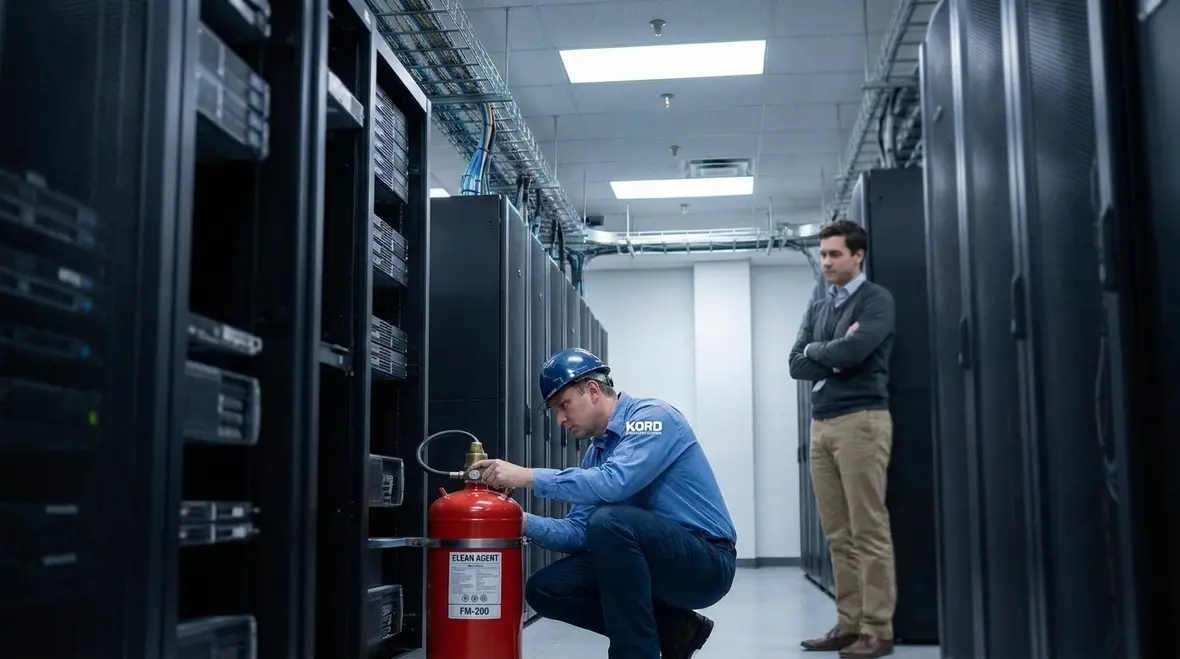
These systems protect sensitive assets without leaving residue. They suit server rooms, archives, and control rooms where water would cause major damage. They also support fast discharge and quick return to service. Kord Fire Protection also has a useful related guide on mission critical fire suppression with clean agent systems for facilities that need a closer look at uptime-focused protection.
Foam systems
These work well in areas with flammable liquid hazards. They suppress fire by separating fuel from oxygen and cooling the surface. Industrial sites often use them in storage and process areas.
Dry chemical systems
These systems offer fast flame control for certain high risk hazards. However, they can leave residue, so the site must weigh speed against cleanup needs.
Water mist systems
These systems use fine droplets to cool flames and reduce oxygen near the fire. They can suit some enclosed or equipment focused spaces.
Special hazard kitchen systems
Commercial kitchens need quick response around cooking oils and grease. These systems aim for rapid control before a small flare up becomes a full spectacle worthy of the wrong kind of attention.
How compliance and performance work together
Compliance is not only about ticking boxes. It is about making sure the system performs when it matters most. NFPA 1 Section 13.8 expects the right system for the right hazard, proper installation, and regular inspection and testing. Therefore, the design must match the site layout, ventilation, occupancy, and fuel load.
Dual focus helps here:
- Compliance focus = meets code intent, supports approvals, and reduces legal risk
- Performance focus = protects people, limits damage, and keeps the operation moving
When both line up, the site gains stronger resilience. When they do not, the fire system may look impressive on paper but act like a drama king in the field.
Design details that quietly decide success
This is the part people love to underestimate. Discharge timing, nozzle placement, room integrity, ventilation interactions, detection logic, and maintenance access all affect whether the system behaves properly. A suppression strategy is only as good as its real-world setup. Even a technically suitable system can underperform if the space changed over time and the design never caught up. Buildings evolve. Hazards shift. Protection has to keep pace.
That broader code context is why linking back to Kord Fire Protection’s NFPA 1 comprehensive guide to fire prevention and safety is useful here. It helps frame Section 13.8 as part of a bigger fire prevention strategy rather than a lonely technical footnote hiding in the corner.
Where Kord Fire Protection becomes a vital partner
Kord Fire Protection can play a vital role across the full life cycle of these systems. For industrial, retail, and commercial facilities, that means more than a one time install. It means planning, design support, system selection, inspection, testing, maintenance, and upgrade work that keeps pace with changing site risks.
Because fire protection systems alternatives vary so much, Kord Fire Protection can help match the right solution to the right space. That can include coordination with building managers, contractors, and compliance teams. It can also include maintenance programs that keep special systems ready instead of quietly aging into uncertainty, which is a poor hobby for life safety equipment.
In practice, a partner like Kord Fire Protection helps reduce downtime, improve reliability, and support better decision making. For busy sites across Australia, that kind of support can save money, time, and a great deal of stress.
Why long term service matters as much as installation day
A newly installed system can look terrific on handover day and still become a problem later if inspections drift, documentation gets messy, or building changes alter the protected conditions. Special hazard systems do not benefit from neglect. They benefit from disciplined testing, clear records, and a service team that notices small issues before those issues decide to become memorable.
What facilities managers should check first
Before selecting or updating a system under NFPA 1 Section 13.8, facilities teams should review a few key points:
- The type of hazard in each protected area
- The value of the equipment or stock at risk
- The need for fast re entry after discharge
- The impact of water, foam, or residue on operations
- Ventilation, room sealing, and access points
- Inspection and maintenance access over time
These checks help narrow the right solution and reduce costly mistakes. After all, choosing the wrong suppression method can feel a lot like bringing a spoon to a knife fight.
A simple way to think through selection
Start with the hazard itself, then move outward. What is burning risk here? What must stay operational? What would create worse collateral damage: the fire, or the extinguishing method? How quickly must staff re-enter the space? When those questions are answered honestly, the shortlist usually gets clearer. The site may still need detailed design work, but at least the conversation starts in the real world instead of in fantasy football for fire systems.
FAQ
Choose the right system before the fire makes the choice
NFPA 1 Section 13.8 gives facilities a smarter path for protecting special hazards. When the risk calls for more than a standard setup, the right system can protect people, assets, and business continuity. It is not just about having something installed. It is about having something appropriate, reliable, and ready to do its job without creating a second disaster in the process.
For Australian industrial, retail, and commercial sites, Kord Fire Protection can provide the expert support needed to plan, deliver, and maintain the right solution. Reach out early, before the fire decides to introduce itself. That is always a better meeting to schedule than the one held after smoke, alarms, and a very long insurance conversation.

Join Our Newsletter!
Get the latest fire safety tips delivered straight to your inbox From our Newsletter.