NFPA 1 Section 13.4 Fire Pump Requirements for Australia
Quick Answer
NFPA 1 Section 13.4 sets the basic fire pump rules that help industrial, retail, and commercial sites keep water moving when fire strikes. It covers installation, access, testing, power, and upkeep. For Australian facilities, it works best when paired with local compliance planning and a trusted partner like Kord Fire Protection.
NFPA 1 Section 13.4 matters because a fire pump is not just another machine sitting in a plant room and hoping for a quiet life. It is the piece of equipment that steps in when pressure drops and the fire system needs help fast. In many sites, fire pump requirements NFPA guidance, the fire pump installation code, and centrifugal fire pump standards shape how the system must work from day one. For industrial, retail, and commercial facilities across Australia, that means one thing: no guesswork. The right design, installation, and maintenance plan can save time, reduce risk, and keep operations moving when things get serious. If your broader protection strategy also touches sprinkler performance, it can help to review Kord Fire Protection’s fire sprinkler system service support early in the planning process.
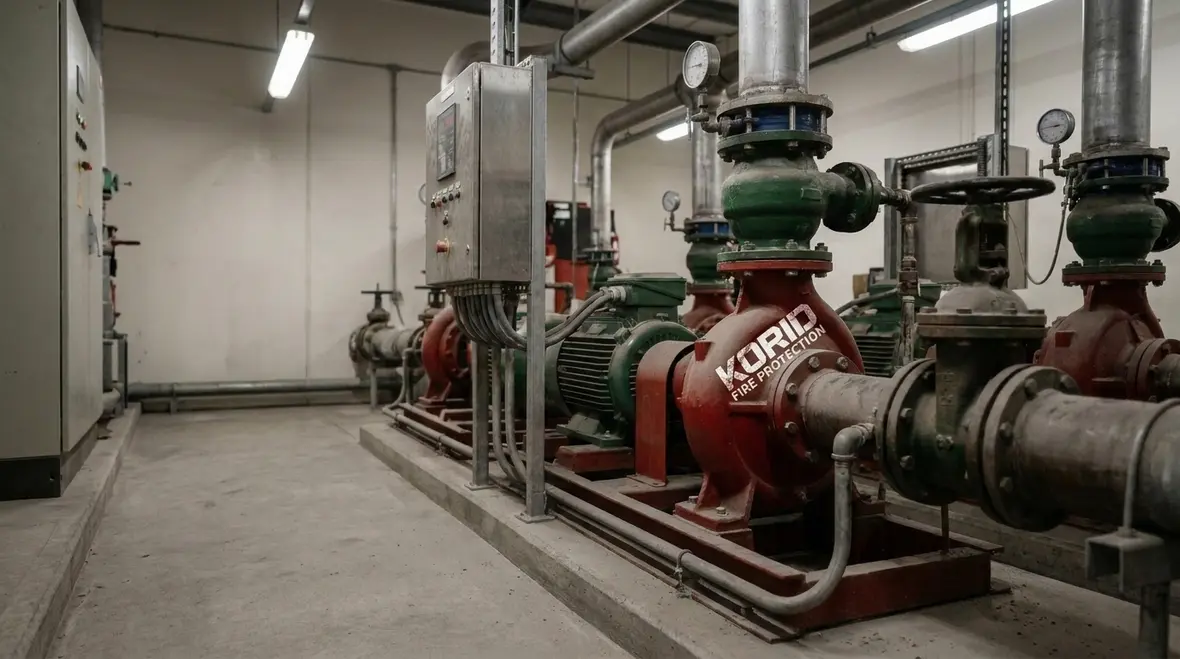
What NFPA 1 Section 13.4 means for fire pump systems
NFPA 1 Section 13.4 focuses on fire pump readiness, safe setup, and ongoing performance. In plain terms, it makes sure the pump can deliver water at the right pressure when the sprinkler or hydrant system calls for it. It also expects the system to be accessible, protected, and tested on a schedule. That sounds simple, but the details matter. A pump that looks fine on paper can fail in real life if suction piping, power supply, or controls are poorly handled. Fire does not care about good intentions. It only cares whether water arrives on time.
Why the section matters beyond the specification sheet
That is why this section deserves attention from operations teams, project managers, maintenance leads, and building owners, not only designers. A fire pump can look impressive on a submittal, but the real question is whether it will start, run, and support the full fire protection demand during an emergency. If the answer is “probably,” that is not comforting. It is basically the safety equivalent of crossing your fingers and pretending that counts as engineering.
For Australian facilities, the practical value is in using NFPA guidance as part of a disciplined planning approach. It helps teams think through pump duty, room layout, power reliability, and access for testing before those issues become expensive problems. A little foresight at this stage can save a heroic amount of rework later, and heroics are much better in movies than in plant rooms.
Fire pump installation code details facilities should not ignore
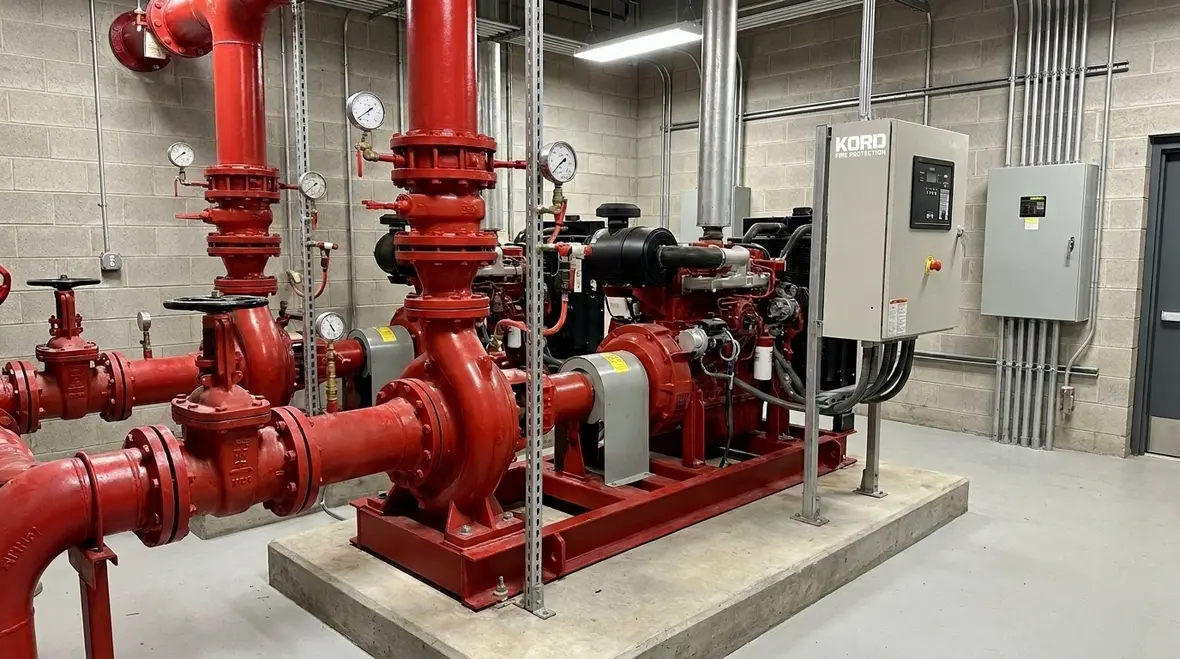
The fire pump installation code requires careful planning before the pump ever reaches the site. First, the pump must suit the system demand. Next, the room must allow safe access, clear working space, and proper ventilation. Also, the controller, power source, and fuel supply must support reliable operation. If the site uses an electric pump, the electrical path must stay dependable under emergency conditions. If the site uses a diesel pump, the fuel system must stay ready and protected. In other words, the pump should not be treated like office furniture. It needs the right environment to do a serious job.
Access, layout, and survivability all matter
Facilities should pay close attention to how technicians and inspectors will actually reach the equipment. A brilliant pump arrangement loses some sparkle if no one can test it safely or repair it without performing acrobatics around pipework and controls. The room should stay dry, secure, and logically arranged so inspections do not become a scavenger hunt with hard hats.
This is also where power planning becomes critical. Kord Fire Protection has also covered the broader topic of fire pump electrical distribution needs for reliable power, which fits naturally with the installation discussion here. When teams connect these pieces early, the result is usually a more dependable system and far fewer unpleasant surprises once commissioning begins.
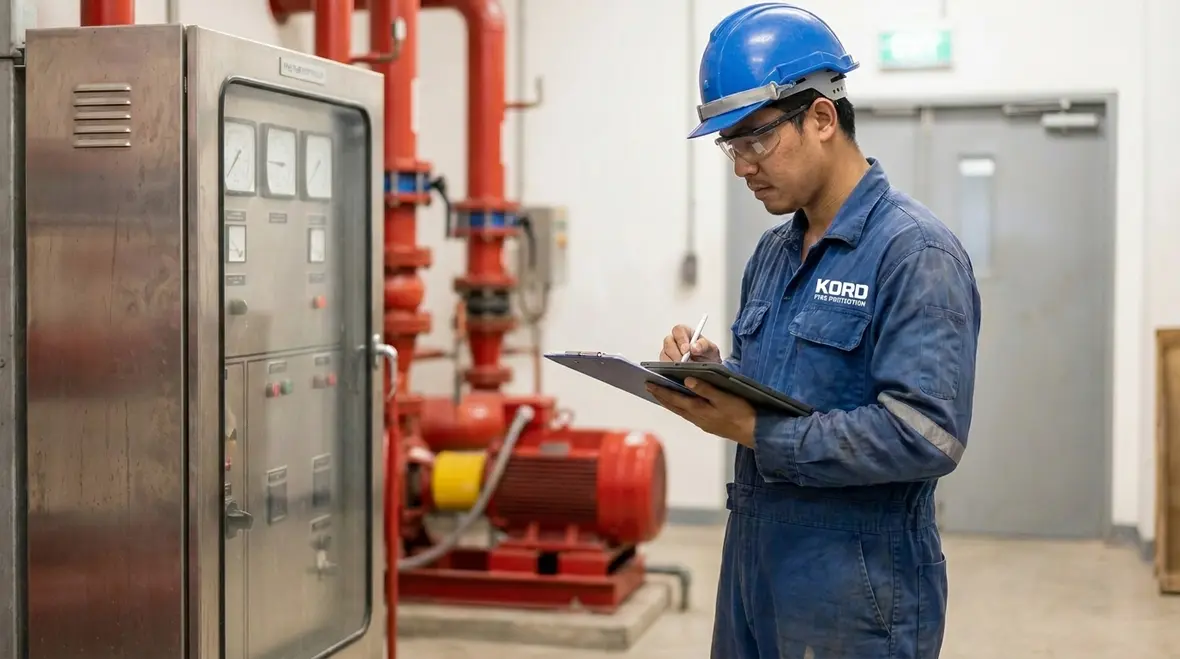
How centrifugal fire pump standards support system performance
Centrifugal fire pump standards help define how these pumps should perform under load. These pumps move water by spinning an impeller, which creates pressure and flow. Because of that design, they must match the system curve and expected demand. If the pump is too small, pressure can fall short. If it is too large, the system may suffer from poor control or wasted energy. Standards also help guide testing, curve verification, and reliable operation. That matters in large sites where even a short failure can create major damage, stop business, and turn a normal day into a very long one.
Matching the pump to the real building, not the imaginary perfect one
The practical challenge is that no facility operates inside a perfect textbook bubble. Warehouses expand, stock changes, tenancy layouts shift, and utility conditions do not always behave like polite guests. That is why pump selection should reflect real demand, realistic operating conditions, and future maintenance needs. A pump that technically ticks a box but struggles with the building’s actual risk profile is not a win. It is just a delayed argument with reality.
Kord Fire Protection has touched on the bigger role of these systems in its article on fire pump importance in modern buildings. That context helps underline why performance standards are not just paperwork. They shape whether the pump can support the life safety strategy when conditions stop being theoretical and start getting smoky.
Key fire pump checks
Pump sizing
Keeps pressure and flow within safe limits
Suction arrangement
Helps the pump draw water without air problems
Power supply
Supports operation during an emergency
Why each check matters
Controller setup
Lets the pump start and respond properly
Testing access
Makes inspection and maintenance possible
Record keeping
Shows the system has been checked and supported over time
What industrial and commercial sites should check before installation
Before installation, a site team should review water supply, building layout, hazard level, and the type of fire protection in place. Then, the team should confirm that the pump room stays dry, secure, and easy to reach. In addition, the system should fit the site’s operational needs. A distribution warehouse does not face the same risk profile as a food plant, and a shopping centre does not behave like a heavy industrial site. So, the design must match the real world, not a guess pulled from a clipboard during a coffee break.
Questions teams should answer early
Can the available water supply support the expected fire demand? Is the proposed pump arrangement accessible for testing, repair, and replacement if needed? Are electrical or diesel support systems protected from foreseeable site hazards? Has the team accounted for how the building may change over time? These are not glamorous questions, but they are the sort that separate robust projects from expensive headaches.
It also helps to connect this discussion with Kord Fire Protection’s broader code content, including NFPA 1: A Comprehensive Guide to Fire Prevention and Safety. That gives decision makers a wider view of how fire pump planning fits into the larger fire protection picture instead of living in isolation as one more technical box to tick.
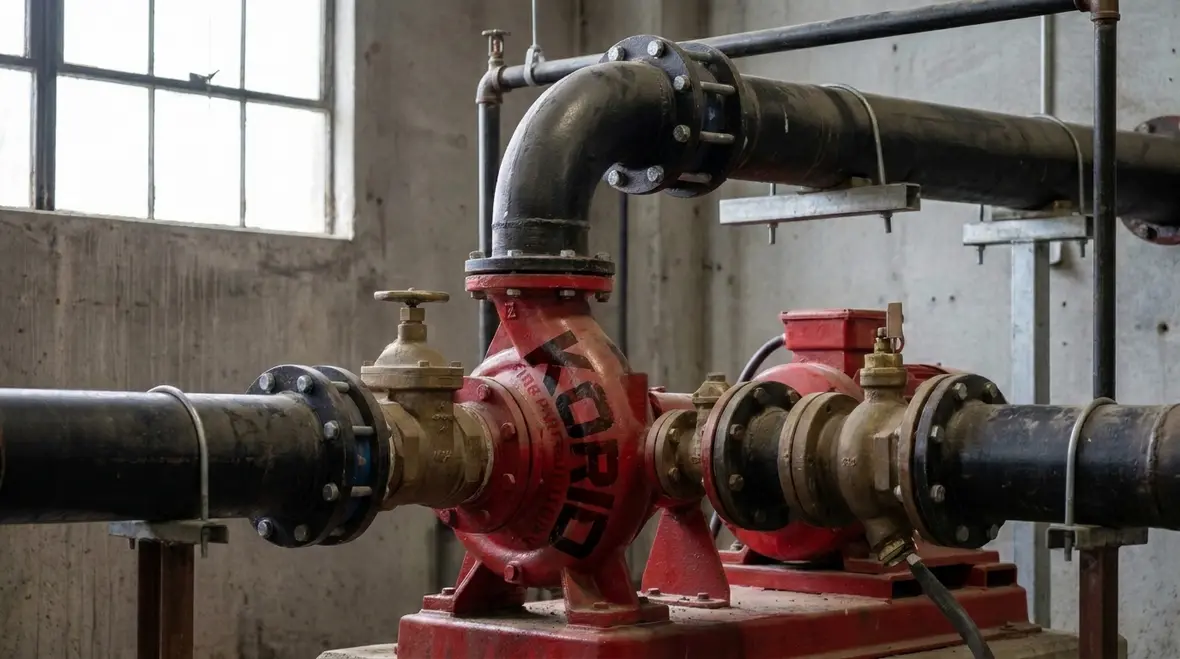
How testing and maintenance keep the system ready
Fire pump systems need regular testing because equipment that never runs is often the equipment that fails at the worst time. Weekly or scheduled checks can reveal low pressure, controller faults, leaks, unusual noise, or vibration. Moreover, routine maintenance helps spot wear before it turns into downtime. Record keeping also matters, because it shows the system has been checked and supported over time. This is not busywork. It is proof that the facility takes life safety and business continuity seriously. And yes, the paperwork may not be glamorous, but neither is explaining a failed pump after an incident.
Routine checks are where reliability gets built
A disciplined testing program gives site teams a chance to catch declining performance before the building has to depend on the system in anger. Even small warning signs, like inconsistent churn results or odd controller behaviour, can point to deeper issues. Ignoring them is a little like hearing a terrible noise from your car engine and deciding the radio is the real solution.
Maintenance planning should also reflect the site’s operating reality. Busy commercial buildings and high demand industrial facilities cannot afford long periods of uncertainty around critical life safety equipment. The goal is not just to pass an inspection. The goal is to know, with confidence, that the system is ready when pressure drops and the building needs help fast.
Why Kord Fire Protection can become a vital partner
Kord Fire Protection can play a vital role by helping facilities plan, install, inspect, and maintain compliant fire pump systems. Their support can help site teams align with fire pump requirements NFPA guidance while also working within Australian project needs and facility demands. Just as important, they can help reduce confusion around the fire pump installation code and centrifugal fire pump standards. For busy industrial and commercial operators, that means less risk, better uptime, and a partner who understands that fire protection is not a side task. It is part of keeping the whole operation alive and well.
That practical partnership matters because compliance is only part of the story. Facilities also need systems that are maintainable, understandable, and ready for real site conditions. Kord Fire Protection’s service focus and technical depth make it easier to bridge the gap between code language and on-site reality. That is good news for facility teams who would rather spend their day running operations than decoding fire pump issues one surprise at a time.
FAQ
Conclusion
NFPA 1 Section 13.4 gives facilities a clear path to safer fire pump performance. For Australian industrial, retail, and commercial sites, the smartest move is to pair solid standards with expert support.
Kord Fire Protection can help make that happen. A strong fire pump plan today can prevent a very bad day tomorrow.

Join Our Newsletter!
Get the latest fire safety tips delivered straight to your inbox From our Newsletter.