NFPA 1 Section 13.3 Fire Sprinkler System Compliance
Quick Answer: NFPA 1 Section 13.3 sets the rules for sprinkler system fire code NFPA compliance in industrial, retail, and commercial spaces. It guides automatic sprinkler requirements, fire sprinkler installation, and system upkeep. For Australian facilities, it helps reduce fire risk, support safer operations, and keep projects moving with fewer costly surprises.
NFPA 1 Section 13.3 matters because it gives clear direction for automatic sprinkler requirements in buildings where fire risk can rise fast and spread even faster. In commercial and industrial settings, the rules shape how a system must be designed, installed, tested, and maintained. That is where fire sprinkler installation becomes more than a box to tick. It becomes a life safety measure with real business value. And yes, the goal is not to let a fire have a starring role in the building’s story.
For teams that need practical support early, working with a dedicated fire sprinkler system service partner can make code interpretation, installation planning, and ongoing maintenance far easier to manage. Kord Fire Protection highlights design, installation, inspection, servicing, and repair as part of a full sprinkler support approach, which fits naturally with the planning demands behind NFPA-focused compliance work.
What NFPA 1 Section 13.3 Covers
NFPA 1 Section 13.3 focuses on when sprinkler systems are needed and how they must perform once in place. It helps owners and managers understand where automatic sprinkler requirements apply, especially in buildings with higher fuel loads, large open areas, special storage, or public traffic. The code also supports the broader sprinkler system fire code NFPA framework that many safety teams use to guide decisions.
In simple terms, the section asks a direct question: will this building need a sprinkler system to manage fire risk safely and reliably? If the answer is yes, then the design and installation must follow the code intent. That means the system must not just exist. It must work, and it must work when the pressure is on. Quite literally.
What this means in real projects
Real projects rarely sit still. Occupancies change, storage grows upward instead of outward, and seemingly small layout decisions can affect sprinkler coverage more than expected. Section 13.3 is useful because it keeps the conversation tied to performance, not assumptions. That helps project teams avoid the classic mistake of saying, “It looked fine on the plan,” right before everyone learns the ceiling space had other ideas.

How Automatic Sprinkler Requirements Affect Commercial Sites
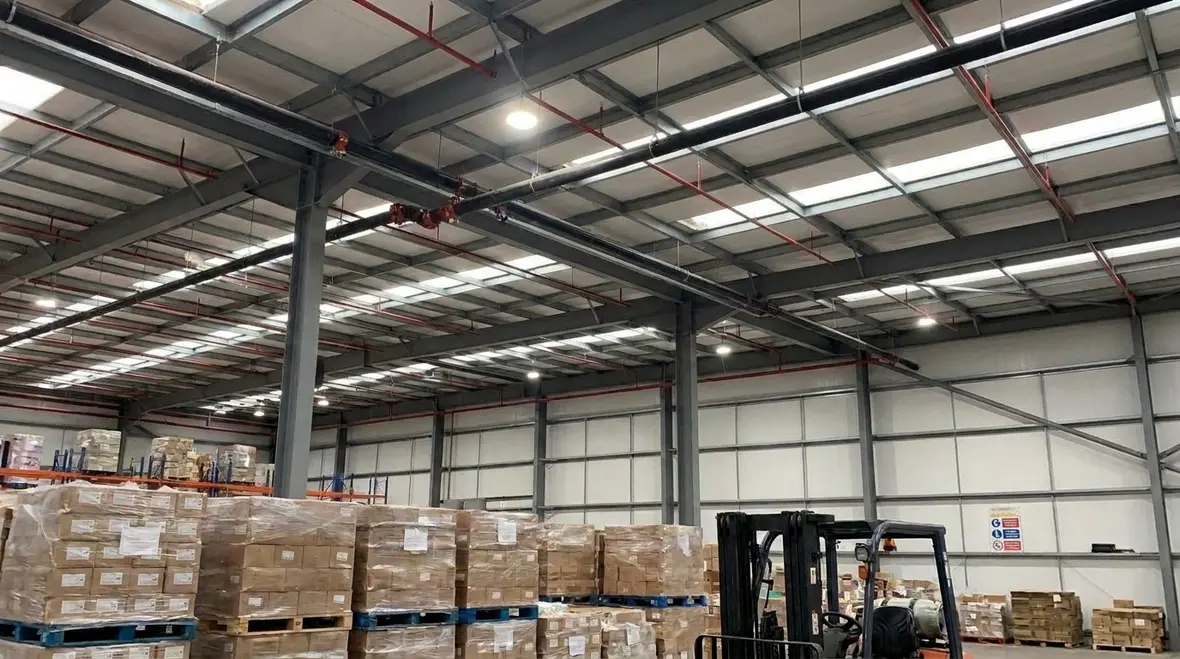
Automatic sprinkler requirements vary by building use, size, fire load, and risk profile. For industrial sites, this can mean storage bays, production lines, packaging zones, and plant rooms all need careful review. For retail spaces, the issue often centers on customer flow, stockrooms, and ceiling layouts. Meanwhile, commercial offices may need different coverage based on fit out changes, floor area, or shared tenancy rules.
These rules matter because fire does not pause for lease terms or trading hours. It spreads according to heat, fuel, and space. Therefore, the right sprinkler strategy can slow fire growth, protect escape paths, and support fire brigade response. That is why many facility teams treat the sprinkler system fire code NFPA as a core planning tool, not just a compliance note buried in a folder.
Common pressure points by facility type
Industrial buildings often run into challenges with storage density and operational heat sources. Retail sites tend to wrestle with public access, merchandising shifts, and back-of-house storage that slowly becomes front-line risk. Offices may look tame by comparison, but tenancy changes, server rooms, and refurbishment work can quietly alter the hazard picture. The code conversation is never only about square metres. It is about how the building is truly used day to day.
This is also where smart internal planning pays off. Kord Fire Protection’s broader full fire protection services approach is relevant because sprinkler compliance is usually tied to alarms, pumps, inspections, and coordinated maintenance rather than a single isolated system.
Where Fire Sprinkler Installation Starts
Fire sprinkler installation starts long before pipes go up. First, the site needs a proper review of hazards, building use, water supply, and occupancy type. Next, the team must match the design to the space, because one size does not fit all. A warehouse with high racking will not behave like a shopping centre, and a chilled storage area will not laugh at the same design assumptions either.
Then comes coordination. Sprinkler systems must work with alarms, pumps, valves, and other fire protection systems. They also must fit around structure, lighting, HVAC, and tenant fit out work. If this stage gets rushed, the result can be delays, extra cost, and awkward rework that nobody wants to explain at a project meeting.
Early coordination saves painful rework
The best installations are usually the least dramatic ones. They begin with clear hazard review, honest site constraints, and enough cross-trade coordination to prevent clashes above the ceiling. When designers and installers are brought in early, sprinkler routing, head placement, water supply, and access for testing all stand a much better chance of working the first time. That means fewer site delays, fewer cost shocks, and far fewer meetings where everyone studies the reflected ceiling plan like it personally betrayed them.
Why Compliance Matters in Australia
Across Australia, industrial, retail, and commercial facilities face constant pressure to balance safety, cost, and uptime. While local rules and approvals remain essential, NFPA guidance often supports planning, internal standards, and project decisions. As a result, many organisations use the sprinkler system fire code NFPA alongside Australian requirements to strengthen risk control and improve consistency across sites.
Compliance also protects operations. A well planned system can reduce downtime after an incident, support insurance goals, and lower the chance of major property loss. In addition, it shows tenants, staff, and visitors that the site takes fire safety seriously. That kind of confidence matters. No one enjoys discovering a weak system during a real emergency. That would be a terrible surprise, like finding out the final season was not as good as the first.
Why operators care beyond the rule book
Facility leaders do not think about compliance in abstract terms for very long. They think about interrupted production, damaged stock, unsafe conditions, insurer expectations, and whether people can evacuate cleanly if the worst happens. That is why a strong sprinkler strategy carries operational value. It supports continuity, confidence, and a more predictable path through design changes, audits, and future expansion.
For readers wanting more code context, Kord Fire Protection also features a related guide on NFPA 1 fire prevention and safety, which complements this discussion and helps place Section 13.3 inside the wider fire code picture.
How Kord Fire Protection Becomes a Vital Partner
| Project Need | How Kord Fire Protection Helps |
| Code interpretation | They help teams understand automatic sprinkler requirements and how they apply to each site. |
| Design support | They align fire sprinkler installation with building use, risk level, and project goals. |
| Compliance checks | They help confirm the system meets the expected sprinkler system fire code NFPA approach. |
| Ongoing support | They assist with testing, maintenance, upgrades, and system changes over time. |
Kord Fire Protection can become a vital partner because sprinkler work is rarely only about installation. It also involves planning, coordination, testing, and follow through. With the right team, a facility can avoid gaps between design intent and real world performance. That matters in busy industrial and commercial spaces where change happens often and fast. A good partner keeps the system ready, not just installed. In other words, they help the building stay prepared, not merely decorated with pipes and good intentions.
That practical value shows up in everyday decisions. Teams may need help reviewing a fit out change, checking whether storage adjustments affect coverage, coordinating a repair without disrupting operations, or mapping a maintenance plan that does not drift off the calendar. The more active the site, the more useful it is to have a partner that understands compliance as an ongoing process instead of a single milestone.
What Facility Managers Should Check First
Facility managers should start with three things: building use, current sprinkler coverage, and change history. Has the space been expanded, re zoned, or fitted out since the last review? Has storage height changed? Has a new tenant introduced different risks? These questions help reveal whether the system still meets current automatic sprinkler requirements.
They should also review maintenance records and inspection results. If valves, pumps, or heads have ongoing issues, the system may need more than a quick fix. Moreover, managers should work with a fire protection specialist who can spot problems before they become expensive. Prevention remains cheaper than repair, and far less dramatic.
A simple first-pass checklist
- Confirm how each area of the building is currently used.
- Review storage height, density, and recent layout changes.
- Check whether tenancy or process updates altered the hazard profile.
- Look at inspection reports for recurring deficiencies.
- Verify valves, pumps, and sprinkler heads are accessible and in serviceable condition.
- Schedule a specialist review before small issues turn into large invoices.
Why System Testing and Maintenance Cannot Be Skipped
Fire sprinkler installation is only the beginning. After that, the system must be tested and maintained so it can perform during an actual fire event. Heads must stay clear, valves must remain accessible, and water supplies must stay dependable. If a system fails during a fire, it offers no comfort at all, no matter how nice it looked on day one.
Regular checks also support compliance and reduce the chance of hidden faults. For sites with high occupancy or sensitive stock, this becomes even more important. Therefore, strong maintenance routines protect both people and business continuity.
Maintenance is where reliability proves itself
A sprinkler system does not earn trust because it was once installed correctly. It earns trust because it remains ready months and years later, after access panels have shifted, stock has moved, valves have been touched, and site conditions have changed. Good maintenance catches small issues before they become dangerous ones. It also keeps compliance from turning into a last-minute scramble with a clipboard and too much optimism.
FAQ
Final Takeaway for Busy Facilities
NFPA 1 Section 13.3 gives facilities a clear path for safer sprinkler planning, better compliance, and stronger fire protection. For industrial, retail, and commercial sites across Australia, the right partner makes all the difference. Kord Fire Protection can help turn complex requirements into practical action, from fire sprinkler installation to long term support.
If a site needs clarity, confidence, and a system that works when it counts, now is the time to act. Good sprinkler compliance is not only about satisfying a requirement on paper. It is about building a safer, steadier operation that is ready when the pressure is real and the stakes are higher than anyone would like.

Join Our Newsletter!
Get the latest fire safety tips delivered straight to your inbox From our Newsletter.