NFPA 1 Section 13.5 Fire Protection Water Supply in Australia
Quick Answer
NFPA 1 Section 13.5 sets the base for reliable fire water access by requiring an adequate fire protection water supply, proper flow, and usable pressure for emergency response. For industrial, retail, and commercial sites across Australia, this matters because fast water delivery can make the difference between a small incident and a major shutdown. Kord Fire Protection can help keep that supply ready, compliant, and fit for purpose.
Water supply is one part of the bigger fire protection picture, which is why many businesses also review their broader fire protection compliance and readiness support early in the process. That way, supply, testing, maintenance, and documentation all move in the same direction instead of arguing with each other like cast members in a reunion special.
NFPA 1 Section 13.5 focuses on water supply for fire protection, and that topic should never sit on the shelf like a forgotten prop from an old sitcom. In simple terms, the rule guides how sites must provide dependable water for firefighting needs. For any business managing a fire protection water supply, the standard connects directly to safety, uptime, and compliance. It also ties into water supply fire code NFPA expectations and fire flow water requirements that support effective emergency response.
For industrial plants, shopping centres, warehouses, and large commercial sites across Australia, this section matters more than most people think. After all, a fire system is only as strong as the water behind it. If the supply falls short, the system may look ready while doing very little when it counts. That is where careful design, testing, and ongoing support become essential.
What NFPA 1 Section 13.5 means for site owners
NFPA 1 Section 13.5 requires a water source that can support fire protection needs without delay. This means the site must have enough flow, enough pressure, and enough reliability to meet the demand of the fire system. In practice, the fire protection water supply must work as part of the full protection plan, not as an afterthought.
This section also reminds duty holders that water supply is not just a plumbing issue. It is a life safety issue, an asset protection issue, and often a business continuity issue. A strong supply helps sprinklers, hydrants, hose reels, and pumps do their jobs. On the other hand, a weak or poorly maintained supply can turn a routine test into a very expensive learning moment.
Why this matters on real operating sites
On a live site, water supply performance affects more than the fire brigade response. It influences how confidently a business can operate around storage, plant equipment, production lines, public traffic, and tenancy risk. A warehouse with patchy pressure or a pump arrangement that has not been reviewed in years may still look respectable from the outside, but that is not the same thing as being ready. Fire protection has a habit of exposing wishful thinking at the worst possible time.
That is why site owners, facility managers, and compliance teams should treat water supply as a performance question, not just a paperwork question. If the system demand has changed because stock levels increased, layouts shifted, or the building use evolved, the supporting supply should be checked with the same seriousness. Buildings change. Risk changes. Water demand does not politely stay frozen in time.
Fire flow water requirements explained for commercial sites
Fire flow water requirements describe how much water a site needs during a fire event. The required flow depends on building size, hazard level, fire load, occupancy type, and the system installed. Therefore, a warehouse with high storage density will not need the same solution as a retail centre or food processing site.
tank size
pump capacity
town mains support
booster arrangements
hydrant and sprinkler coverage
Because every site has different risks, the design must match the real condition on the ground. A one size fits all approach works in comedy clubs, not fire protection.
What usually drives those requirements
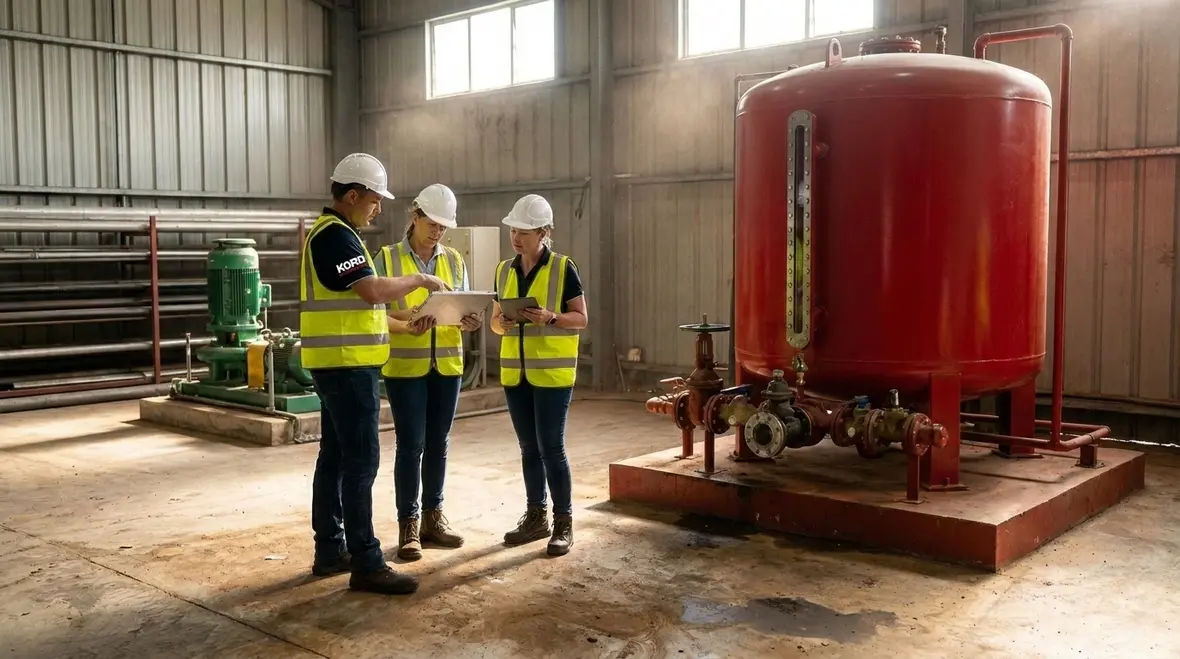
In practical terms, fire flow decisions are shaped by what could burn, how fast it could spread, and what systems need support at the same time. A large-format retail site may need dependable hydrant performance across wide access zones, while an industrial plant may need supply arrangements that account for process hazards, separated areas, and critical asset protection. Sites that rely partly on mains water may also need to consider whether that source remains dependable during peak demand or disruption.
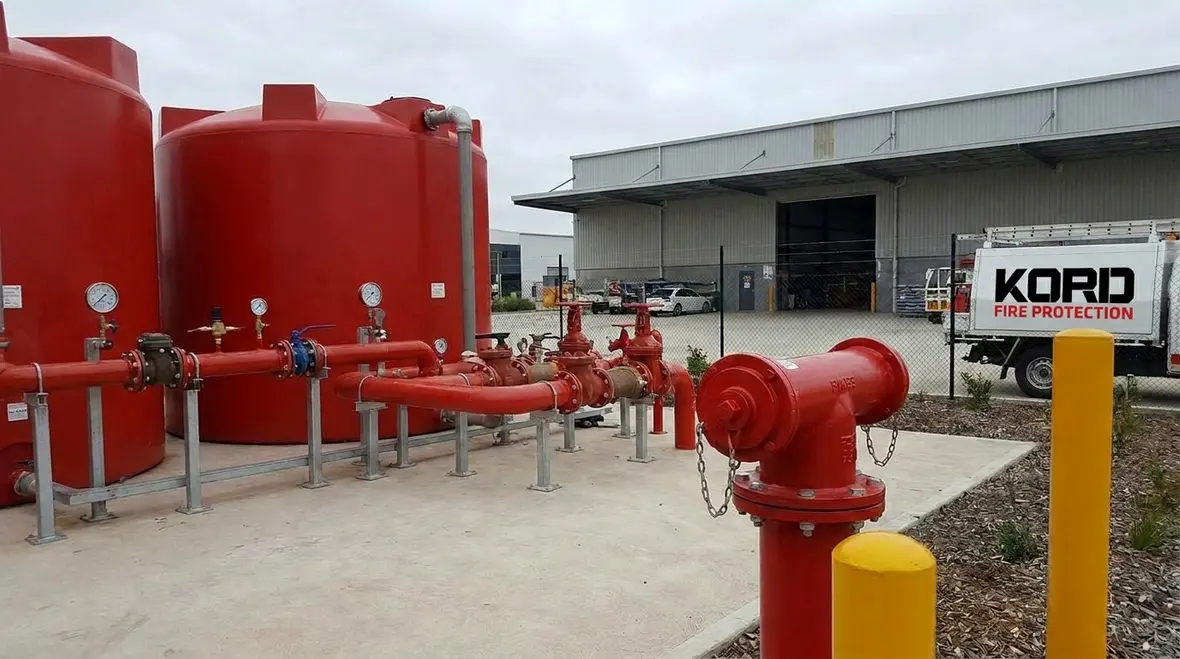
This is where storage tanks, pump sets, isolation valves, and booster interfaces stop being background hardware and start becoming strategic decisions. If one weak point limits available flow, the entire fire response picture changes. It is a bit like assembling an all-star team and forgetting to bring the ball.
How to check a fire protection water supply
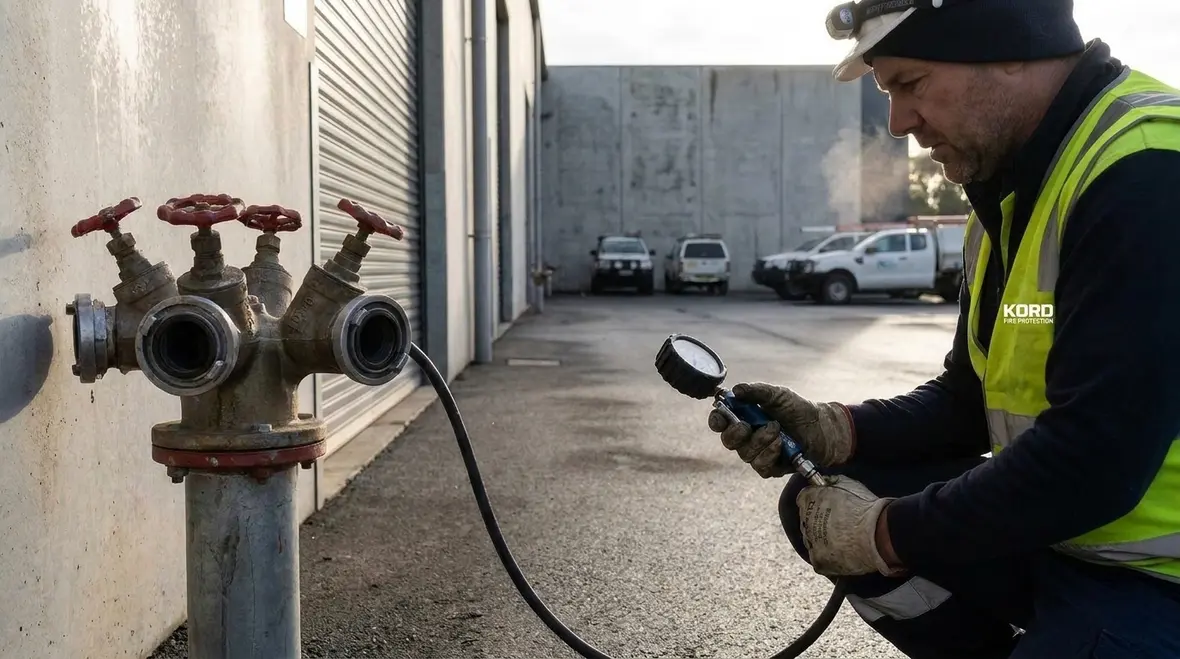
A proper check starts with data. First, the team should confirm available water source, pressure levels, and expected flow. Then, the site should compare those results with system demand. After that, the inspection should review storage, pumps, valves, alarms, and backup options. This process helps identify weak points before an emergency does the job for you.
It also helps to test under real working conditions. Static numbers can look fine on paper, yet the system may still struggle when multiple demands hit at once. As a result, regular flow testing and performance checks should form part of the maintenance plan. That approach supports the water supply fire code NFPA intent and helps keep the system honest.
A sensible review process for operators
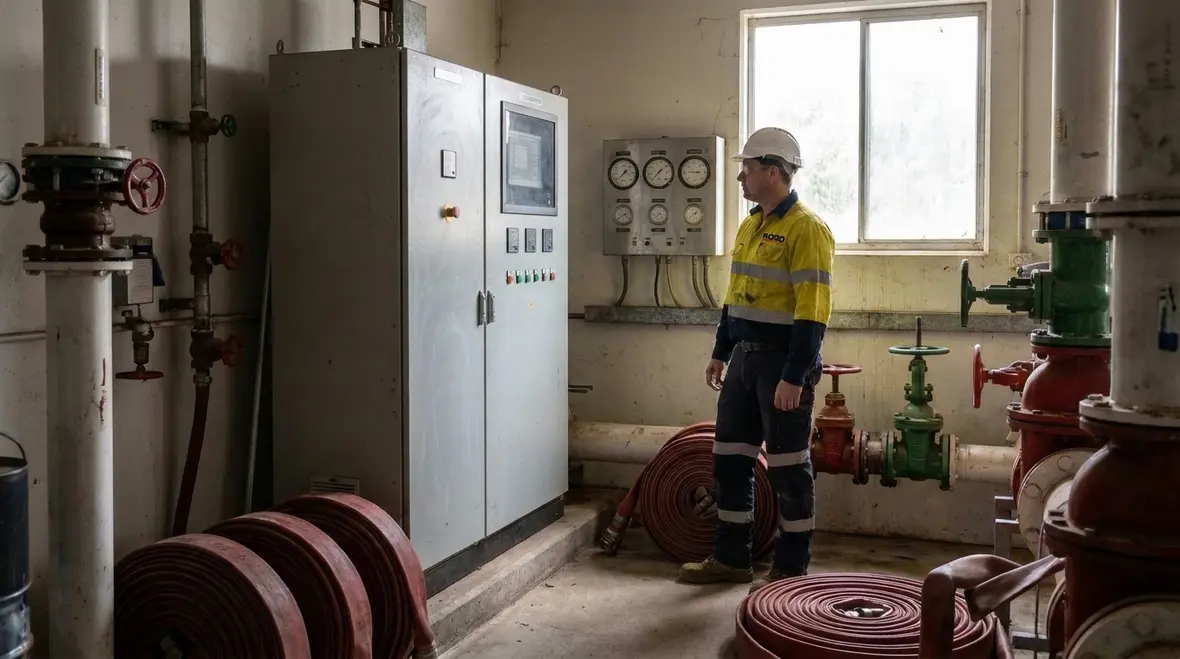
A sensible review process usually includes checking whether the original design basis still reflects current site use, confirming that pumps start and run as expected, reviewing whether valves are clearly identified and in the right position, and making sure tanks, strainers, and backflow arrangements are not quietly undermining performance. Even a strong system can develop blind spots if maintenance is reactive instead of planned.
Operators should also think about evidence. If testing results are scattered across email threads, old folders, or someone’s memory, the site may struggle to prove readiness when audits, insurers, or internal reviews ask for answers. Good records do not replace performance, but they do help prove the system is more than a confident shrug.
Businesses reviewing supply performance often find it useful to pair this with a broader read on improving commercial fire sprinkler reliability in Australia, especially where corrosion, valves, and maintenance quality all affect whether water actually gets where it needs to go.
Why compliance matters across Australia
Although NFPA 1 is a US standard, many Australian businesses use it as a strong reference point for fire safety design and performance. In commercial and industrial settings, good practice often aligns with local codes, insurer expectations, and site risk goals. So, even where NFPA is not the only rule in play, its guidance can still shape smarter decisions.
Compliance also protects more than buildings. It protects stock, equipment, staff, tenants, and business reputation. Furthermore, it reduces the chance of failed inspections, costly retrofits, and emergency downtime. Nobody wants a fire report to read like a bad sequel no one asked for.
Where NFPA guidance fits into the bigger picture
The value of NFPA guidance is that it gives teams a structured benchmark when they are reviewing adequacy, reliability, and response capability. It encourages the right questions: Is the supply dependable, is the demand understood, and can the installed systems perform without hesitation? Those questions matter whether a facility is upgrading an older site, expanding operations, or trying to reduce insurer concerns.
For readers wanting broader code context, Kord Fire Protection also covers NFPA 1 fire prevention and safety guidance, which fits naturally beside Section 13.5 when teams are connecting water supply performance to the wider compliance picture.
Dual column view: what matters most and who should act
Key focus | Why it matters | Who should act |
Water supply capacity | Supports sprinklers, hydrants, and pumps during fire events | Facility managers and asset teams |
Pressure and flow testing | Confirms the system can perform under real demand | Fire protection contractors |
Storage and backup | Keeps protection available when mains supply is limited | Operations and compliance teams |
How to use this on site
This simple view helps teams decide where to focus attention first. If capacity is unclear, start with supply confirmation. If testing is outdated, schedule performance checks before confidence drifts too far from reality. If backup storage is thin, review whether the current arrangement still reflects the site’s hazard and operating profile. The goal is not to make the table look nice in a meeting. The goal is to make the system work when the meeting is very much over.
On larger sites, different teams may own different pieces of the risk. Asset managers may control infrastructure budgets, operations may see the day to day constraints, and compliance teams may carry the audit pressure. A clear split of responsibilities helps turn water supply planning into action rather than an endless exchange of forwarded emails.
How Kord Fire Protection adds real value
Kord Fire Protection can become a vital partner by helping businesses assess, design, test, and maintain their fire protection water supply. For industrial, retail, and commercial sites, that support can reduce risk and improve system reliability. More importantly, Kord Fire Protection can help translate technical requirements into practical action.
That means support with system reviews, flow checks, pump and tank considerations, and ongoing maintenance planning. It also means helping sites identify gaps before those gaps turn into alarms, disruptions, or worse. In short, Kord Fire Protection can help keep the water ready, the system steady, and the site better prepared.
That practical support becomes even more valuable when facilities are changing occupancy, increasing storage, modernising systems, or trying to align multiple stakeholders around one realistic upgrade path. Technical requirements can sound neat in a document, but real sites come with constraints, ageing components, budget timing, and operational pressure. A good partner helps turn those moving parts into a workable plan instead of a technical scavenger hunt.
FAQ
Conclusion
NFPA 1 Section 13.5 puts water supply where it belongs, at the center of fire protection planning. For Australian industrial and commercial sites, the right flow, pressure, and storage can protect people, assets, and uptime.
Kord Fire Protection can help businesses review their systems, close gaps, and stay ready for real risk. If the site needs stronger fire water support, now is the right time to act.

Join Our Newsletter!
Get the latest fire safety tips delivered straight to your inbox From our Newsletter.