NFPA 1 Section 10.2 Tenant Fire Safety Responsibilities
Quick Answer: NFPA 1 Section 10.2 places clear fire safety duties on owners, operators, and tenants in commercial and industrial spaces. In plain terms, each party must keep exits clear, maintain fire systems, train staff, and control hazards. Kord Fire Protection can help turn those rules into daily practice, with calm, reliable support that keeps people, property, and business moving.
In busy industrial, retail, and commercial sites across Australia, fire safety works best when no one assumes “someone else has it covered.” That is where tenant fire safety responsibilities, property owner fire duties, and NFPA occupancy responsibilities come into play. NFPA 1 Section 10.2 makes the roles plain, and that matters because a site can have strong equipment but still fail if the people in charge do not do their part. Fire compliance is not glamorous, but neither is explaining a system failure to management at 6:00 a.m. on a Monday.
For sites that need practical support near the top of the process, Kord Fire Protection’s full fire protection services can help owners and tenants line up inspections, maintenance, and system readiness before little issues start acting like very expensive personality traits.
Understanding NFPA 1 Section 10.2 in plain English
NFPA 1 Section 10.2 sets the tone for shared fire safety. It says that fire protection is not only the job of the building owner. Instead, owners, tenants, operators, and managers all hold responsibility for the condition, use, and upkeep of the premises. In practice, this means fire safety must stay active every day, not just during an audit or after an alarm sounds.
For industrial and commercial sites, this section supports a simple idea. The building must stay safe, the systems must stay ready, and the people using the site must follow the rules. That includes storage areas, loading docks, plant rooms, sales floors, offices, and any space where work happens. Fire risk does not ask for permission, after all. It just shows up uninvited like a bad sequel.
Property owner fire duties that keep the site sound
What owners are expected to maintain
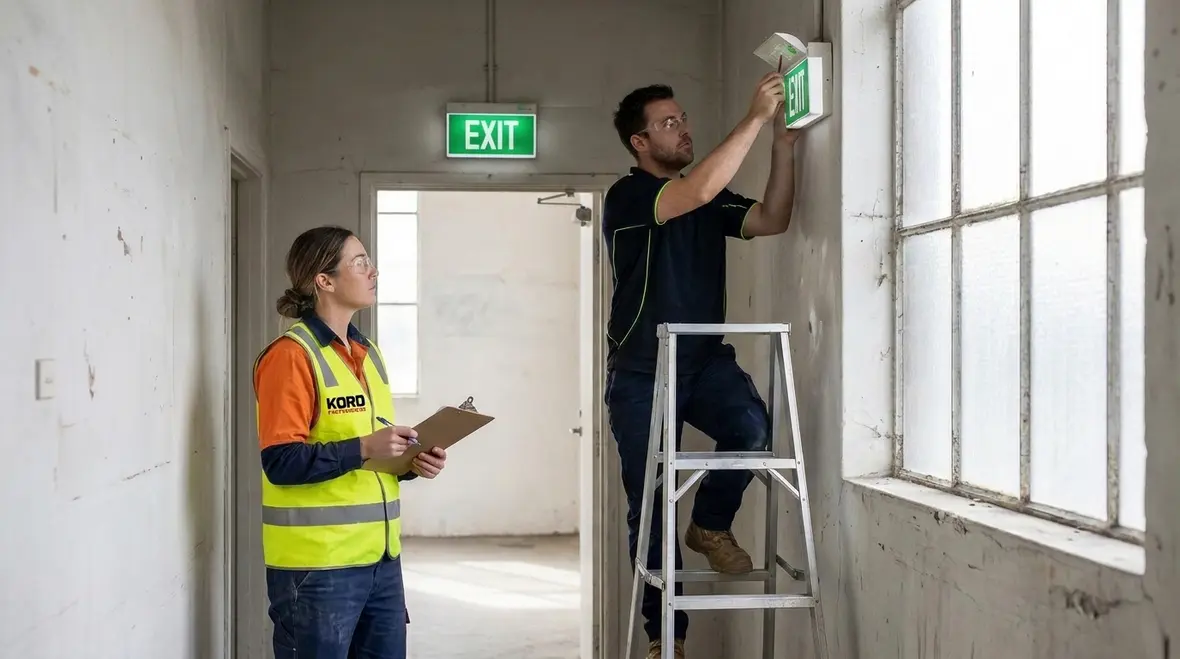
Property owners carry the backbone duties. They must provide and maintain the fire protection systems that the site needs, including alarms, sprinklers, extinguishers, hose reels, emergency lighting, and exit signage where required. They must also make sure the building structure does not block safe evacuation or make fire spread faster.
In addition, owners must arrange inspections, testing, and maintenance at the right intervals. If a fire door will not close, a sprinkler valve has failed, or an alarm panel shows trouble, the owner must treat that as a real issue, not a future problem. The building must remain ready for use, and the records must show that the owner took action.
That is why routine servicing matters so much. A system that looked great on installation day can still drift into poor condition if follow-up testing is skipped, repairs get delayed, or documentation ends up living in the same mysterious void as everyone else’s missing meeting notes.
Owners also tend to oversee the shared spaces that everyone uses but no tenant fully controls. Corridors, common exits, service rooms, risers, plant spaces, and exterior access points all need attention. If those areas are neglected, even a careful tenant can end up working inside a building that is less safe than it appears.
How tenants handle fire safety duties on the floor
What changes inside the leased space
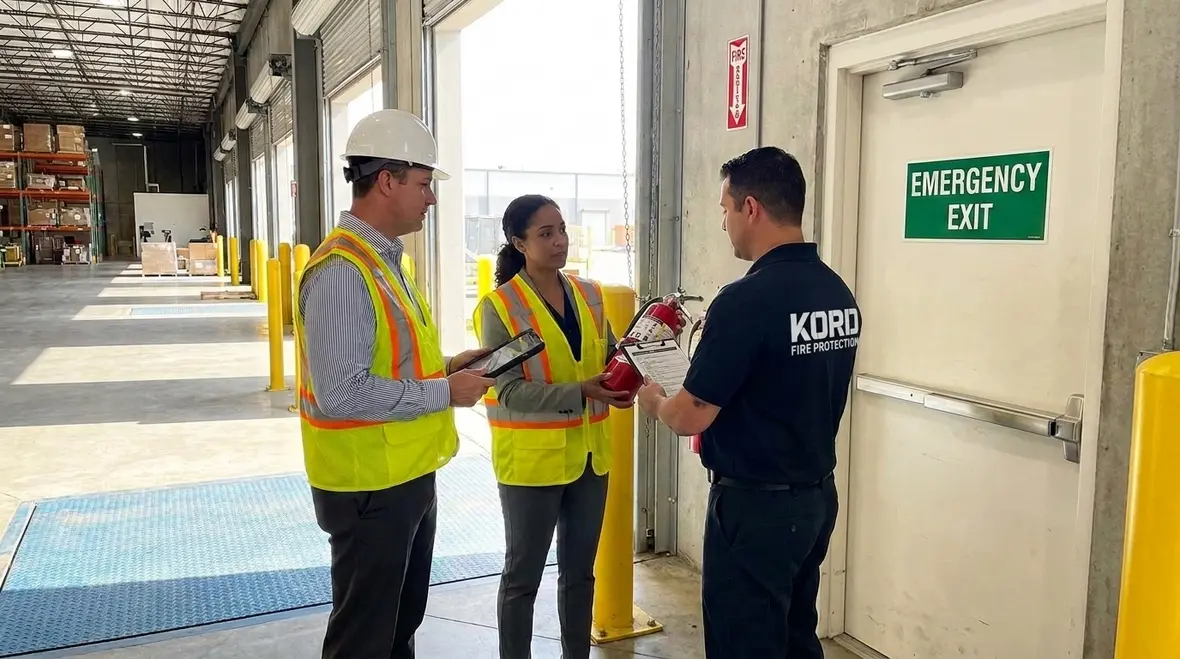
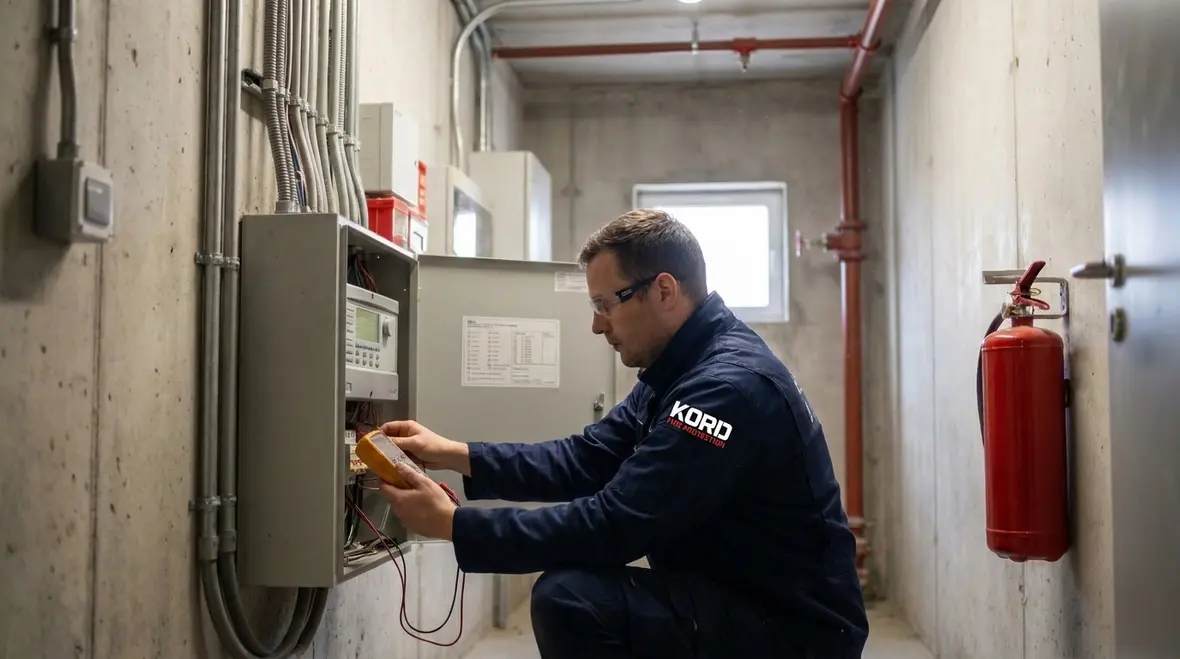
Tenants control what happens inside their leased area, so their actions matter just as much. Tenant fire safety responsibilities include keeping exits clear, not overloading power points, storing goods safely, and following approved occupancy limits. They must also train staff in basic response steps so people know how to react when the alarm sounds.
Just as important, tenants must not damage or disable fire systems. A blocked extinguisher cabinet, a wedged fire door, or pallets stacked too high can create serious risk. Therefore, every team member should know the difference between “convenient” and “dangerous,” because fire safety is not the place for creative shortcuts.
This becomes even more important during busy trading periods, stock deliveries, equipment moves, or temporary fit-out changes. Many hazards appear during normal operations, not dramatic events. A trolley left in a path of egress, a charger plugged into a questionable power board, or storage creeping a little too close to a sprinkler head can turn a normal day into a very poor example for the next safety meeting.
Tenants should also report faults early instead of assuming someone else has already noticed them. A trouble light on a panel, a damaged extinguisher tag, or a door that no longer latches may look minor in the moment, but those details tend to become major exactly when the site least wants surprises.
NFPA occupancy responsibilities shared across owners, operators, and tenants
Shared duties that live in the day to day
NFPA occupancy responsibilities apply to how the space is used every day. This includes safe storage, safe access, proper housekeeping, and control of ignition sources. It also includes making sure contractors, cleaners, and delivery teams understand site rules. A well kept site is far less likely to create fire spread, smoke build up, or blocked escape paths.
These responsibilities also cover drills and emergency planning. Staff should know the alarm tone, evacuation path, assembly point, and who takes charge. Moreover, operators should review changes to the site whenever layouts, equipment, or tenant fit outs change. A new racking layout may look neat, but if it blocks access or fire flow, it has already failed the test.
If you want more context on how shared obligations work in real properties, Kord Fire Protection’s article on fire code compliance in multi-tenant responsibilities pairs naturally with this topic. For a broader code view, it also helps to read NFPA 1: A Comprehensive Guide to Fire Prevention and Safety, which connects the everyday site duties to the larger framework behind them.

Owner and tenant duties side by side
| Property owner fire duties | Tenant fire safety responsibilities |
| Maintain building fire systems and exits | Keep leased areas clear and orderly |
| Schedule inspection and servicing | Train staff and support evacuation steps |
| Repair structural fire defects | Protect extinguishers, doors, and alarms from damage |
| Keep compliance records available | Report hazards and faults quickly |
This shared model works best when both sides communicate early. Otherwise, small issues can become expensive ones. A missing fire door closer today can become a failed compliance check tomorrow, and then everyone suddenly remembers how much they enjoy paperwork.
Why Kord Fire Protection becomes a vital partner
Turning rules into daily practice
Kord Fire Protection can play a key role in turning NFPA 1 Section 10.2 from a document into real site action. Through servicing, inspections, compliance support, and practical advice, Kord helps owners and tenants keep systems ready and responsibilities clear. That matters across industrial plants, retail centres, warehouses, and multi tenant facilities where different teams share the same risk.
Just as importantly, Kord can help identify weak points before they become incidents. It can support asset checks, maintenance planning, staff guidance, and system upkeep so the site stays prepared. In other words, Kord does not just help tick a box. It helps protect the building, the people inside it, and the business that depends on both.
That practical role matters because shared responsibility only works when someone helps keep the moving parts aligned. Owners need records, tenants need clarity, operators need follow through, and everybody needs systems that are actually ready when called upon. Fire safety is serious enough without adding avoidable confusion to the guest list.
How to keep compliance ready all year
Routine beats luck every time
Strong fire compliance comes from routine, not luck. Owners and tenants should review site hazards, test systems on schedule, record repairs, and update emergency plans after any layout or use change. They should also confirm that contractors follow site rules and that staff know how to spot and report problems.
That kind of routine is easier to maintain when responsibilities are written down, inspection dates are visible, and staff know who to contact when something changes. A simple reporting path can prevent long delays, and regular walkthroughs can catch hazards before they settle in and start pretending they belong there.
When each party handles its part, the site becomes safer and easier to manage. That is the real point of NFPA 1 Section 10.2. It creates a clear chain of duty, so no one can shrug and say, “I thought the other guy had it.” Fire safety likes clarity. Confusion, not so much.
FAQ
Conclusion
NFPA 1 Section 10.2 works best when owners, operators, and tenants treat fire safety as a shared duty, not a side task. For industrial, retail, and commercial sites, that means clear roles, regular upkeep, and fast action on hazards.
Kord Fire Protection can help make that process steady, practical, and far less stressful. For sites that want compliance with confidence, Kord makes a strong partner.

Join Our Newsletter!
Get the latest fire safety tips delivered straight to your inbox From our Newsletter.