NFPA 1 Section 10.1 Fire Safety Basics for Australian Sites
Quick Answer
NFPA 1 Section 10.1 sets the baseline for fire safety by requiring clear, practical protection measures that reduce risk before trouble starts. For industrial, retail, and commercial sites across Australia, it supports safer operations, cleaner compliance, and faster response. Kord Fire Protection helps businesses put these requirements into action with expert service, inspections, and ongoing support.
NFPA 1 Section 10.1 sits at the heart of fire safety planning. It focuses on fundamental fire safety rules, NFPA 10 fire safety basics, and general fire protection requirements that help a site stay ready, safe, and compliant. In simple terms, it tells a business to keep fire risk low, equipment ready, and escape paths clear. That may sound obvious, but so did “don’t taunt the dragon,” and yet here we are.
For industrial plants, retail centres, warehouses, and commercial facilities across Australia, this section matters because one small gap can turn into a major loss. Therefore, a strong fire safety plan should not sit on a shelf looking important. It should work every day. Kord Fire Protection can help make that happen through fire safety inspections and preventive maintenance, practical support, and compliance focused service that is built for real world sites.
What NFPA 1 Section 10.1 means for fire safety
NFPA 1 Section 10.1 focuses on the core duty of fire safety: keep people safe and reduce the chance of fire spreading. It supports a site wide approach, not just a box ticking exercise. As a result, businesses must look at hazards, equipment, access, training, and response planning together.
This section links closely to fundamental fire safety rules because it asks a basic but powerful question: is the site truly prepared? If the answer is shaky, the risk goes up. However, when a facility builds strong systems around inspection, housekeeping, and emergency readiness, it creates a safer environment for staff, customers, and assets.
How the code applies in industrial and commercial sites
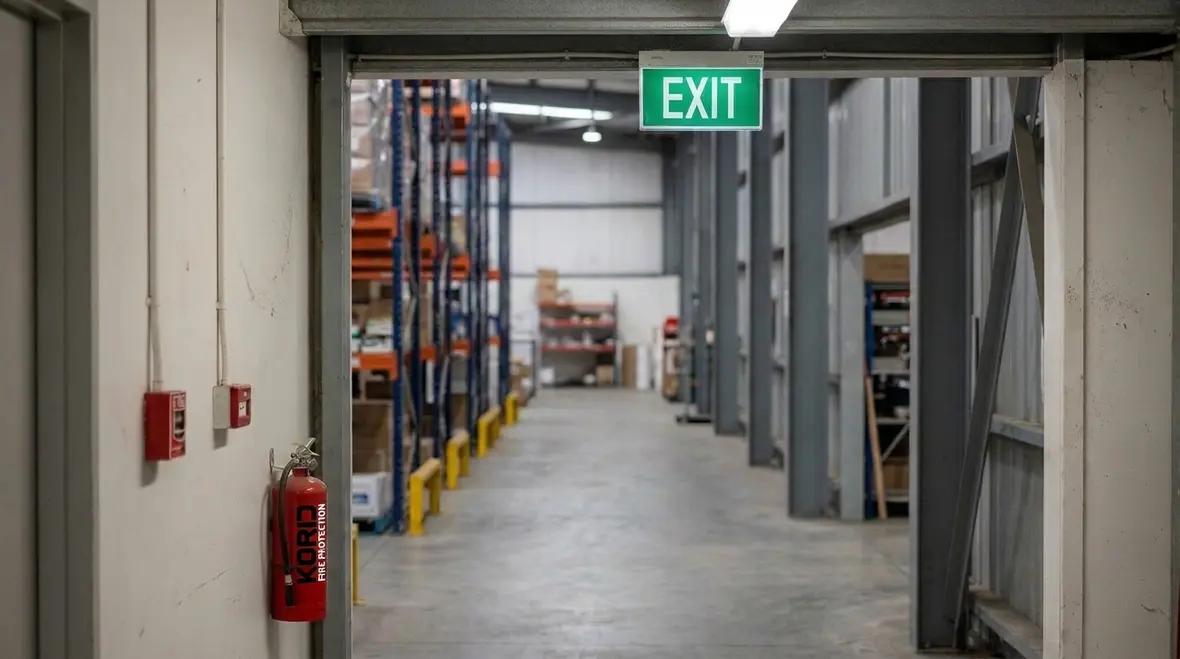
In industrial and commercial settings, fire risk often comes from machinery, storage, electrical loads, hot work, and heavy daily traffic. Retail sites also face risk from stockrooms, loading docks, and public areas where evacuation must stay simple and fast. Therefore, Section 10.1 works best when teams treat it as part of daily operations, not an annual surprise.
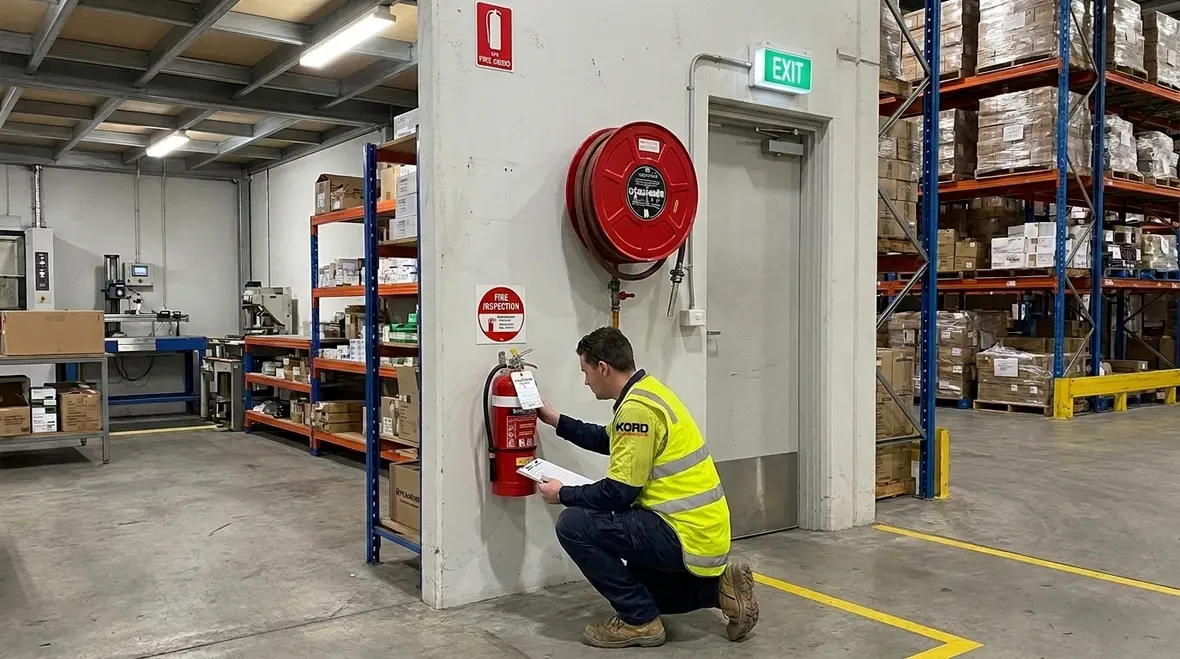
Businesses across Australia should review how their site handles exits, fire extinguishers, alarms, suppression systems, and access for emergency crews. In addition, managers should check that staff can act quickly without confusion. A neat plan means little if nobody knows where the extinguisher sits or how to use it. Even the best fire safety policy will not save the day if everyone stands around waiting for the boss to become Batman.
That is also why it helps to connect broad code duties with more detailed guidance. If your team wants a wider look at prevention strategy, NFPA 1: A Comprehensive Guide to Fire Prevention and Safety gives helpful context on how the code supports a complete site program instead of a few isolated tasks.
Daily risk points that deserve attention
Storage areas that creep too close to electrical panels or heat sources
Exit routes that slowly become blocked by stock, pallets, or equipment
Fire doors that get wedged open because convenience won the argument
Extinguishers that exist technically, but not where people need them
Staff who know the drill in theory, but freeze when the moment gets loud
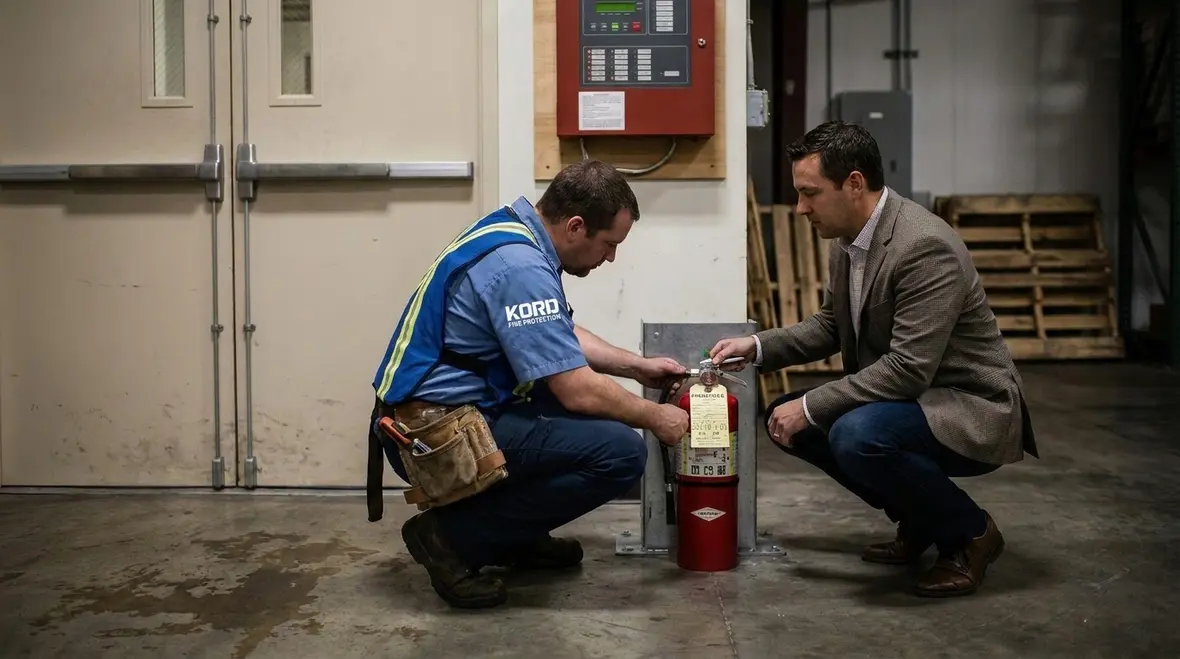
What should a facility check first?
Facilities should start with the most visible and most vital items. These include clear exits, working detection systems, correct extinguisher placement, and easy access to fire equipment. Then, they should move to records, servicing dates, signage, and staff training.
Here is a simple way to think about the first check:
Physical controls
Fire doors, clear paths, marked exits, extinguishers, hose reels, and alarms
Operational controls
Training, drills, maintenance logs, hazard checks, and response plans
When these two columns work together, the site becomes easier to manage and safer to defend. That is where general fire protection requirements turn from theory into practice.
A smart first pass also helps teams avoid overwhelm. Instead of trying to fix every possible issue in one heroic afternoon, leaders can deal with the biggest life safety items first and then build from there. That approach is more realistic, more sustainable, and far less likely to end with a half finished checklist and a very tired operations manager.
Why maintenance matters more than most teams think
Fire safety equipment only helps if it works when needed. Therefore, routine inspection and servicing matter as much as the equipment itself. A damaged extinguisher, blocked exit, or failed alarm can undo months of good planning in seconds. That is not drama. That is just the cost of delay.
Regular maintenance also supports compliance and reduces downtime. For busy sites, that means fewer surprise failures and fewer headaches during audits. In addition, proper records help prove that the business takes its duty seriously. Kord Fire Protection can manage this process with scheduled checks and detailed reporting, which helps site leaders stay focused on operations instead of chasing paperwork like a lost sock in a dryer.
Maintenance also has a culture effect. When teams see extinguishers tagged correctly, exits kept clear, and alarm systems tested on schedule, fire safety stops feeling like a poster on the wall and starts feeling like part of normal work. That shift matters. People tend to respect what leadership consistently maintains.
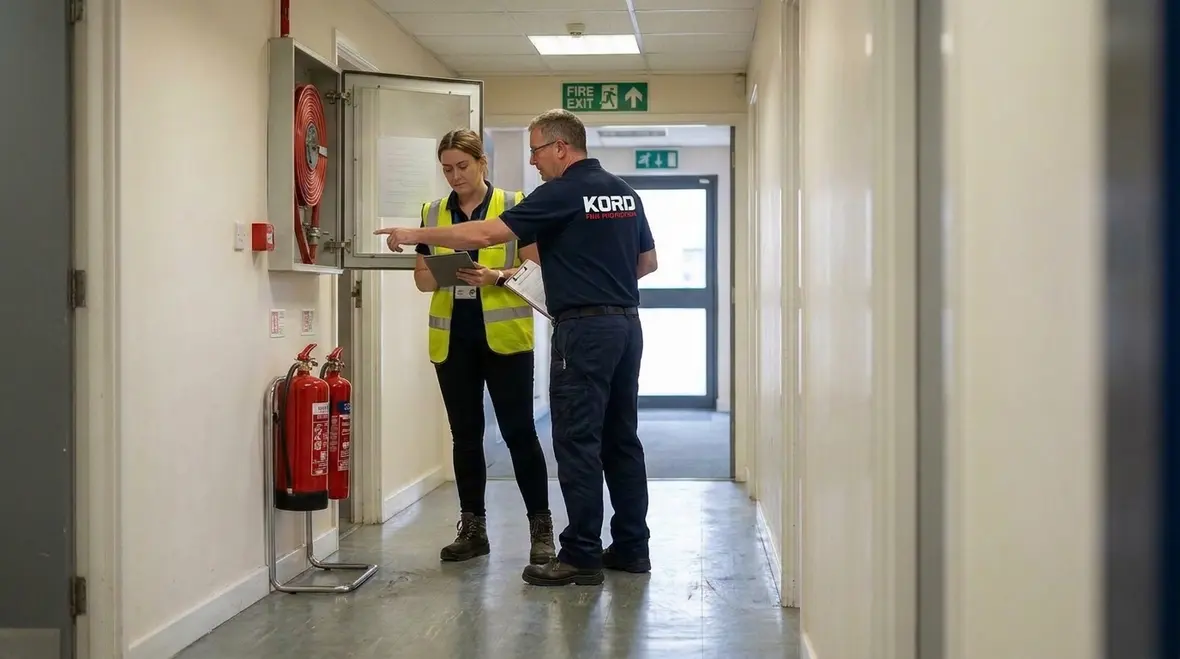
How Kord Fire Protection adds real value
Kord Fire Protection can become a vital partner by helping businesses apply the code in a practical way. Instead of offering generic advice, the team can assess site needs, identify gaps, and build a clear action plan. That matters because different facilities face different risks, and one size rarely fits all.
Kord Fire Protection may support businesses through:
Fire equipment inspections and servicing
Compliance checks for site ready systems
Advice on NFPA 10 fire safety basics and related protection duties
Maintenance planning that reduces disruption
Support for industrial, retail, and commercial environments
As a result, business leaders gain a partner who helps improve safety without slowing the site down. For facilities that rely heavily on automatic suppression, broader inspection and upkeep support can also connect naturally with predictive maintenance for automated fire suppression systems, especially where continuity and reduced disruption matter just as much as compliance.
How can a site stay compliant year round?
A site stays compliant by treating fire safety as a living system. First, leaders should assign responsibility. Then, they should inspect, train, test, and update the plan on a regular cycle. In addition, they should review changes in layout, stock, equipment, and staff movement because risk changes when the site changes.
Consistent action also helps teams avoid the classic “we meant to fix that” problem. Most fire failures do not begin with bad intent. They begin with delay. Therefore, a steady plan matters more than a rushed clean up before an audit.
A simple rhythm for year round readiness
Weekly visual checks for exits, extinguisher access, and obvious hazards
Monthly reviews of logs, signage, alarms, and equipment condition
Scheduled servicing for systems that require formal inspection and testing
Refresher training when staffing, layouts, or processes change
Annual review of the broader fire safety plan and response procedures
FAQ
Final Word
NFPA 1 Section 10.1 gives businesses a clear path to safer operations, stronger compliance, and better readiness. For industrial, retail, and commercial sites across Australia, the right partner makes the difference.
Kord Fire Protection can help turn fire safety rules into daily practice, so the site stays protected, prepared, and ready for what comes next. That is the goal: fewer blind spots, better habits, and no last minute scramble when it matters most.

Join Our Newsletter!
Get the latest fire safety tips delivered straight to your inbox From our Newsletter.