NFPA 1 Section 11.7 Stationary Generator Fire Safety
Quick Answer
NFPA 1 Section 11.7 sets the safety baseline for stationary generators by focusing on fire risk, fuel handling, clearance, ventilation, and inspection. For industrial, retail, commercial, and facility sites across Australia, it supports safer standby power systems. Kord Fire Protection can help turn those code duties into a practical, reliable fire safety plan.
NFPA 1 Section 11.7 matters because stationary generators often sit quietly until the lights fail, and then everyone suddenly remembers they exist. In that moment, stationary generator fire safety becomes more than a compliance task. It becomes a business continuity issue. For sites relying on backup power, the standby power fire code requirements shape how generators are installed, protected, maintained, and tested. The same applies to emergency generator fire protection, which must reduce ignition risk while keeping vital systems ready for service. In short, a generator should not become the thing that causes the emergency. That would be a cruel plot twist.
Facilities that need broader system support can also tie generator safety into a wider fire protection services strategy, especially when backup power interacts with alarms, sprinklers, pumps, and suppression planning. That bigger-picture approach helps prevent generator compliance from living in its own lonely little folder while the rest of the site evolves around it. ([kordfire.com](https://kordfire.com/fire-protection-services-guide-by-kord-experts/?utm_source=openai))
What NFPA 1 Section 11.7 Means for Generator Sites
NFPA 1 Section 11.7 addresses the fire safety needs of stationary generators and related equipment. It focuses on safe placement, proper fuel management, ventilation, access, and ongoing maintenance. For facilities across Australia, the section offers a strong guide even when local rules and site standards add extra layers. The goal stays the same. The generator must work when needed, and it must not create a fire path the rest of the site cannot control.
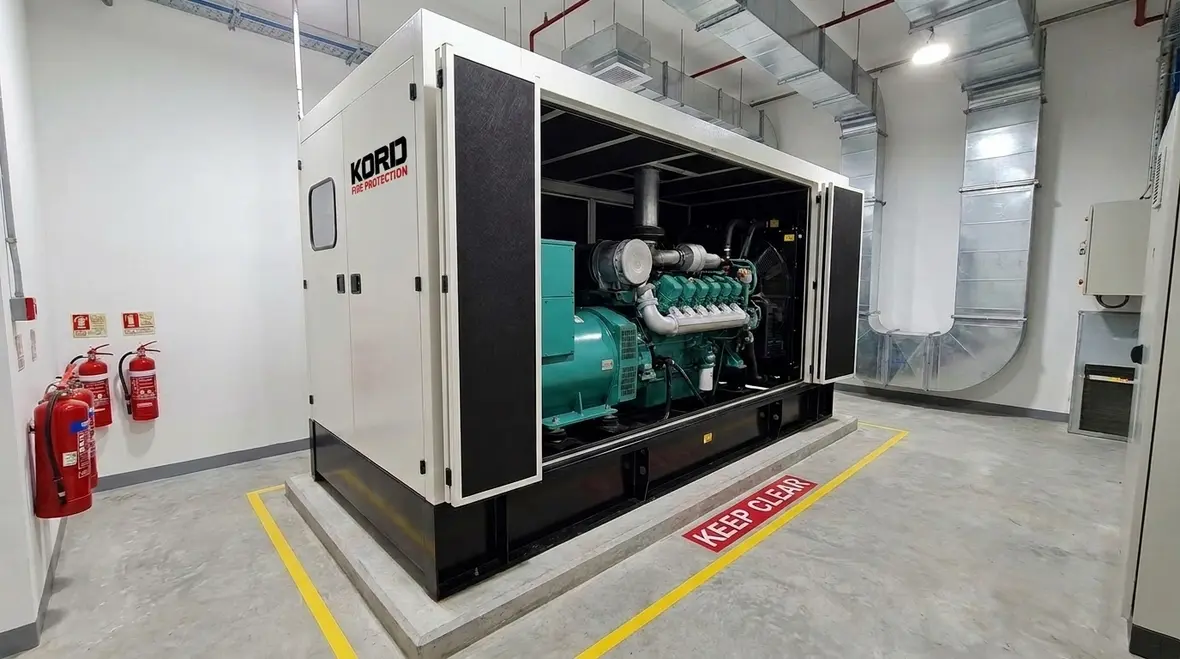
In practical terms, this means the site team should treat the generator area as a controlled risk zone. Therefore, the room, enclosure, or outdoor pad needs clear access, proper separation from combustibles, and fire protection measures that match the hazard level. A generator is not a wall decoration. It is a machine with fuel, heat, and moving parts, which is basically a dramatic trio if safety gets ignored.
Why location and layout matter so much
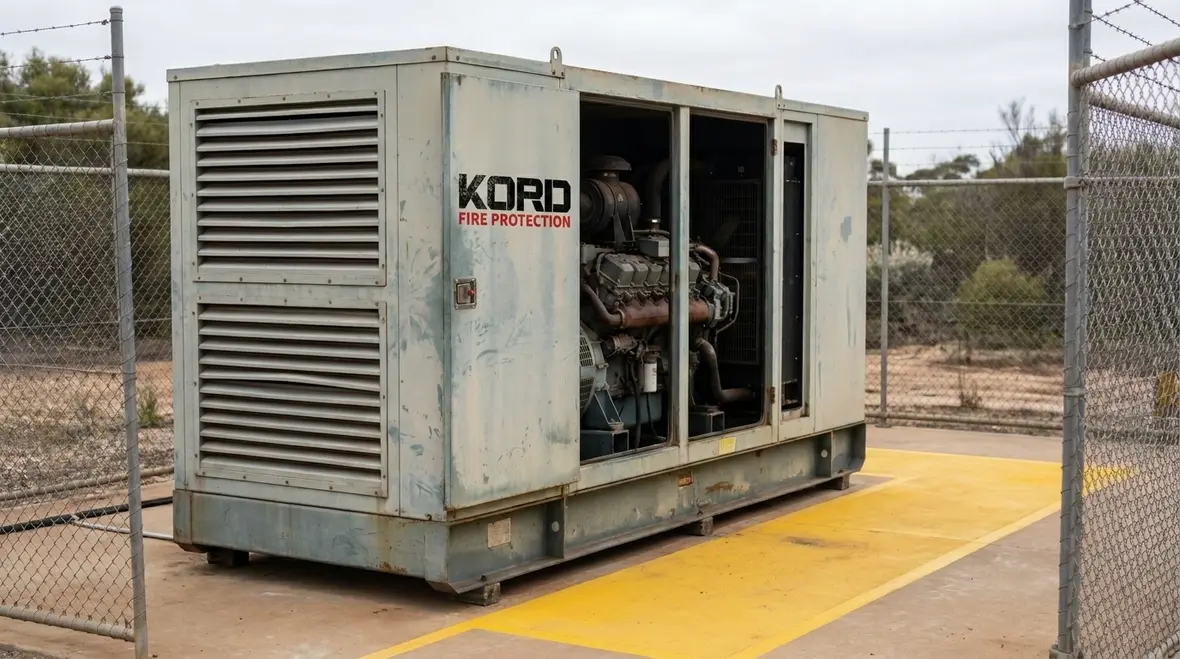
Generator placement affects far more than convenience. It influences whether heat can dissipate properly, whether emergency crews can reach the unit, and whether nearby materials become part of the risk profile. If the generator sits in a cramped, poorly ventilated, clutter-friendly space, the site is essentially asking for trouble and hoping it forgets the address.
Key Fire Risks Around Stationary Generators
Generator fires usually start with a few common issues. Fuel leaks can create vapor hazards. Hot surfaces can ignite nearby material. Poor airflow can push temperatures too high. Meanwhile, electrical faults can trigger smoke, arcing, or full ignition. Dust, clutter, and poor housekeeping only make things worse.
These risks matter even more in warehouses, shopping centres, hospitals, factories, logistics hubs, and commercial towers. In those settings, a generator supports critical systems such as lighting, pumps, data, security, and life safety equipment. If the backup system fails in a fire, the whole site can lose control fast. That is why strong emergency generator fire protection must account for both the generator and the space around it.
The usual suspects behind generator trouble
- Fuel leaks: Small leaks can become large consequences, especially when vapors collect unnoticed.
- Hot exhaust and surfaces: Heat plus combustible storage is not a chemistry experiment worth running.
- Electrical faults: Damaged wiring, tired panels, and neglected alarms can turn a power asset into an ignition source.
- Blocked ventilation: Restricted airflow pushes operating temperatures up and reliability down.
- Poor housekeeping: Debris, dust, cartons, and “temporary” storage love to move in around neglected equipment.
How to Apply Stationary Generator Fire Safety on Site
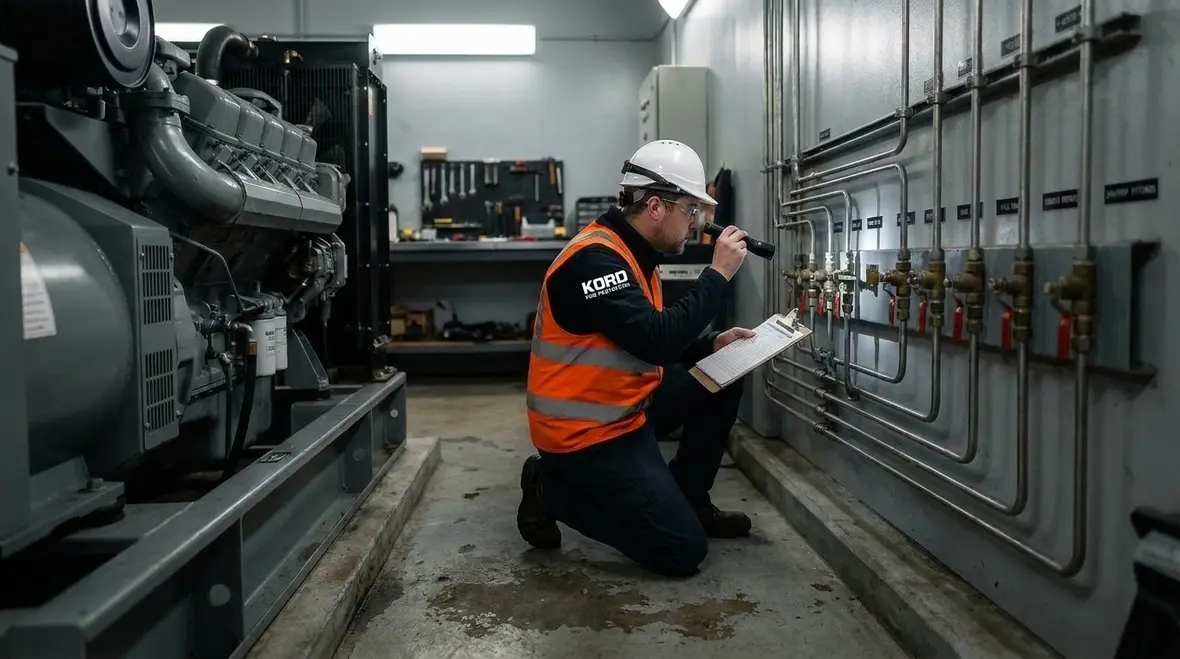
Good fire safety starts with design and keeps going through maintenance. First, the generator needs enough clearance around it for cooling, inspection, and emergency response. Next, fuel lines and tanks must stay protected from damage and leakage. Also, exhaust routing should keep hot gases away from combustible materials and openings.
Then comes inspection. Staff should check for oil stains, fuel odor, loose fittings, blocked vents, and damaged wiring. They should also keep the area clean and free from stored goods. That sounds simple, but in busy facilities, “temporary storage” can quietly become a fire hazard with a forklift endorsement.
Finally, the site should match protection systems to the risk. That may include detection, suppression, shutdown controls, and clear emergency procedures. When those layers work together, the site improves its overall stationary generator fire safety without slowing operations.
Practical actions facilities teams can take this month
A sensible generator fire safety program does not need to be theatrical. It needs to be repeatable. Walk the area, verify clearances, inspect fuel components, review detection coverage, confirm records, and make sure emergency shutdown procedures actually exist in a place humans can find. If the only copy is buried in a forgotten binder under three unrelated invoices, that is not a plan. That is archaeology.
Where suppression, alarm, sprinkler, or pump systems connect with generator risk, sites can also benefit from broader support through Kord Fire Protection’s full-service fire protection offering, which includes inspections, maintenance, repairs, and code-compliant system work across commercial facilities. ([kordfire.com](https://kordfire.com/?utm_source=openai))
Standby Power Fire Code and Facility Compliance
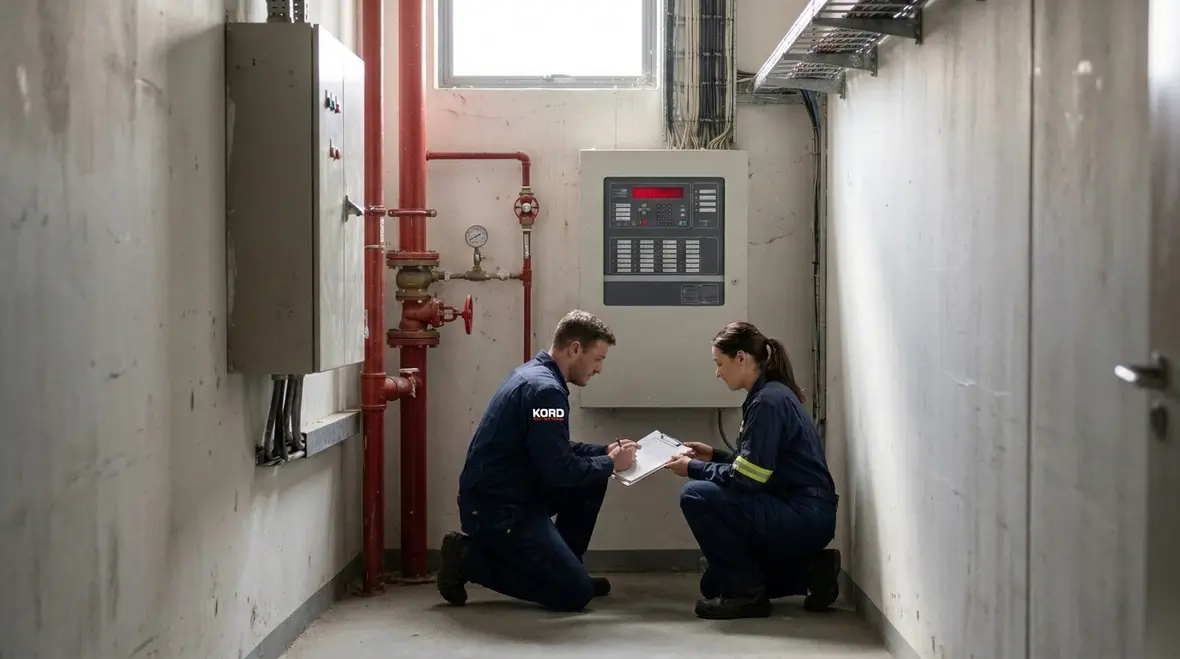
For Australian sites, compliance often means balancing NFPA guidance with local standards, insurer demands, and internal safety rules. The standby power fire code approach helps facilities create a consistent plan for generator rooms, enclosures, and fuel storage areas. It also helps teams document inspections, repairs, and testing in a way that supports audits and incident review.
This matters across industries because each site has its own risk profile. A data centre needs uptime. A retail centre needs safety and public access control. A manufacturing plant needs process continuity. Therefore, the code should not be treated like a paper exercise. It should guide real decisions about placement, protection, and maintenance.
For teams building out their broader code literacy, Kord Fire Protection also offers a related resource on NFPA 1 fire prevention and safety guidance, which fits naturally alongside generator-specific planning. ([kordfire.com](https://kordfire.com/?utm_source=openai))
How Kord Fire Protection Can Help
Kord Fire Protection can become a vital partner by helping facilities turn code language into practical fire safety action. Their team can support risk reviews, system advice, protection planning, and ongoing servicing for generator related fire protection needs. As a result, site managers can better align generator protection with operational demands and compliance goals.
Kord Fire Protection can also help identify weak points that often get missed, such as poor access, limited detection coverage, or aging suppression systems. In addition, they can work with facilities teams, contractors, and asset managers so the fire protection plan fits the site instead of fighting it. That is the kind of partnership that saves time, reduces stress, and keeps the backup power plan from turning into backup panic.
Kord describes its approach as a practical, compliance-focused service model covering inspections, preventive maintenance, repairs, upgrades, and system support across alarms, sprinklers, suppression, extinguishers, pumps, and related fire protection needs. That makes the company a natural fit for facilities that want generator risk handled as part of a larger life-safety strategy rather than as an isolated problem child in the corner. ([kordfire.com](https://kordfire.com/?utm_source=openai))
What Facilities Teams Should Check First
Area | What to Check |
Generator room or enclosure | Clearance, ventilation, access, and visible damage |
Fuel system | Leaks, loose fittings, tank condition, and shutoff controls |
Electrical system | Wiring condition, panel health, alarms, and grounding |
Fire protection system | Detection, suppression, testing, and service records |
Site housekeeping | Clutter, stored goods, debris, and access paths |
FAQ
Final Word
Stationary generators keep critical sites moving, but only if fire risk stays under control. With the right plan, strong maintenance, and expert support, facilities can protect people, assets, and uptime. Kord Fire Protection can help make that happen.
For sites that rely on standby power, now is the time to review the system, close the gaps, and keep the backup plan ready for action. Because when the lights go out, the generator should save the day, not audition for the villain role.

Join Our Newsletter!
Get the latest fire safety tips delivered straight to your inbox From our Newsletter.