NFPA 1 Section 11.6 Waste Chute and Incinerator Fire Safety
Quick Answer: NFPA 1 Section 11.6 sets the fire safety rules for waste chutes, laundry chutes, and incinerators in commercial and industrial buildings. It focuses on clean design, proper fire protection, regular inspection, and safe maintenance. For many sites, Kord Fire Protection can help keep these systems compliant, tested, and ready when trouble tries to move in.
In busy facilities across Australia, waste systems do not get much glory. Still, they do a hard job every day, and they can also become a fast path for fire spread if they are not managed well. That is where waste chute fire safety, incinerator fire code NFPA guidance, and laundry chute fire protection all come into play. NFPA 1 Section 11.6 gives owners and facility managers a clear path to reduce risk, while keeping operations moving. And yes, the chute may look harmless, but fire loves a shortcut almost as much as a cat loves an empty box.
For facilities that need broader system support, Kord Fire Protection also provides fire suppression system services that fit naturally into compliance planning for higher risk waste and incinerator areas. That matters because chute rooms, discharge spaces, and related service zones often sit close to other building protection systems, so a coordinated approach tends to work far better than crossing your fingers and hoping the dusty door latch is in a good mood.
What NFPA 1 Section 11.6 Covers
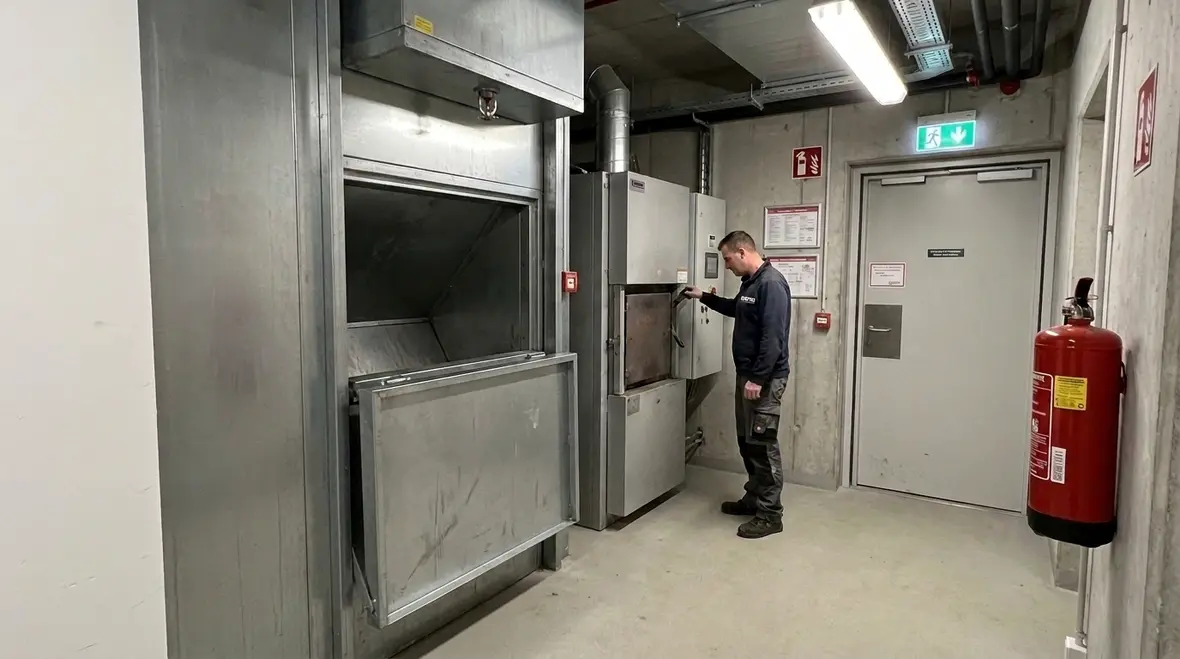
NFPA 1 Section 11.6 deals with waste chutes, laundry chutes, and incinerators because these systems can carry heat, smoke, and flame through a building faster than most teams expect. The rule set helps stop fire from spreading through vertical openings, which is a serious concern in shopping centres, hospitals, warehouses, aged care sites, hotels, and large commercial towers.
In simple terms, the code asks for proper construction, safe use, and strong fire protection around these systems. It also expects owners to keep the equipment in good working order. That matters because a blocked chute, a damaged door, or poor cleaning can turn a routine disposal point into a serious fire path.
Why the scope matters in real buildings
The tricky part is that waste and laundry chutes do not sit quietly in isolation. They intersect with wall ratings, room layouts, discharge areas, housekeeping routines, and human behavior. Incinerators add another layer because direct heat sources and residue handling create a risk profile that needs both design control and steady maintenance discipline. Put simply, if a building gives fire a tall, enclosed pathway, the building had better make that pathway very boring to burn through.
Why Waste and Laundry Chutes Need Strong Fire Protection
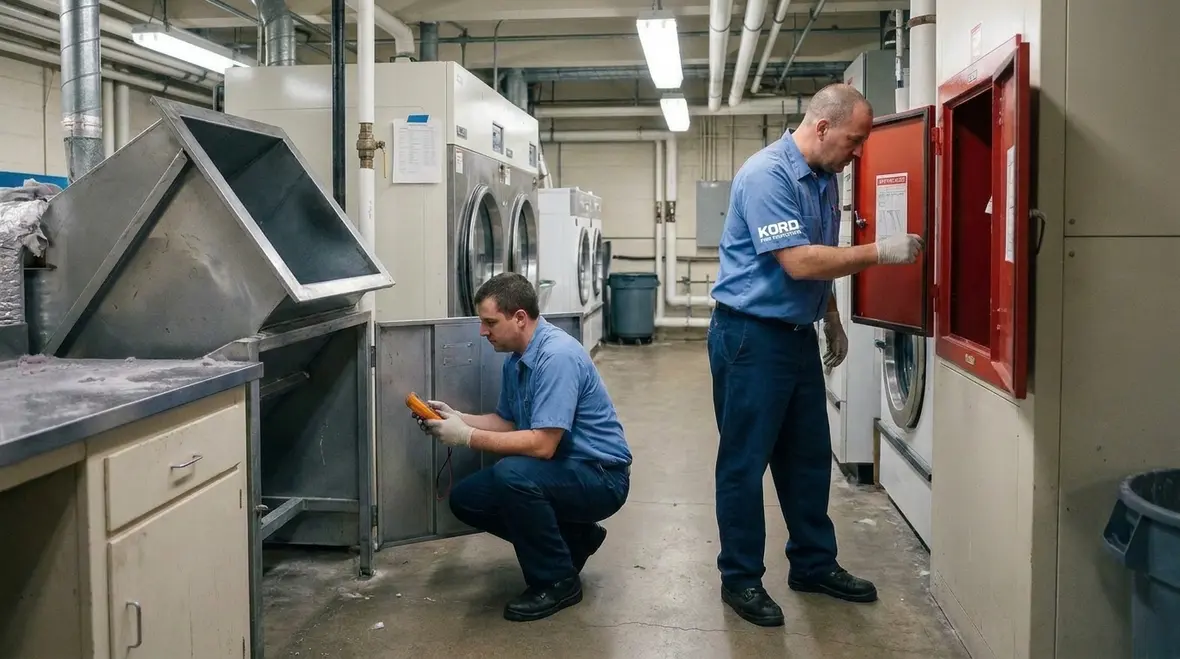
Waste chutes and laundry chutes carry more than rubbish or linen. They can also carry embers, heat, lint, grease, and other ignition sources. As a result, one small fire can travel through the chute and affect multiple floors. In a large site, that is not a scene anyone wants to meet before lunch.
For this reason, waste chute fire safety is not just a technical box to tick. It supports life safety, business continuity, and asset protection. It also helps reduce downtime, repair costs, and interruption to daily work. In retail and industrial settings, that can mean the difference between a normal day and a very expensive headache with sirens.
Common trouble spots managers should not ignore
- Damaged or poorly closing intake doors
- Excess lint, paper, grease, or mixed waste buildup
- Blocked discharge rooms and poor housekeeping
- Improper disposal of hot materials or prohibited items
- Deferred servicing that turns a small defect into a large argument with reality
How Incinerators Fit Into the Fire Code
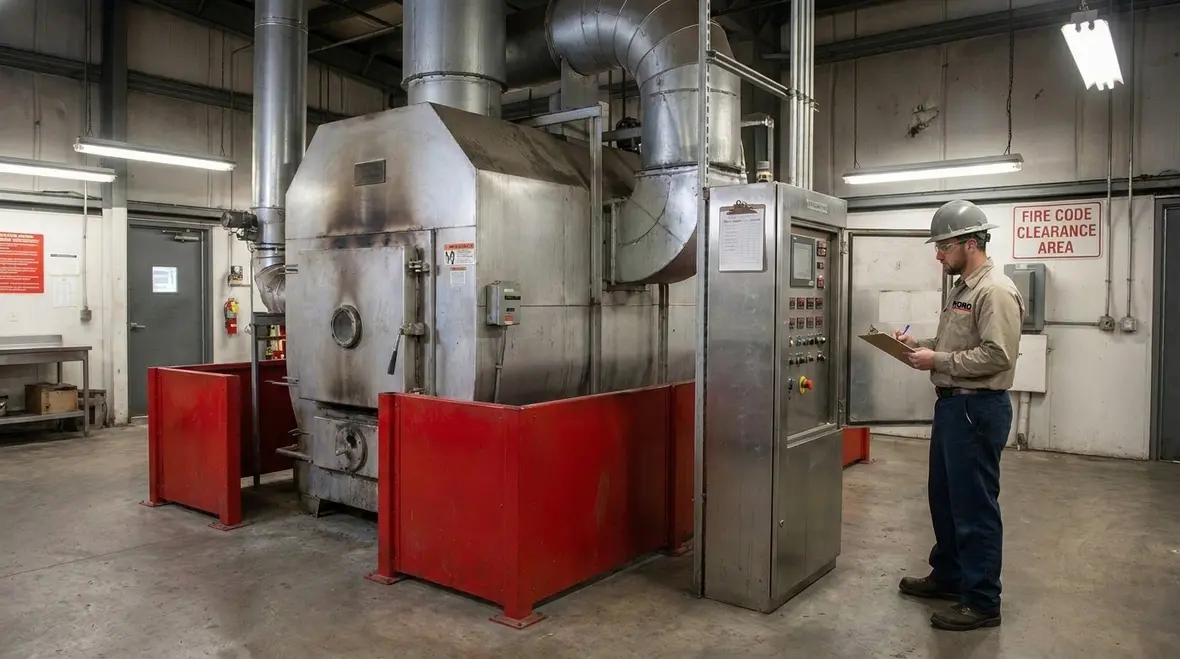
Incinerators need careful control because they deal with direct heat and combustible material. The incinerator fire code NFPA requirements focus on safe operation, proper clearances, good construction, and the right fire protection systems. Therefore, any facility using an incinerator must keep an eye on fuel loads, exhaust paths, and cleaning needs.
Even where an incinerator is used only from time to time, risk still remains. Ash can hold heat longer than many people think, and poor handling can lead to flare ups. Meanwhile, blocked vents or damaged components can make the system less safe over time. So, regular checks matter just as much as the original install.
Incinerator safety is about operation, not just equipment
A compliant incinerator setup is not just a machine sitting in a room with everyone pretending it is self-managing. Operators need clear procedures for loading, cooldown, ash handling, and response to irregular heat, smoke, or mechanical issues. If those steps are vague, skipped, or left to tribal knowledge, risk tends to grow quietly until it chooses a dramatic moment to introduce itself.
Key Compliance Points Facilities Should Know
NFPA 1 Section 11.6 does not just ask for a unit to exist. It expects a managed system. That means owners and operators should look at how the chute or incinerator was built, how it is used, and how it is maintained.
A simple view of the main areas
Fire Safety Area
Construction and enclosure
Fire rated doors and closures
Regular cleaning and servicing
Inspection and testing
Safe operating procedures
What It Means for the Site
Limits fire spread through vertical openings
Helps contain fire and smoke at access points
Reduces buildup that can fuel ignition
Confirms systems still work as designed
Cuts human error, which remains a classic troublemaker
In addition, facilities should keep records of inspections, repairs, and testing. Those records help during audits, and they also show a clear effort to manage risk. That matters, especially in sites where many people share the same waste system.
It also helps to review the surrounding conditions, not just the chute itself. Is the room clean. Are access points unobstructed. Are staff using the system correctly. Are defects logged and closed out promptly. Compliance gets much easier when the answers to those questions are calm and boring instead of exciting and expensive.
How Kord Fire Protection Supports Compliance
This is where Kord Fire Protection becomes a vital partner. For commercial and industrial sites, fire safety work around chutes and incinerators demands more than a quick look and a nod of confidence. It calls for practical service, code awareness, and regular follow through.
Kord Fire Protection can support sites with inspection, maintenance, fire system checks, and compliance focused servicing. As a result, facility teams can better manage laundry chute fire protection and other chute related fire risks without losing time on guesswork. Kord also helps identify weak points early, which is useful because fire problems do not usually send a calendar invite.
Moreover, Kord can work with building teams, asset managers, and contractors to keep safety systems aligned with site needs and code expectations. That makes them more than a service provider. They become a steady hand in a job where small oversights can grow fast.
If you want broader code context around prevention strategy, it also makes sense to review NFPA 1: A Comprehensive Guide to Fire Prevention and Safety. That article pairs well with chute and incinerator planning because it helps frame how these specific hazards sit inside a larger compliance picture instead of acting like an isolated side quest.
What Facility Managers Should Check First
When reviewing chute or incinerator safety, managers should start with the basics. First, they should confirm that the system has the right fire rated parts and closures. Next, they should check for signs of wear, damage, or blockage. Then, they should confirm that cleaning and testing happen on schedule.
They should also train staff on safe use. Even the best system can struggle if people throw the wrong material into it or ignore warning signs. Therefore, clear rules and simple reporting steps help keep the whole setup safe. A well trained team will not fix every risk, but it will stop many of the predictable ones.
A practical first pass checklist
- Check intake and discharge doors for damage, gaps, and reliable closing
- Look for visible buildup, obstruction, residue, or poor housekeeping
- Review inspection and maintenance records for missed intervals
- Confirm staff know what can and cannot enter the chute or incinerator
- Escalate defects early before they turn into smoke, downtime, and awkward meetings

FAQ
Keep the System Safe and the Site Moving
NFPA 1 Section 11.6 gives facilities a practical path to safer chute and incinerator systems. With the right checks, cleaning, and fire protection support, owners can reduce risk and protect people, property, and operations.
For sites that want steady help with waste chute fire safety and related compliance work, Kord Fire Protection can step in as a trusted partner and help keep everything on track. That way, the system does its job quietly, and the facility team gets to spend less time worrying about whether a humble chute is plotting something dramatic.

Join Our Newsletter!
Get the latest fire safety tips delivered straight to your inbox From our Newsletter.