NFPA 1 Section 10.3 Occupancy Fire Safety Requirements
Quick Answer
NFPA 1 Section 10.3 sets the fire safety baseline for building use, occupancy control, and safe operation. It helps industrial, retail, and commercial sites reduce risk, protect people, and stay inspection ready. With the right partner, such as Kord Fire Protection, businesses can turn complex compliance into a smooth, practical safety plan.
If that sounds like the kind of support your facility needs, Kord Fire’s full fire protection services bring sprinklers, alarms, extinguishers, suppression systems, and ongoing maintenance under one roof for commercial and industrial properties. That makes it much easier to keep occupancy related fire protection aligned with the way your building actually operates.
NFPA 1 Section 10.3 matters because it shapes occupancy fire safety rules, NFPA occupancy fire protection, and building use fire requirements for sites that serve workers, customers, and the public. Whether you run a warehouse, office, retail floor, plant room, or mixed use facility, the core idea stays the same. The fire protection strategy has to fit the occupancy. The goal is simple. Keep people safe, keep operations moving, and keep surprises out of the fire report. Nobody enjoys a surprise visit from a fire inspector, except perhaps the paperwork.
What NFPA 1 Section 10.3 Means for Building Use
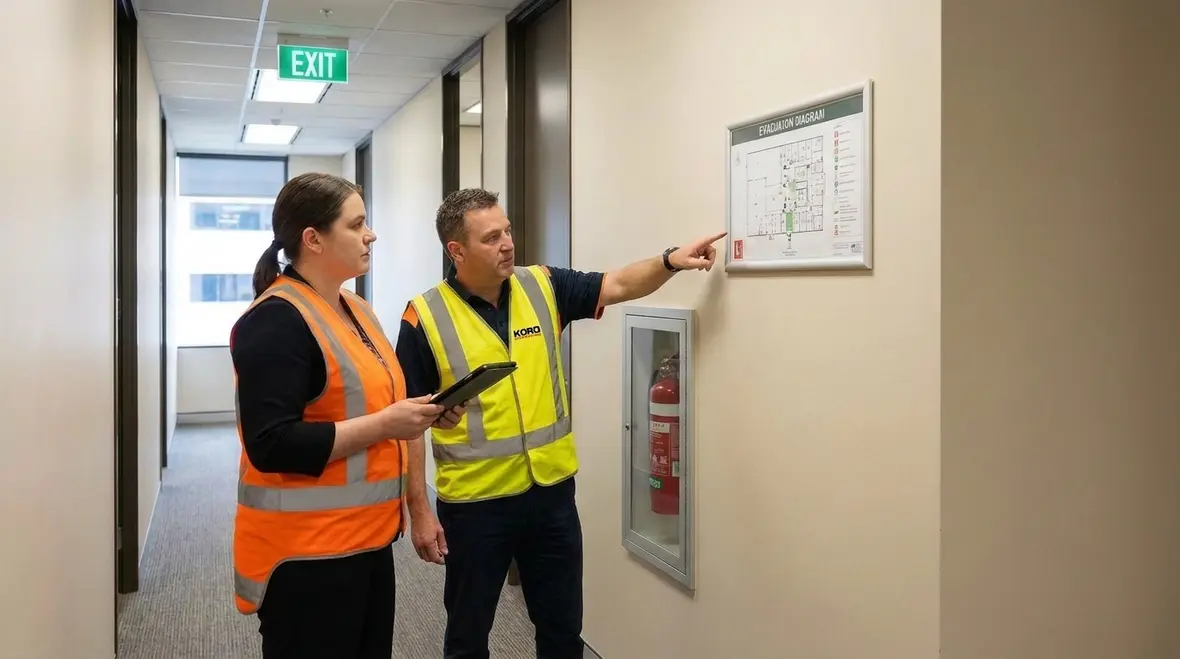
Section 10.3 focuses on how a property is used and what fire safety controls must match that use. In plain terms, the rule says the building’s fire protection should fit the way people actually use the space. A retail floor has different risks than a warehouse aisle. A loading dock brings a different set of hazards than a clean office level. Because of that, the fire plan must follow the occupancy, not guess at it.
This section supports safer operations by linking hazards to the right safeguards. For example, high traffic areas need clear exits, strong access control, and ready fire equipment. Storage areas may need stricter separation, better detection, and better housekeeping. Therefore, Section 10.3 helps owners avoid the classic trap of using a one size fits all fire plan. That approach is about as useful as a chocolate teapot.
Why Occupancy Based Planning Works Better
Occupancy based planning works because it reflects the building people are actually walking through each day, not the version of the site that existed years ago on a dusty set of plans. Spaces evolve. Inventory changes. Staff numbers rise and fall. Temporary storage becomes permanent storage with suspicious speed. Maintenance areas collect extra materials. Public access routes get busier. When those shifts happen, fire risk shifts too.
A better approach is to look at each area by use, fuel load, movement, ignition sources, and evacuation needs. From there, managers can decide whether alarms, sprinklers, extinguishers, signage, compartmentation, and staff procedures still make sense. It is not glamorous work, but neither is explaining to an inspector why pallets now live where an access path used to be.
Why Occupancy Fire Safety Rules Matter
Across industrial and commercial sites, fire risks vary widely based on stock, machinery, electrical systems, hot work, and public access. As a result, occupancy fire safety rules matter because they align the protection plan with how the site works every day. When the occupancy changes, the risk changes too. A building that starts as light storage can quickly become a different fire problem once shelving, packing, machinery, or customer access expands.
In practice, these rules help teams identify the right fire hazards for each area, match equipment and alarm systems to the real risk, keep exits, paths, and access routes clear, support safe evacuation and fast response, and reduce delays during inspections and audits.
In short, the better the match between use and protection, the stronger the safety outcome. That is the heart of good fire management. And yes, it is far more satisfying than chasing compliance issues on a Friday afternoon.
This is also where internal coordination matters. Operations teams, maintenance staff, safety managers, and outside fire protection specialists all see different pieces of the same picture. If they compare notes regularly, small risks get caught early. If they do not, the site slowly develops blind spots. Fire safety problems rarely arrive wearing a name tag and announcing themselves.

NFPA Occupancy Fire Protection for Industrial and Commercial Sites
NFPA occupancy fire protection is not just about having equipment on the wall. It covers the full picture. That includes detection, alarms, suppression, exit planning, staff action, and ongoing upkeep. In busy facilities, this matters even more because risk changes fast. One day it is normal operations. The next day it is a delivery surge, maintenance work, or a temporary storage change that shifts the fire load.
For industrial and commercial facilities, a strong fire protection program should include regular checks on extinguishers, hydrants, sprinklers, and alarms, clear plans for storage heights and aisle access, safe use of electrical and heat producing equipment, training so staff know what to do, not just what sign to ignore, and routine review when the site layout changes.
These steps help reduce fire spread and improve response time. They also keep the site in line with the intent of NFPA 1 Section 10.3, which is to make protection fit the occupancy and the actual risk. In other words, the fire system should not live in the past while the building keeps changing shape.
Common Risk Triggers That Deserve a Fresh Review
- New storage layouts or taller racking that change fire load and sprinkler performance expectations
- Renovations that alter travel paths, exits, or access to fire protection equipment
- Production changes that introduce heat, dust, chemicals, or new ignition sources
- Seasonal stock surges that push materials into aisles, corners, or electrical areas
- Changes in public access, staffing levels, or tenancy within a shared commercial site
When any of those appear, a quick review can save a great deal of grief later. Fire protection is much happier when it is updated before the building starts freelancing.
For broader context on how prevention and compliance tie together, it also helps to review NFPA 1: A Comprehensive Guide to Fire Prevention and Safety. It connects the larger code framework to day to day fire safety decisions, which makes Section 10.3 easier to understand in the real world.
How Building Use Fire Requirements Shape Daily Operations
Building use fire requirements affect more than emergency drills. They shape everyday choices. They influence where stock can sit, how doors stay open or closed, how equipment gets serviced, and how staff move through the site. Therefore, good compliance is not a once a year event. It is part of daily operations.
Operational Area
- Storage and racking control
- Clear exit paths
- Equipment access
- Hot work planning
Fire Safety Impact
- Reduces fire load and spread
- Supports quick evacuation
- Keeps equipment usable in an emergency
- Lowers ignition risk during maintenance
When managers build fire safety into routine work, they lower risk without slowing the business down. That is the sweet spot. Safety does not need to act like a full time drama queen.
It also improves consistency. Staff are less likely to block exits, misuse storage areas, prop open doors, or ignore equipment access zones when expectations are tied to the workflow instead of treated as separate from it. The best fire safety habits feel normal, repeatable, and hard to mess up.
Where Kord Fire Protection Becomes a Vital Partner
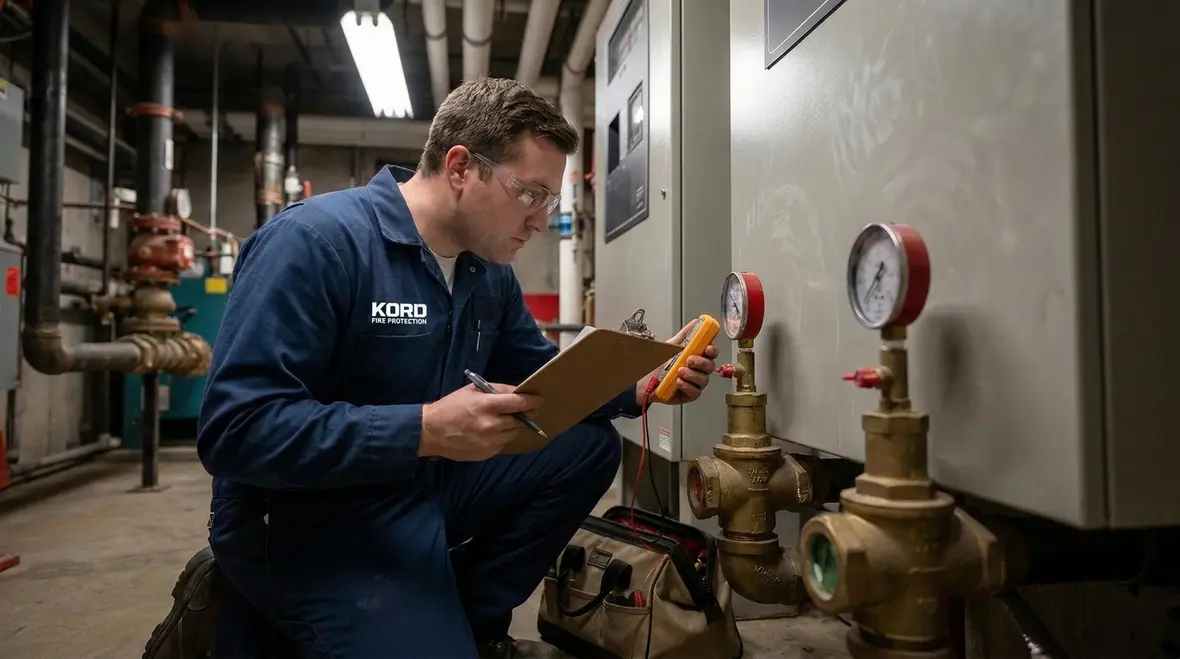
Kord Fire Protection can become a vital partner because compliance works best when it has expert support. For sites across industrial, retail, and commercial sectors, Kord Fire Protection can help interpret fire safety needs, plan practical upgrades, and maintain systems so they stay ready. That support matters when a facility must balance production, customer flow, staff safety, and inspection demands all at once.
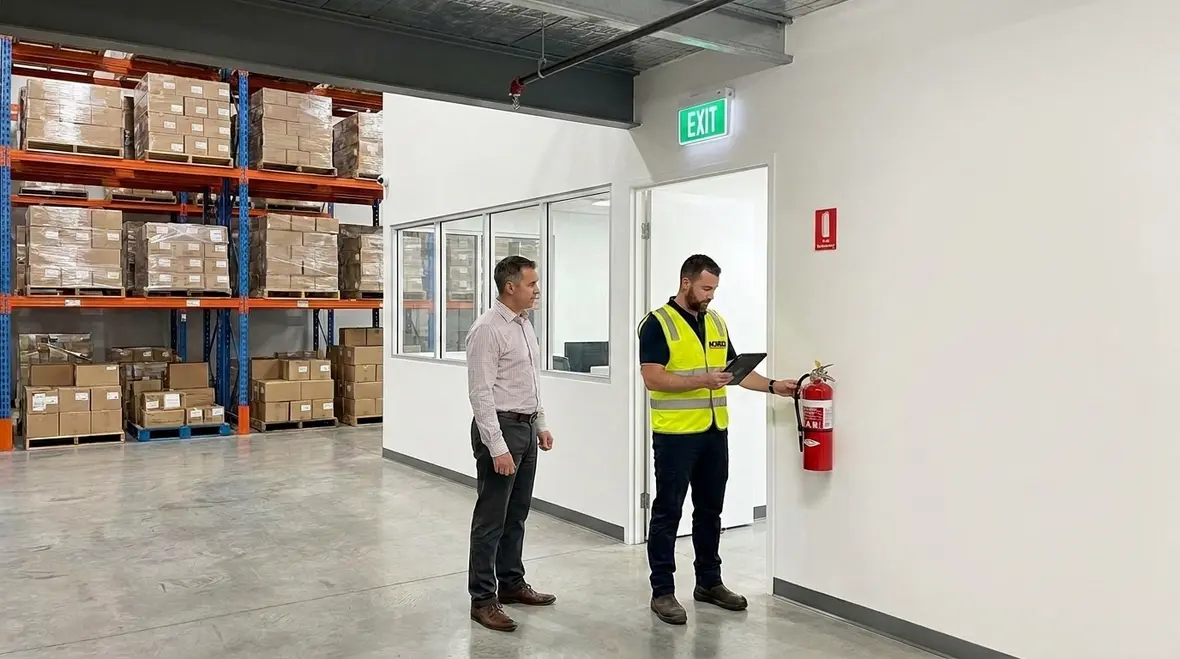
A strong partner like Kord Fire Protection can assist with fire system inspection and maintenance, site reviews tied to occupancy fire safety rules, support for alarms, sprinklers, extinguishers, and emergency gear, practical guidance for layout changes and building use fire requirements, and ongoing service that reduces gaps before they turn into problems.
Most importantly, a reliable fire partner helps businesses avoid last minute fixes. That means fewer headaches, fewer interruptions, and better confidence when compliance checks arrive. Kord Fire Protection helps turn fire safety from a burden into a managed system. That is the kind of help that earns its keep.
Why Ongoing Support Beats Last Minute Scrambling
Waiting until an inspection date is looming usually leads to rushed decisions, messy paperwork, and expensive fixes that feel completely avoidable because, frankly, they often are. Ongoing inspections, preventive maintenance, and practical reviews create a calmer rhythm. Issues get spotted earlier. Budgets become easier to plan. Site managers spend less time putting out metaphorical fires while trying to prevent literal ones.
What Facilities Should Check First
Facility leaders should begin with the basics, then move deeper. First, they should confirm the current occupancy and how the space is used. Next, they should review the fire protection systems already in place. Then, they should compare those systems to the current hazard level. Finally, they should train staff and maintain records so the plan stays alive, not dusty and forgotten in a cabinet like a neglected office plant.
- Has the building use changed since the last review?
- Are exit routes clear and easy to use?
- Do staff know the emergency steps?
- Are all fire systems tested and serviced on time?
- Do storage and operations match the approved use?
Those questions sound basic because they are basic, but basics are where most fire safety programs either stay healthy or quietly fall apart. A site does not usually drift out of alignment in one dramatic leap. It happens in small convenient decisions that pile up until someone finally notices the pile.
FAQ
Conclusion
NFPA 1 Section 10.3 gives facilities a clear path to safer occupancy control and better risk management. The main lesson is refreshingly practical: fire protection has to match the way a building is truly being used, not the way everyone hopes it is being used. When occupancy, storage, traffic, or operations shift, the safety plan needs to keep up.
For industrial, retail, and commercial sites, that means less guesswork and more confidence. Kord Fire Protection can help keep that plan strong, current, and ready through coordinated service and practical support. For businesses that want less risk and more confidence, expert support is the smart next step.

Join Our Newsletter!
Get the latest fire safety tips delivered straight to your inbox From our Newsletter.