NFPA 1 Section 10.10 Open Flame, Candle and Incinerator Rules
Quick Answer: NFPA 1 Section 10.10 sets clear rules for open flames, candles, and incinerators to reduce fire risk in commercial and industrial spaces. Similar controls help facilities manage ignition sources, protect staff, and stay ready for audits. Kord Fire Protection can support this work with practical compliance help, fire safety planning, and site based service.
NFPA 1 Section 10.10 matters because open flames do not care about bad timing. A candle in a lobby, a heat source near stored goods, or an incinerator that runs outside its safe limits can all turn a normal workday into a very expensive lesson. For industrial, retail, and commercial sites, open flame fire code restrictions, candles fire safety regulations, and incinerator fire code requirements help reduce that risk before it spreads.
This section of fire code focuses on control, separation, approval, and safe operation. That sounds simple. Of course, the real world enjoys making simple things complicated. That is where a skilled fire protection partner like full fire protection services from Kord Fire Protection become valuable near the top of the process, especially when facilities need one team to connect inspections, maintenance, planning, and practical site follow through. Businesses that want stronger preparedness can also review Kord’s guidance on building fire safety emergency planning for commercial facilities to tie policy to real staff action. They can help businesses turn code language into practical site actions that staff can actually follow.
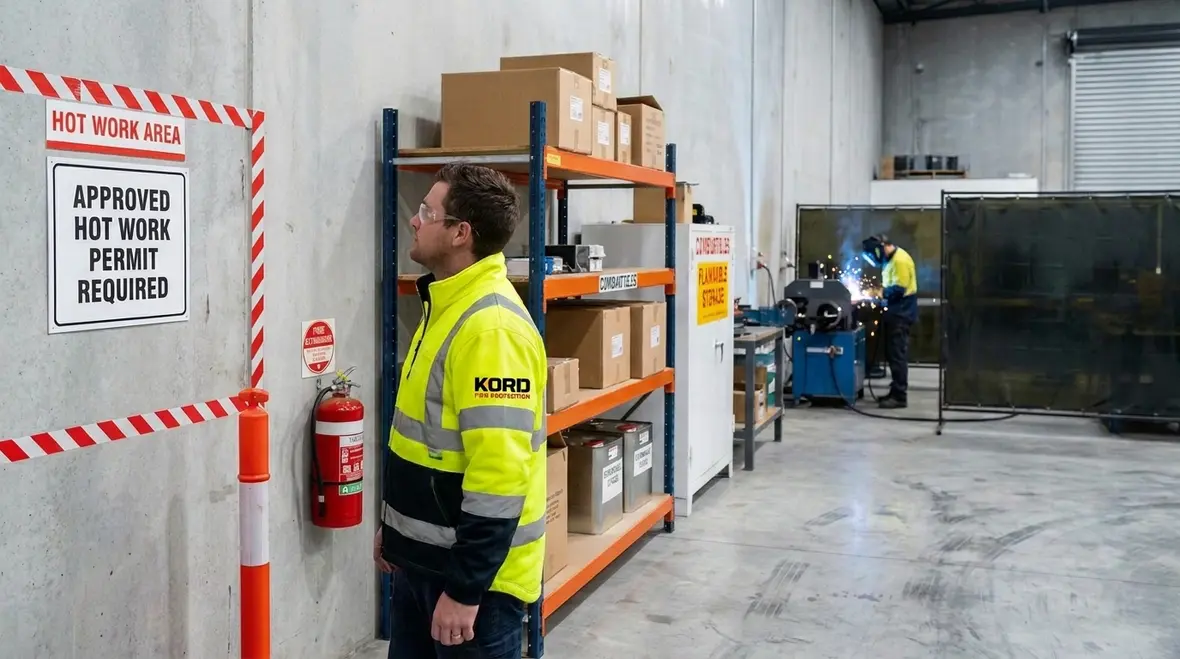
What NFPA 1 Section 10.10 Covers
NFPA 1 Section 10.10 deals with open flames, candles, and related heat sources in occupied buildings and work sites. It aims to stop fire from starting in areas where people, stock, plant equipment, or public traffic may be at risk. The rule asks a basic question: is the flame needed, controlled, and safe?
In practice, the section looks at where open flames can be used, who approves them, and what protection must be in place. It also addresses candles used for display, events, or ambience, along with incinerators that handle waste or process material. For many facilities, this becomes a daily control issue rather than a once a year policy exercise. That is part of why a broader fire program matters. If a site treats open flame control as a one page memo and nothing more, the code may exist, but the risk still gets a front row seat.
Why this section gets attention during inspections
Inspectors and facility leaders care about this section because ignition sources are small, common, and easy to underestimate. A candle on a reception counter can seem harmless. A temporary flame used for a process task can feel routine. An incinerator can become part of the background noise of operations. Yet each of those can bypass all the comforting paperwork if people stop paying attention. Fire code tries to interrupt that pattern before smoke, panic, and repair invoices start showing off.

How Open Flames Are Controlled in Commercial Sites
Open flame fire code restrictions focus on stopping flames from being used in unsafe areas. As a result, businesses must look at nearby combustibles, airflow, sprinkler coverage, and escape paths before any flame is lit. A small source of flame can become a big problem very quickly, especially in stock rooms, loading zones, kitchens, and event areas.
Approved use usually depends on risk controls. That may include permits, fire watch plans, extinguishers nearby, and removal of fuel sources. In addition, management should document where flames are allowed and who can approve them. A clear process keeps the team from improvising, and improvisation is great for jazz, not so much for fire safety.
What a practical approval process looks like
A workable approval process is not fancy. It is consistent. Someone requests the use of a flame, the area gets checked, combustibles are cleared, the right equipment is nearby, and a responsible person signs off. Staff then know whether the activity is allowed, under what conditions, and for how long. That sequence removes guesswork, and guesswork has an uncanny talent for showing up right before an incident report is written.
The stronger sites also build these checks into daily operations instead of waiting for a special event or annual audit. When procedures sit close to the work, they are more likely to be followed by supervisors, contractors, and frontline staff who need fast decisions and clear boundaries.
Candles Fire Safety Regulations in Business Settings
Candles fire safety regulations often apply in venues that want a certain mood, such as hotels, clubs, retail displays, hospitality spaces, and event areas. Even when the flame looks small and polite, it still creates heat, smoke, wax spill, and ignition risk. Therefore, candles need clear rules on placement, supervision, holders, and distance from soft furnishings, paper, and decorations.
Businesses should avoid placing candles where they can be bumped, tipped, or hidden from view. They should also keep them away from exit paths and high traffic zones. If a candle is part of a display, staff need a simple checklist so the setup stays safe during trading hours. After all, no one wants a decorative moment to become the main attraction for the fire brigade.
Common candle mistakes that create unnecessary risk
The trouble with candles is rarely the idea itself. It is the casual setup. Staff place them too close to menus, signage, drapes, packaging, or decorations. Holders are unstable. Supervision fades as the shift gets busy. Someone moves the display and forgets the clearance around the flame changed with it. A site does not need dramatic failure for a candle to become dangerous. It only needs one distracted moment and one flammable item in the wrong place.
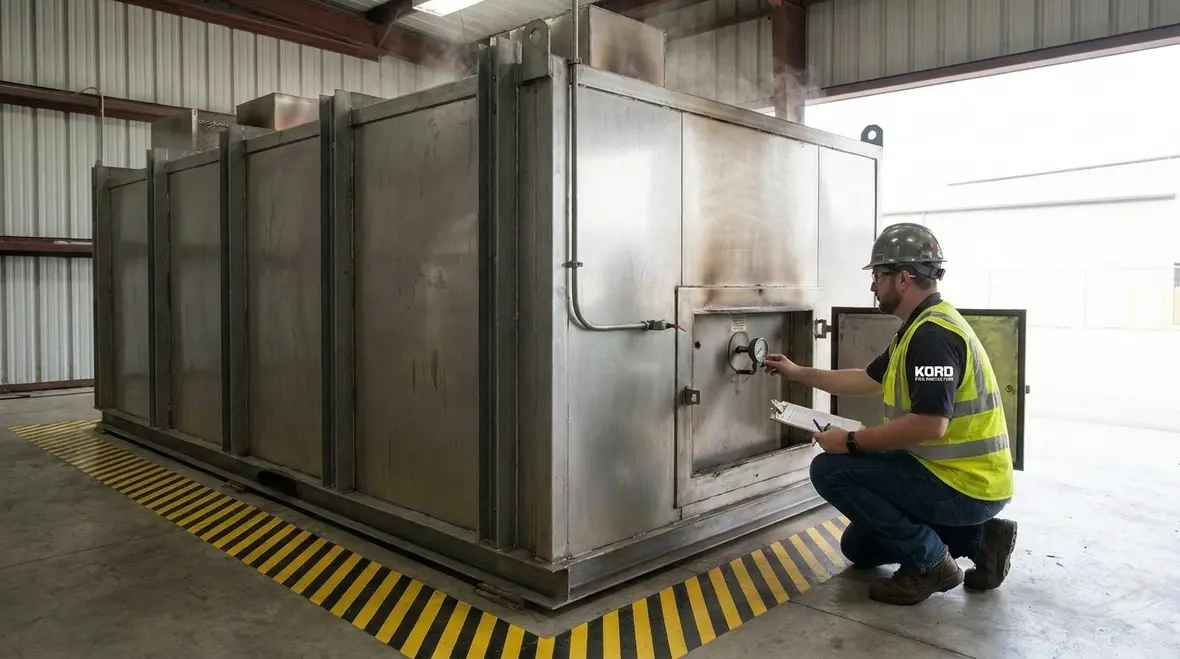
Incinerator Fire Code Requirements for Safe Operation
Incinerator fire code requirements focus on how waste burning systems are installed, used, and maintained. Incinerators can create serious heat, spark, and residue risk if operators ignore loading limits, airflow, cleaning, or maintenance needs. Because of that, sites should treat them as controlled fire equipment, not as a handy place to make rubbish disappear like a villain in a spy film.
Good practice includes checking approved location, ensuring separation from combustibles, maintaining safe discharge paths, and reviewing shutdown procedures. Operators should also confirm that ash handling and waste storage do not add fuel to the area. Regular checks reduce breakdowns, smoke issues, and the chance of fire moving beyond the unit.
Why operators need repeatable routines
Incinerator safety works best when every shift follows the same routine. Pre use checks, loading limits, cleaning intervals, and shutdown steps need to be simple enough to repeat and strict enough to matter. When a unit runs hot, dirty, or overloaded, the equipment may still operate right up until it absolutely should not. That is not the kind of suspense any site needs.
What Kord Fire Protection Can Do for Compliance
Kord Fire Protection can become a vital partner because fire code only works when it reaches the floor, the shop, the plant, and the people using the space. Their support can help facilities understand the rules, document site risks, and apply controls that suit the real layout of the building.
They may assist with fire safety planning, equipment checks, staff guidance, and service programs that support ongoing compliance. In addition, they can help businesses review open flame use, candle placement, and incinerator controls before an audit or incident forces the issue. That kind of help saves time, reduces confusion, and keeps operations moving.
| Compliance Area | Practical Site Action |
| Open flames | Set approval rules, isolate combustibles, and assign fire watch where needed |
| Candles | Use stable holders, supervise use, and keep them clear of stock and decor |
| Incinerators | Inspect loading, cleaning, separation, and shutdown steps on a set schedule |
| Site planning | Document controls and train staff so the rules are easy to follow |
Common Problems Facilities Should Watch For
Many sites slip when they treat fire controls as paperwork only. A permit may exist, yet no one checks the area before ignition. A candle policy may sit in a manual, yet staff still use candles near paper displays. An incinerator may run on schedule, yet no one reviews buildup, access, or local heat effects.
Another common problem is training drift. Staff change, but the rules stay the same on paper. So, the business needs refreshers, spot checks, and a clear escalation path when something does not look right. That keeps the system alive rather than decorative. Safety systems should work in the real world, not just in a filing cabinet.
Small lapses that grow into big headaches
Facilities usually do not fail all at once. They drift. Temporary storage ends up too close to heat. A once approved practice becomes normal everywhere. Supervisors assume someone else checked the area. Staff copy yesterday’s shortcut because nothing bad happened then. Fire safety has a cruel sense of timing, because the day a shortcut finally matters is usually the day everyone wishes the boring rule had stayed boring and fully enforced.
FAQ
Why This Matters for Facilities
Industrial plants, retail sites, warehouses, and commercial buildings face the same basic truth: if a flame can start a fire, it can also start a chain of damage, downtime, and legal trouble. Strong fire controls protect stock, people, equipment, and reputation. More importantly, they help teams work with confidence instead of guesswork. Teams that want a broader code foundation can also review NFPA 1: A Comprehensive Guide to Fire Prevention and Safety to understand how this section fits within a larger prevention strategy.
Why the details matter day to day
The real value of these rules shows up in ordinary moments. A cleaner work area, a better approval path, a supervised display, a properly managed waste system, and a team that knows when to say no all reduce the odds of a preventable fire. None of that feels glamorous, but neither does explaining to management why a tiny flame created a very large operational problem.
Conclusion
Facilities that manage open flames, candles, and incinerators need clear controls and steady support. Kord Fire Protection can help turn NFPA 1 Section 10.10 into practical site action that fits real operations. For businesses that want fewer surprises and stronger fire safety, now is the time to review the system and get expert support.

Join Our Newsletter!
Get the latest fire safety tips delivered straight to your inbox From our Newsletter.