NFPA 1 Section 10.10 Open Flame Candles Incinerators
Quick Answer: NFPA 1 Section 10.10 sets the rules for open flames, candles, and incinerators so facilities can reduce fire risk, protect workers, and stay compliant. For industrial, retail, and commercial sites across Australia, these controls support safer operations, better inspections, and fewer costly surprises. Kord Fire Protection can help turn those rules into a practical, site ready fire safety plan.
NFPA 1 Section 10.10 covers open flame fire code restrictions, candles fire safety regulations, and incinerator fire code requirements in a way that matters to busy sites where safety and uptime must live in the same room. In short, the code sets clear limits on when flames may be used, where they can go, and what safeguards must be in place. For industrial plants, retail spaces, warehouses, and commercial facilities across Australia, that is not just paperwork. It is risk control with teeth.
For facilities that need broader support beyond policy alone, full fire protection services can help tie code compliance, inspections, system readiness, and practical site planning together in one place.
And yes, fire does not care about convenience. It also does not care that someone “only left the candle burning for a minute.” That is how trouble walks in with a smile.
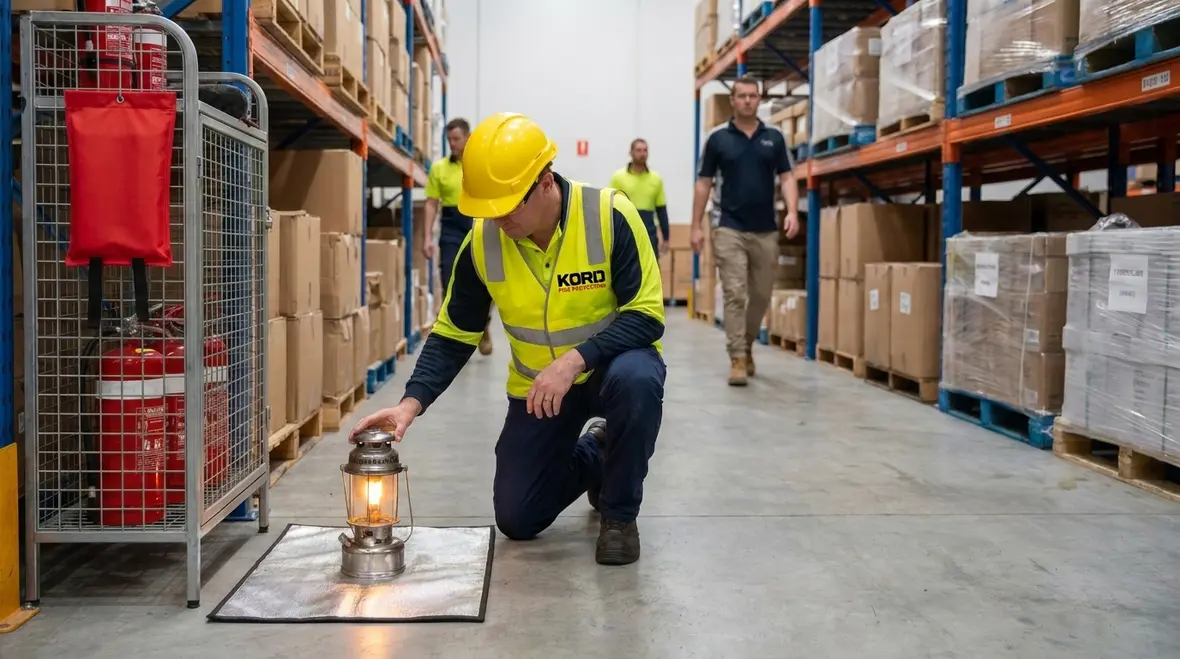
What NFPA 1 Section 10.10 Means for Facilities
This section gives a simple message: if a flame can start a fire, then the site must control it. That includes candles used for display or atmosphere, torches or other open flame devices, and incinerators used for waste handling. The rule focuses on prevention, separation, supervision, and safe operation. Therefore, facilities must look at both the flame source and the setting around it.
For a commercial site, that means managers should check what burns nearby, who controls the flame, how the area is protected, and how fast staff can respond if something goes wrong. In practice, compliance is not about saying “no” to every flame. Instead, it is about proving the site can use one safely.
Why This Section Matters More Than It Looks
A lot of sites treat open flame controls like a tiny housekeeping issue until an inspection, near miss, or actual incident proves otherwise. The problem is that small flames often show up in very normal places: a decorative display, a waste process, a maintenance task, or a temporary event setup. Because they look familiar, people stop seeing the risk. That is usually when the code starts clearing its throat.
How Open Flame Fire Code Restrictions Apply on Site
Open flames create a fast path to ignition. Because of that, NFPA 1 Section 10.10 expects strong controls before any flame is approved. Facilities should review storage areas, ceiling height, ventilation, nearby combustibles, and foot traffic. In addition, they should confirm that the flame source sits in a stable and protected location.
Common issues show up in loading areas, maintenance rooms, event spaces, and production zones. A flame near cardboard, packaging, dust, fuel vapors, or cleaning chemicals can turn a normal shift into a very bad headline. Even a small flame can spread fast when the site layout works against it. So, a solid site review matters more than wishful thinking and a good luck charm.
Dual View of Flame Risk and Control
- Risk side: ignition from nearby combustibles, poor supervision, unsafe placement, and weak housekeeping
- Control side: permits, staff training, protected locations, clear distance rules, and emergency readiness
This is where site leaders earn their keep. They need to ask the annoying but important questions before a flame is ever lit. Is the area clean enough? Is the device secured? Is someone actually watching it, not half watching it while answering emails? Are extinguishing tools nearby and usable? If the answer to any of those is shaky, the setup is already trying to tell you something.
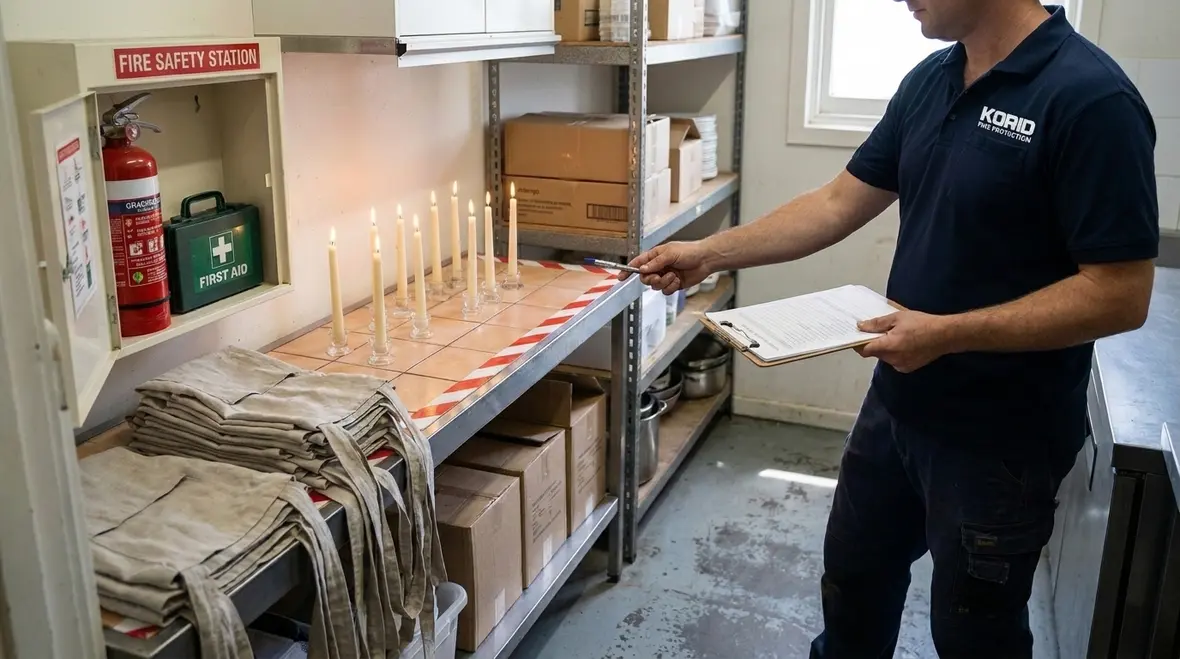
Candles Fire Safety Regulations in Commercial Spaces
Candles may seem harmless, but they still count as open flames. That matters in retail displays, hospitality areas, event setups, and promotional spaces. Under NFPA 1 Section 10.10, candles need careful control, especially where the public moves through the space. The site should treat each candle like a small ignition source with a big attitude.
Facilities should avoid placing candles near fabrics, paper products, exit paths, drapes, shelving, or display stock. They should also make sure the candle sits in a proper holder and remains under supervision. Where a policy allows candles, management must document the approval process and train staff on what to do if a flame becomes unsafe.
For retail and commercial operators, this is often where a fire safety provider becomes useful. Kord Fire Protection can help assess display layouts, identify hazards, and build practical controls that fit real site conditions instead of paper only compliance. That support can save time, reduce confusion, and keep safety teams from playing detective after the fact.
Common Candle Mistakes That Keep Showing Up
The repeat offenders are usually not dramatic. Candles get tucked too close to merchandise, added to event tables without a second thought, left burning near decorations, or placed in walkways where a passing sleeve, bag, or stack of papers can turn the mood lighting into a reportable incident. Tiny flame, giant confidence. That is the problem.
If your team is already reviewing site wide prevention rules, it also helps to connect this section with NFPA 1: A Comprehensive Guide to Fire Prevention and Safety so staff can see how open flame controls fit within the larger compliance picture.
What Incinerator Fire Code Requirements Demand
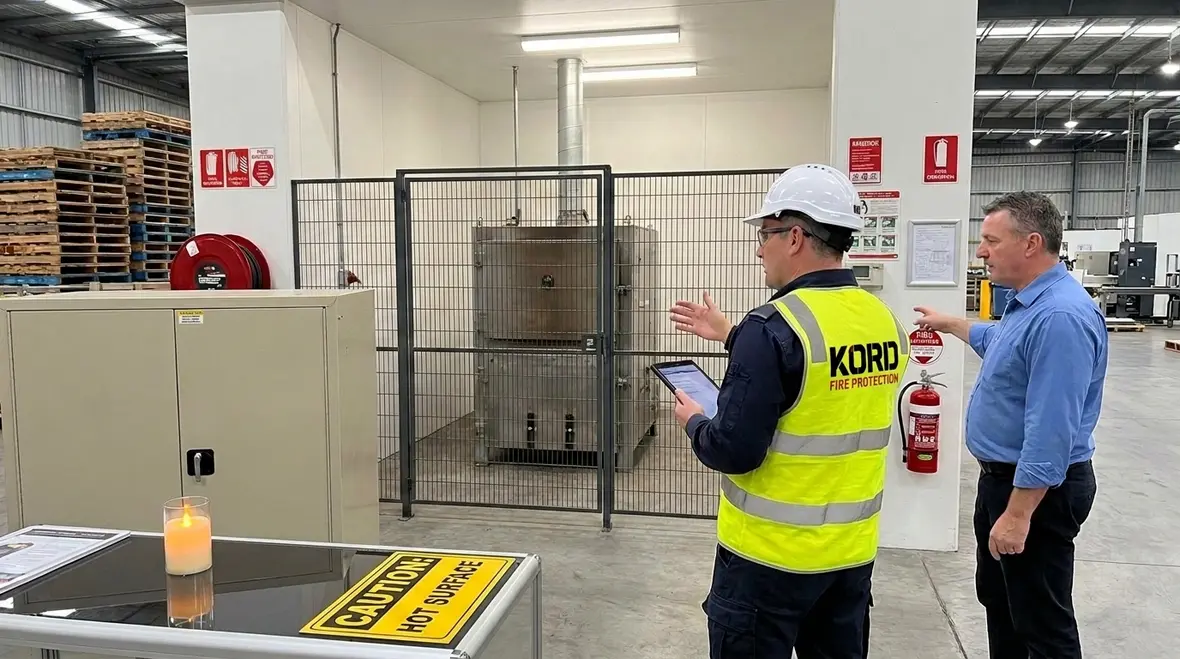
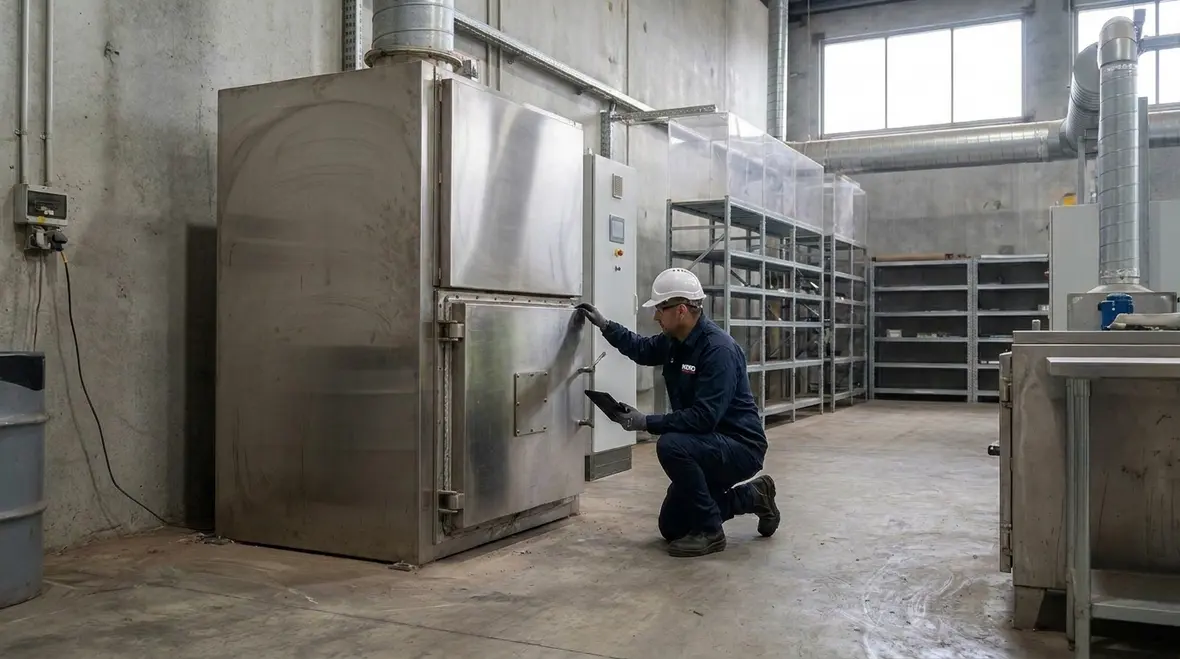
Incinerators add another layer of risk because they generate heat, smoke, and ash. Therefore, NFPA 1 Section 10.10 expects proper siting, operation, and maintenance. A facility should confirm the unit sits in a safe location, away from combustibles and from anything that could catch from heat or sparks. It should also check ventilation, ash handling, and service records.
In industrial and healthcare style environments, incinerators often support waste control, but they can also become trouble if the system runs dirty or staff cut corners. So, the site must inspect doors, seals, fuel sources, controls, and nearby storage. Regular maintenance matters because a neglected incinerator can create smoke, heat buildup, or a fire event faster than anyone wants to explain to leadership.
A Practical Incinerator Checklist Mindset
The smart approach is not just “is it working?” but “is it working safely, consistently, and in the right environment?” Teams should look at clearance from combustibles, evidence of overheating, buildup of ash, condition of doors and seals, control reliability, and whether staff are actually following the operating process. Equipment does not become safe just because it was safe last quarter.
How Kord Fire Protection Supports Compliance
Kord Fire Protection can become a vital partner because compliance works best when it feels usable, not buried under a stack of forms. Their team can help facilities interpret the code, review site conditions, and guide practical steps for safer flame use. That may include fire risk checks, safety planning, system advice, and support during inspections.
For multi site operators, this matters even more. One site may have display candles, another may use heat producing equipment, and another may manage waste with an incinerator. Kord Fire Protection can help bring those moving parts into one clear fire safety approach. That way, the business gets consistency across locations, not a different rule set every time someone opens a new door.
That kind of consistency is valuable during inspections because staff are not scrambling to explain why one location treats flame control like a serious process and another treats it like a suggestion. Good compliance systems remove improvisation. They also tend to reduce those expensive little surprises that management absolutely loves hearing about at the worst possible time.
What Facilities Should Do Next
Facilities should begin with a site review of every flame related activity. After that, they should confirm which uses are allowed, which need controls, and which should stop altogether. Then they should train staff, document approval steps, and inspect the areas on a regular schedule. Finally, they should update the plan whenever the layout, equipment, or use of the site changes.
When the details get messy, which they often do, Kord Fire Protection can step in and help keep the fire safety plan on track. That kind of support turns compliance from a headache into a workable system.
A Sensible Order of Operations
- Identify every open flame, candle, or incinerator use on site
- Review nearby combustibles, ventilation, traffic flow, and supervision
- Approve only the uses that can be managed safely
- Document the rules in a format staff will actually follow
- Train teams, inspect regularly, and update when conditions change
Frequently Asked Questions
Conclusion
NFPA 1 Section 10.10 gives facilities a clear path to safer flame control, smarter site planning, and stronger compliance. For industrial, retail, and commercial operations across Australia, that can make all the difference.
Kord Fire Protection can help turn those requirements into action, so the site stays safe, ready, and far less likely to meet fire in a bad mood.

Join Our Newsletter!
Get the latest fire safety tips delivered straight to your inbox From our Newsletter.