NFPA 1 Section 10.11 Fire Protection Building Markings
Quick Answer: NFPA 1 Section 10.11 sets the rules for fire protection markings on buildings so emergency crews can find key fire systems fast. In practice, this means clear, durable NFPA fire safety signage and emergency responder building markings that guide action during an incident. Kord Fire Protection helps facilities plan, install, and maintain these markings with confidence.
When a fire starts, every second matters. Clear fire protection building markings help crews move fast, find critical equipment, and avoid costly delays. For industrial, retail, and commercial sites across Australia, NFPA fire safety signage and emergency responder building markings are not just nice to have. They support safer response, smoother inspections, and better control when the pressure rises. In other words, they help the right people reach the right place before chaos gets too friendly.
Near the top of that priority list is making sure building markings work hand in hand with the broader fire protection setup. That is why many facilities pair signage updates with broader fire pump testing requirements and system readiness planning, especially when site teams want the equipment room, control valves, and fire department connections to make sense as one coordinated picture.
What NFPA 1 Section 10.11 Means for Buildings
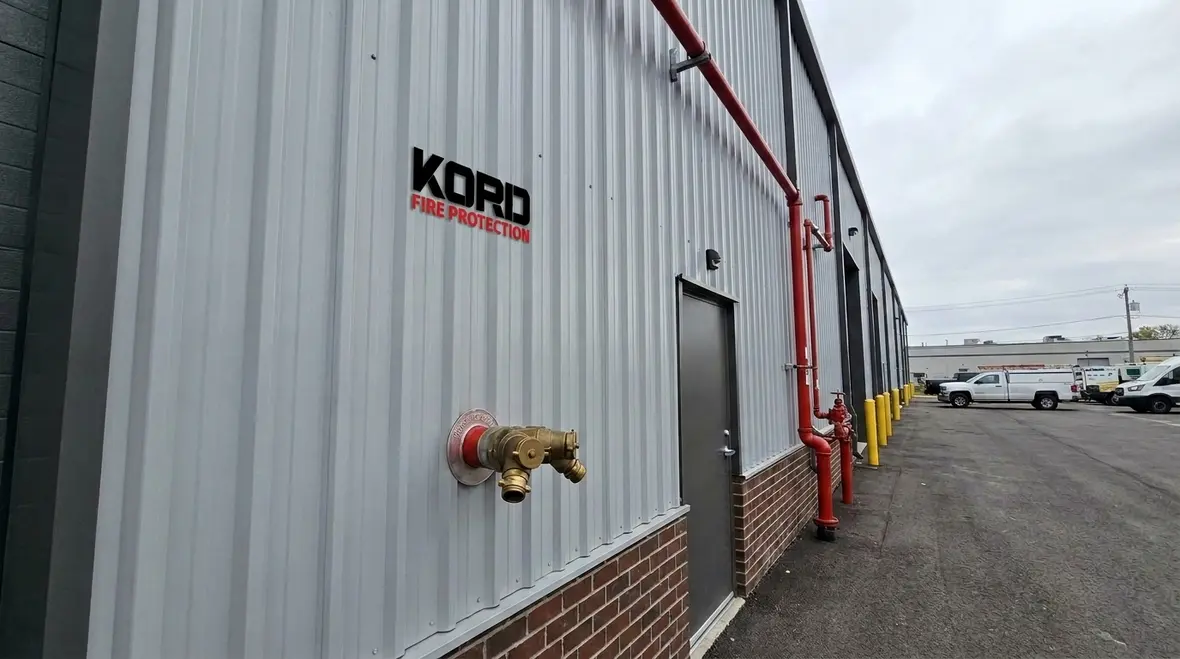
NFPA 1 Section 10.11 focuses on clear marking around fire protection systems and related features on buildings. The goal is simple. Fire crews should not have to play detective during an emergency. They need instant visual cues for fire pump rooms, sprinkler controls, fire department connections, risers, shutoffs, and other critical points.
For busy sites, this rule supports fast action and better coordination. It also helps reduce confusion when multiple buildings, levels, or tenants share one property. As a result, the site becomes easier to manage during both inspections and emergencies.
That practical side is what makes this section more than a code line on a checklist. It is a way of turning a building into something responders can read quickly. If a connection point is hidden, poorly labeled, or lost in a sea of visual clutter, the system may exist on paper while becoming far less useful in the real world. Clear markings close that gap.
The Core Idea Behind the Rule
At its heart, the section is about visibility and certainty. Responders arriving on site should be able to locate vital system components without guesswork, radio ping pong, or a scenic tour of the perimeter. When markings are designed well, they create order before the first hose is even deployed.
How Fire Protection Building Markings Support Emergency Response
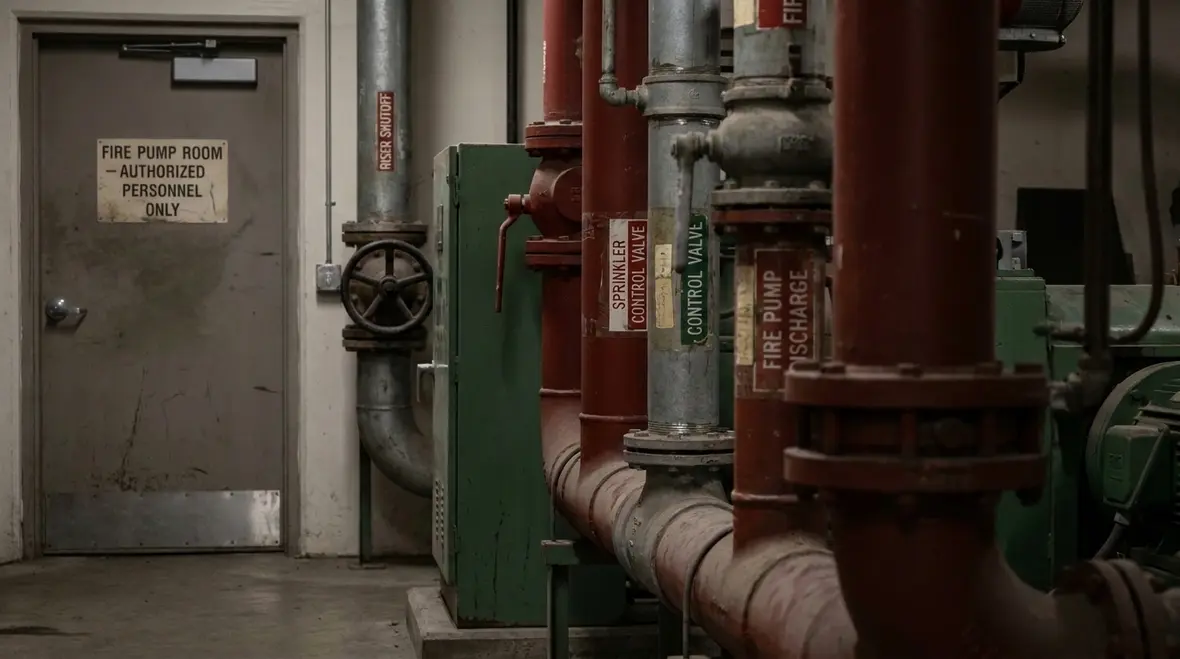
Emergency response depends on speed, clarity, and access. Fire protection building markings give responders a visual map before they even step inside. They help them find fire control valves, alarm panels, water supplies, and access points without wasting time.
This matters even more in large sites like warehouses, shopping centers, manufacturing plants, and logistics hubs. These places often have complex layouts, noisy operations, and multiple entry points. Therefore, clear markings can cut down response time and improve decision making under stress.
They also help in low light, smoke, and crowded conditions. That is where good signage earns its keep. A sign may not wear a cape, but it can still save the day.
Why Complex Properties Need Extra Clarity
On larger properties, the challenge is not only finding the correct equipment but knowing which of several similar locations matters most. One loading dock may look much like another. One riser room may sit behind a nearly identical access door. Strong emergency responder building markings reduce those mistakes before they start, which is exactly the sort of boring reliability every safety manager should love.
What Good NFPA Fire Safety Signage Looks Like
Strong NFPA fire safety signage does more than show a label. It needs to be easy to see, easy to understand, and built for the site conditions. That means the sign should use the right size, contrast, wording, and placement for the job.
Good signage should also stand up to heat, sunlight, dust, moisture, and daily wear. For Australian sites, that is a big deal. Industrial heat, coastal air, and heavy use can make weak signage fail early. Therefore, durable materials and smart placement matter just as much as the words on the sign.
Two Useful Views of the Job
Below is a simple dual column view of what sites often need and why it matters.
Site Need
- Clear fire department connection marking
- Marked fire pump room access
- Visible sprinkler control labels
- Strong directional signs
Why It Matters
- Helps crews connect water fast
- Speeds entry to key equipment
- Supports fast shutoff when needed
- Reduces confusion in large or complex sites
A good sign program also feels consistent across the property. Similar hazards and system points should be marked in a similar way, so nobody has to decode a new visual language every fifty meters. Consistency is underrated, mostly because it works quietly.
How Emergency Responder Building Markings Improve Site Safety
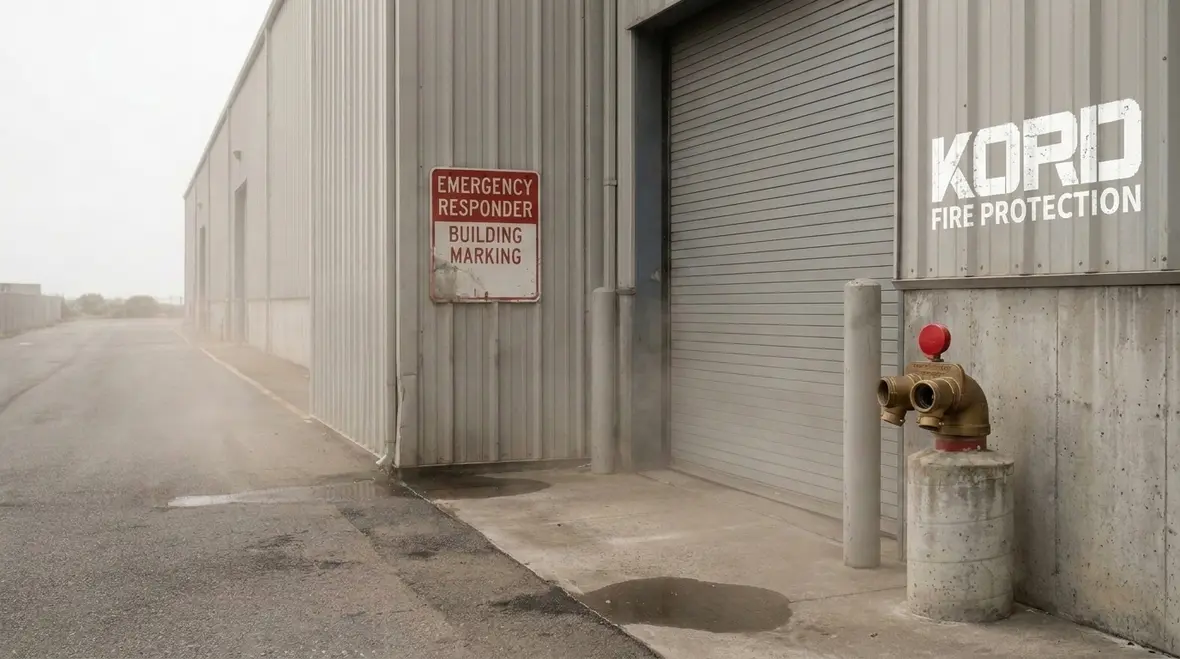
Emergency responder building markings help more than just fire crews. They also support site managers, safety teams, and maintenance staff. When markings are clear and consistent, teams can identify critical systems faster during checks, drills, and repairs.
They also help reduce mistakes. For example, a clearly marked valve or connection is less likely to be missed during a routine inspection. Likewise, a well placed sign can stop someone from blocking access to a vital point. That small win can pay off big when the alarm sounds.
In mixed use commercial settings, this kind of marking also helps keep tenants and contractors on the same page. That matters because confusion loves a gap in planning.
The Daily Value of Clear Markings
One reason these markings matter is that they do useful work even when there is no emergency. During maintenance, inductions, audits, and tenancy changes, they help people understand how the building is organized. That reduces friction, speeds communication, and makes compliance feel less like a scavenger hunt designed by a particularly mischievous architect.
Why Kord Fire Protection Becomes a Vital Partner
Kord Fire Protection can play a key role in making these markings work as intended. A building may have the right systems, but without proper marking, those systems lose some of their value in a real emergency. Kord Fire Protection helps bridge that gap with practical service, field knowledge, and a focus on compliance.
They can support site owners and facility teams with assessment, installation, replacement, and ongoing upkeep of fire protection building markings. They can also help align signage with site layout, operational risk, and relevant code needs. That means less guesswork and better results.
For industrial, retail, and commercial properties, this partnership brings real value. Kord Fire Protection understands that a site cannot afford weak signage, faded labels, or poor placement. Instead, it needs markings that work every day, not just on inspection day when everyone suddenly remembers the folder no one opened for months.
Facilities that want to build stronger code awareness across the full fire protection picture can also explore NFPA 1: A Comprehensive Guide to Fire Prevention and Safety, which adds useful context around how building level safety decisions fit into broader prevention goals.
How to Keep Markings Compliant Over Time
Compliance is not a one time task. Signs fade, walls change, equipment moves, and tenants shift. Therefore, fire protection building markings need regular review. A site should check for damage, blocked views, missing labels, and outdated information.
It also helps to review markings after renovations, system upgrades, or layout changes. Even a small change can make an old sign wrong. As a result, regular checks can prevent confusion and keep emergency access sharp.
Facility teams should also pair signage reviews with fire system inspections. That way, the building stays ready, and the markings stay useful.
A Simple Review Routine
A practical review routine can be surprisingly straightforward. Walk the site, confirm key system points are visible from expected approach paths, check that wording still matches the current layout, and replace anything faded, damaged, or blocked. It is not glamorous work, but neither is losing time in an emergency because a vital sign was hiding behind a delivery pallet.
FAQ
Next Step for Safer Buildings
Strong markings do more than satisfy a rule. They help protect people, property, and operations when it counts most. Kord Fire Protection can help facilities turn NFPA 1 Section 10.11 into a clear, practical system that works on the wall and in the field.
For sites that want fewer delays and better emergency response, now is the time to act. Good building markings do not shout for attention every day, but when the pressure rises, they quietly prove exactly why they were worth doing right.

Join Our Newsletter!
Get the latest fire safety tips delivered straight to your inbox From our Newsletter.