Predictive Maintenance for Automated Fire Suppression Systems
Quick Answer: Predictive maintenance helps automated fire suppression systems stay ready by using sensor data, inspection history, and analytics to spot issues before they cause a discharge. In Australia’s industrial and commercial sites, this means fewer downtime events, steadier compliance, and faster fixes. Kord Fire Protection can manage the program end to end.
For facilities that need a broader partner beyond one maintenance task, Kord Fire Protection’s full fire protection services fit naturally into a predictive plan by connecting inspections, upkeep, repairs, and long-term readiness. And when suppression equipment is the main concern, their fire suppression services provide a practical service path for commercial and industrial sites that want fewer surprises and better system confidence.
How predictive maintenance reduces risk in automated suppression
Automated systems do not “guess” when a problem is coming. Instead, they reveal early warning signals through pressure changes, valve movement patterns, battery health, tamper events, and actuator cycles. That is why automatic suppression system maintenance matters early, often, and with good data. When a facility tracks trends, it can schedule service at the right time rather than after a fault shows up at the worst possible moment.
And yes, fire protection failures tend to be very punctual. They arrive exactly when someone least wants to think about them. Predictive maintenance fights that pattern. It helps facilities across industrial, retail, and commercial operations in Australia protect people, assets, and trading continuity.
What data sources feed a smarter maintenance plan
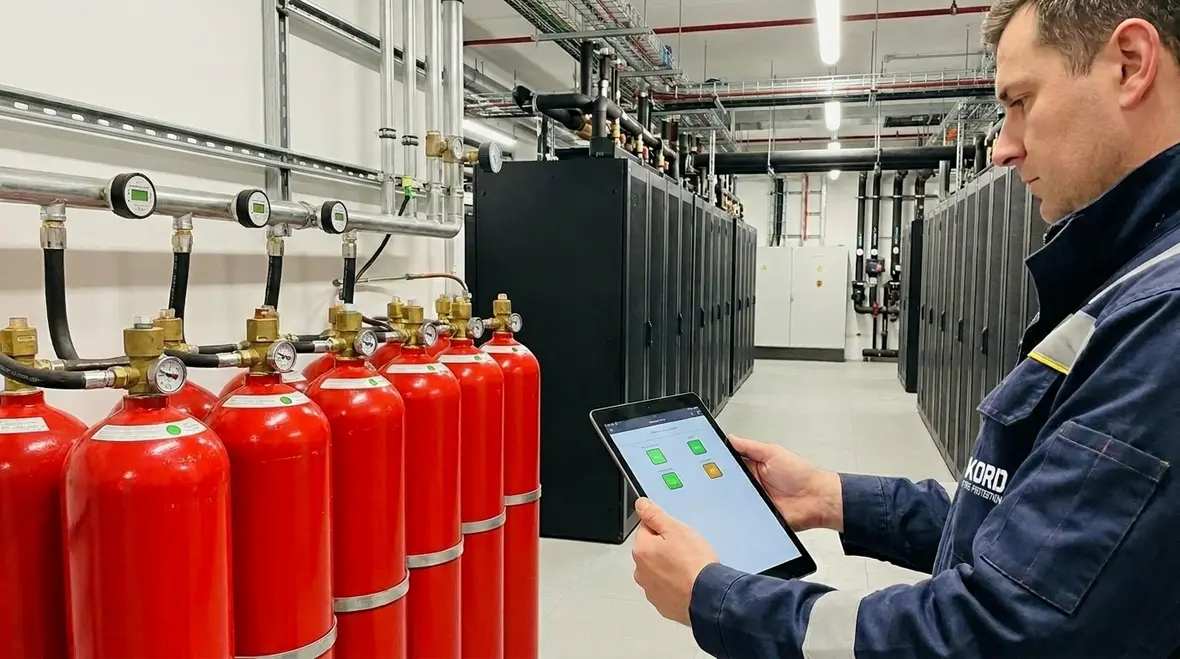
To run predictive work properly, the service team first collects signals from the system and the environment. Then they translate those signals into actions. Typically, the data comes from the following areas.
System health signals
- Pressure and flow readings from pipework and cylinders to detect slow leaks or regulator drift
- Valve and actuator feedback to flag sticking, slow response, or unusual cycle counts
- Battery and power status for panels, detectors, and control modules
- Contamination or corrosion indicators based on inspection findings and internal reports
- Event logs showing spurious supervisory trips, repeated resets, or tamper trends
Site context
- Temperature and humidity that can affect components over time
- Vibration and airflow near machinery rooms, switch rooms, and loading bays
- Operational schedules that influence system stress and testing frequency
However, data alone does not prevent incidents. A facility also needs disciplined reporting so technicians can act consistently. That is where automatic suppression system maintenance becomes more than a routine task. It becomes a managed service with traceable outcomes.
Which failure modes predictive models help detect early
Predictive maintenance works best when it targets realistic failure modes, not wishful thinking. For automated fire suppression systems, teams commonly focus on mechanical, electrical, and integration risks. As the data trends grow, the facility can identify which issue patterns appear most often at its sites.
Key failure modes include:
- Valve sluggishness due to wear, contamination, or misalignment that delays discharge performance
- Regulator or pressure drift that signals a slow loss of readiness even when readings remain “mostly okay”
- Control panel instability such as failing power supplies, drifting sensor calibration, or intermittent wiring faults
- Detection delays caused by dusty detector conditions or sensor drift, which can matter in high airflow zones
- Pipework obstruction risks where deposits or improper maintenance impact flow paths
In other words, instead of waiting for a fault that forces a shutdown, the facility spots the “almost wrong” moments. Then it schedules corrective work before anything turns into a headline. And nobody wants to be the person who says, “We thought it was fine.” That sentence always sounds best in theory, right?
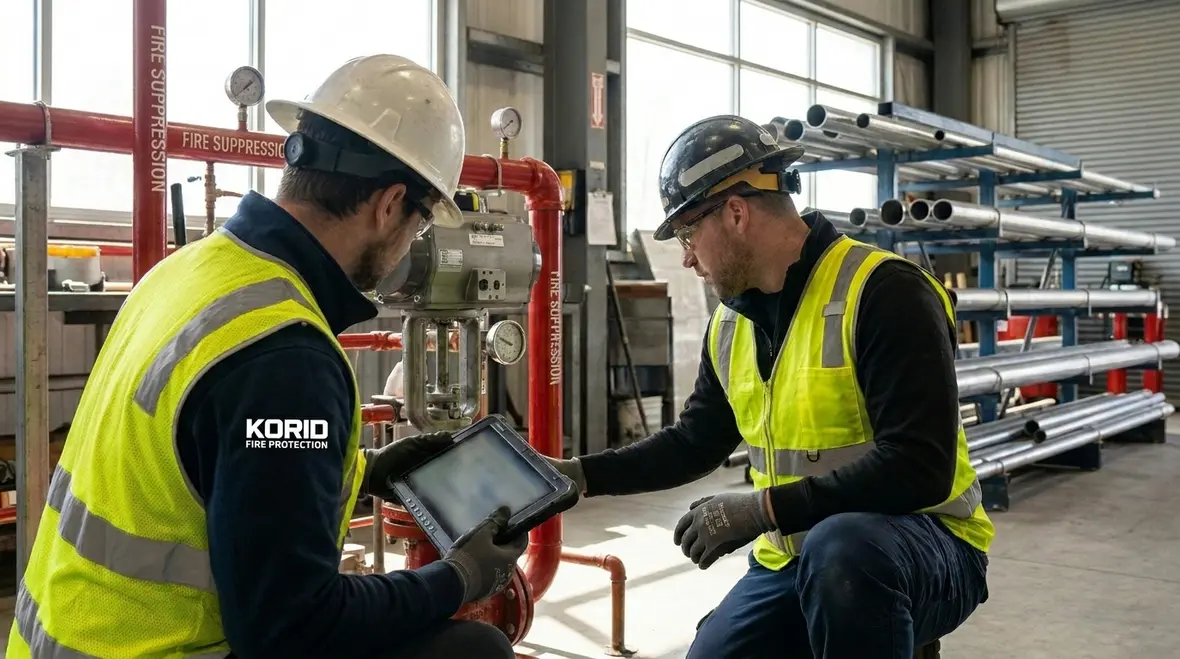
How teams build a maintenance schedule around evidence
Once the system signals and failure patterns are understood, the next step is timing. Predictive maintenance does not eliminate inspections. It refines them. So instead of treating every visit like the same box-ticking exercise, the team adjusts the plan based on risk.
A solid schedule usually includes:
- Baseline inspections to confirm starting condition and set performance reference points
- Routine checks for supervisory status, alarm verification, and component condition
- Targeted testing when trends show drift, increased movement time, or unstable pressure behaviour
- Condition based service actions such as cleaning, lubrication adjustments, component swaps, or retesting
- Documentation updates so compliance records stay accurate and easy to audit
For facilities across Australia, this matters because operational demands change. Retail fit-outs open and close. Warehouses expand and shuffle racking. Manufacturing lines add new heat loads. Therefore, predictive maintenance supports flexibility without sacrificing rigour. It keeps automatic suppression system maintenance aligned to actual system behaviour, not just the calendar.
What Kord Fire Protection brings as a partner
Managing predictive maintenance requires discipline, experience, and clear communication. Kord Fire Protection can become a vital partner by bringing structured service processes, technician capability, and ongoing support that suits multi-site environments. For industrial, retail, and commercial facilities, that means the program stays consistent across different buildings and operating conditions.
Instead of handing over a collection of graphs and hoping someone figures it out, Kord Fire Protection helps translate system data into clear next steps. Then it coordinates the required actions so the facility does not chase faults in a panic.
Specifically, Kord Fire Protection can help with:
- Program setup that aligns service intervals with site risk and system condition
- Trend based reporting that supports informed decisions rather than guesswork
- Maintenance execution with proper verification after any corrective work
- Compliance ready documentation so audits do not become stress tests
- Multi site coordination for organisations that operate across regions in Australia
In business terms, this helps facilities protect uptime and reduce surprise downtime. In human terms, it helps teams sleep at night. And as pop culture proves, “sleeping at night” is a rare feature in modern life, so it is worth protecting.
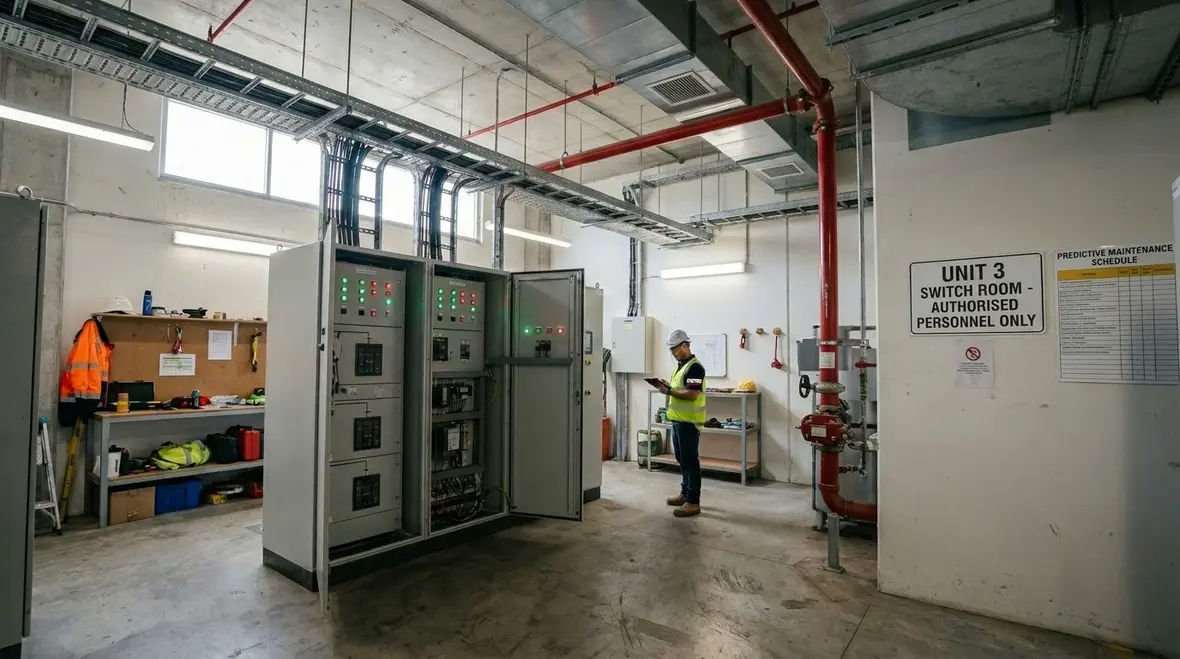
How to implement predictive maintenance across an Australian facility
To implement this approach, the facility should start with the systems that matter most and the teams that manage them daily. Then it should roll out gradually so the organisation builds confidence and clarity. Below is a practical path.
Step 1: Assess and prioritise
- Identify suppression systems tied to high risk areas such as switch rooms, compressor rooms, and storage zones
- Review inspection history and past service notes to spot repeating patterns
- Confirm who owns decisions for maintenance, and who signs off changes
Step 2: Standardise data collection
- Use consistent measurement methods for pressure, status, and component feedback
- Record results with clear timestamps and system identifiers
- Capture surrounding conditions like humidity and temperature where relevant
Step 3: Create action thresholds
- Define what changes trigger a service visit
- Set escalation rules for recurring faults or rapidly shifting readings
- Plan corrective actions with verification steps so the system returns to safe readiness
Step 4: Maintain continuity
- Review trends regularly and adjust intervals based on evidence
- Ensure technician findings feed back into the plan
- Track outcomes so automatic suppression system maintenance keeps improving over time
As a result, the facility moves from reactive firefighting to measured prevention. And if that sounds too calm, good. Predictive maintenance is meant to feel controlled, not chaotic.
Featured FAQ
Conclusion: Start the program before the next surprise
Predictive maintenance helps automated fire suppression systems stay ready by turning trends into decisions. It reduces last minute repairs, supports steadier compliance, and protects operations across Australia’s industrial, retail, and commercial environments.
Kord Fire Protection can help your team build and run an evidence based plan that improves over time. Reach out to Kord Fire Protection to review your current maintenance approach and map the next steps.

Join Our Newsletter!
Get the latest fire safety tips delivered straight to your inbox From our Newsletter.