NFPA 1 Section 1.3 Fire Code Application Requirements
Quick Answer
NFPA 1 Section 1.3 explains where the fire code applies and who must follow it. For industrial, retail, and commercial sites across Australia, that means clear rules for operations, upgrades, inspections, and permits. Kord Fire Protection can help businesses meet these fire code application requirements with practical support, faster compliance, and less guesswork.
For facilities that need broader support beyond one checklist, full fire protection services can fit naturally into a stronger compliance plan by connecting inspections, servicing, repairs, and ongoing readiness under one roof.
NFPA 1 Section 1.3: Fire Code Application Requirements for Australian Businesses
NFPA 1 Section 1.3 sets the stage for how fire rules apply across a site, a system, or a business activity. In plain terms, it shows when fire code enforcement starts, what areas fall under review, and how fire code compliance requirements affect day to day operations. For industrial plants, retail centers, warehouses, and commercial facilities across Australia, this matters a lot. One missed detail can turn a routine inspection into a very expensive surprise. Nobody enjoys that kind of plot twist.
Because fire code application guidelines often overlap with local rules, businesses need a clear plan. That is where Kord Fire Protection becomes a vital partner. It helps teams understand what applies, what needs fixing, and what must be documented before a regulator, insurer, or site auditor asks the hard questions.
What NFPA 1 Section 1.3 Means in Practice
NFPA 1 Section 1.3 defines the reach of the code. It helps owners and managers know which structures, activities, and equipment fall inside fire safety control. It also supports NFPA 1 code enforcement by showing where inspection staff can act and what standards they can enforce.
For a business, this usually means more than hanging a few signs or checking an extinguisher once in a while. It includes storage areas, service rooms, high risk equipment, access paths, alarms, suppression systems, and changes made during fit outs or upgrades. In other words, the code does not care that the site is “mostly fine.” The code prefers facts. Fire codes, unlike office gossip, never ignore the details.
What falls under review most often
Once teams understand the scope, the next step is seeing how it shows up in real work. A code requirement may affect construction changes, storage practices, maintenance intervals, records, and operational decisions that seem small on paper but become very visible during an inspection. That is why site leaders need to think in systems, not isolated tasks.
Building areas tied to fire risk or emergency access
Suppression, alarm, and detection equipment
Storage conditions and ignition control measures
Fit outs, refurbishments, and layout changes
Service records, testing history, and permits
How Fire Code Application Guidelines Affect Industrial and Commercial Sites
Fire code application guidelines help decide how the code touches a facility from the ground up. They guide owners through permits, system reviews, building changes, and hazard control. As a result, a facility can avoid delays, failed inspections, and costly rework.
For industrial and commercial sites, common triggers include:
New machinery or process changes
Warehouse layout changes
Added storage load or flammable stock
Tenant fit outs in retail or mixed use spaces
Changes to exits, access, or suppression coverage
Moreover, these changes can affect whether the site still meets fire code compliance requirements. A small change in one area can shift the whole risk picture. That is why teams need a provider that does more than “check the box.” They need one that reads the room, the site, and the code.
Facilities that are expanding, reworking storage, or upgrading systems may also benefit from reading industrial fire protection upgrades in Australia for compliance, which fits naturally with the same planning mindset.
Where NFPA 1 Code Enforcement Usually Focuses
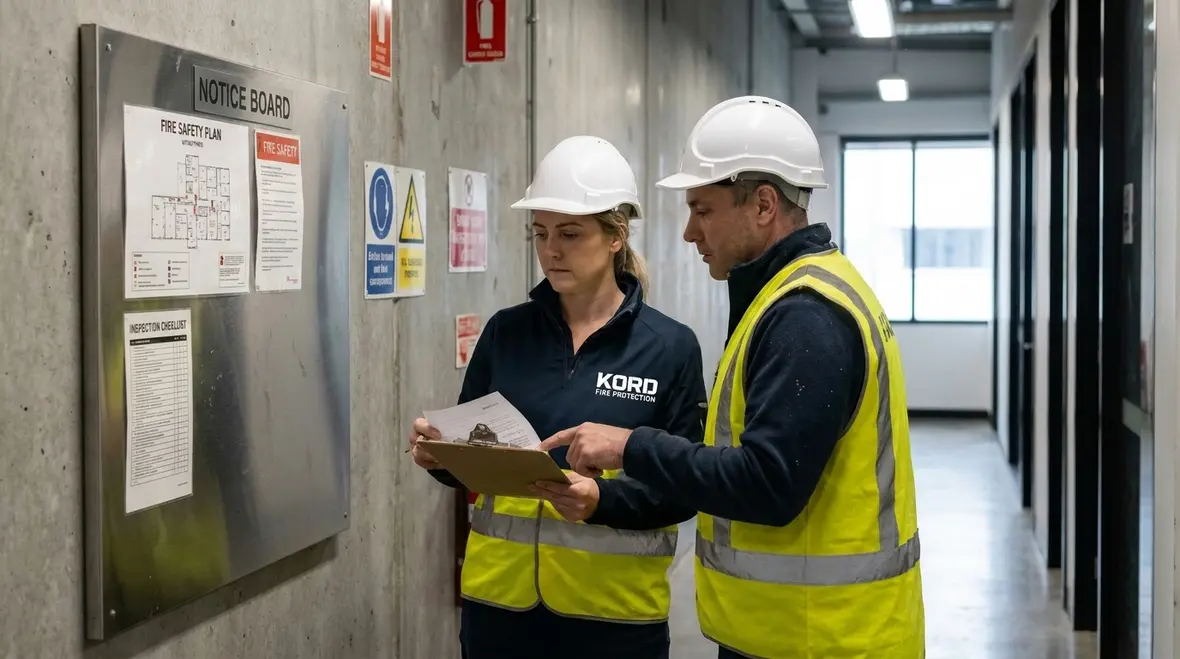
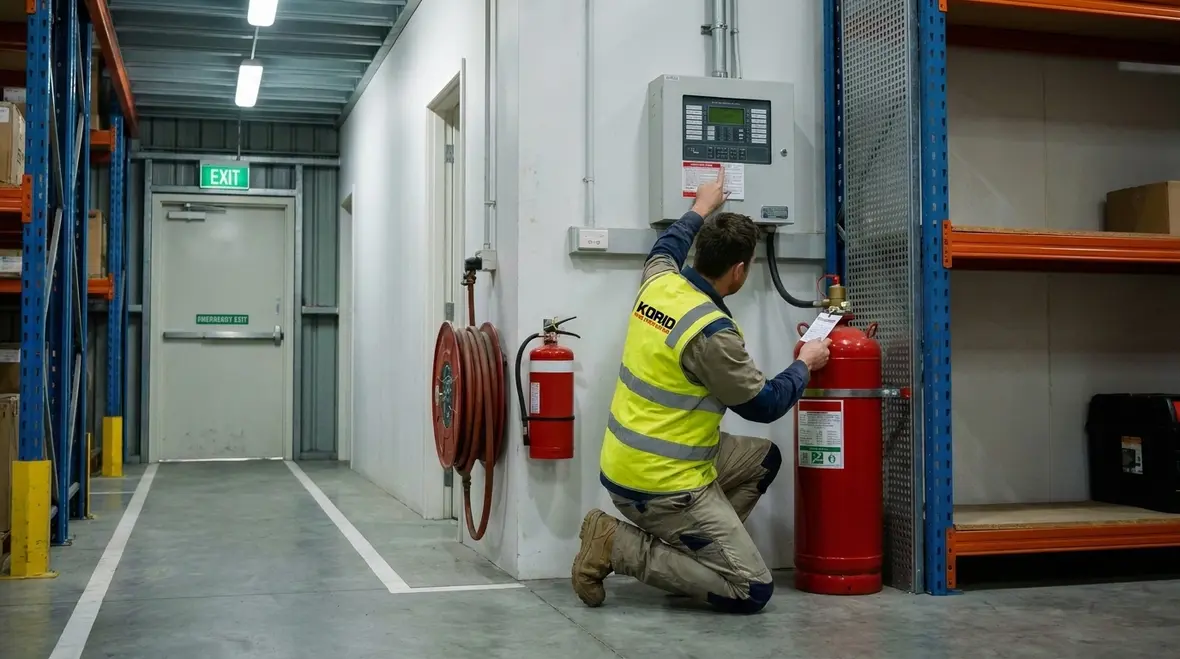
NFPA 1 code enforcement often focuses on the places where risk builds fast. These points include blocked exits, poor housekeeping, missing service records, damaged fire equipment, and unsafe storage near ignition sources. In addition, inspectors may review alarm coverage, fire pump performance, emergency lighting, and access for emergency crews.
In many facilities, the biggest issue is not one major failure. It is a stack of small misses. A door closes slowly. A panel has no label. A hose reel gets hidden behind stock. Then, suddenly, the site has a compliance problem wearing work boots.
Therefore, good fire code application guidelines help businesses spot those weak points before an inspection turns them into formal actions.
Why little defects become big headaches
Most sites do not fail because everyone ignored fire safety in a dramatic villain monologue. They fail because small conditions pile up while everyone is busy doing actual work. One unresolved fault can lead to another, and weak documentation makes the problem harder to defend later. By the time someone asks for proof, the site may be trying to reconstruct six months of decisions from memory, which is not exactly a premium compliance strategy.
Common inspection pain points
Blocked or reduced egress
Poor labeling on equipment or panels
Missed testing intervals
Hidden or obstructed fire devices
Incomplete maintenance history
Practical ways to stay ahead
Walk the site with a fresh set of eyes
Track corrective items by priority
Keep service records accessible
Review changes before they go live
Coordinate maintenance with operations
Why Fire Code Compliance Requirements Need a Site Specific Plan
Fire code compliance requirements should never sit in a generic folder and hope for the best. Every site has different hazards, loads, and operating patterns. A retail store needs different controls than a logistics hub. A manufacturing site has different risks than a cold storage facility.
Because of that, compliance works best when it follows a site specific plan. That plan should cover:
Risk review and hazard mapping
Inspection and maintenance schedules
Permit and record tracking
Staff training and emergency response steps
Correction plans for defects and non conformances
When businesses take this route, they gain more than compliance. They gain control, which is a very good thing when fire risk decides to act like the loudest person in the building.
For more context on how ongoing readiness fits into long term system care, NFPA 1: A Comprehensive Guide to Fire Prevention and Safety is a strong related read.

Dual Column View: What a Business Sees and What Kord Fire Protection Does
Business Need
Understand what rules apply to the site
Keep fire systems in service and documented
Prepare for inspections and audits
Fix defects without slowing operations
Kord Fire Protection Support
Reviews the site against fire code application guidelines
Helps maintain service records and compliance evidence
Supports remediation planning and priority setting
Assists with practical steps that match business operations
How Kord Fire Protection Supports Ongoing Compliance
Kord Fire Protection can become a vital partner because it brings practical fire safety support into the daily life of a facility. It does not just point to the problem and walk away like a detective in the final act. It helps businesses move from confusion to action.
Its support can include inspection coordination, system servicing, defect follow up, and help with fire code compliance requirements that often affect industrial and commercial operations. In addition, it can guide teams through changes that may trigger NFPA 1 code enforcement review, such as tenant improvements, equipment upgrades, or storage changes.
For multi site businesses across Australia, that kind of help matters. It keeps standards more consistent, reduces downtime, and gives managers one clearer view of what needs attention next.
That practical support also lines up well with Kord’s broader content on inspections, deficiencies, and readiness. Teams dealing with correction lists may find fire suppression deficiencies found in inspections by Kord especially useful as a next step.
FAQ
Conclusion
NFPA 1 Section 1.3 gives businesses a clear path to understand fire code scope and enforcement. For industrial, retail, and commercial sites, that means less risk and fewer surprises. Kord Fire Protection can help turn fire code application guidelines into real action, so compliance does not stay stuck in theory.
For sites that want steady support, cleaner records, and better control, now is the right time to speak with Kord Fire Protection. A smart compliance plan is not just about passing inspection. It is about making sure the site stays ready long before anyone shows up with a clipboard.

Join Our Newsletter!
Get the latest fire safety tips delivered straight to your inbox From our Newsletter.