NFPA 1 Section 1.2 Purpose, Fire Prevention and Life Safety
Quick Answer
NFPA 1 Section 1.2 explains the fire code’s purpose: to protect people, property, and business operations through practical fire safety rules. For industrial, retail, commercial, and facility sites across Australia, it sets the tone for safer planning, stronger prevention, and faster risk control. Kord Fire Protection can support that process with expert service and ongoing compliance help.
NFPA 1 Section 1.2 gives the fire code its backbone. It sets out the NFPA 1 fire code purpose, the fire prevention code objectives, and the life safety fire code intent in plain terms. In short, the code exists to reduce fire risk, protect occupants, and support safe business continuity. For industrial plants, retail centres, commercial offices, and facilities across Australia, that matters every day. A fire does not care about opening hours, stock levels, or lease deadlines. It arrives uninvited, like a bad sequel nobody asked for. That is why clear fire code direction, steady inspections, and practical support matter from the start.
For businesses that need practical support near the beginning of that process, full fire protection services can help turn code intent into scheduled inspections, maintenance planning, and systems that stay ready without derailing daily operations. If you also want broader code context, Kord Fire Protection’s guide to NFPA 1 fire prevention and safety adds useful background to how the code works across real facilities.
What NFPA 1 Section 1.2 Means for Business Sites
Section 1.2 explains why the code exists before it tells anyone what to do. That matters because the purpose shapes every rule that follows. The code aims to protect lives, limit damage, and support safe use of buildings and equipment. Therefore, site teams do not treat it as paperwork. They use it as a guide for safer operations.
For commercial and industrial settings, the rule set helps reduce common fire threats such as poor housekeeping, blocked exits, unsafe storage, ignition hazards, and weak emergency planning. It also supports the people who must make quick decisions under pressure. As a result, the code becomes more than legal text. It becomes a working tool.
Why Fire Prevention Code Objectives Matter
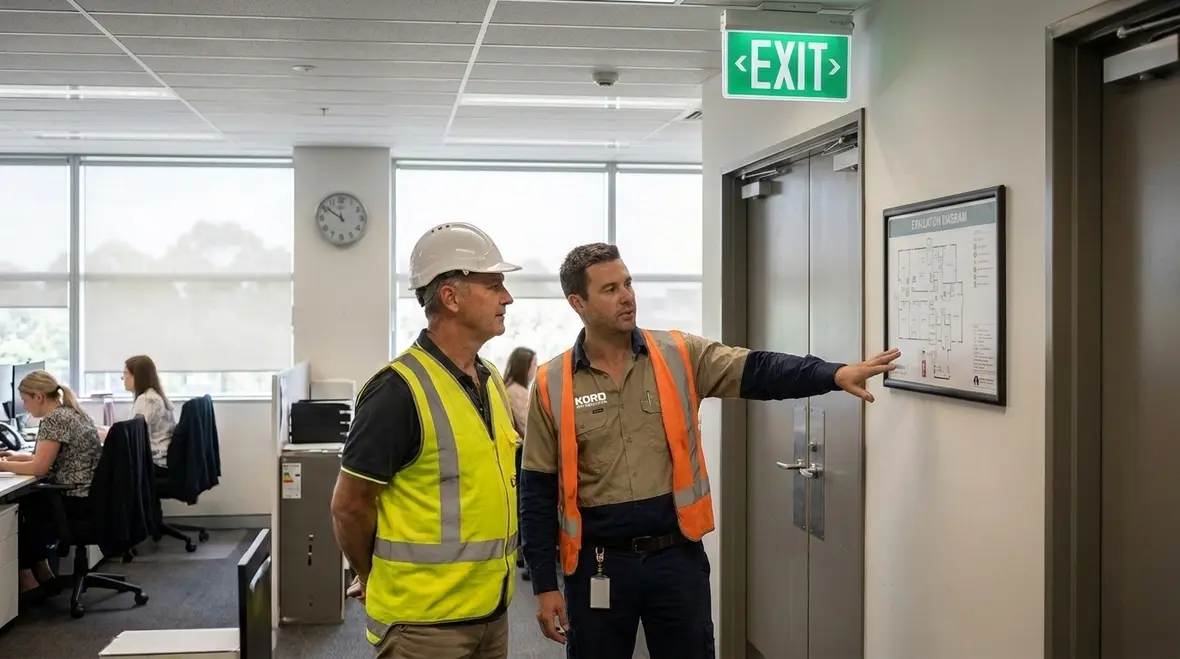
The fire prevention code objectives focus on stopping a fire before it grows. That sounds simple, yet real sites face many moving parts. Machinery runs hot, electrical loads rise, stock changes daily, and contractors come and go. Because of that, fire prevention must stay active, not occasional.
What these objectives push businesses to do
- Reduce ignition sources
- Keep exits, panels, and access paths clear
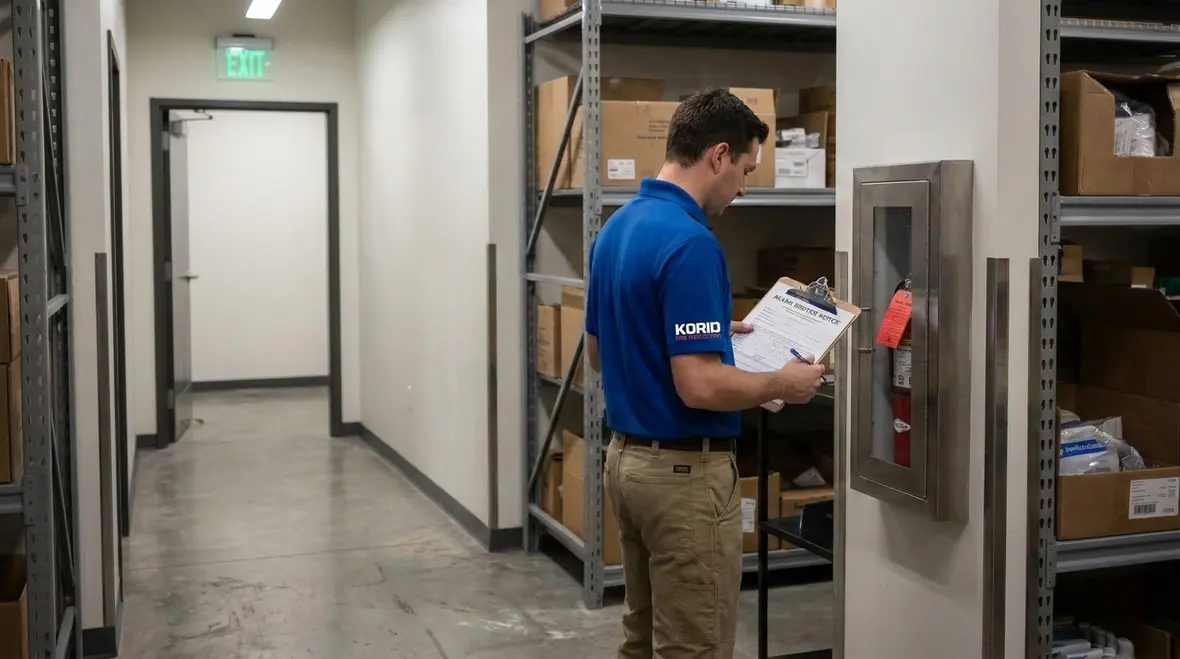
- Control storage and hazardous materials
- Strengthen emergency readiness
- Support safe daily operations
In practice, this means managers look beyond compliance checklists. They build habits that lower risk across the full site. That includes housekeeping routines, storage discipline, maintenance follow-up, and a willingness to fix small issues before they become headline material in the lunchroom. And yes, that is less exciting than a Hollywood explosion scene, which is exactly the point.
These objectives also help teams make better decisions when operations change. A new production line, seasonal stock surge, office refit, or contractor project can all alter fire risk. When the purpose of the code is clear, those changes get reviewed through a prevention lens instead of being waved through with a hopeful shrug.
How Life Safety Fire Code Intent Protects People First
The life safety fire code intent puts people at the center. The code does not only ask whether a building can survive a fire. It asks whether people can detect danger early, leave safely, and avoid harm. That focus matters in busy commercial settings where alarms, exits, crowd movement, and staff training all need to work together.
Good life safety planning covers alarm systems, evacuation routes, emergency lighting, exit signage, drills, and staff awareness. It also considers how people behave in real conditions. Under stress, people freeze, rush, or follow the crowd. Therefore, clear design and training save time when seconds count.
People-first protection in real facilities
In an office, that might mean keeping evacuation messaging simple and making sure exit routes are obvious even to visitors. In a retail setting, it can mean planning around customer movement, changing displays, and back-of-house storage pressures. In industrial spaces, it often means coordinating alarms, suppression systems, hazardous process awareness, and staff response so the whole chain works together. The common thread is simple: if people cannot understand what is happening or where to go, the rest of the system loses value very quickly.
How Kord Fire Protection Supports NFPA 1 Compliance
Kord Fire Protection can become a vital partner by turning code language into practical action. Many businesses understand that compliance matters, yet they need a team that can inspect, advise, service, and improve systems without slowing operations. That is where specialist support adds real value.
Kord Fire Protection helps sites stay ready through fire safety services that support detection, suppression, maintenance, and compliance planning. In addition, the team can help identify weak points before they become costly problems. That proactive approach matters because a small fault today can become a major shutdown tomorrow. Nobody wants a fire safety issue arriving like an unexpected tax audit with flames.
Support also matters because code intent is only useful when it becomes a repeatable routine. Inspection intervals, testing records, service coordination, documentation, and follow-up repairs all need to move together. When they do, managers get clearer visibility into risk. When they do not, even a decent system can drift into a collection of missed dates, vague notes, and crossed fingers. That is not a strategy. That is a plot twist.

Where the Code Applies in Daily Operations
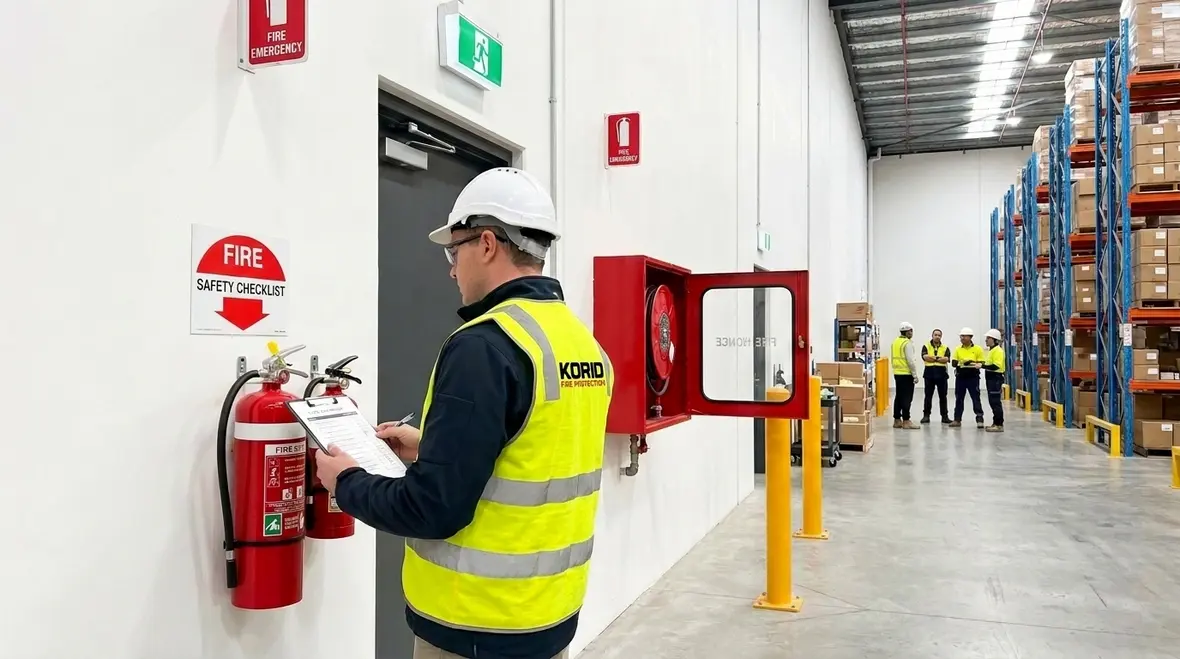
The fire code purpose shows up in everyday site tasks. It appears when a warehouse keeps access aisles open. It appears when a retail store tests alarms on schedule. It appears when a facility manager checks that extinguishers remain visible and serviced. Most importantly, it appears when teams understand that safety is part of operations, not a side job.
| Site Area | Code Focus |
|---|---|
| Commercial Offices | Safe exits, alarm readiness, emergency response, occupant movement |
| Retail Spaces | Customer evacuation, clear pathways, storage control, staff response |
| Industrial Sites | Equipment hazards, hot work controls, suppression systems, process safety |
| Facilities and Warehouses | Housekeeping, material storage, maintenance routines, emergency access |
Why daily repetition matters
The code is not at its strongest during an audit. It is at its strongest on a normal day when staff are busy, deliveries are stacked up, maintenance requests are waiting, and nobody is thinking about fire at all. That is when clear pathways, visible equipment, current records, and trained people do their best work. Good compliance is rarely dramatic. It is usually quiet, routine, and very good at preventing drama in the first place.
What Strong Fire Safety Programmes Look Like
A strong fire safety programme does more than meet a minimum standard. It builds confidence. It also reduces downtime, protects stock and assets, and supports duty of care across the site. Therefore, managers should look for a partner that understands both technical systems and real world site demands.
Kord Fire Protection can help with ongoing maintenance and practical guidance that keeps systems aligned with the code’s intent. That kind of support is especially useful across Australia, where industrial and commercial sites often face complex compliance needs across multiple locations. One site may need alarm servicing. Another may need equipment checks. Another may need a complete review of fire safety planning. A capable partner keeps all of it moving in the same direction.
The best programmes also create fewer surprises. Responsibilities are clear, service intervals are tracked, documentation is easy to find, and site changes trigger review instead of confusion. That gives leaders more control over risk, more confidence during inspections, and fewer last-minute scrambles that feel like assembling furniture with missing screws and no instructions.
FAQ
Conclusion
NFPA 1 Section 1.2 gives businesses a clear reason to care about fire safety before trouble starts. For Australian industrial, retail, and commercial sites, that purpose supports safer people, stronger operations, and better control.
Kord Fire Protection can help turn those goals into action with expert support that keeps compliance practical and pressure low. That means less confusion, better readiness, and a lot fewer chances for avoidable problems to show up uninvited.

Join Our Newsletter!
Get the latest fire safety tips delivered straight to your inbox From our Newsletter.