NFPA 1 Section 1.16 Fire Code Technical Assistance, Kord Fire
Quick Answer
NFPA 1 Section 1.16 gives fire authorities a path to request technical assistance when a fire code issue needs expert help. For industrial, retail, commercial, and facility teams across Australia, that support can make inspections smoother, fixes faster, and compliance clearer. Kord Fire Protection can play a vital role by guiding fire code reviews, practical solutions, and ongoing fire safety consulting. Near the start of that journey, teams that need hands-on support across inspections, service, and readiness can also explore full fire protection services as a natural next step for turning code questions into field action.
NFPA 1 Section 1.16 and why it matters
NFPA 1 Section 1.16 helps fire officials call on outside expertise when a site presents a problem that needs more than a quick walk through and a serious nod. In plain terms, it supports fire code technical assistance when a question on risk, design, use, or safety needs deeper review. That matters for industrial plants, shopping centres, warehouses, offices, and other busy facilities, because one missed detail can slow approval or create a costly rework.
For Australian organisations, the value is clear. Even when local rules differ, the need for strong fire safety consulting requirements stays the same. A sound technical review helps a site stay safe, meet compliance goals, and avoid delays that can feel as welcome as a smoke alarm at 2 a.m.
How technical assistance supports fire code decisions
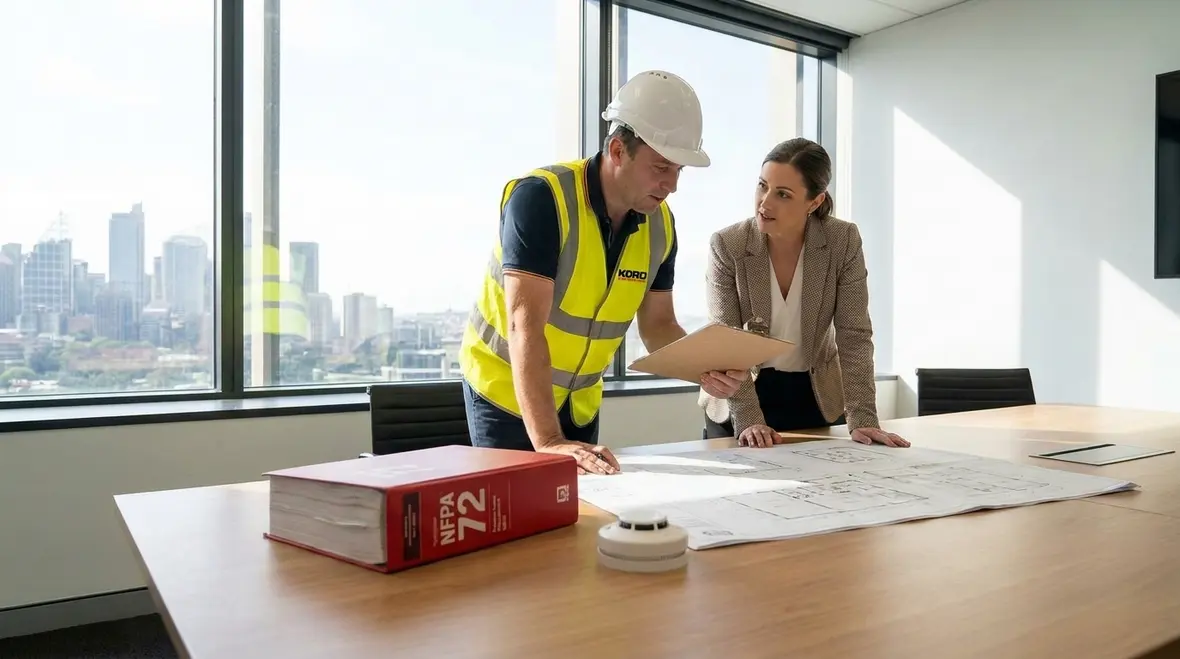
Fire code decisions often need more than a checklist. They may involve building layout, occupancy load, suppression systems, exits, stored goods, hazardous materials, or changes in use. Therefore, NFPA 1 technical support gives authorities and facility teams a way to bring in the right knowledge before a small issue becomes a big one.
What this support can cover on a live site
- Plan reviews for new builds and fit outs
- Site inspections with unusual risk conditions
- Interpretation of code intent for complex spaces
- Corrective action advice after audit findings
- Risk based solutions for unique operations
As a result, the process becomes less about guesswork and more about facts. That is good news, because guesswork has no business wearing a hard hat.
This support is especially useful when the code question sits in a grey area between design intent and day to day operations. A drawing might look tidy, yet real use can introduce storage pressure, access constraints, staffing patterns, or equipment changes that alter the risk picture. Technical assistance helps teams move beyond the paperwork and ask the better question: how does this building actually function on a busy Wednesday afternoon?
Why industrial and commercial sites need a sharper lens
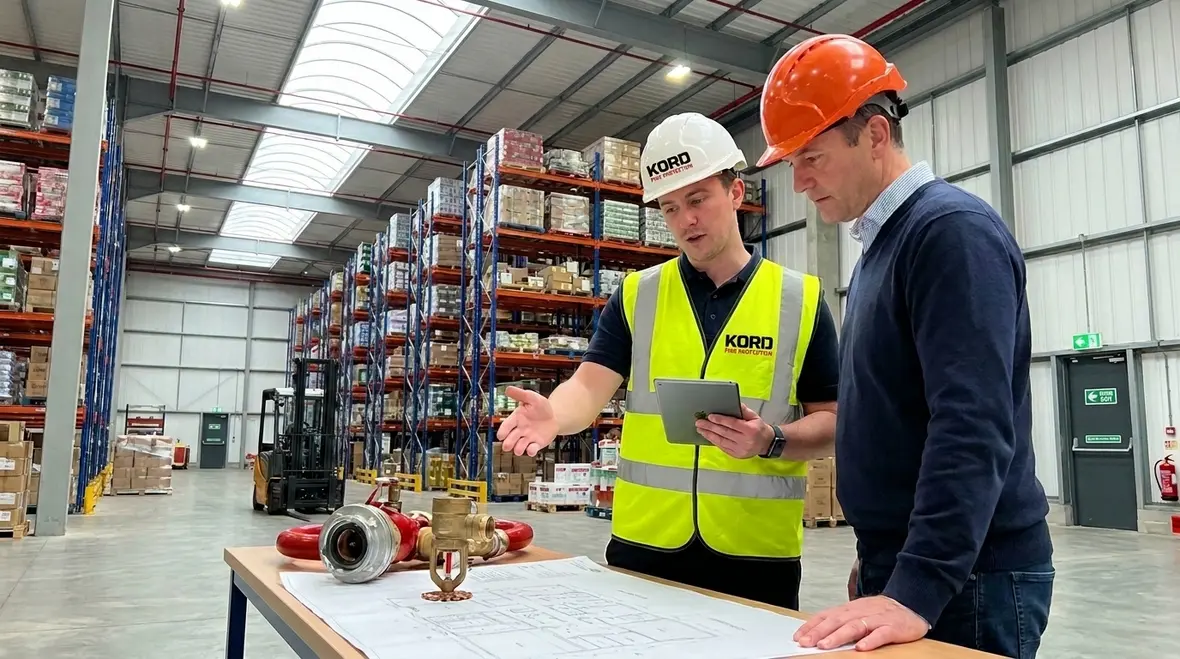
Industrial and commercial sites often run with mixed hazards, heavy foot traffic, and fast moving operations. A warehouse may store varied products in tall racks. A retail centre may juggle tenant changes, delivery paths, and public access. Meanwhile, a factory may handle heat, chemicals, or machine based ignition sources. Each setting brings a different fire profile.
Because of that, fire safety consulting requirements should match the real use of the building, not just the label on the door. Technical assistance helps teams look at the true risk, then decide on steps that protect people, property, and business continuity. In other words, it keeps the fire plan from looking good only on paper, which is a bit like wearing a raincoat indoors and calling it strategy.
That sharper lens also matters when managers are dealing with operational pressure. Production cannot stop forever. Retail cannot shut every aisle because one issue got complicated. Offices still need occupants to move safely through spaces that may have changed over time. Technical support helps facilities rank issues sensibly, focusing on what presents the highest risk first while keeping the wider compliance plan practical enough to use.

Where Kord Fire Protection becomes a vital partner
Kord Fire Protection can become a strong partner when a site needs practical fire code guidance and clear action. Their role can support owners, facility managers, builders, and operations teams by turning code language into workable steps. That matters, because compliance does not help much if nobody can apply it on the ground.
- Fire code technical assistance for complex facilities
- NFPA 1 technical support during audits and inspections
- Fire safety consulting requirements for upgrades and change of use
- System and asset checks for practical compliance gaps
- Advice that links safety, operations, and long term upkeep
Moreover, Kord Fire Protection can help reduce friction between what a code asks for and what a site can reasonably do. That balance matters across Australia, where many facilities must keep operations moving while solving safety issues without drama worthy of a season finale.
Useful internal reads for teams building a stronger compliance process
For teams tightening their process, it also helps to connect technical assistance with stronger records and audit preparation. Kord Fire has useful related reads on fire protection compliance auditing and fire safety system documentation for compliance. If broader code context is useful, this article should also link naturally to NFPA 1: A Comprehensive Guide to Fire Prevention and Safety.
What the process can look like on site
Technical assistance usually works best when it starts with a clear look at the site. First, the team reviews the building use, risk areas, and existing fire systems. Then, they compare those conditions with code expectations and operational needs. After that, they identify gaps and recommend practical steps.
Common site need
- Complex storage layout
- Tenant fit out change
- Inspection concern
- Upgrade planning
What technical assistance can do
- Assess rack arrangement, access, and suppression impact
- Review new hazards and update fire measures
- Clarify code intent and guide corrective action
- Prioritise works and reduce downtime
This kind of step by step support makes decisions faster and cleaner. It also helps keep project teams, contractors, and facility staff moving in the same direction instead of arguing like a band trying to rehearse in different keys.
On a practical level, that usually means fewer circular email chains, fewer last minute surprises during inspections, and fewer upgrades that have to be redone after someone finally asks the awkward but important question. Technical assistance creates a trail of reasoning, and that trail helps everyone understand why a measure was chosen, what problem it solves, and what comes next.
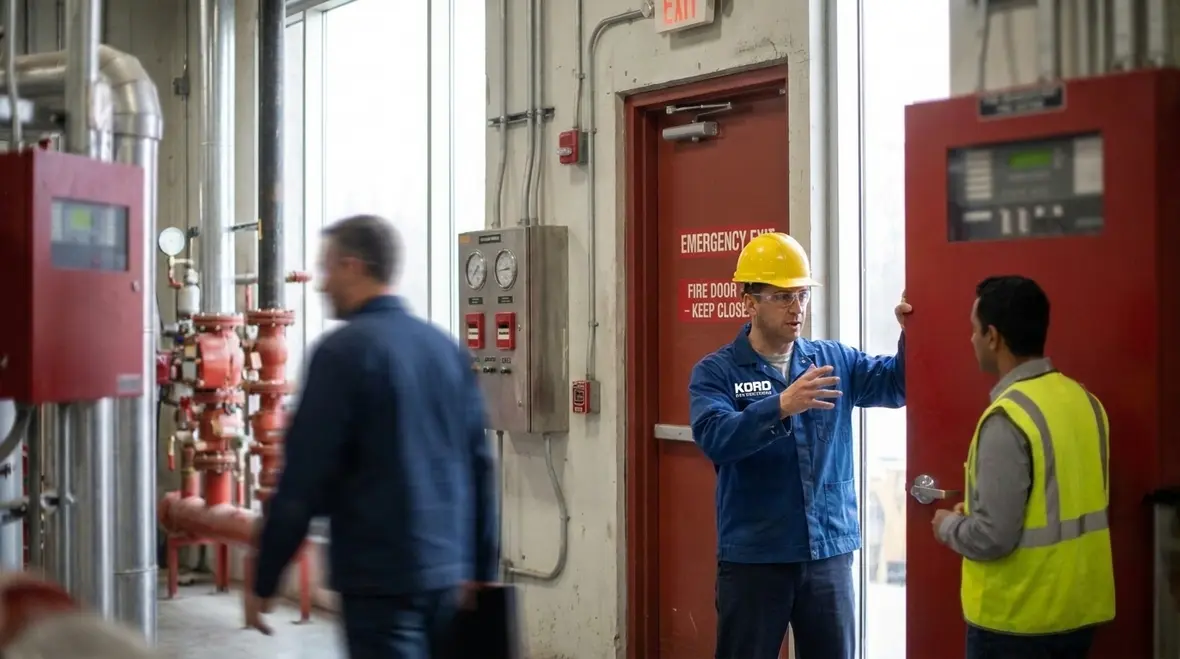
How fire code technical assistance improves compliance outcomes
Good technical support does more than solve one issue. It improves the whole compliance process. First, it helps teams understand what matters most. Next, it reduces the chance of repeat findings. Then, it supports better records, clearer maintenance planning, and smarter risk control.
For sites across industrial, retail, and commercial sectors, that can mean fewer delays, less rework, and better confidence during audits. It can also help organisations show due care, which matters when managers need to prove that safety decisions were deliberate, not accidental. And in fire safety, accidental is a word nobody wants to see twice.
The long term benefit is consistency. When a site develops a repeatable way to assess code issues, document findings, and close gaps, compliance becomes less reactive. Instead of waiting for an inspection to expose the weak spots, the team builds a working habit of reviewing, prioritising, and improving. That is not flashy, but it is effective, and effective tends to age much better than panic.
When to seek NFPA 1 technical support
A facility should seek NFPA 1 technical support when a code issue is not simple, when a change affects risk, or when an authority asks for expert input. It also makes sense when a site plans an upgrade, changes stored materials, adds equipment, or moves into a new use category.
In practice, the best time is often before the problem grows legs. Early support can save time, lower cost, and reduce stress for everyone involved. That is especially true for multi site operators that need consistency across different buildings and states.
Common triggers that should move this up the list
- A change of use that alters occupancy, storage, or process risk
- An inspection finding that is unclear, disputed, or technically complex
- Major equipment additions that affect layout, exits, or suppression coverage
- Planned upgrades where downtime, staging, and code expectations need coordination
- Multi site programs that need one steady approach instead of five different interpretations
If any of those sound familiar, it is probably worth asking for help sooner rather than later. Fire code issues have a special talent for becoming more expensive once they are ignored long enough.
FAQ
Bring in the right support before the pressure builds
NFPA 1 Section 1.16 shows the value of expert help when fire code issues become complex. For Australian industrial, retail, and commercial facilities, Kord Fire Protection can provide the practical fire code technical assistance needed to keep projects moving and risks under control.
When the site needs clear answers, strong guidance, and calm direction, Kord can be the partner that makes compliance feel less like chaos and more like a plan. That is the whole point really: fewer surprises, better decisions, and a lot less scrambling when the pressure is on.

Join Our Newsletter!
Get the latest fire safety tips delivered straight to your inbox From our Newsletter.