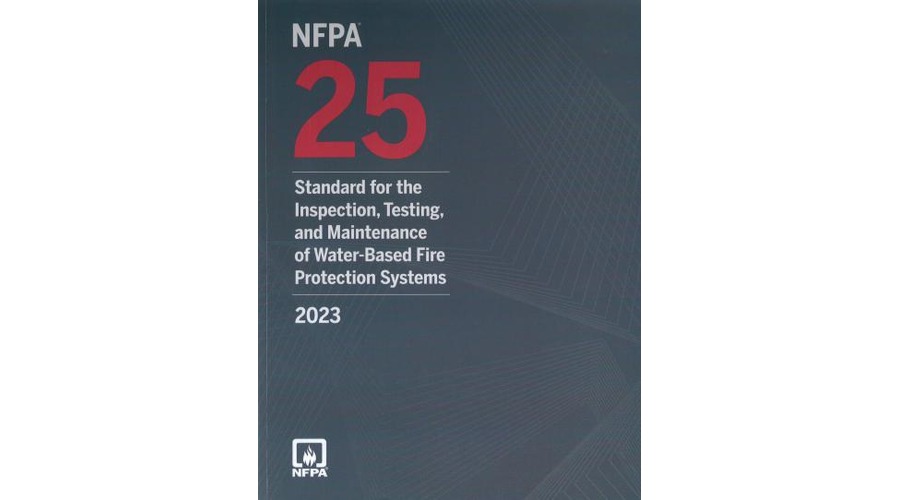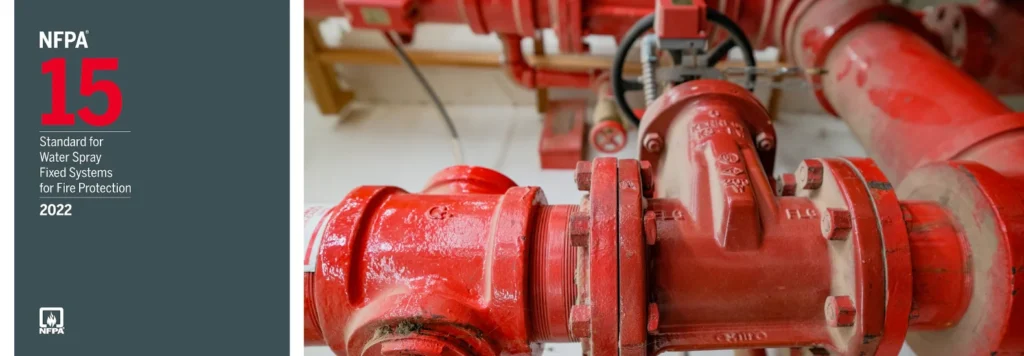
NFPA 1 Section 1.15 Fire Code Plan Review for Projects
Quick Answer
NFPA 1 Section 1.15 sets the ground rules for fire code plan review, helping projects align fire safety building plans with code before construction starts. For industrial, retail, and commercial sites, this process helps reduce delays, cut costly redesigns, and support safer approvals. Kord Fire Protection can strengthen that process with expert review, practical advice, and code focused support.
In busy commercial and industrial projects, a fire code plan review is often the quiet hero behind a smooth approval. It checks whether fire safety building plans meet the right standards before work moves ahead. When teams also need NFPA construction plan review, the process becomes even more important, because one missed detail can slow the whole job like a broken shopping cart wheel at full speed. That is where clear review, careful checking, and the right partner matter. For teams looking to connect plan review with broader system delivery, Kord Fire Protection also provides full fire protection services that support compliance, coordination, and readiness across commercial properties.

What NFPA 1 Section 1.15 Means for Project Teams
NFPA 1 Section 1.15 sets out the plan review process for fire code compliance. In simple terms, it gives authorities and fire protection professionals a structure for checking drawings, specifications, and design details before construction or fit out starts. This helps confirm that the proposed fire systems and building features match the code intent.
For industrial plants, retail centers, warehouses, and commercial facilities, this step can save time and money. It can also reduce the risk of major changes later. After all, nobody wants to discover a missing fire service detail when the site is already half built and the schedule is screaming for mercy.
Why this section matters before work begins
The value of Section 1.15 is not just that it creates another review box to tick. It creates a checkpoint while decisions are still flexible. A line on a drawing is much easier to move than a pipe rack after installation. A note on an approval set is far cheaper to fix than a clash discovered after several trades have already built around it. That alone makes this review worth serious attention.
It also gives project teams a common language. Architects, fire protection specialists, consultants, builders, and owners can all work from the same set of expectations. When everyone understands what is being checked and why, the plan review becomes a coordination tool rather than a late stage obstacle that appears out of nowhere like a magician with bad timing.
Why Fire Code Plan Review Matters Early
Early fire code plan review helps teams catch issues before they become expensive problems. It can flag missing fire separation details, poor access for fire equipment, weak system coordination, or layout conflicts between services. As a result, project teams can correct plans while changes are still simple.
This matters even more in large facilities where multiple trades work at once. Electrical, mechanical, structural, and fire protection systems must all fit together. Therefore, fire safety building plans should not sit in a corner collecting dust like a prop from an old sitcom. They need active review from the start.
Common issues caught in early review
- Conflicts between sprinkler routing and structural elements
- Alarm or detection layouts that miss critical areas
- Egress paths narrowed by equipment placement or fit out changes
- Access problems for hydrants, fire pumps, or control valves
- Documentation gaps that leave authorities guessing about design intent
Each of those issues can look small in isolation. Together, they can wreck momentum. A strong review at the beginning helps keep the project team focused on solving problems once, not three times in three different meetings with three different markups.
How NFPA Construction Plan Review Supports Approval
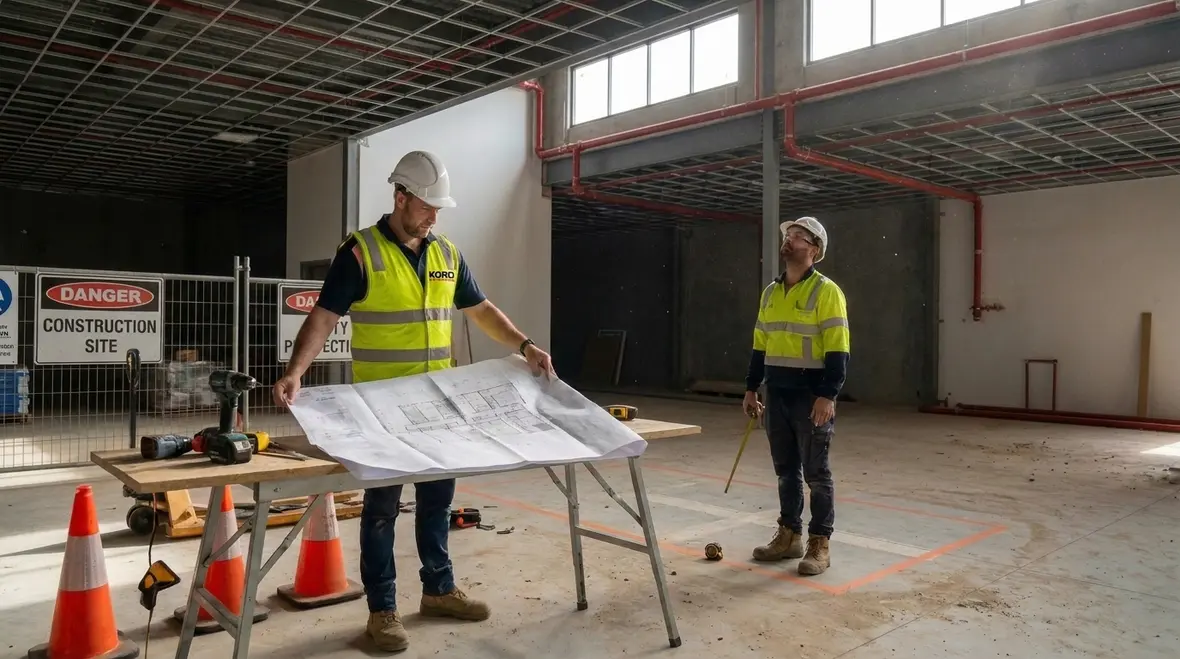
NFPA construction plan review gives decision makers a closer look at the building proposal before the first major works begin. It supports code compliance, helps show design intent, and gives owners a better chance of avoiding redesign later. In many cases, it also helps improve communication between consultants, contractors, and approving bodies.
This review usually looks at items such as:
- Fire compartmentation and separation
- Sprinkler and hydrant layout
- Alarm and detection coverage
- Fire access and egress paths
- Equipment location and service clearances
Each point may seem small on its own. However, together they shape whether the project moves cleanly through the next stage. A well reviewed package tells approving parties that the team has thought through the building, not just drawn a hopeful sketch and crossed its fingers.
| Plan Review Focus | Job Site Impact |
|---|---|
| Checks code alignment in drawings | Reduces rework during construction |
| Confirms system placement and access | Supports smoother installation |
| Finds conflicts before approval | Helps avoid delays and extra cost |
| Improves coordination across trades | Creates a cleaner site handover |
Approval benefits that often get overlooked
One of the less obvious benefits of review is confidence. Owners gain more confidence that the design can move forward without surprise detours. Consultants gain more confidence that their work aligns with adjacent trades. Contractors gain more confidence that installation can proceed with fewer field changes. Even the paperwork breathes easier.
How a Strong Review Helps Industrial and Commercial Sites
Industrial and commercial sites often face more complex fire protection needs than smaller buildings. For example, warehouses may need special sprinkler design for storage height and goods type. Retail sites may need careful alarm placement and safe exit flow. Facilities with plant rooms, loading docks, or large open areas may also need tailored fire strategies.
Because of this, a good fire code plan review does more than check boxes. It supports real world safety and operational needs. In turn, that can help protect staff, stock, visitors, and business continuity. Nobody enjoys a shutdown that starts with a missing detail and ends with paperwork that could fill a small library.
Real world pressure points on complex sites
Large sites rarely have the luxury of simple conditions. Storage layouts change. Equipment footprints move. Tenancy needs evolve. Service routes tighten. By the time all of that activity lands in one project set, plan review becomes the filter that separates a coordinated design from a future headache. It is not glamorous work, but neither is redoing installed systems because somebody assumed everything would magically line up.
Where Kord Fire Protection Adds Real Value
Kord Fire Protection can become a vital partner in this service because it brings practical fire protection knowledge into the plan review stage. Instead of only reacting after a problem appears, the team can help shape better outcomes from the start. That is valuable on projects where time, compliance, and clear communication all matter.
Kord Fire Protection can support:
- Fire code plan review for new builds and fit outs
- NFPA construction plan review for code based design checks
- Review of fire safety building plans for industrial and commercial use
- Coordination advice for fire systems and trade interfaces
- Clear feedback that helps reduce delays and rework
With this support, owners and builders gain a partner who understands both the code and the pressure of project delivery. That combination is worth its weight in steel and sprinkler heads. Teams that want a broader view of prevention strategy can also explore NFPA 1: A Comprehensive Guide to Fire Prevention and Safety for related context that fits naturally with plan review and code alignment.
What Teams Should Prepare Before Submission
To get better results from review, project teams should submit clear and complete documents. Good drawings, correct system notes, and accurate site information can speed up the process. In addition, teams should include updates from consultants and any design changes that affect fire safety.
Useful submission items often include:
- Site plans and floor plans
- Fire system layouts
- Equipment schedules
- Building use details
- Relevant code or standard references
When the package is complete, the review can move faster and with fewer surprises. That is the kind of surprise everyone likes: the kind that does not cost extra money. Clean submissions also reduce back and forth questions, which means less time lost hunting for missing notes, revised sheets, or that one attachment somebody swore was definitely included.
A practical checklist mindset
The strongest teams treat plan submission like a handoff, not a dump. They check that file names make sense, revisions are current, references are consistent, and the fire protection story can actually be followed from sheet to sheet. Reviewers should not need detective hats to understand the package.
FAQ
Move Your Project Forward with Confidence
NFPA 1 Section 1.15 gives project teams a clear path for fire code plan review, and that path can make the difference between smooth approval and avoidable delay. For industrial, retail, and commercial sites, Kord Fire Protection can help guide the process with practical support and code focused insight.
For projects that need fewer surprises and stronger fire safety building plans, the next step is simple: bring in the right partner early. When review starts early, coordination improves, approvals become smoother, and the whole project has a better chance of moving ahead without the usual chaos trying to steal the spotlight.

Join Our Newsletter!
Get the latest fire safety tips delivered straight to your inbox From our Newsletter.