NFPA 1 Section 1.17 Fire Code Violation Penalties Explained, Kord Fire Protection
Quick Answer
NFPA 1 Section 1.17 explains how fire code violations are handled, including notices, corrections, and penalties. For industrial, retail, commercial, and facility teams across Australia, the real risk is not just a fine. It is downtime, legal exposure, and safety failures. A partner like Kord Fire Protection helps reduce fire code violation penalties before they turn into expensive problems.
For teams trying to stay ahead of inspections and corrective work, Kord Fire Protection’s full fire protection services fit naturally into that goal by supporting inspection readiness, maintenance, and ongoing compliance across multiple life safety systems.
NFPA 1 Section 1.17 explained for Australian facilities
NFPA 1 Section 1.17 sets the rules for fire code violations and penalties. In plain terms, it gives fire authorities the power to enforce the code when a site falls short. That can include notices, required fixes, and fines. For businesses across Australia, this matters because fire safety is not just a box to tick. It is part of daily risk control, and the stakes are high when a site ignores fire safety violation consequences.
In industrial plants, retail centres, warehouses, and commercial buildings, small gaps can grow fast. A blocked exit, poor extinguisher access, or missing inspection records can trigger fire code enforcement fines. And no, the fire marshal is not impressed by a “we meant to get to it next week” excuse. The code expects action, not intentions.
Why this section matters in the real world
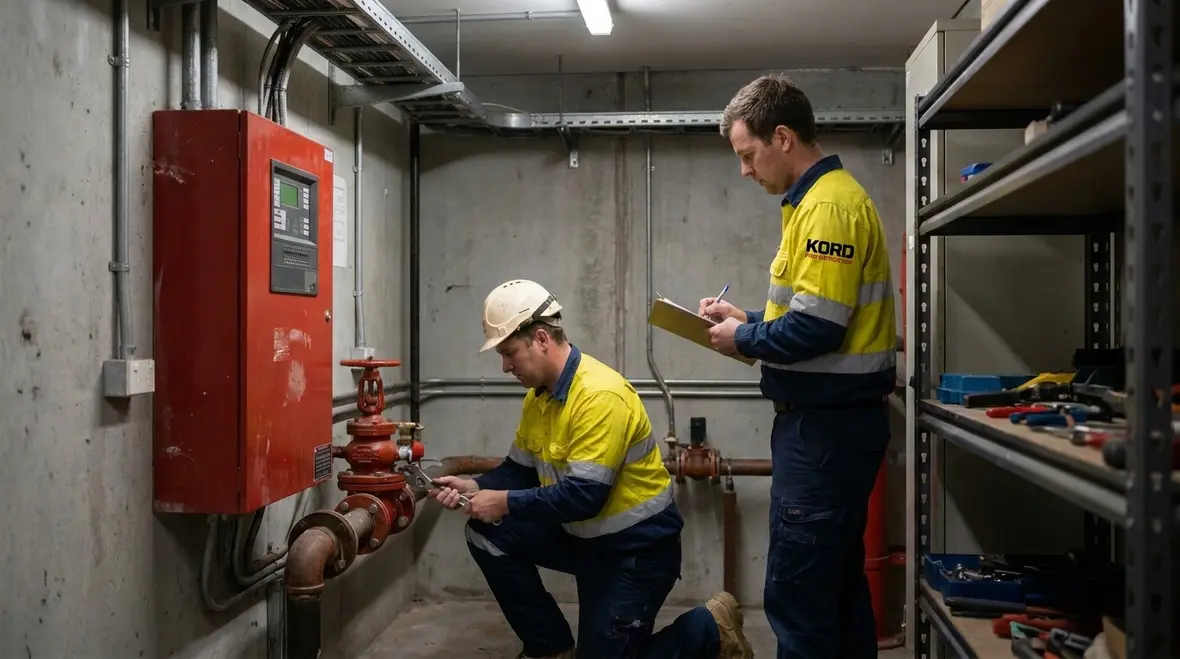
The practical takeaway is simple. When documentation is missing or site conditions drift out of compliance, enforcement no longer feels theoretical. It becomes operational. Managers suddenly need to answer questions, track deadlines, coordinate vendors, and explain why a known issue stayed unresolved. That is exactly why so many facilities treat code language like background noise until an inspection turns the volume all the way up.
How fire code violation penalties usually start
Most enforcement begins with an inspection or complaint. Then the authority identifies the breach and issues direction. Some issues call for immediate correction, while others allow a set time to fix the problem. However, if a site ignores the notice, the matter can escalate quickly.
Typical fire code violation penalties may involve:
- Written notices of breach
- Orders to fix the hazard within a deadline
- Repeat inspections
- Fines for non compliance
- Escalation to legal action in serious cases
Because of this, sites should treat every notice with care. A small issue today can become a much larger cost tomorrow. That is how fire safety violation consequences often begin: quietly, then all at once, like a plot twist in a drama series nobody asked for.
Common triggers that should never be left to “later”
Blocked access, overdue testing, impaired alarms, outdated records, and equipment that looks fine until someone actually checks it are all repeat offenders. None of them seem dramatic during a busy week. That is the trap. Fire code problems often start as ordinary housekeeping failures, then mature into compliance failures, then become financial failures. By that point, the cheap fix is gone and the expensive lesson has arrived right on schedule.
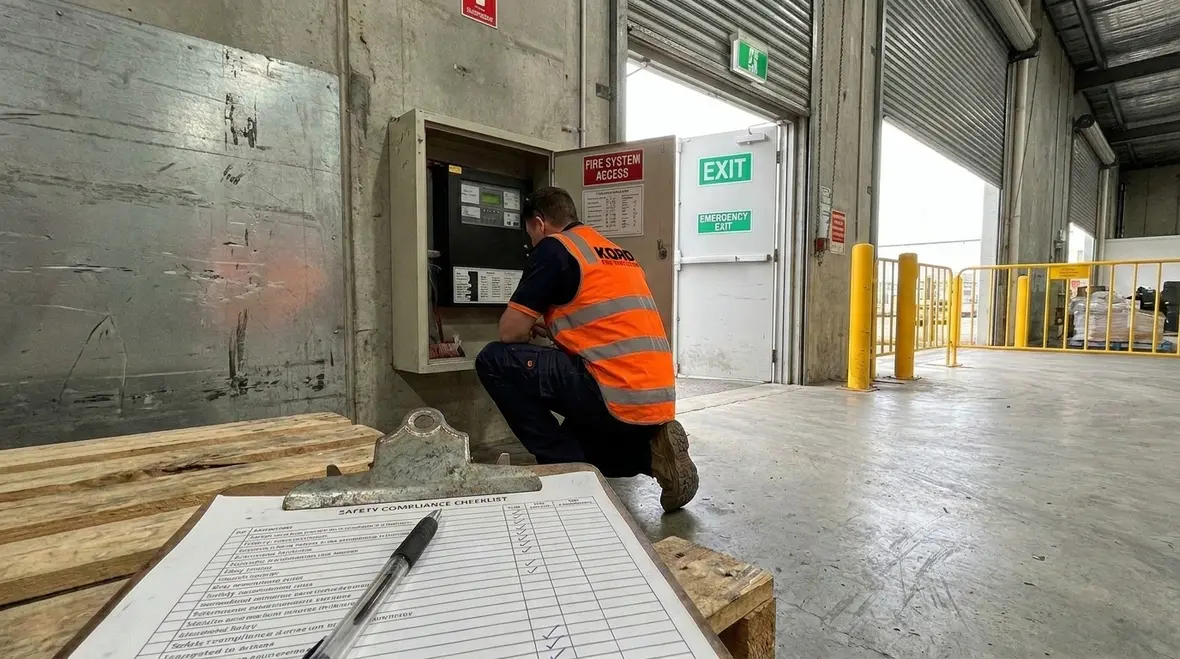
Why NFPA code enforcement fines hit business hard
NFPA code enforcement fines are only one part of the problem. The larger cost often comes from lost time, failed audits, insurance pressure, and damaged trust. In retail, a closure or restricted area can affect sales at once. In industrial sites, a shutdown can interrupt supply chains and production targets. In commercial buildings, tenants may start asking hard questions.
Also, repeated breaches can make compliance look weak. That can lead to more checks, more paperwork, and more stress for the site team. Therefore, businesses should see enforcement as a signal, not just a punishment. The message is simple: fix the risk before it becomes the headline.
This is also where the right support structure matters. Kord Fire Protection emphasizes inspection, testing, maintenance, and coordinated service programs that help buildings stay code compliant and inspection ready. That broader compliance focused model is the difference between scrambling after a deficiency and staying prepared before the next one lands on your desk.
The hidden operational costs behind the obvious penalty
A fine is visible. The operational drag is sneakier. Site teams lose hours gathering records, arranging return visits, briefing leadership, updating vendors, and calming worried stakeholders. Meanwhile, confidence drops. Once a facility gets a reputation for inconsistent compliance, every future review starts with extra suspicion. That is not a line item on a spreadsheet, but it absolutely shows up in workload, urgency, and stress.
What fire safety violation consequences mean for operations
Fire safety violation consequences go beyond the fine itself. They often include safety gaps, higher risk to workers and visitors, and damage to brand reputation. In busy facilities, one missed item can disrupt the whole site flow.
Dual column view of common consequences and business impact
| Consequence | What it means for the business |
| Compliance notice | Teams must respond fast and document fixes |
| Fine or penalty | Budget loss and possible repeat costs |
| Service limits | Operations may slow or stop |
| Legal follow up | Management time and added risk exposure |
As a result, compliance works best when it becomes part of daily site management. The goal is not only to avoid penalties. The goal is to keep people safe, keep systems running, and keep the business moving.
Operational reality
Once an issue affects inspections, service access, or records, teams rarely deal with one problem at a time. They deal with the issue itself plus all the follow-up that comes attached to it.
Better outcome
Routine compliance reviews help catch manageable defects before they graduate into notices, reinspection costs, and awkward explanations in front of management.
How a compliance partner helps fix gaps faster
This is where Kord Fire Protection becomes a vital partner. A strong fire protection team does more than install equipment and leave. It helps identify weak points, support maintenance, and reduce the chance of fire code violation penalties before they appear. For busy sites, that kind of support can save time, money, and a great deal of headache. And yes, headaches count too, especially the kind caused by surprise inspections.
Kord Fire Protection can support businesses with practical services such as inspection support, fire system maintenance, compliance checks, and clear reporting. That matters because fire code enforcement fines often follow simple preventable issues. When a site has a trusted partner, it can respond faster and with more confidence.
Strong documentation also matters during reviews and audits. Kord Fire Protection’s article on fire safety system documentation for compliance reinforces why maintenance logs, inspection reports, and service records are not paperwork for paperwork’s sake. They are proof that a site is doing the work, on time, and with consistency.
Why one provider often reduces more chaos than people expect
When inspections, repairs, testing, and reporting are split across too many vendors, small issues get passed around like nobody wants custody of the problem. A single coordinated partner can connect the dots faster, prioritize deficiencies, and keep records cleaner. That does not just reduce penalties. It reduces confusion, duplicated effort, and the classic site manager question of “who was supposed to handle this again?”
What industrial, retail, and commercial teams should do next
Teams across Australia should treat fire compliance as a routine process, not an emergency response. First, they should review current systems and records. Next, they should correct any known hazards. Then, they should keep maintenance, testing, and staff awareness on a steady schedule.
It also helps to assign clear responsibility. When everyone owns compliance, nobody owns it. That is how problems sneak in wearing a fake mustache. A better approach is to make fire safety part of site checks, contractor management, and audit prep. In turn, this reduces the chance of fire safety violation consequences becoming a larger issue.
If teams want a broader foundation for code awareness, Kord Fire Protection also covers the bigger picture in NFPA 1: A Comprehensive Guide to Fire Prevention and Safety. That makes it a helpful companion read for understanding how enforcement fits into the wider code framework.

FAQ
Conclusion
NFPA 1 Section 1.17 makes one thing clear: fire code violations carry real consequences. For Australian industrial, retail, and commercial sites, the smarter move is prevention. Kord Fire Protection can help reduce fire code violation penalties, support compliance, and protect operations before problems grow teeth.
For businesses that want fewer surprises and stronger safety, now is the time to act. The goal is not to wait for an inspection to reveal what routine attention could have solved earlier. It is to stay ready, stay documented, and stay ahead of the kind of problem that always costs more once it starts talking.

Join Our Newsletter!
Get the latest fire safety tips delivered straight to your inbox From our Newsletter.