NFPA 1 Flammable Liquid Processing Fire Safety
Quick Answer
NFPA 1 Section 66.17 guides the safe design and operation of flammable liquid processing facilities. This article outlines how those rules protect workers and assets and why Kord Fire Protection can be a vital partner in delivering compliant fire safety programs across Australia.
For facilities reviewing related suppression strategies, layered fire protection for flammable liquids offers a practical companion read near the start of planning, especially when aligning detection, containment, and suppression with real site hazards.
Introduction
NFPA 1 flammable liquid processing facilities fire safety forms the backbone of caution and care in plants that handle volatile liquids. The standard lays out how facilities should design, operate and maintain systems to control ignition sources, contain spills and alert teams quickly. For Australian industrial sites, retail service centers and commercial facilities, these rules are not just checklists they are a clear path to safer operations. The goal is to protect people, equipment and processes while keeping production on track. At the same time a calm and thorough approach helps teams sleep better at night and notes that a good plan can keep a plant running even when the storm hits. In the world of fire safety a steady hand matters more than a flashy flare a fact that makes a trusted partner like Kord Fire Protection valuable when everything hinges on trust and timely action.
NFPA 1 Section 66.17 in Focus
Section 66.17 dives into how facilities should manage flammable liquids. It covers design choices such as proper storage confinement, ventilation, bonding and grounding to prevent static ignition and proper layout that minimizes transfer risks. The section also highlights ignition source control, equipment standards and the need for clear maintenance and testing routines. In simple terms it is a playbook that aims to keep fires from starting and to control them fast when they do occur. The result is predictable safety that lets operations run with fewer surprises even when markets push hard.
Why this matters on real sites
A flammable liquid hazard rarely waits politely in one tidy spot. Vapors move, spills travel, and ignition sources have a bad habit of appearing where people hoped they would not. That is why strong design choices and disciplined maintenance matter so much in processing environments.
Teams that want broader context can also review NFPA 1: a comprehensive guide to fire prevention and safety to connect Section 66.17 with the wider code framework.
Industry Scope in Australia under NFPA 1 flammable liquid processing facilities fire safety
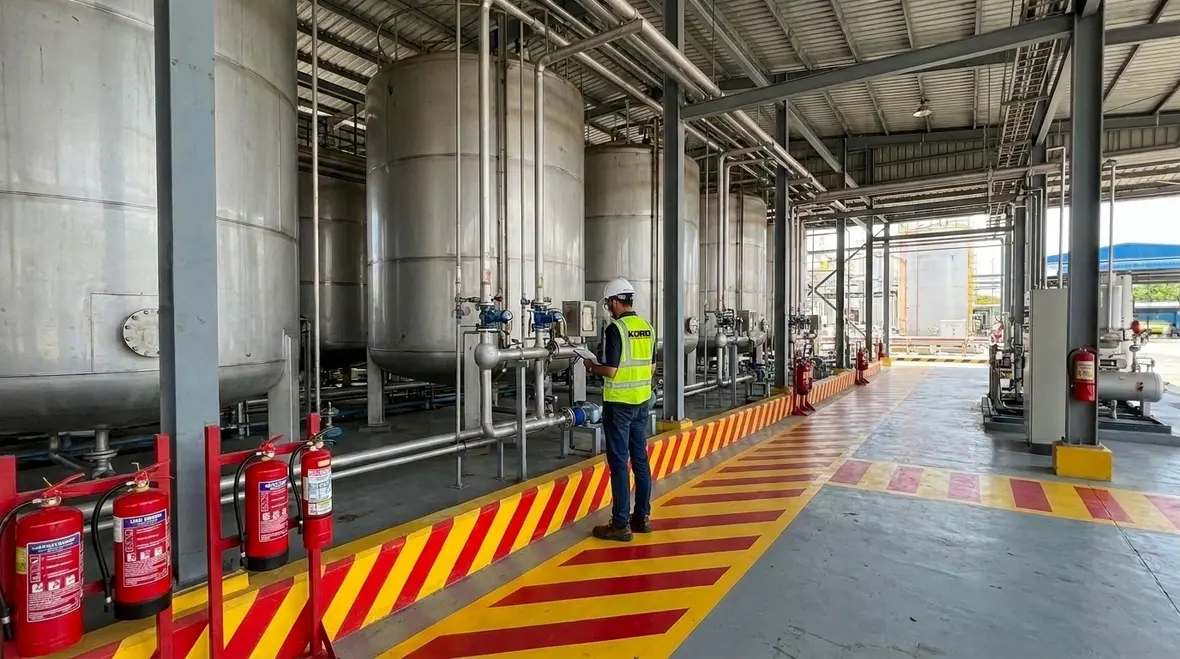
Australian sites across industry sectors face the same core risks found in global facilities. Industrial plants that process flammable liquids, retail facilities that store volatile fuels and commercial operations with chemical handling all need strong fire safety programs. The standards help facilities plan for spills, proper drainage, safe storage and reliable detection. They also guide how teams train, inspect and document safety actions. For businesses this means a clearer path to compliance and fewer late nights worrying about unexpected audits. The result is safer workplaces that meet local rules while aligning with international best practice.
Key Safety Measures and Controls
- Containment for spills and leaks to prevent spread and reduce fire risk
- Bonding and grounding to prevent static sparks during transfers
- Ventilation that removes vapors without drawing them into work zones
- Dedicated fire protection systems that match risk levels
- Clear maintenance schedules and testing routines for all safety equipment
- Emergency planning that trains staff to act calmly and quickly
In addition the standard calls for good housekeeping so that dust and residue do not add fuel. And it requires clear labeling so responders know exactly what they face. All of this translates to fewer fires and faster, safer responses when alarms sound.
Protection systems that fit the hazard
Not every flammable liquid hazard should be approached with the same suppression strategy and that is where careful engineering earns its keep. A useful related resource is industrial fire suppression solutions for real hazards, which helps frame why site specific choices matter more than wishful thinking.
Partnering with Kord Fire Protection in NFPA 1 flammable liquid processing facilities fire safety programs
Kord Fire Protection brings experience across industrial, retail and commercial facilities. They help identify gaps in existing safety plans and tailor systems to local needs in Australia. The team can perform risk assessments, design compliant fire protection schemes, install and commission equipment and train staff on operation and maintenance. They also provide ongoing support including testing, inspection, and documentation for audits. With Kord on the job the safety program becomes a living system not a one off project, and that makes a real difference when timing matters most.
Two Column Snapshot of Actions
Column A
- Assess risk from stored flammable liquids
- Design appropriate containment and ventilation
- Install rated detection and suppression systems
Column B
- Train staff on emergency procedures
- Schedule regular maintenance and tests
- Document compliance for audits and reviews
These two lists show how different tasks come together to form a complete program. In practice both columns work in harmony to keep a facility safe every day and in all weather.
Compliance Steps and Best Practices
- Start with a formal risk assessment that maps storage areas, transfer points and ignition sources
- Choose equipment that meets local codes and NFPA 1 Section 66.17 guidance
- Establish written procedures for spill response and incident reporting
- Schedule routine inspections and keep records that auditors can trust
- Train all staff in safety drills, responsibilities and communication
Consistency is the strongest shield. When teams follow a steady routine the risk of errors drops and the plant runs smoother. And if a question arises Kord Fire Protection can provide answers backed by hands on experience.
FAQ
Conclusion and Call to Action
In Australian facilities the steady discipline of NFPA 1 flammable liquid processing facilities fire safety brings peace of mind. By partnering with Kord Fire Protection teams gain a trusted ally who can implement and sustain the safety program long term. Reach out today and start building a safer operation for tomorrow.

Join Our Newsletter!
Get the latest fire safety tips delivered straight to your inbox From our Newsletter.