
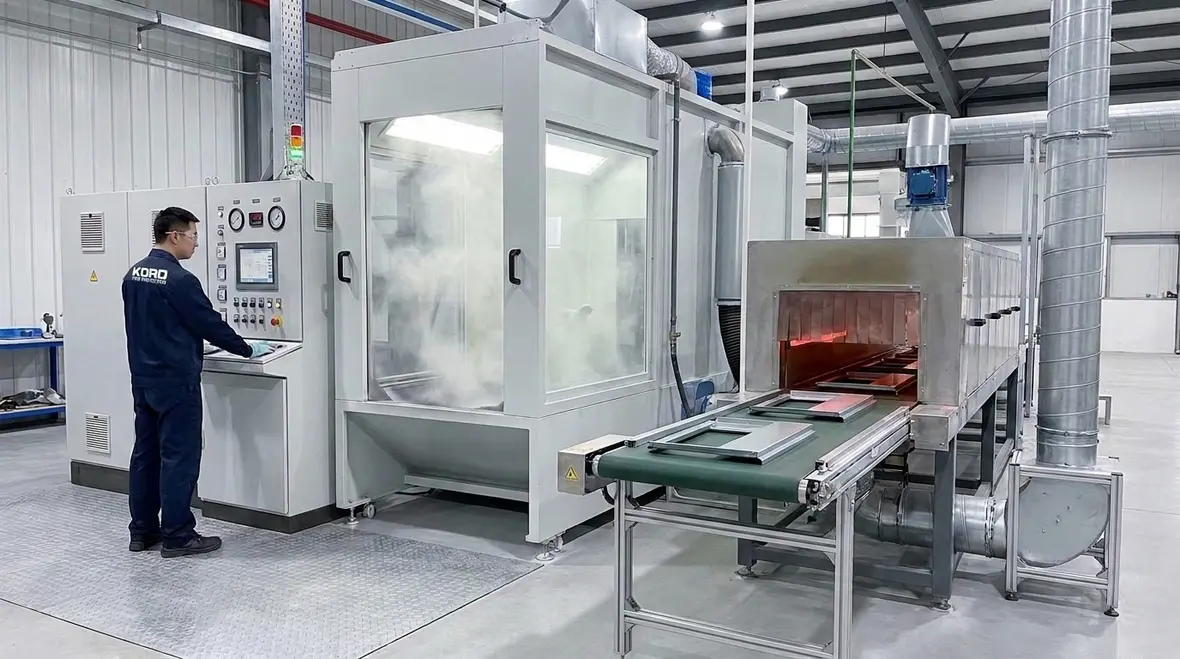
NFPA 33 Section 15.15 Hot Flocking With Powder Materials: Requirements, Compliance, and Operational Controls
Quick Answer: NFPA 33 Section 15.15 establishes operational and engineering controls for hot flocking systems using powder materials. It focuses on hazard management such as ignition source control, powder handling safety, equipment integrity, and ongoing inspection practices to support effective fire and explosion risk reduction.
Facilities building a broader compliance strategy can also review fire protection services in Southern California for support with inspections, repairs, documentation, and ongoing code-aligned maintenance.
What NFPA 33 hot flocking powder coating requirements actually cover
NFPA 33 addresses fire and explosion hazards from combustible dust and powder processing. For facilities running hot flocking operations, Section 15.15 requires that design and operations keep ignition sources from contacting powder clouds, deposits, or flammable residues. The NFPA 33 hot flocking powder coating requirements emphasize preventing ignition, controlling accumulation, and maintaining equipment in a safe operating condition through inspections and documented practices.
Hot flocking differs from many fixed powder coating lines because the process uses heating and often involves more complex airflow, transfer paths, and staged steps. Compliance therefore concentrates on how the powder is delivered, conditioned, heated, and contained, plus how the facility verifies control effectiveness over time.
1) Core hazard controls in Section 15.15 hot flocking operations
Section 15.15 hot flocking controls typically center on managing three interrelated risk drivers: ignition sources, combustible powder availability, and the conditions that allow powder to become airborne or persist as a surface deposit.
Ignition source control for heated process steps
Hot flocking operations expose areas to elevated temperatures and heat transfer surfaces. Controls should specifically address ignition potential from:
- Heater surfaces and hot zones where powder might contact or accumulate
- Electrically powered components within powder handling areas
- Mechanical friction points such as bearings, belt drives, and agitators
- Static electricity buildup and discharge in transfer and charging steps
In practice, commercial facilities reduce ignition risk by combining equipment rated performance with documented operating parameters. This includes confirming that thermal limits, interlocks, and airflow conditions match the system configuration and that any deviations trigger safe shutdowns.
Powder cloud and residue management
Hot flocking systems can generate airborne powder during feeding, transport, and deposit formation. Even when clouds are intermittent, residues can build up in air plenums, ductwork, housings, and around heater assemblies. Compliance must treat deposits as a continuing fuel source.
Operational controls typically include:
- Engineering separation of powder zones from ignition-prone locations
- Containment and duct integrity to prevent powder leakage into nonhazard areas
- Housekeeping and cleaning approaches that remove deposits without creating new hazards
- Verification that ventilation and collection systems capture fugitive powder
2) Equipment integrity and enclosure strategy: where systems fail in the field
Compliance becomes difficult when equipment degrades. Many hot flocking incidents and near misses in commercial settings involve partial loss of containment, compromised airflow, or unnoticed residue buildup. A practical compliance program focuses on the failure points that most often undermine safety controls.
Ventilation, collection, and ductwork reliability
Hot flocking operations often depend on airflow direction and collection equipment to keep powder contained and prevent accumulations. Common failure conditions include:
- Leaks at duct joints, access doors, or clamps allowing powder escape
- Reduced airflow due to clogged filters, impellers, or duct restrictions
- Improper pressure relationships causing backflow into nonhazard areas
Commercial facilities should treat ventilation verification as routine, not optional. Inspections should include checks for duct integrity, fan operation, and evidence that collection devices remove powder effectively under normal line conditions.
Electrically rated components in powder zones
Powder areas often require electrical components appropriate for the hazard environment. Hot flocking may introduce intermittent deposition near energized parts, increasing the likelihood of ignition. Facilities should confirm that:
- Electrical enclosures and cable penetrations remain sealed and intact
- Grounding and bonding methods are maintained to limit static-related events
- Any changes to motors, controls, or wiring are evaluated for hazard compatibility
Heater assemblies and thermal interfaces
Where powder interfaces with heated surfaces, thermal safety depends on correct equipment configuration and stable operating conditions. The compliance risk increases when:
- Interlocks are bypassed or not tested after maintenance
- Heater controls drift out of specified ranges
- Dust or powder builds on hot components
- Insulation and shielding degrade, creating new contact paths
Preventive maintenance should include inspection of heat shields, insulation condition, sensor placement, and airflow patterns around the heater area.
3) Operational procedures that support compliance during daily production
Section 15.15 compliance depends on the day to day actions that affect powder dispersion, enclosure performance, and ignition control. Facilities should implement written procedures that reflect the actual production sequence.
Start up and shutdown controls
Hot flocking lines typically require controlled sequencing to avoid starting a heated condition without correct airflow. A robust procedure ensures:
- Ventilation and collection operate before heaters energize
- Powder feeding aligns with stable airflow and established containment
- Shutdown purges and safe cool down prevent residual powder from settling on hot surfaces
Maintenance and filter management
Filter changes, vacuuming, and cleaning are frequent operational interruptions. These activities can create compliance gaps if contractors do not follow system specific methods. Facilities should require:
- Documented cleaning methods that prevent dust cloud creation
- Control of waste handling and disposal to avoid secondary contamination
- Verification checks after maintenance, such as enclosure integrity and airflow confirmation
Training for operators and maintenance teams
In retail and commercial industrial settings, the maintenance workload often rotates among teams. Training should focus on practical recognition of hazards such as:
- Unexpected odor, heat signatures, or visible powder accumulation
- Abnormal fan noise, reduced capture, or airflow imbalance
- Damage to gaskets, seals, access panels, and duct supports
- Frequent alarms that indicate control degradation
4) Inspection, documentation, and continuing compliance for commercial facilities
Most compliance programs fail because inspection activities do not map to the actual risk drivers in hot flocking. Facilities should maintain a cycle that tests engineering controls and verifies safe operating condition.
What inspections should confirm
At a minimum, inspections for NFPA 33 hot flocking powder coating requirements should confirm:
- Powder handling enclosure condition, including doors, seals, seals seating, and penetrations
- Ventilation and collection performance indicators consistent with production mode
- Absence of excessive powder deposits in ducts, housings, plenums, and around heaters
- Electrical component condition, including grounding continuity and cable integrity where applicable
- Interlocks and safety systems operate as designed after any service
Maintenance records and evidence of control
Commercial facilities benefit from maintaining clear evidence that corrective actions occurred and that equipment remains within safe limits. Records should include:
- Cleaning and inspection checklists tied to specific locations
- Maintenance work orders for seals, duct joints, fans, heaters, and control components
- Results of any functional tests performed for interlocks and alarm systems
If facilities lack documentation, third party review becomes harder and operational risk remains hard to quantify.
If your facility needs a structured approach for powder hazard controls, Kord Fire Protection supports commercial compliance planning, field verification, and maintenance alignment across industrial environments. For additional guidance, review Kord Fire Protection services to support ongoing fire safety readiness.
5) Common noncompliance patterns to watch for during audits
Audits in commercial, industrial, and retail environments frequently identify recurring issues. Recognizing these patterns early helps prevent corrective action delays and operational downtime.
- Visible residue without a defined cleaning trigger: Facilities clean on a schedule, but do not verify residue levels against risk tolerance.
- Ventilation not verified after maintenance: Filters or duct components change, but airflow and capture performance are not confirmed.
- Interlocks treated as “production annoyances”: Interlocks may be bypassed or delayed testing after servicing.
- Unauthorized equipment modifications: Swapped components do not match hazard ratings or enclosure requirements.
- Contractor cleaning methods that generate dust clouds: Cleaning tools and procedures may not match powder hazard requirements.
These patterns often trace back to a mismatch between written procedures and actual practices. Effective compliance links training, maintenance workflows, and inspection locations directly to hot flocking risk.
Frequently Asked Questions
Call to action
Hot flocking compliance requires more than a checklist. Kord Fire Protection can help commercial facilities verify that NFPA 33 controls remain effective through inspections, documentation support, and maintenance alignment. Contact Kord Fire Protection today to schedule a compliance-focused review of your hot flocking line and risk control program, including the areas most likely to accumulate powder and undermine ignition prevention.

Join Our Newsletter!
Get the latest fire safety tips delivered straight to your inbox From our Newsletter.



