
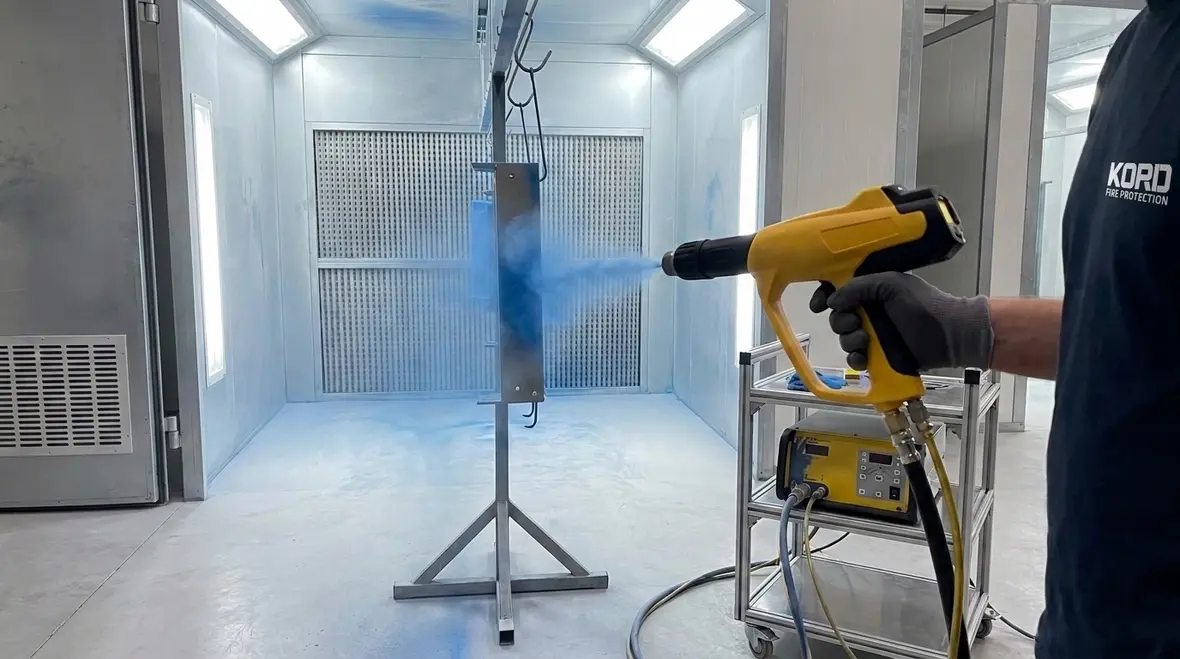
NFPA 33 Section 15.12: Handheld Electrostatic Powder Spraying Equipment
Quick Answer: NFPA 33 Section 15.12 sets requirements for safe operation of handheld electrostatic powder spraying equipment. The provisions focus on minimizing ignition risk, controlling electrostatic hazards, and ensuring proper equipment condition through inspection, maintenance, and operating controls. Compliance protects personnel, facilities, and property.
What NFPA 33 Section 15.12 is trying to prevent
NFPA 33 addresses fire and explosion hazards associated with combustible powders, including electrostatic ignition risk. In handheld applications, the risk profile increases because the operator controls movement, exposure conditions can vary, and equipment may be handled, bumped, stored, or serviced differently than fixed systems.
NFPA 33 handheld electrostatic powder spraying equipment requirements in Section 15.12 are designed to reduce ignition potential during spraying and related operations. That means the equipment must operate as intended, stay in a safe condition over time, and be used with controls that match the electrostatic and dust ignition realities of powder coating environments.
Where Section 15.12 fits in your facility safety program
Handheld electrostatic guns are often used in commercial and industrial coating, repair, finishing, and manufacturing support areas, as well as certain retail and refurbishment operations. Section 15.12 does not stand alone. It interacts with your broader NFPA 33 obligations and with facility standards that manage combustible dust and ignition sources.
In practice, compliance management usually requires a documented workflow that includes:
- Controlled installation and setup by qualified personnel.
- Training that covers safe handling, spraying practices, and shutdown procedures.
- Routine inspection and maintenance to ensure electrical and mechanical components stay within safe limits.
- Environmental controls such as ventilation, housekeeping, and powder handling practices that prevent excess accumulation and secondary ignition sources.
Commercial owners and facility managers typically struggle when these elements live in separate programs. Kord Fire Protection helps unify compliance documentation, inspection schedules, and maintenance verification so your handheld electrostatic powder operations remain auditable and reliable.
For a broader look at documentation, inspection intervals, test logs, and corrective action history, see this commercial fire safety audit guide.
Operating controls that support safe electrostatic spraying
Section 15.12 expectations translate into practical operational controls. The goal is consistent performance and predictable electrostatic behavior during spraying. Common controls include equipment start up sequence control, safe interruption and shutdown, and monitoring conditions that affect ignition risk.
Start up, spray cycle, and shutdown discipline
Handheld electrostatic systems can produce hazardous conditions if operated improperly. For example, incorrect sequence control can lead to ineffective grounding or abnormal electrical output. A robust procedure should align the powder supply, air supply, and electrostatic components so the system reaches stable operating conditions before spraying begins.
Operational discipline also includes safe interruption. When spraying stops, employees should execute shutdown steps that reduce unsafe charge states and avoid leaving energized equipment in an uncontrolled condition.
Grounding and bonding verification
Electrostatic performance depends on controlled charge transfer. If grounding is compromised, charge behavior can shift, potentially increasing ignition risk. Facility practice should include verification that the gun, workpieces, fixtures, and conductive tooling maintain proper bonding and grounding. Any change in workpiece material, fixture replacement, paint rack modifications, or floor system condition should trigger reassessment and documented checks.
Handling of hoses, cables, and connectors
In handheld use, wear is not theoretical. Operators route hoses around corners, bend cables during movement, and store guns in ways that can stress connectors. Degraded insulation, damaged cables, or loose couplings can create abnormal electrical conditions. The strongest compliance approach is to treat cables and connections as first line components rather than “accessories.”
Inspection and maintenance: the compliance layer most facilities miss
NFPA 33 handheld electrostatic powder spraying equipment requirements rely on maintaining safe equipment condition. The compliance failure pattern most often involves deferred maintenance, incomplete inspection records, or parts substituted without verification of suitability.
Key inspection targets during routine checks
In handheld systems, inspection should focus on the condition and function of electrostatic and mechanical components, including:
- Electrostatic power delivery components, including any high voltage connections and insulating components.
- Gun housings and seals that protect internal components from contamination.
- Nozzles and air pathways that support proper powder discharge pattern and stable operating flow.
- Hoses and cables, with attention to abrasion, kinks, and insulation damage.
- Earth or ground connections and bonding points, including fastener security and corrosion resistance.
- Indicators and interlocks that confirm safe operating states.
Common failure points that drive unsafe conditions
Several recurring problems appear in commercial facilities:
- Blocked or partially obstructed powder pathways that change spray output and can increase charge and dust deposition variability.
- Air supply instability that disrupts atomization, leading to heavier powder clouds and inconsistent electrostatic capture.
- Contamination of internal components that reduces insulation performance.
- Improper storage that leaves equipment exposed to powder buildup or mechanical damage.
How to make maintenance auditable
Facilities improve compliance outcomes by using a consistent inspection and maintenance log that includes the date, equipment identifier, inspection results, corrective actions, and the responsible technician. When Kord Fire Protection supports your program, the documentation becomes stronger, and the link between inspection findings and operational risk becomes easier to demonstrate during internal audits or third party reviews.
If you need to align powder spraying safety with broader fire protection requirements, use this internal resource: commercial fire suppression system services.
Inspection, testing, and verification for real world commercial use
Handheld operations typically include multiple shifts, frequent changeovers, and frequent product or workpiece variability. That creates conditions where the “as installed” baseline can drift.
To address drift, organizations should include verification checkpoints tied to equipment condition and operational outcomes. These checkpoints should consider:
- Post maintenance verification after replacing components that affect electrical behavior.
- Periodic functional testing to confirm the system maintains stable spray performance.
- Grounding and bonding verification after fixture changes, floor remediation, or equipment relocation.
- Assessment of housekeeping effectiveness in spray and transfer zones to reduce combustible dust accumulation that can magnify ignition consequences.
For commercial, industrial, and retail facilities, the real compliance value comes from creating a closed loop: inspection findings drive corrective actions, corrective actions drive functional checks, and verification updates the compliance record.
Frequently Asked Questions
Conclusion and Call to Action
NFPA 33 Section 15.12 requires more than “safe spraying” messaging. It depends on disciplined operating controls, verified grounding, and consistent inspection and maintenance for NFPA 33 handheld electrostatic powder spraying equipment. Kord Fire Protection can help your facility turn NFPA 33 obligations into a practical, auditable program that reduces ignition risk and supports ongoing compliance. Contact Kord Fire Protection to assess your handheld operations, maintenance documentation, and inspection readiness.

Join Our Newsletter!
Get the latest fire safety tips delivered straight to your inbox From our Newsletter.



