In every real facility, reliable fire response starts long before the first alarm. It begins with fire water distribution systems and valves that move water where it must go, when it must go there. Mueller fire protection valves help accomplish that goal by controlling flow, routing pressure, and supporting dependable fire protection performance. And because people have questions, kord fire protection technicians regularly explain how these components work in plain terms, not vague brochures that read like legal poetry. Then, when the system performs during drills or real events, those explanations turn into confidence. Yes, water distribution can sound boring, but when it is done right, it becomes the quiet hero no one notices until it matters.
How Mueller fire protection valves direct water distribution
Mueller fire protection valves act like controlled gateways in a water network. First, they sit between a water supply and the portions of a building piping system that feed sprinklers, standpipes, hoses, or other fire protection outlets. Then, they open, close, and throttle water based on the system design, the signal received, and the safety strategy the project follows.
In most layouts, the system depends on correct pressure and stable flow. Therefore, each valve type plays a specific role. Some valves isolate sections so maintenance crews can service one area without shutting down everything. Others control water delivery so it reaches the right device in the right sequence. And still others help manage pressure changes so the network stays within its designed operating range.
kord fire protection technicians often point out a key idea to facility teams: valves do not “create” water. Instead, they shape how water moves. If supply pressure runs low, the best valve in the world cannot fix the cause. On the other hand, a poorly selected valve can reduce flow, trap air, or create unwanted pressure drop. That is why a good design and correct installation matter as much as the valve itself. It is like choosing shoes for a marathon. You can still run in sandals, but you will not enjoy it, and the finish line will not feel kind.
Common real world use cases for fire water distribution systems and valves
Fire protection is not one size fits all, and the best projects reflect that reality. Below are practical situations where Mueller fire protection valves and the surrounding fire water distribution systems and valves strategy show up in daily operations.
- Multi story commercial buildings: Valves help segment risers and distribution zones, so staff can isolate and inspect parts of the system. That means less downtime and fewer surprises during routine checks.
- Industrial plants: In facilities with process equipment, piping routes must fit around obstacles. Valves support maintenance plans and help keep the network stable across changing flow conditions.
- Apartments and mixed use properties: Valves support reliable water delivery to sprinkler systems and standpipe arrangements. They also assist with sectional control during inspections.
- Warehouses: High rack storage demands dependable flow where heads activate. Valves ensure the system can deliver water without unnecessary restriction.
- Municipal tie ins and remote water sources: In these cases, the system depends on consistent pressure. Valves and controls help regulate and protect the distribution network.
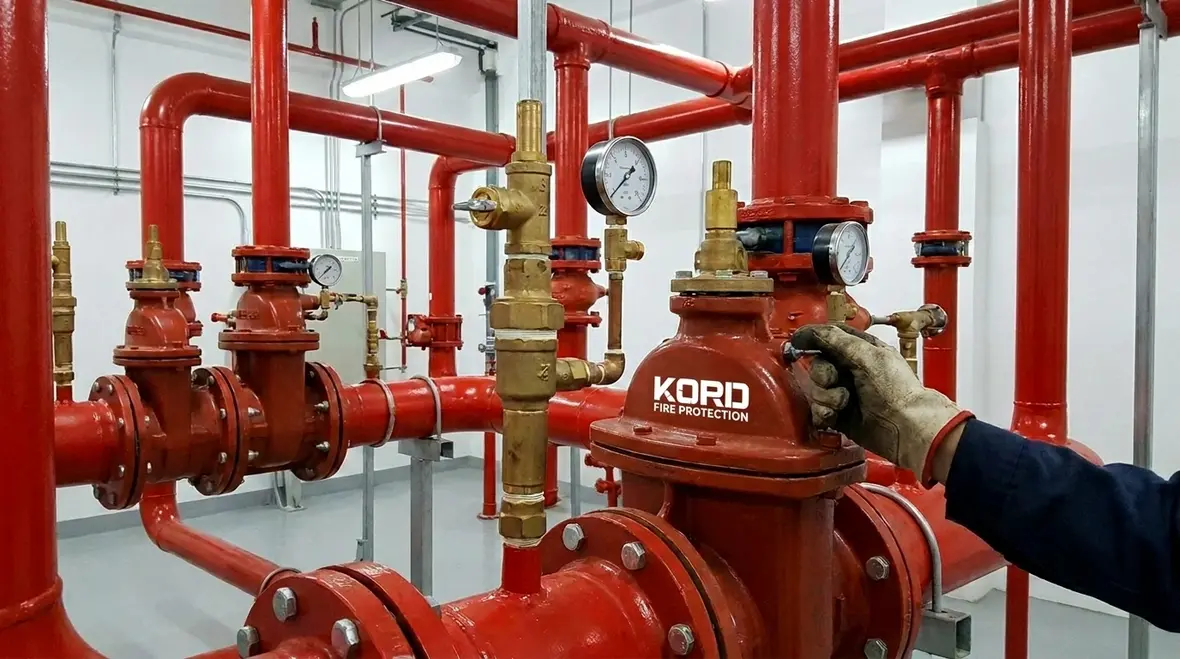
Furthermore, real teams often learn faster when someone walks them through the system. As kord fire protection technicians explain on site, it is easier to understand a valve once someone points out where it sits, what it controls, and what “normal” looks like. Then the facility team can make better decisions during upgrades, tenant changes, and seasonal readiness programs.
Strengths of Mueller valves in pressure and flow control
When Mueller fire protection valves are matched to the design, they offer key benefits that support both life safety and business continuity. First, they help maintain proper flow by reducing the risk of unexpected restriction. Second, they support stable operation through designed pressure handling, which protects the rest of the distribution network.
Additionally, these valves often help teams with operational clarity. Many systems include status indicators and setup that let technicians confirm valve position and system readiness. As a result, inspections become more efficient because the team can verify key points without guesswork.
Then there is reliability under stress. Fire systems face harsh conditions during a lifetime of testing, corrosion exposure, vibration, and temperature swings. A robust valve selection and correct installation help keep the system dependable. And yes, even though water does not sound dramatic, a valve that sticks at the worst time is about as fun as finding out your favorite streaming service shut down mid season. Nobody plans for that.
Potential weak points and how teams avoid them
No valve exists in a perfect world. Therefore, the main weak points usually come from incorrect application, poor installation, or neglect over time. For example:
- Wrong valve selection: If the valve does not match the hydraulic needs, it can cause pressure drop or reduce flow to critical areas.
- Improper sizing: Even a quality valve can underperform when pipe sizes or flow calculations do not align with design intent.
- Installation errors: Misalignment, incorrect orientation, or missing components can affect performance.
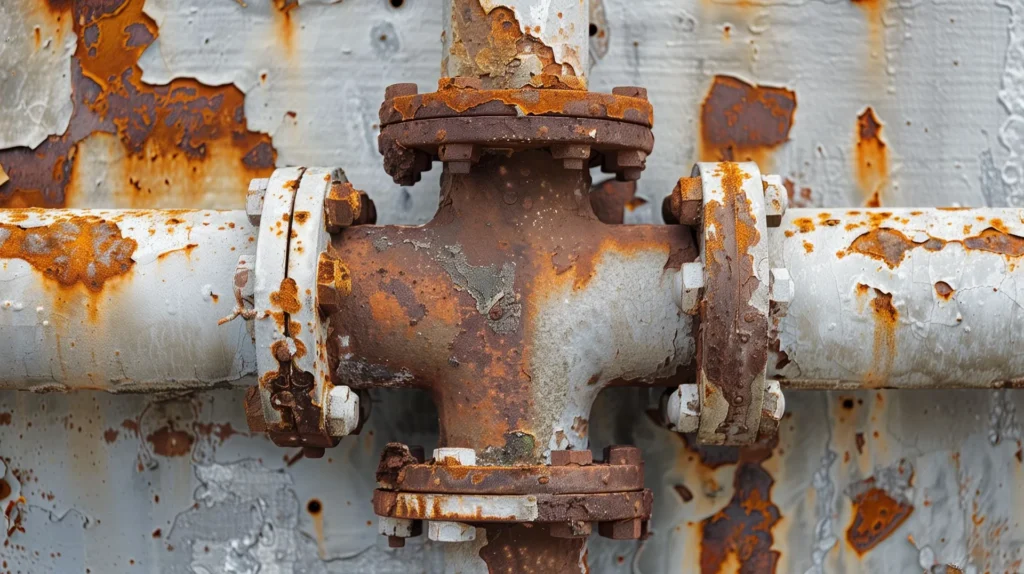
- Corrosion and debris: Over time, sediment and corrosion can hinder movement or create flow issues.
- Automation and interface problems: In systems with controls and monitoring, wiring mistakes or sensor issues can confuse status feedback.
kord fire protection technicians frequently stress that documentation matters. They review design drawings, as built details, and inspection logs so teams can spot patterns before a failure occurs. In other words, they treat the system like a living network, not a set of parts that simply “sit there.”
Ongoing maintenance needs for reliable water distribution
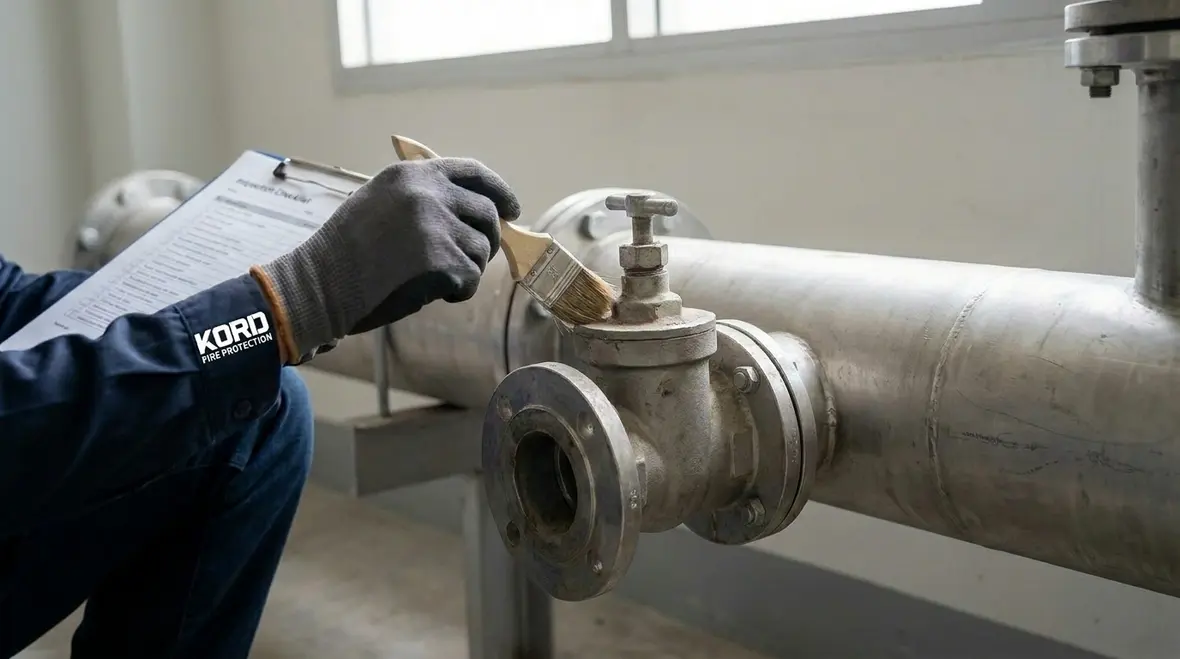
Mueller valves work best when teams follow a clear maintenance plan. In general, maintenance focuses on verifying valve position, checking for leaks, and ensuring the valve can move freely when required. Then teams also confirm the rest of the fire water distribution systems and valves network stays in proper operating condition.
Typical ongoing tasks include inspection of valve accessibility, verification of signage and labeling, and confirmation that supervisory signals work. Technicians also review the surrounding piping supports and check for abnormal vibration, stress, or buildup. If the system uses water flow testing, then the valve performance must match expected flow rates during inspections.
Moreover, facilities benefit when maintenance aligns with change management. When a building remodels a storage area, runs new piping, or changes water use patterns, the fire distribution plan may require a review. That review should include the impact on pressure, flow demand, and any sectional valve arrangements.
To make this practical, one team can run a structured schedule. For clarity, one set of tasks often belongs to the “inspect and verify” bucket, while another belongs to “clean and service.” A dual column method can help assign ownership and reduce missed steps.
| Inspection and verification | Cleaning and service |
| Confirm valve position and markings | Check internals when allowed by procedure |
| Verify supervisory signal accuracy | Remove debris or sediment buildup |
| Check for leaks around joints | Lubricate or replace parts per manufacturer guidance |
| Validate access paths and clearances | Address corrosion and replace worn components |
Relevant NFPA and local code requirements
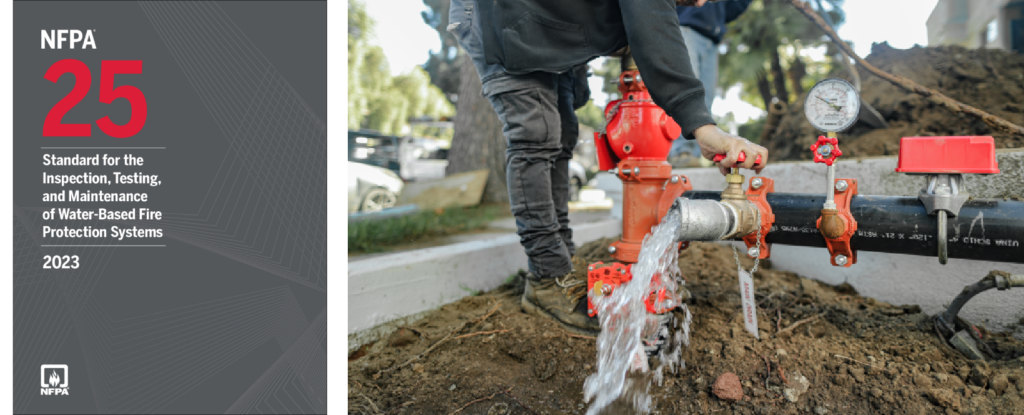
Fire protection standards guide how these systems should be designed, installed, inspected, and maintained. NFPA requirements often show up through the need for proper supervision, periodic inspection, and testing based on the type of system in place. For water based systems, NFPA documents cover fire sprinkler systems and standpipe arrangements, and they also address impairment handling and inspection procedures.
Local codes may add adoption amendments, permit rules, or enforcement details. Therefore, teams should coordinate with the authority having jurisdiction early. When kord fire protection technicians support projects, they help facility managers connect the dots between code text and real work in the field. They also help ensure that valve control, inspection records, and testing schedules reflect the system’s actual configuration.
In practice, the most important step is consistency. A system that gets inspected on paper but not in reality is like a fire drill where nobody practices opening the door. It looks good in a binder, and it fails when needed.
FAQ: Mueller fire protection valves and water distribution
Use these systems wisely for safer buildings
When fire water distribution systems and valves are designed and maintained with care, they create dependable delivery during emergencies. Therefore, teams should confirm valve selection, keep inspection records current, and coordinate impairments and testing with clear communication. Next, they can use kor d fire protection technicians to explain system behavior, review valve placement, and support a practical maintenance schedule that facility staff can actually follow. Finally, building owners and managers should treat these systems like critical infrastructure and keep them mission ready year round. Schedule a site review today so the next drill feels boring, not chaotic.
Know Your Weapon Before You Fight the Flame
Kord Fire Protection is your go-to when it comes to all things fire protection. For over 20 years, we’ve been serving Southern California with the quality service and equipment to keep your home or business safe at all times. Our competitive prices reflect our unwavering commitment to protecting what matters most in the event of a fire emergency. Give us a call, send an email, or use that form!

Join Our Newsletter!
Get the latest fire safety tips delivered straight to your inbox From our Newsletter.