Elkhart Brass Fire Equipment plays a big role in how fire flow delivery systems move water exactly where it needs to go, fast and with the right pressure. In practice, these Elkhart components work with fire flow delivery systems and equipment to help a building maintain reliable flow during an emergency. And yes, it matters. When smoke rolls in, nobody wants a system that “almost works.” Instead, Kord Fire Protection technicians explain the process in plain terms, then verify it with real testing so the math matches the field. Think of it like a well-rehearsed band: if one player is off, the whole performance sounds messy.
How fire flow delivery systems move water on demand
Fire flow delivery starts with a simple goal: move water from the water supply to the right outlets at the needed rate. First, the system gathers water through piping and devices designed to control direction, pressure, and flow. Next, it routes that water to sprinklers, standpipes, or other approved outlet points. Along the way, Elkhart Brass Fire Equipment helps maintain stable hydraulics by using well sized fittings, valves, and connections that reduce unwanted pressure loss.
To understand it clearly, a person must picture pressure as “push” and flow as “volume.” Then friction becomes the “tax” that piping takes for pushing water through turns, fittings, and valves. Therefore, good design aims to keep that tax low and the pressure steady. When Kord Fire Protection technicians review a site, they confirm that the available water supply, the system design, and the actual piping layout all agree.
Finally, the system must perform under flow. That means components do not just sit there and look good. They must operate within their pressure and flow ratings and still let water reach the outlets. If a valve sticks, a connection leaks, or a device creates unexpected restriction, the building’s fire flow delivery systems and equipment lose their value. In short, the goal is reliable delivery, not just theoretical compliance.
Real world use cases for Elkhart Brass components
In real buildings, fire flow shows up in moments that do not wait for good weather. For example, in an office facility, standpipes and hose connections help responders apply water to where it counts. Meanwhile, sprinkler systems rely on steady flow through properly sized piping so they can control heat and limit spread. When Elkhart Brass Fire Equipment is integrated thoughtfully, it supports consistent delivery even when multiple areas activate.
In warehouses, the stakes can be even higher. Tall racks add complexity, and the piping runs can be long. As a result, the system needs careful hydraulic planning so the available flow does not drop below the required discharge. Kord Fire Protection technicians often see how small design choices matter, such as fitting choices and valve placement, because those details affect total pressure loss. It is the difference between a system that performs and one that performs “eventually,” which is not a firefighting strategy.
In multi tenant commercial buildings, zoning also matters. Fire flow delivery often must work across compartments while preventing unnecessary shutdowns. Therefore, proper valve configuration and monitoring help keep parts of the system ready. If the building has unusual layouts, a field review can reveal where flow may get restricted by tight turns or older piping. Then technicians can address those concerns during service planning.
Strengths and weak points technicians watch for
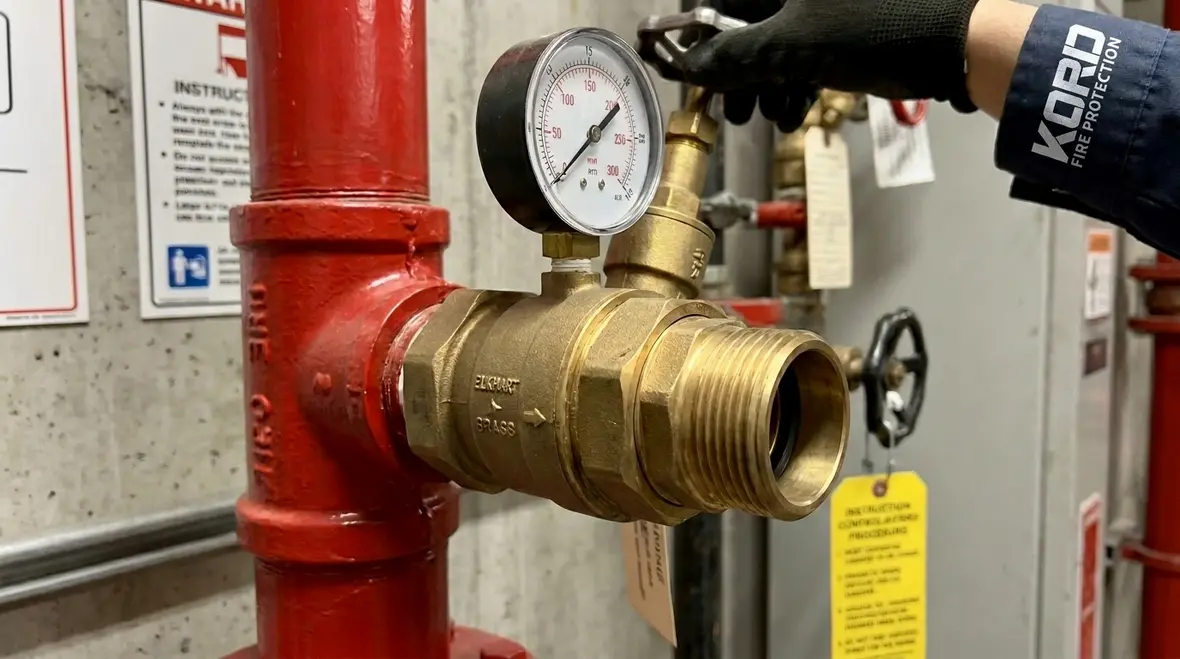
Elkhart Brass Fire Equipment brings strong value in precision connections and reliable operation. Brass fire components often help resist corrosion, and well made fittings can support consistent flow. Moreover, when a system uses correctly matched components, it reduces surprises during inspections and testing. That is a business advantage too, because downtime and reactive repairs cost money.
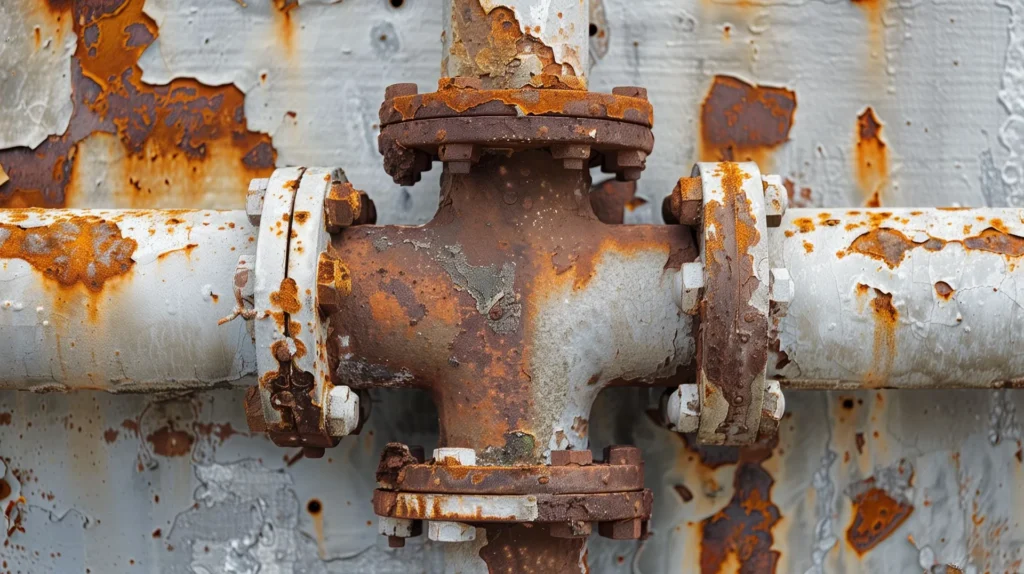
However, every system has weak points. First, aging piping or poor historical installation can create pressure losses that the original plans did not fully reflect. Second, valves can wear, and gaskets can age. Third, debris or scaling can gradually reduce flow paths. And fourth, modifications over the years can disturb the original hydraulic balance. It is like updating an app without reading the release notes; it might still work, but nobody knows where the problem will show up.
Technicians also look at operational behavior. For example, the system must not produce abnormal noise or pressure swings during flow. Also, if supervisory systems show issues, the cause could involve electrical detection, mechanical valve position, or pressure sensing. Kord Fire Protection technicians typically treat these signals as clues, not paperwork. They confirm the physical condition, then recommend corrective steps.
Ongoing maintenance needs that protect fire flow delivery systems and equipment
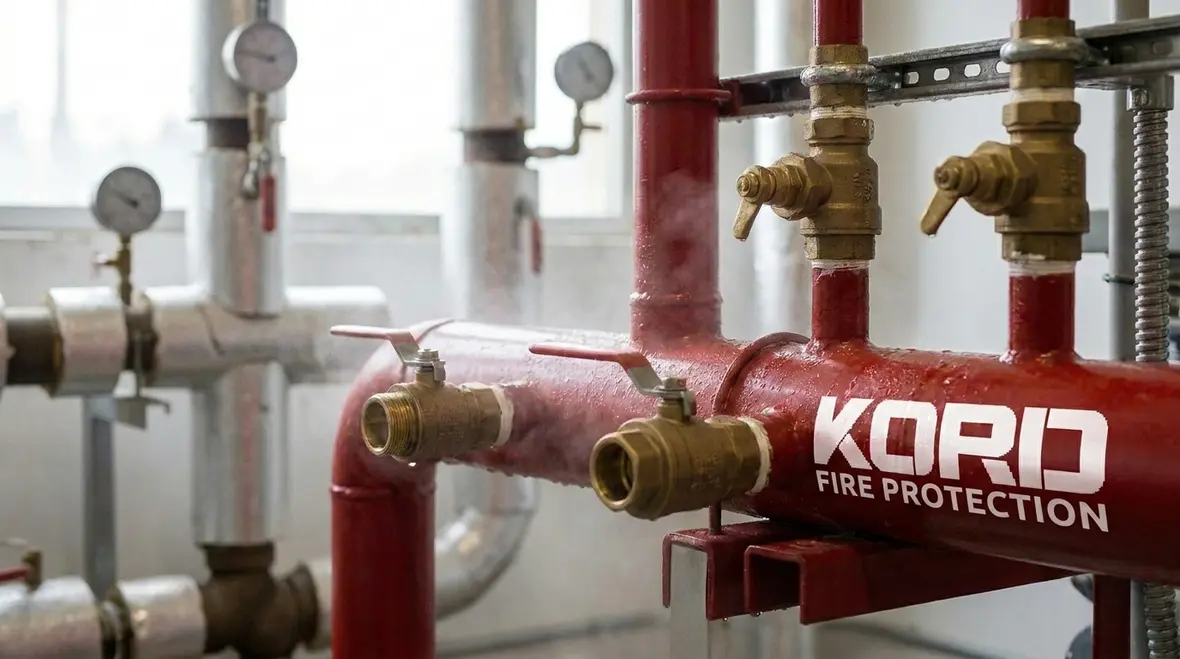
Preventive maintenance keeps fire flow delivery systems and equipment dependable. The main idea is simple: test, inspect, clean where needed, and repair before a problem becomes an emergency. Because water systems can hide issues, routine checks often catch problems early, like minor leaks, valve stiffness, or trapped air. Technicians then correct issues before they affect flow performance.
Common maintenance actions include verifying valve supervisory status, checking test connections, and inspecting gauges and alarms. In addition, annual or periodic flow tests may be needed depending on the system type and local requirements. Some systems also need main drain testing to confirm discharge and proper operation under flow. Where applicable, fire pump systems require additional checks, including operational tests that verify pump run behavior and pressure stability.
Also, the building’s water supply can change. Construction, new landscaping irrigation, or municipal supply variations can affect available fire flow. Therefore, Kord Fire Protection technicians may compare supply conditions during inspections with the baseline used for design. If numbers shift, it can change how the system performs under peak demand.
Finally, good maintenance includes documentation. A technician should record findings, repairs, and test results clearly. That helps owners plan budgets, supports insurance requirements, and makes future troubleshooting faster. When records are complete, the system stops being a mystery box and becomes a known quantity.
Relevant NFPA and local code requirements that guide design and service
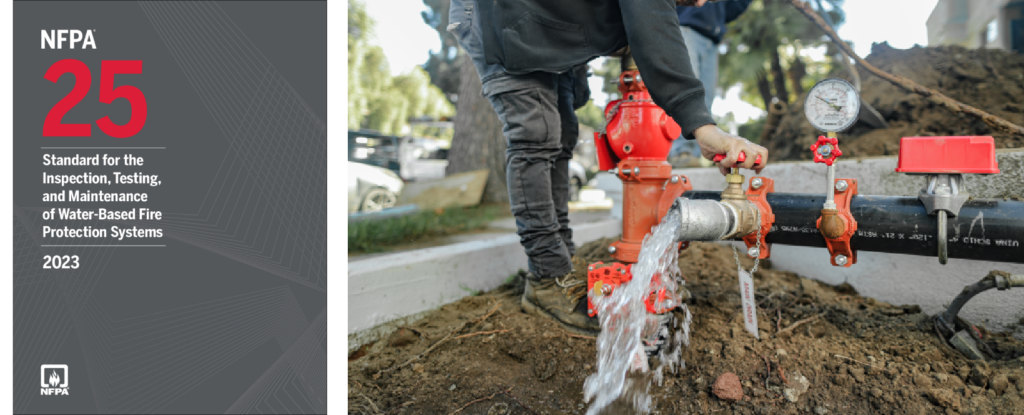
Fire protection is not a guessing game. Code requirements guide what qualifies as safe and compliant. For example, NFPA standards often cover inspection, testing, and maintenance of fire protection systems. NFPA also addresses water based systems and system acceptance criteria, and it often includes requirements for proper installation, testing methods, and ongoing maintenance intervals.
Local codes may add details based on jurisdiction, building type, and adopted editions of national standards. Therefore, a building owner should not assume one city’s process matches another. Kord Fire Protection technicians often coordinate inspection schedules with local fire authorities to help ensure that testing and documentation meet the rules on the ground.
As for system components, codes generally require that valves, fittings, and connections meet listing and approval criteria. They also require that systems stay operable and ready. If something gets replaced, it usually must match approved specifications. In other words, “similar” is not the same as “approved.” Fire officials have seen every shortcut, and they rarely smile at them.
Design choices that improve performance during flow
Beyond code, performance depends on smart design. First, engineers and installers must size piping correctly so the system can deliver required flow without excessive pressure drop. Next, they should minimize unnecessary restrictions such as poorly planned fittings or valve arrangements that create turbulence. Then they should ensure that the system layout supports balanced hydraulics so outlets receive the intended discharge.
Another key choice is ensuring equipment compatibility. Elkhart Brass Fire Equipment should align with the system’s pressure ratings, connections, and approved listings. That reduces risks like uneven wear and unexpected restriction. Also, the system should include correct control points so technicians can isolate sections for service without crippling the entire building. That supports faster repairs and reduces risk during future work.
Finally, the building should support good maintenance access. If valves, gauges, and test connections sit behind tight walls or inaccessible panels, maintenance becomes harder and less frequent. And when maintenance becomes harder, performance suffers. Kord Fire Protection technicians often recommend practical access improvements because operational reliability should not depend on a ladder and hope.
FAQ: fire flow delivery systems and equipment
How to use these systems for smarter fire readiness
To get the best results, a building should treat fire flow delivery systems and equipment as an active part of the safety plan, not a set-and-forget purchase. First, owners should schedule inspections on time, then address findings quickly. Next, they should maintain clear access to valves, gauges, and test points, so checks can happen without delays. After that, they should ensure the water supply and system performance match design assumptions. Most importantly, they should rely on Kord Fire Protection technicians to explain what they see, why it matters, and what action supports real readiness.
In fact, think of it like this: you do not wait until the movie starts to find the remote. You make the system work now, so it performs later when the stakes feel a little less like “movie night.”
Conclusion and call to action
Elkhart Brass Fire Equipment supports dependable fire flow delivery when it gets installed right, maintained on schedule, and verified with practical testing. Kord Fire Protection technicians help owners understand system behavior, identify weak points early, and keep documentation organized for inspections.
If a building owner wants fewer surprises and more confident response capability, the next step is a professional review and service plan. Contact Kord Fire Protection today to discuss your system, confirm performance, and build a maintenance schedule that keeps water moving when it matters most.
Know Your Weapon Before You Fight the Flame
Kord Fire Protection is your go-to when it comes to all things fire protection. For over 20 years, we’ve been serving Southern California with the quality service and equipment to keep your home or business safe at all times. Our competitive prices reflect our unwavering commitment to protecting what matters most in the event of a fire emergency. Give us a call, send an email, or use that form!

Join Our Newsletter!
Get the latest fire safety tips delivered straight to your inbox From our Newsletter.