

Manufacturing Fire Suppression Planning with Kord Fire Protection
Manufacturing fire suppression is not a “nice to have.” In a facility where sparks, heat, and busy equipment move at machine speed, one small fire can trigger shutdowns, damage, and safety risks before anyone finishes their coffee. Therefore, a strong fire protection plan protects people, keeps production running, and reduces downtime. Yet even the best designed system fails if it is not matched to the facility hazards or maintained with discipline. That is where Kord Fire Protection becomes a vital partner, helping manufacturers plan, inspect, and stay ready. After all, fires do not read safety manuals, and sprinklers do not magically understand your process. They need the right design, the right maintenance, and the right people behind them.
Facilities that want a closer look at how industrial strategies are built can also explore Kord Fire Protection’s manufacturing plant fire suppression systems Los Angeles page, which expands on the challenges manufacturers face in complex production spaces. For broader support options, Kord Fire also outlines its fire suppression services for commercial and industrial properties.
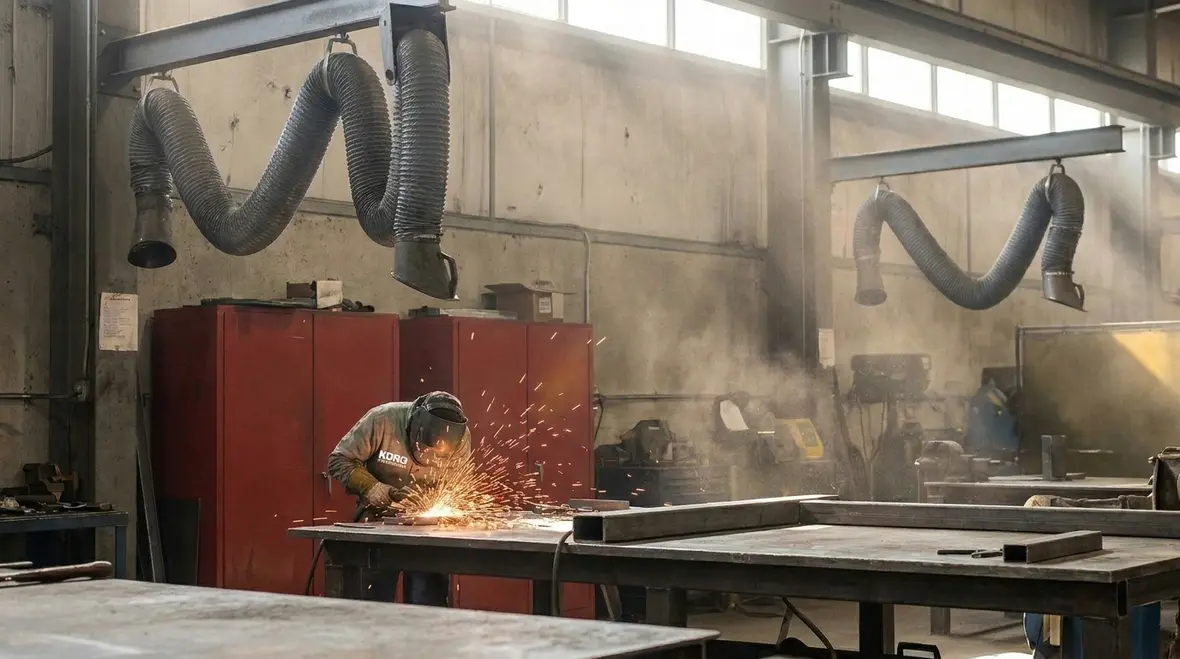
What hazards drive fire suppression planning in manufacturing facilities?
Risk starts with the process, not the building alone
Manufacturing sites rarely share the same risk profile. However, most facilities have recurring hazard themes that guide the selection of fire suppression. For example, combustible dust from grinding, cutting, or packaging can flash fast and travel through hidden spaces. In addition, flammable liquids from cleaning, coatings, or solvents can spread along floors and into equipment bays. Meanwhile, high heat sources like furnaces, boilers, and welding stations create ignition points that do not take breaks.
Then there are the “quiet” hazards. Old wiring, overloaded circuits, blocked ventilation, and careless storage turn a manageable incident into a rapid one. Also, some processes create smoke or heat that can make evacuation difficult unless the system and detection match the environment. Because every facility layout is different, fire suppression planning must consider the building, the workflow, the fuel type, and the likely fire growth path.
- Combustible dust from fabrication, finishing, or packaging
- Flammable liquids and chemical storage concerns
- Heat producing equipment, ovens, furnaces, and welding areas
- Electrical faults hiding behind old panels or overloaded circuits
- Storage arrangements that let fire climb, spread, and surprise everyone
Kord Fire Protection’s article on fire detection and suppression systems reinforces the same idea: suppression has to match the hazards, not just the floor plan. That matters in manufacturing more than almost anywhere else, because the process itself changes how a fire starts and how quickly it grows.
How do water based systems and clean agent systems differ?
The right system depends on what needs protection most
When people hear “fire suppression,” they often picture sprinklers. That is common for a reason: water based systems can cool burning materials and control fires effectively. For many areas, they also align with building codes and provide broad coverage. However, manufacturing also uses spaces where water is not always ideal. For instance, some control rooms, switchgear areas, or sensitive electronics can suffer damage from water discharge.
In those areas, manufacturers often consider clean agent systems. These can suppress fire by interrupting chemical reactions or reducing oxygen concentration, depending on the agent design. Therefore, the right choice comes down to process needs, equipment sensitivity, and the intended safety outcome. Kord Fire Protection supports that decision making by evaluating how the hazard fits the system type, and by coordinating design and inspection practices that keep the facility compliant.
For facilities with liquid fuel hazards or process areas that need additional control, Kord Fire’s industrial foam fire suppression systems resource is also useful. It shows how system choice changes when the hazard involves fuel surfaces, vapor risks, and faster spread patterns instead of ordinary combustibles.
Where does detection and monitoring fit into manufacturing fire suppression?
Early warning is what keeps an incident manageable
Detection is the early warning system, and early warning is what turns a fire into a manageable event. In manufacturing, detection often needs to be tailored to what it will sense. For example, smoke detectors may work well for some processes, while heat detection or flame detection may be better for high temperature areas or fast growing hazards.
Next, monitoring ties everything together. A fire alarm panel that receives signals quickly, then notifies the right people, reduces reaction time. After that, remote notifications and panel alerts can support faster response, especially at sites with multiple shifts or distributed operations. Also, zoning matters. A well planned layout helps teams understand where the fire started, which keeps crews from chasing ghosts like it is an action movie sequel.
When Kord Fire Protection partners with a facility, it can review existing detection strategies and align inspections with how the manufacturing process actually runs. That way, manufacturing fire suppression behaves like a reliable system, not a random set of devices. Their fire suppression system design, types and maintenance page is especially relevant for teams that need a practical overview of how design and upkeep work together.
What design details help systems protect the highest risk areas?
Small layout decisions create big performance differences
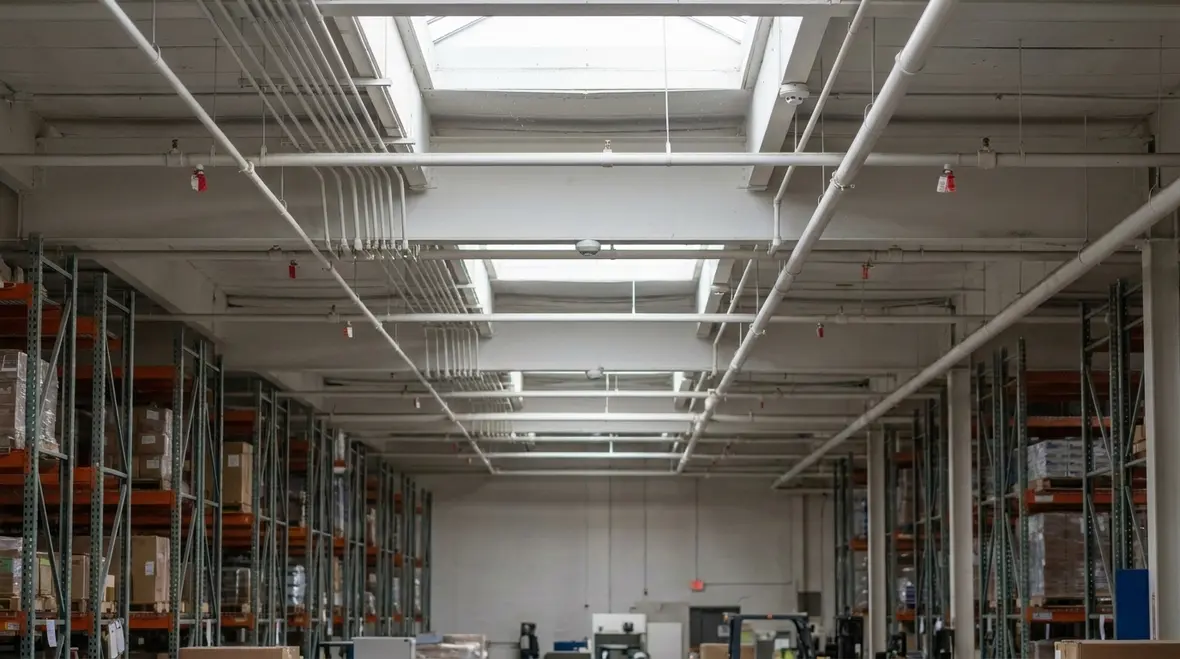
Even when the “right” system type is chosen, design details decide how well it performs. For instance, suppression coverage must match ceiling heights, obstructions, airflow patterns, and rack storage layouts. If airflow carries heat and smoke differently than predicted, the system may respond later than hoped.
Likewise, special hazard zones need specific attention. Many plants have compressor rooms, paint booths, chemical storage, conveyor systems, and lift stations. Each one can demand different coverage rules. Also, code compliant placement for valves, gauges, and control panels helps teams operate the system correctly during an incident. Then there is the practical side: access panels, clear labeling, and workable maintenance clearances.
Kord Fire Protection acts as a partner in that real world planning. Instead of treating systems like checklists, it supports how the suppression network fits into ongoing operations, so maintenance teams and safety leads can do their jobs without playing “guess where the valve is.” That same practical mindset shows up across Kord Fire’s industrial content, including the manufacturing service page already linked above, where planning is treated as an operational tool rather than a paperwork exercise.
How often should inspections and testing happen to keep systems reliable?
Reliability lives in the inspection calendar
Maintenance is where reliability lives. Systems can look fine and still underperform if inspections do not happen on schedule. For example, inspectors check pressure levels, inspect nozzles and piping, verify alarm functions, and confirm that valves respond correctly. In addition, they review documentation and ensure changes in the facility did not turn an once appropriate hazard plan into a mismatch.
Moreover, manufacturing operations change often. New equipment arrives. Racks move. Storage patterns shift. Production lines expand into areas that used to be quiet. Therefore, inspections and testing should reflect those changes. A system that was perfect during commissioning can become outdated if the hazard evolves and the facility does not update the suppression strategy.
| Inspection focus | Why it matters |
|---|---|
| Water flow and pressure checks | Ensures suppression reaches the hazard at the needed performance level |
| Detector and alarm verification | Confirms fast alerting so teams respond before fire grows |
| Valve and control tests | Keeps manufacturing fire suppression control pathways dependable |
| Visual checks for damage and obstructions | Prevents hidden issues like blocked access or compromised components |
Teams that need service support near the end of the planning process can review Kord Fire Protection’s fire suppression services page to connect inspections, testing, and corrective work into one path forward. That is especially useful when the goal is not simply passing an inspection, but keeping the plant ready when conditions change without warning.
Why should Kord Fire Protection be viewed as a vital long term partner?
Support matters long after the first design is approved
Manufacturing facilities do not want “one and done” service. They need continuity, clear communication, and professionals who understand both fire protection and day to day operations. That is why Kord Fire Protection can become a vital partner with fire suppression systems, from early planning to inspections, testing, and ongoing support.
As time passes, new risks appear. Some facilities expand into new wings. Others change chemical suppliers or adjust processes. Then, maintenance teams want documentation they can trust, so audits and safety reviews go smoothly. Also, they want guidance on what to fix first, because no one has unlimited time or unlimited budget. Kord Fire Protection helps prioritize actions that keep manufacturing fire suppression systems dependable and code aligned, without slowing the plant more than absolutely necessary.
And yes, jokes happen on job sites. But the goal stays serious: fewer incidents, faster response, and peace of mind that does not require a prayer chain. If your team needs a direct next step, the best CTA is simple: visit Kord Fire Protection’s manufacturing plant fire suppression systems Los Angeles page or the broader fire suppression service page to review options for inspections, upgrades, and long term support.
FAQ: manufacturing fire suppression
Conclusion
Fire suppression in a manufacturing facility is a business decision, not just a safety task. When systems align with real hazards, and inspections keep performance steady, teams respond faster and losses shrink. Therefore, the safest path is to build a plan that works today and can adapt tomorrow.
Kord Fire Protection helps manufacturers maintain manufacturing fire suppression strategies that stay dependable through change, inspection, and ongoing support. Contact Kord Fire Protection to review existing systems, confirm coverage, and strengthen protection before the next surprise ignition shows up.

Join Our Newsletter!
Get the latest fire safety tips delivered straight to your inbox From our Newsletter.



