
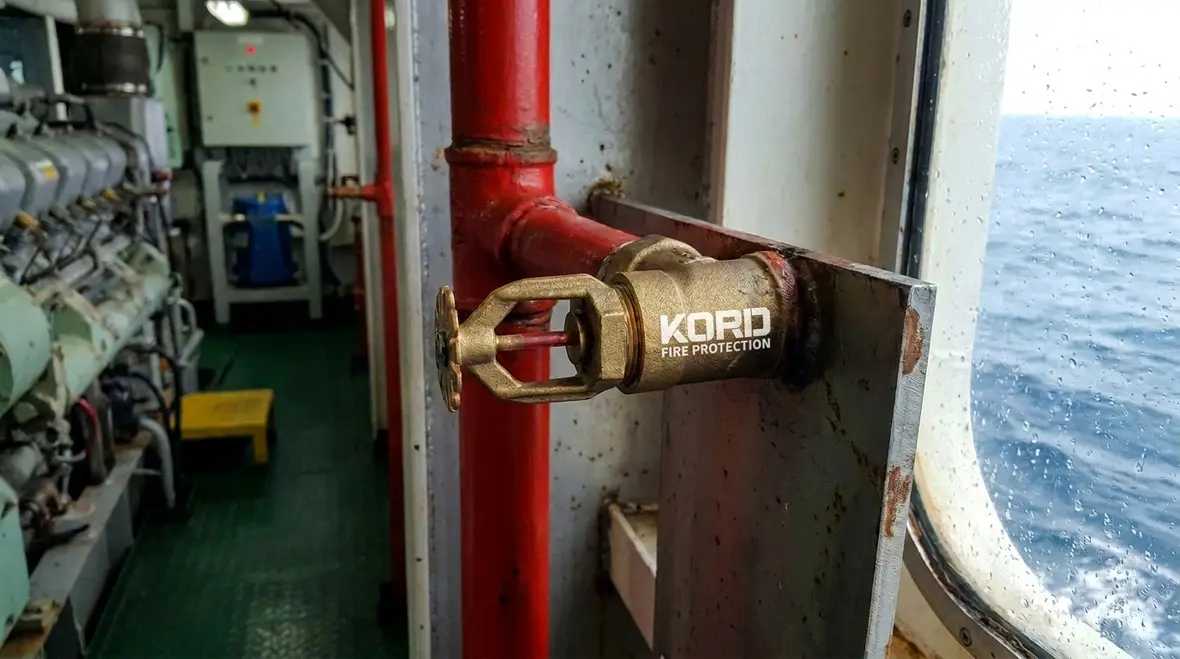
NFPA 13 Section 31.1 — Marine Sprinkler Systems: General Requirements Overview
Quick Answer: NFPA 13 Section 31.1 sets the baseline design and compliance expectations for marine sprinkler systems, addressing installation intent, system components, and inspection readiness. The goal is reliable fire suppression under marine hazards, while supporting practical ongoing testing and maintenance.
For a broader installation foundation, facilities can also review this NFPA 13 overview for automatic fire sprinkler system installation, which helps connect the marine-specific requirements here to the wider sprinkler design and commissioning framework.
When ongoing compliance support is part of the conversation, Kord Fire’s fire protection services fit naturally into the same picture by supporting inspections, testing, maintenance, and repair planning for complex systems. ([kordfire.com](https://kordfire.com/?utm_source=openai))
What does NFPA 13 Section 31.1 require for marine sprinkler systems?
NFPA 13 marine systems general requirements sprinkler guidance focuses on building a dependable sprinkler system that can operate correctly in a marine environment and remain maintainable throughout service life. In practice, Section 31.1 serves as the foundation that coordinates design decisions, equipment selection, installation practices, and verification activities required by the broader NFPA 13 framework.
Facilities often adopt these requirements to support consistent compliance across commercial, industrial, and retail operations that own or manage marine-adjacent assets such as vessels, terminals, and offshore transfer equipment. Because marine conditions increase corrosion, vibration, salt exposure, and water quality variability, the “general requirements” portion tends to influence everything that follows: materials, system configuration, commissioning, and documentation.
Marine conditions that directly impact sprinkler reliability
Marine environments stress sprinkler system performance in ways that conventional land based installations may not experience. NFPA 13 marine systems general requirements sprinkler expectations drive the need to control these variables from the start:
- Corrosion and wetting cycles: Salt laden air and intermittent exposure can degrade piping, fittings, and sprinkler components. The system must remain operational after long stand times.
- Vibration and mechanical disturbance: Movement can loosen connections, fatigue components, and accelerate failure of seals and gaskets.
- Water quality and discharge conditions: Variable supply pressure, test water chemistry, and drainage behavior affect system function and post test condition.
- Compartment hazards and access constraints: Marine layouts often restrict inspection paths, forcing crews to plan accessibility during installation rather than after the fact.
Commercial owners typically see common compliance gaps when installation teams treat marine systems like standard buildings. That approach increases risk during acceptance testing, and it often complicates later inspections because crews cannot reach or verify components as documented.
System design and component selection under Section 31.1
Section 31.1 acts like a compliance baseline. It does not replace the detailed hydraulic, spacing, and hazard classifications across NFPA 13, but it shapes how the project team selects and installs the system so that it can perform reliably at sea.
What teams should verify during installation planning
- Material compatibility: Piping, hangers, valves, and sprinklers must be appropriate for marine exposure and long term wet or delayed wet conditions.
- Hanger, support, and bracing integrity: Supports need to account for vibration and load changes. A properly engineered support system reduces drift and misalignment.
- Valve and control arrangement: Valves must be arranged for dependable operation, verified access, and realistic maintenance intervals.
- Drainability and maintenance access: The system should support routine inspection and functional checks without requiring destructive access.
Practical compliance insight: commercial marine projects often fail acceptance not because sprinklers cannot operate, but because the documentation and the as built configuration do not match what the test crew needs to demonstrate. Kord Fire Protection supports teams by aligning installation practices with the evidence required during acceptance and recurring maintenance.
Inspection, testing, and documentation expectations
Marine sprinkler systems depend on predictable inspection and test behavior. Even when installed correctly, the system can underperform if the owner cannot verify key components or if water flow evidence does not match the system design intent.
Operational checks that reduce common failure points
- Valve position verification: Control valves must be confirmable and stable under routine conditions, including after maintenance or reconfiguration.
- Drain and flush behavior: Drains and any designed flow paths need to produce consistent results. Poor drainage can leave sediment or salt residue in critical areas.
- Sprinkler condition readiness: Marine exposure accelerates contamination risks. Maintenance plans should include a process for identifying corrosion, paint overspray, or physical damage.
- Interface with alarms and pumps: Marine systems typically require coordination with fire pumps and alerting systems to demonstrate full system response under testing conditions.
For broader context on installation fundamentals and acceptance considerations, facilities can reference this practical overview: NFPA 13 overview for automatic fire sprinkler system installation. That resource complements marine specific planning by reinforcing installation quality and commissioning discipline. ([kordfire.com](https://kordfire.com/nfpa-13-overview-automatic-fire-sprinkler-system-installation/?utm_source=openai))
Because recurring inspections and tests drive real compliance outcomes, owners often need a service partner who can document test results clearly and schedule maintenance to match operational windows. Kord Fire Protection and its commercial service framework support that ongoing compliance work across complex environments. ([kordfire.com](https://kordfire.com/?utm_source=openai))
Compliance challenges for commercial and industrial owners
Marine sprinkler systems general requirements sprinkler compliance usually becomes a coordination effort between engineering, shipboard or terminal construction teams, and inspection stakeholders. Common challenges include:
- As built accuracy: Changes during construction, reroutes, and field adjustments can leave the documentation incomplete. That undermines evidence during inspection.
- Accessibility planning: Marine layouts constrain access. Without planned access clearances, crews struggle to verify components and perform tests safely.
- Salt and moisture related deterioration: Systems can look intact while internal conditions degrade. Inspection regimes must account for marine exposure realities.
- Coordination with pumping and pressure systems: Fire pumps and controllers must respond reliably. Testing must demonstrate system response, not only component presence.
Owners also need a training and maintenance workflow that fits operational demands. For electrical and integrated fire alarm coordination insights that commonly affect marine projects and adjacent facilities, teams often reference kordelectric.com for related integration perspectives. For additional fire protection and marine-adjacent system discussions, kordfire.com.au offers supporting guidance on service delivery and project execution.
When owners need pump and system knowledge for inspection and testing programs, they can also review firepumps.org for additional background supporting pump related reliability practices, including acceptance and maintenance oriented guidance. ([firepumps.org](https://firepumps.org/blog/fm-data-sheet-3-7-fire-pump-acceptance-testing-guide/?utm_source=openai))
Best practice: turn Section 31.1 into a maintenance-ready system
The strongest compliance posture comes from translating Section 31.1 requirements into a system that crews can inspect, test, and maintain without ambiguity. A maintenance ready approach typically includes:
- Defined evidence packages: Install and commissioning documentation should clearly show locations, components, and test references.
- Repeatable test procedures: Testing should generate comparable results across cycles, including after seasonal changes and operational interruptions.
- Corrosion and contamination management: Maintenance plans should include inspection frequency, cleaning or flushing criteria where applicable, and documented findings.
- Fast corrective actions: The system must include a process for tracking deviations and applying corrections before issues cascade into recurring failures.
Kord Fire Protection positions commercial owners to meet these expectations by supporting compliance planning, inspection readiness, and ongoing testing and maintenance. This service approach reduces downtime, strengthens audit defensibility, and improves long term reliability for marine sprinkler systems built to NFPA 13 standards. ([kordfire.com](https://kordfire.com/?utm_source=openai))
Frequently Asked Questions
Call to action
For marine projects that must satisfy NFPA 13 expectations, owners should not wait until inspection season to address gaps. Engage Kord Fire Protection to review installation documentation, align testing procedures with marine constraints, and maintain a repeatable inspection and maintenance program. This proactive approach reduces operational risk, improves audit readiness, and supports dependable sprinkler performance in real conditions.

Join Our Newsletter!
Get the latest fire safety tips delivered straight to your inbox From our Newsletter.


