Auto Shop Fire Suppression with Kord Fire Protection
Auto shops run on speed, sparks, and the kind of chaos that makes a NASCAR pit crew look like a library. That is exactly why auto shop fire suppression matters. When a fire starts from charging batteries, welding slag, fuel vapors, or even an oily rag that “definitely” got put away, the right system can stop a small incident from becoming a full-on drama. And yes, it beats the classic movie moment where someone screams “Get out!” about three seconds too late.
For many shops, the best approach combines smart system design with dependable service. In that mix, Kord Fire Protection can become a vital partner, helping teams stay compliant, trained, and ready when something goes wrong. Kord highlights scheduled inspections, routine testing, preventive maintenance, and code-compliant planning across its fire protection services, which fits exactly the kind of ongoing support busy auto shops need. ([kordfire.com](https://kordfire.com/?utm_source=openai))
Where fires start in an auto shop
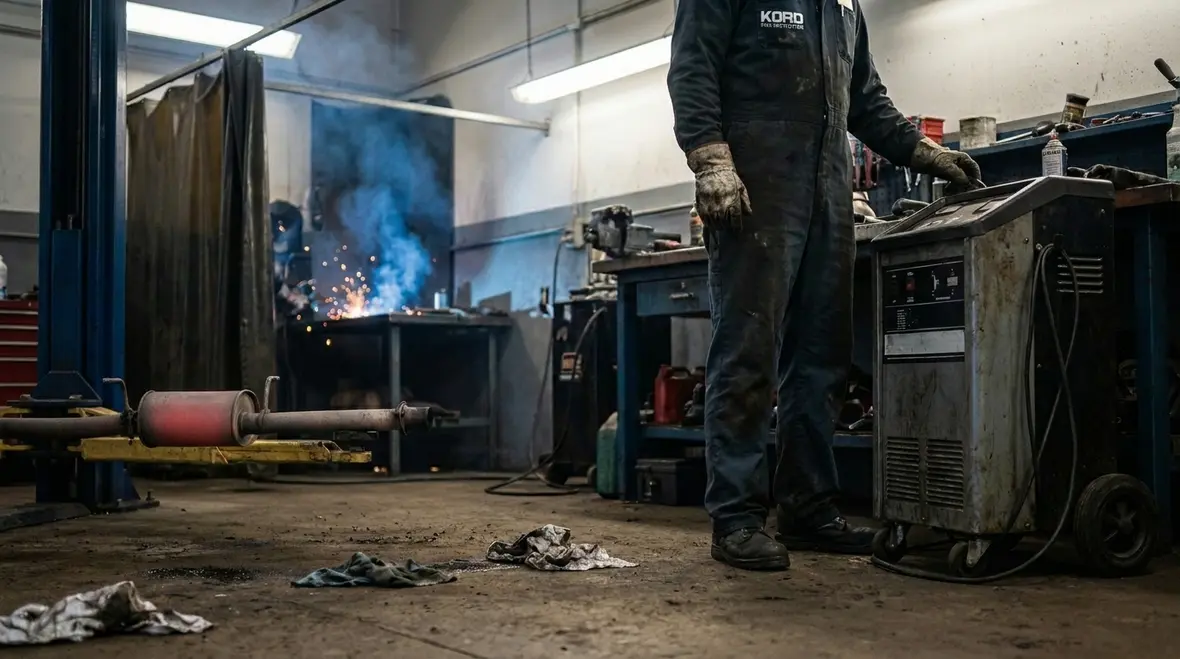
Auto shop fires rarely appear out of nowhere. Instead, they grow from predictable sources. First, technicians work near ignition points like hot exhaust parts, grinding tools, and welding equipment. Then add common fuels: gasoline, diesel, paint thinners, and aerosol products. Finally, store the evidence of late-night work, including oily rags, cardboard, and oil soaked floor mats.
Even with good housekeeping, risk keeps building. For example, a battery charging station can release flammable gases. Meanwhile, dust and lint from brake work can collect in air pathways. And when a shop uses spray booths, the combination of solvents and atomized mist increases the chance that a spark becomes a flash. Kord’s suppression service pages specifically reference dry chemical, clean agent, foam, vehicle systems, and room integrity considerations, showing that different hazards call for different protection methods rather than a generic blanket approach. ([kordfire.com](https://kordfire.com/fire-suppression/?utm_source=openai))
Hazards that love a messy workflow
So, fire prevention starts with understanding likely ignition paths. From there, auto shop fire suppression design can target real hazards, not just generic “cover everything” thinking. That matters in repair bays, paint-related spaces, battery charging areas, enclosed equipment rooms, and anywhere airflow helps smoke or heat travel faster than anyone in the building would like.

How fire suppression systems protect the right areas
Fire suppression should match the shop’s layout and processes. That means the system must protect the places where fire spreads fastest. Typically, crews focus on high hazard zones such as paint mixing areas, battery rooms, parts cleaning stations, and compressor spaces. Then they address the risk created by ventilation and ductwork, because smoke and heat can travel.
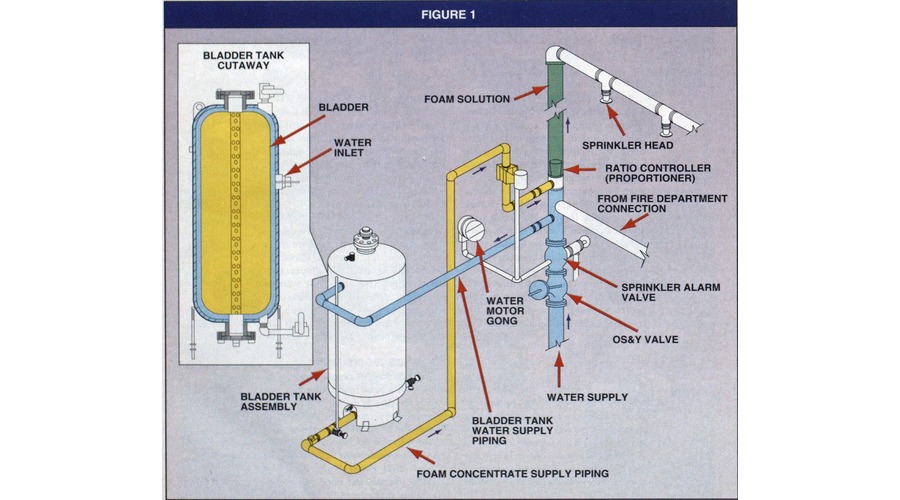
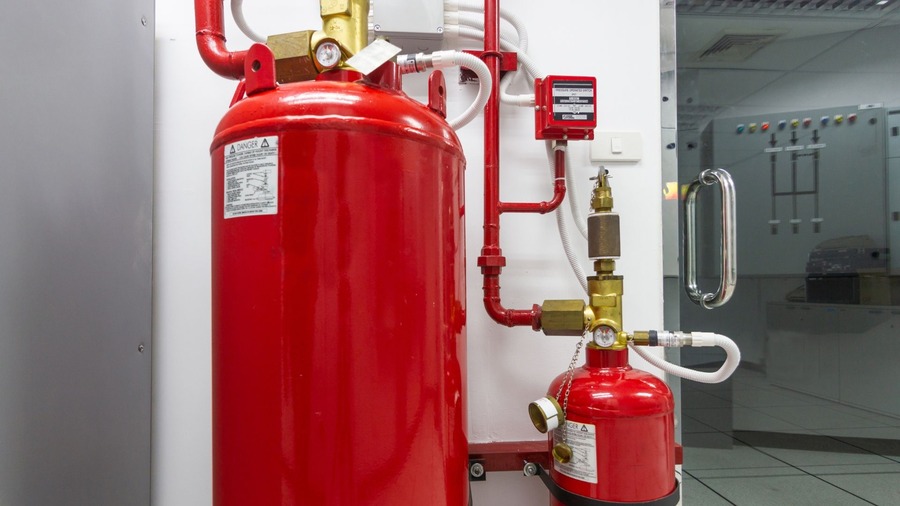
Common protection strategies include clean agent or dry chemical options depending on the equipment and expected fire class. Kord’s fire suppression service page lists clean agent, CO2, dry chemical, foam, water mist, and vehicle fire suppression among its supported solutions, reinforcing the idea that system selection should match the real hazard map of the space. Many facilities also pair suppression with alarm and monitoring support because early warning cuts damage and speeds response. ([kordfire.com](https://kordfire.com/fire-suppression/?utm_source=openai))
Next, zoning matters. A shop does not burn in one straight line. Fire behavior changes as it meets fuels, surfaces, and airflow. Therefore, a well planned system creates coverage that makes sense for how the shop operates, including overhead spaces and specific enclosures.
Installation quality is where the plan either wins or embarrasses itself
And here is the part people underestimate: installation quality. Even the best system loses effectiveness if piping, mounting, and discharge placement ignore real shop conditions. Kord’s broader services emphasize licensed installation, system repairs, retrofits, testing, and readiness planning, which makes installation quality and long term function part of the same conversation instead of separate headaches. ([kordfire.com](https://kordfire.com/full-fire-protection-services/?utm_source=openai))
Choosing the right system for each job bay
Every bay tells a different story. One bay handles tire service. Another hosts welding and fabrication. A third runs paint or detailing. Because the fire load differs, a single “one size fits all” approach often underperforms.
When crews select an approach for auto shop fire suppression, they should evaluate three things. First, they assess fire sources, such as fuel and chemicals. Second, they review surface materials and storage patterns. Third, they consider ventilation, because fan airflow can push heat and flames into places the system does not expect.
- Identify ignition sources in each bay
- Match the suppression agent to the likely fire class and equipment
- Account for storage changes, airflow, and future process upgrades
In addition, shop leadership should plan for future changes. A bay that starts as mechanical repair might later include a paint related work area, new battery storage, or additional solvent handling. When the system design allows flexibility, upgrades cost less and downtime becomes shorter.
Also, technicians need to understand how the system behaves. Suppression discharge impacts visibility and cleanup. Yet, with clear procedures, the response becomes manageable. It is not fun, but it is far less painful than replacing half the shop.
Why inspection, testing, and service keep it reliable
Systems do not protect a shop just because they exist. They protect the shop because they work exactly as designed at the exact moment they must. Therefore, inspection and testing should follow the schedule required by code and manufacturer guidance.
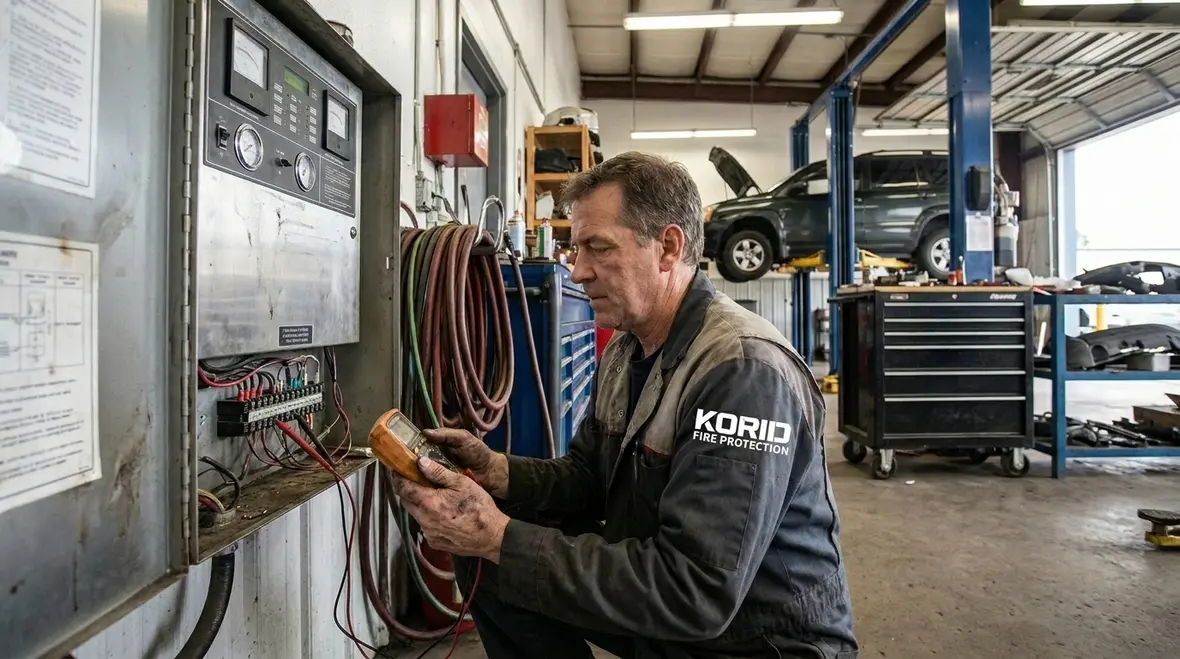
During service visits, trained technicians check key components such as valve position, detection devices, pressure levels, and discharge paths. They also verify that panels communicate properly to alarms. Then, they look for the slow killers: corrosion, loose connections, blocked nozzles, and damage from daily traffic. Kord’s service pages repeatedly emphasize routine inspections, preventive maintenance, documentation, performance testing, and readiness checks across suppression, alarms, extinguishers, and related systems. ([kordfire.com](https://kordfire.com/?utm_source=openai))
There is another practical angle. Auto shops have deadlines, and equipment downtime can shut down revenue. Planned maintenance keeps the system ready without turning service into a surprise event. In other words, it prevents the classic scenario where the shop discovers the system failed on day one of a busy week. That is like finding out your brakes squeal only after you hit something.
Kord Fire Protection can support this side of the operation by providing service that fits real shop schedules and by helping teams document inspections for audits and insurance needs. Its full service page specifically mentions inspection readiness, seamless scheduling, and support for testing and maintenance, while related articles stress documentation and clear reporting as part of dependable service. ([kordfire.com](https://kordfire.com/full-fire-protection-services/?utm_source=openai))
How Kord Fire Protection becomes a vital partner
When Kord Fire Protection joins the picture, the shop gains more than a vendor. It gains continuity. That matters because code requirements, hazard levels, and system conditions change over time. Kord Fire Protection helps businesses stay aligned with safe practices, service timelines, and proper documentation through its broader protection programs and inspection focused resources. ([kordfire.com](https://kordfire.com/?utm_source=openai))
Just as importantly, a true partner helps with planning. For example, Kord can assist crews in mapping zones, selecting the right installation approach, and coordinating system updates when shops expand. If a business adds a new paint line, installs new battery racks, or changes storage routines, the fire suppression strategy may need adjustment.
Additionally, training helps people act calmly. In the heat of an emergency, a rushed response leads to mistakes. Clear guidance on alarms, evacuation, and post discharge steps supports safer outcomes. Kord also highlights employee training and onsite support within its service offerings, which strengthens the practical side of preparedness instead of treating it like an afterthought. ([kordfire.com](https://kordfire.com/full-fire-protection-services/?utm_source=openai))
And let us not pretend that everyone reads manuals with joy. Still, with proper support, the shop team learns the essentials without turning it into a bedtime story.
Business risks, compliance, and insurance benefits
Fire protection affects more than safety. It affects operations, budgets, and risk control. Auto shops often face insurance requirements related to detection, suppression coverage, and maintenance records. When documentation stays organized and systems stay tested, the shop reduces surprises at renewal time.
Compliance also plays a role. Local code rules and inspection expectations vary, but the common thread stays the same: systems must remain capable, and records must reflect that readiness. With auto shop fire suppression properly installed and serviced, the shop positions itself as a responsible facility. Kord’s website consistently frames its work around compliance, inspection readiness, and ongoing maintenance across fire suppression and related systems. ([kordfire.com](https://kordfire.com/?utm_source=openai))
From a business standpoint, effective suppression can reduce downtime after an event. Even if a small fire triggers cleanup, suppression limits spread to wiring, ceiling areas, and equipment that tend to cost the most to replace. That means fewer closed bays and less disruption to daily work.
Finally, leadership should track the full picture. Fire risk comes from space, processes, and storage. When shops treat protection as an ongoing program, the system becomes part of a safer workflow, not a one time purchase.
FAQ
Final call to protect the shop
Fires in auto shops do not wait for the weekend, and they definitely do not care about busy schedules. Investing in auto shop fire suppression helps teams protect people, equipment, and revenue. Then, pairing the system with dependable service support keeps it reliable through inspections, testing, and updates. If Kord Fire Protection can evaluate the shop hazards and align the system to real workflows, the business moves from hope to readiness.
For the next step, Kord’s Full Fire Protection Services page is the clearest call to action for broader inspection, testing, alarms, extinguishers, and suppression support, and the dedicated Fire Suppression service page is also a strong fit for shops ready to talk through system options and service planning. Contact Kord Fire Protection today to plan a safer protection strategy for your shop. ([kordfire.com](https://kordfire.com/full-fire-protection-services/?utm_source=openai))

Join Our Newsletter!
Get the latest fire safety tips delivered straight to your inbox From our Newsletter.