
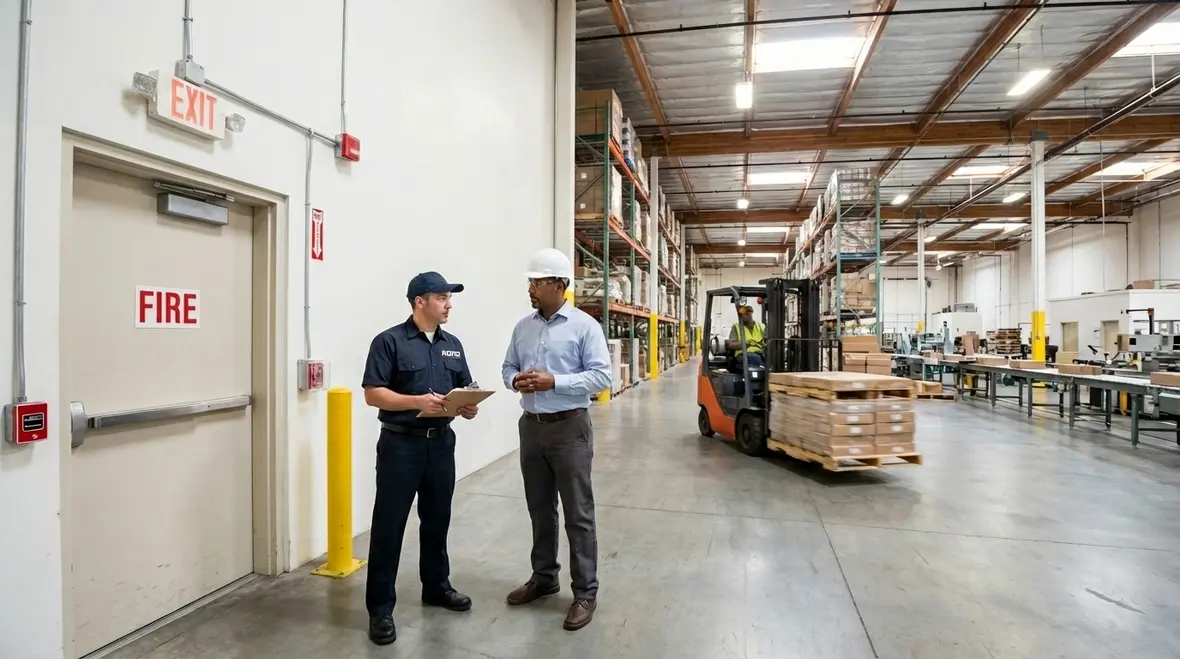
Los Angeles Industrial Fire Code Compliance Guide
In the vast sprawl of Southern California industry, where forklifts hum like distant bees and production lines move with quiet purpose, there is one force that stands above all operations: safety. More specifically, los angeles industrial fire code compliance. It is not a glamorous phrase. It does not sparkle like a Hollywood premiere. Yet, in warehouses, refineries, manufacturing plants, and distribution centers, it is the quiet hero that keeps doors open and people safe.
Industrial facilities across Los Angeles operate under some of the strictest fire regulations in the nation. And while codes can feel dense enough to double as a doorstop, Kord Fire Protection technicians have a knack for explaining them in clear, practical terms. They break down complex requirements into real world actions, helping facility managers stay compliant without losing sleep or their sense of humor.
This guide explores what compliance really means, why it matters, and how industrial operators can stay ahead of inspections without turning their maintenance team into amateur firefighters.
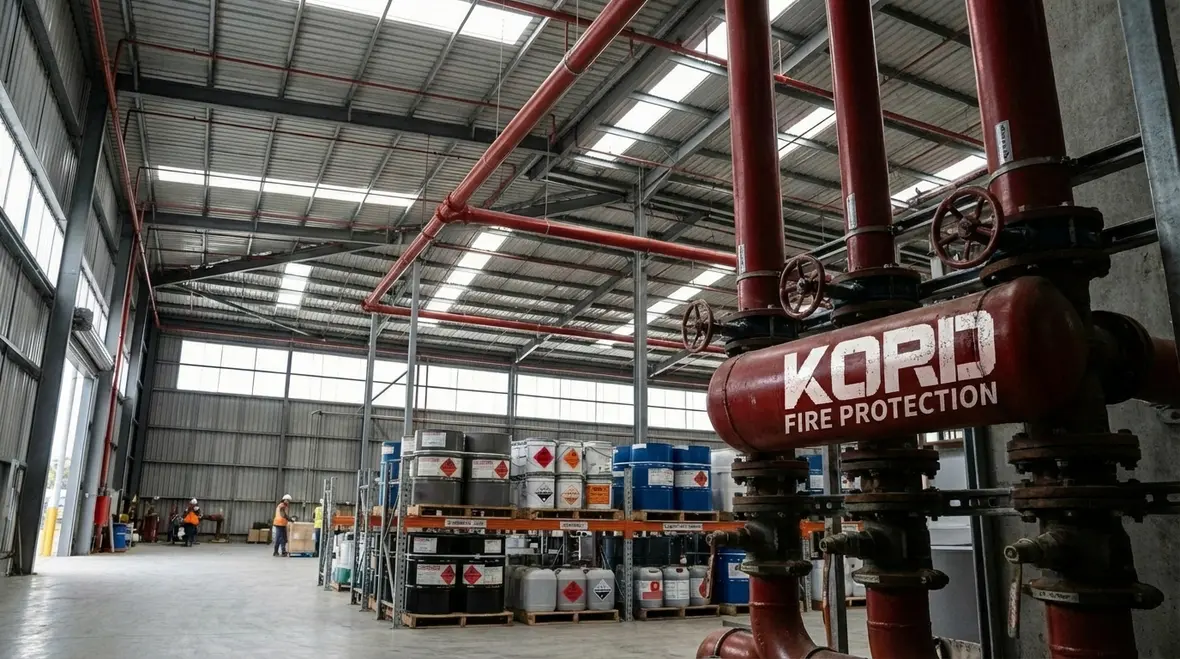
Understanding Los Angeles Industrial Fire Code Compliance Requirements
When someone types into a search bar, “What does my LA industrial facility need to pass fire inspection?” they are asking a fair question. Fortunately, the answer follows a clear structure.
Los Angeles enforces the California Fire Code with local amendments. Therefore, facilities must follow both state and city specific requirements. These rules cover fire suppression systems, alarm systems, hazardous materials storage, emergency exits, fire department access, and more.
In practical terms, compliance means:
- Installing and maintaining automatic sprinkler systems where required
- Ensuring fire alarms are tested and monitored
- Maintaining proper clearance around electrical panels and equipment
- Storing flammable and combustible materials correctly
- Keeping exit routes illuminated and unobstructed
However, it goes deeper than equipment. Documentation matters. Inspection logs, testing records, and maintenance reports must remain up to date. During inspections, fire officials will ask for proof, not promises.
Kord Fire Protection technicians often explain it this way: compliance is not a one time event. It is a rhythm. Systems must function every day, not just on inspection day.
In Los Angeles, that rhythm often includes recurring Regulation 4 testing services for systems like sprinklers, standpipes, fire pumps, and complex alarm systems, all designed to verify ongoing performance under local fire department standards.
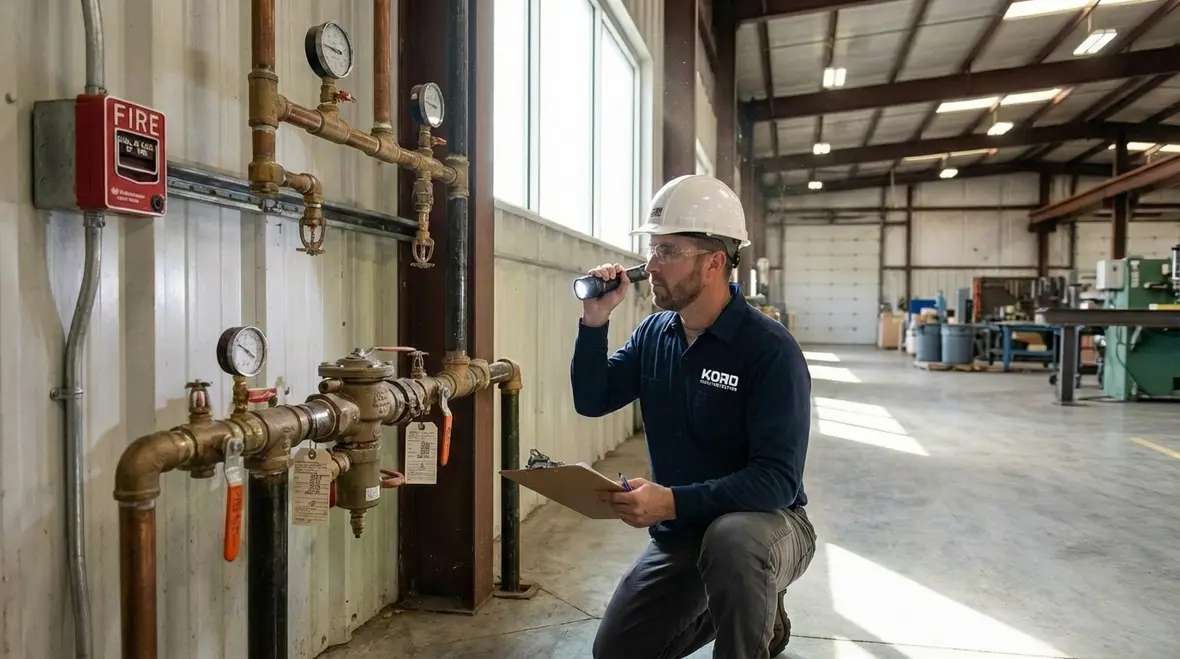
What Inspectors Look for in LA Industrial Facilities
If walls could talk during a fire inspection, they might whisper, “Keep it simple. Keep it clear.” Inspectors focus on life safety first. After all, buildings can be rebuilt. People cannot.
Fire suppression and water-based systems
First, they examine fire suppression systems. Sprinkler heads must remain unobstructed. Control valves must be accessible and properly labeled. Additionally, backflow prevention devices must function correctly to protect the public water supply.
Many of these components are verified through targeted Reg 4 tests, such as the Reg 4 auto sprinkler test or Reg 4 fire pump test, which confirm that water actually moves, flows, and delivers pressure the way the code expects in a real emergency.
Alarm and notification systems
Next, they check alarm systems. Are pull stations visible? Are strobes and horns operational? Has the system been tested according to schedule? These details may sound small, yet small details often determine whether a facility meets los angeles industrial fire code compliance standards.
For larger or more complex industrial buildings, inspectors may expect evidence of routine testing aligned with standards like NFPA 72 fire alarm requirements as well as specialized local programs like the Regulation 4 complex fire alarm and supervising test.
Hazardous materials and housekeeping
Inspectors also review hazardous materials storage. In Los Angeles, many industrial facilities handle chemicals, fuels, or compressed gases. Therefore, proper containment, ventilation, and labeling are critical. One misplaced drum can create more drama than a summer blockbuster.
Finally, they assess housekeeping. Clear aisles. Proper stacking. No blocked exits. It sounds basic, yet clutter remains one of the most common violations.
Kord Fire Protection technicians often walk facilities before official inspections. During these walkthroughs, they point out issues in plain language. Instead of quoting code sections like robots, they explain what could happen in a real emergency. That clarity makes all the difference.
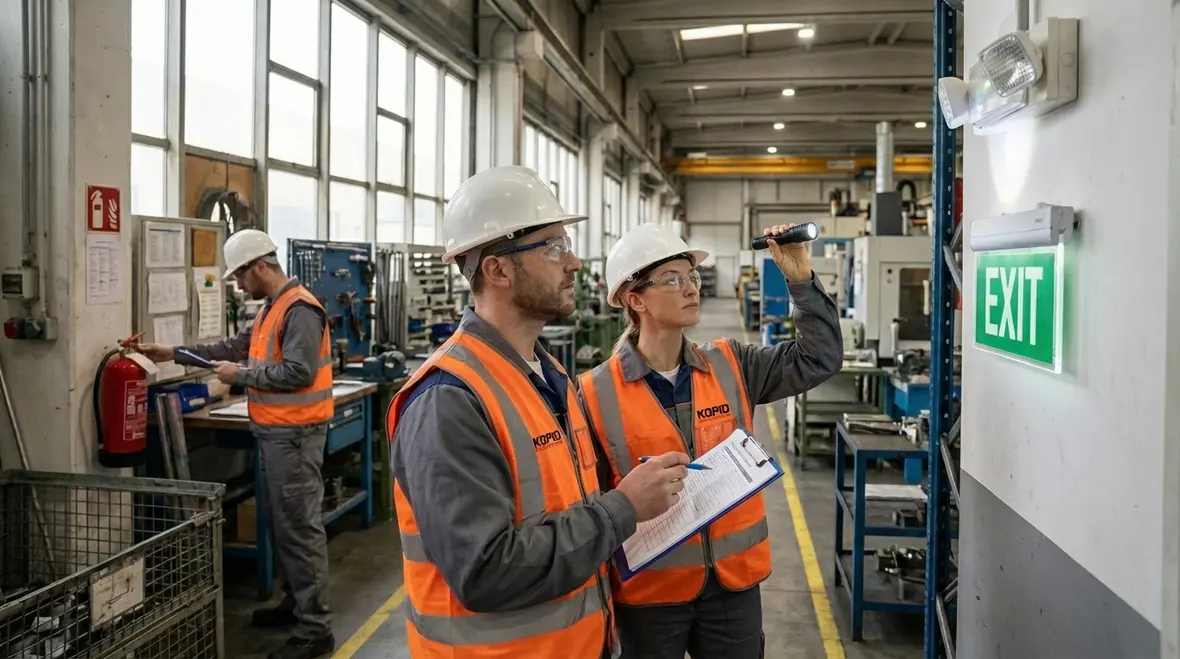
How to Prepare for a Fire Inspection in Los Angeles
Many managers quietly ask, “How do we prepare without overcomplicating everything?” The answer is methodical preparation.
Step 1: Tighten up records and test reports
First, review all inspection and testing records. Sprinkler systems require annual inspections, quarterly checks, and in some cases five year internal pipe assessments. Fire alarms also follow strict testing schedules. Therefore, documentation should be organized and easy to access.
If your systems fall under programs like Regulation 4, make sure recent certificates and test results are filed and easy to locate for your next visit from LAFD or a third-party inspector.
Step 2: Conduct an internal walk-through
Second, conduct an internal audit. Walk the floor. Look at exits. Confirm that emergency lighting works. Check that fire extinguishers are mounted, tagged, and not hidden behind pallets. It may feel like playing detective, yet it prevents expensive surprises.
Step 3: Train people, not just systems
Third, train staff. Employees should understand evacuation routes and basic fire response procedures. Moreover, designated personnel should know how to shut down equipment safely if needed.
Step 4: Bring in professionals before the fire marshal
Finally, schedule a professional evaluation. Kord Fire Protection technicians often simulate the inspection process. They explain why certain corrections matter and help prioritize fixes. As a result, facilities approach official visits with calm confidence rather than mild panic.
Common Fire Code Violations in Industrial Buildings
Some violations appear so often they deserve their own highlight reel.
Blocked exits and compromised egress
Blocked exits top the list. A single pallet placed in front of an exit door can trigger a citation. Although it may seem harmless in the moment, during an emergency it becomes a barrier between safety and chaos.
Flammable liquid storage mistakes
Improper storage of flammable liquids also ranks high. Containers must meet specific standards. Storage cabinets must be approved and properly labeled. Furthermore, quantities stored on site must align with permitted limits.
Sprinkler and standpipe coverage gaps
Another frequent issue involves sprinkler system modifications. When facilities rearrange shelving or install new equipment, they sometimes forget to adjust sprinkler coverage. Consequently, gaps in protection appear. That oversight can undermine los angeles industrial fire code compliance and increase risk.
Similar problems arise with standpipe systems in taller industrial structures. Local standards, including Reg 4 Class 2 standpipe tests and Class 3 standpipe tests, help verify that fire hose connections will actually deliver water where firefighters need it.
Electrical hazards hiding in plain sight
Electrical hazards create additional trouble. Extension cords used as permanent wiring, overloaded outlets, and exposed conductors invite both citations and danger. Understanding references like NFPA 70 electrical standards can help facilities design safer power distribution from the start.
Kord Fire Protection technicians approach these issues with calm authority. Instead of shaming facility teams, they explain the chain reaction that a single violation can trigger. A blocked exit becomes a delayed evacuation. A delayed evacuation increases injury risk. Simple cause and effect. No drama required.

Integrating Fire Protection Systems with Daily Operations
Industrial leaders often ask, “How can we stay compliant without slowing production?” It is a fair concern. Time is money. However, safety and productivity can coexist.
Consider fire protection as part of operational design rather than an afterthought. For example, when planning racking layouts, managers should coordinate with fire protection professionals to maintain proper sprinkler spacing. Likewise, when introducing new machinery, they should assess whether additional detection or suppression is required.
Regular maintenance should also align with production schedules. By planning inspections during low activity periods, facilities reduce disruption. Additionally, digital recordkeeping simplifies documentation and speeds up reporting.
Reactive vs. proactive compliance culture
Reactive Approach Proactive Approach
Fix issues after citation Identify and correct issues before inspection
Scramble for paperwork Maintain organized digital records
Temporary fixes Long term system upgrades
Higher risk exposure Reduced liability and improved safety culture
While the reactive method may seem cheaper at first glance, it often costs more over time. In contrast, a proactive strategy strengthens both compliance and operational stability.
Kord Fire Protection technicians emphasize planning. They help facilities build maintenance schedules that feel manageable rather than overwhelming. As they often say, steady attention prevents sudden emergencies.
The Role of Documentation in Passing Fire Code Reviews
Paperwork may not inspire applause, yet it holds tremendous power during inspections. Fire officials rely on documented proof that systems function as intended.
Inspection tags on extinguishers show service dates. Sprinkler reports detail valve conditions and water flow tests. Alarm logs confirm signal transmission and device testing. Without these records, even a perfectly functioning system may raise concerns.
Moreover, accurate documentation supports insurance requirements. In the event of a claim, insurers will request maintenance records. Therefore, organized files protect not only regulatory standing but also financial stability.
Los Angeles industrial fire code compliance depends on both physical systems and verifiable records. One without the other leaves gaps.
Kord Fire Protection technicians often guide clients through recordkeeping best practices. They explain which forms to keep, how long to retain them, and how to prepare for audits. Their approach removes guesswork and replaces it with structure.
Staying Ahead of Changing Fire Regulations in Los Angeles
Fire codes evolve. As new technologies emerge and risks shift, regulations adapt. Therefore, industrial facilities must stay informed.
For example, updates may affect lithium ion battery storage, high piled combustible storage, or energy storage systems. Each of these areas carries unique hazards. Consequently, code revisions can introduce new spacing requirements, detection standards, or suppression guidelines.
Rather than reacting to changes after enforcement begins, proactive facilities monitor updates and consult professionals. Kord Fire Protection technicians regularly review code changes and translate them into practical recommendations. They explain what has changed, why it matters, and how to implement updates without disrupting operations.
In a city known for reinvention, staying current is simply part of doing business. And when it comes to fire safety, being current can mean the difference between resilience and regret.
FAQ About Fire Code Compliance for LA Industrial Facilities
Conclusion: Building a Safer Future Through Compliance
Fire code compliance is not just a regulatory hurdle. It is a commitment to people, property, and continuity. Industrial leaders who invest in strong systems, clear documentation, and expert guidance build facilities that stand firm under scrutiny. Kord Fire Protection technicians bring clarity, experience, and steady support to every step of the process.
For Los Angeles facilities ready to strengthen safety and meet every standard with confidence, now is the time to act. Explore full-service fire protection and safety inspections or schedule targeted Regulation 4 testing services to keep your industrial operation compliant, resilient, and ready for whatever comes next.
Know Your Weapon Before You Fight the Flame
Kord Fire Protection is your go-to when it comes to all things fire protection. For over 20 years, we’ve been serving Southern California with the quality service and equipment to keep your home or business safe at all times. Our competitive prices reflect our unwavering commitment to protecting what matters most in the event of a fire emergency. Give us a call, send an email, or use that form!

Join Our Newsletter!
Get the latest fire safety tips delivered straight to your inbox From our Newsletter.


