Fire Pump Power Requirements for Uninterrupted Performance
Quick Answer
Critical fire pump systems need stable power so the pumps start fast, run smoothly, and keep pressure when it matters. That means planning for voltage drop, starting surges, and backup power that works under load. With the right maintenance and monitoring, sites reduce risk and stay compliant.
In real facilities, uninterrupted fire pump performance depends on electrical reliability from the first instant of startup through continuous operation. To support that, sites often benefit from a broader full fire protection services approach that keeps inspection, testing, and readiness aligned instead of treating the pump like an isolated piece of hardware.
To protect people and property, facilities must plan fire pump power requirements that can handle worst case conditions, including motor starting current, voltage drop, and continuous run loads. Otherwise, the pump may stall at the exact moment smoke fills the air and everyone starts asking why the system “did that once.”
In this article, third person guidance explains how uninterrupted power keeps critical pumps ready, how failure modes happen in real sites, and how Kord Fire Protection can become a vital partner for the service, testing, and ongoing confidence that operations teams actually need. Near the top of that discussion, it is worth noting that Kord Fire also offers dedicated fire pump services that naturally fit facilities needing structured inspections, testing, and documented maintenance.
Why uninterrupted power decides whether the pump actually performs
Fire pumps must start instantly on demand. Therefore, the electrical system must supply the correct voltage and frequency, and the distribution network must hold steady when the motor draws high current. In practice, the biggest threats come from the moments that look harmless on paper: transfer time, under voltage events, and poor coordination between breakers, contactors, and protective devices.
Additionally, fire pumps often run with minimal margin for error. A small drop in voltage at start can increase current draw, overheat components, or trip protection. Then the system delays while technicians chase a fault that looks intermittent, like a pop quiz nobody studied for. And unlike pop culture heroes, real pumps do not get a second chance if power quality collapses during the start window.
Where the real risk shows up first
What makes this issue tricky is that a system can appear healthy during ordinary conditions yet still struggle under emergency demand. Controllers may look normal, alarms may stay quiet, and switchgear may show no obvious distress until the motor starts hard and the network feels the surge. That is why power planning has to focus on the exact conditions that matter most, not the calm moments in between.
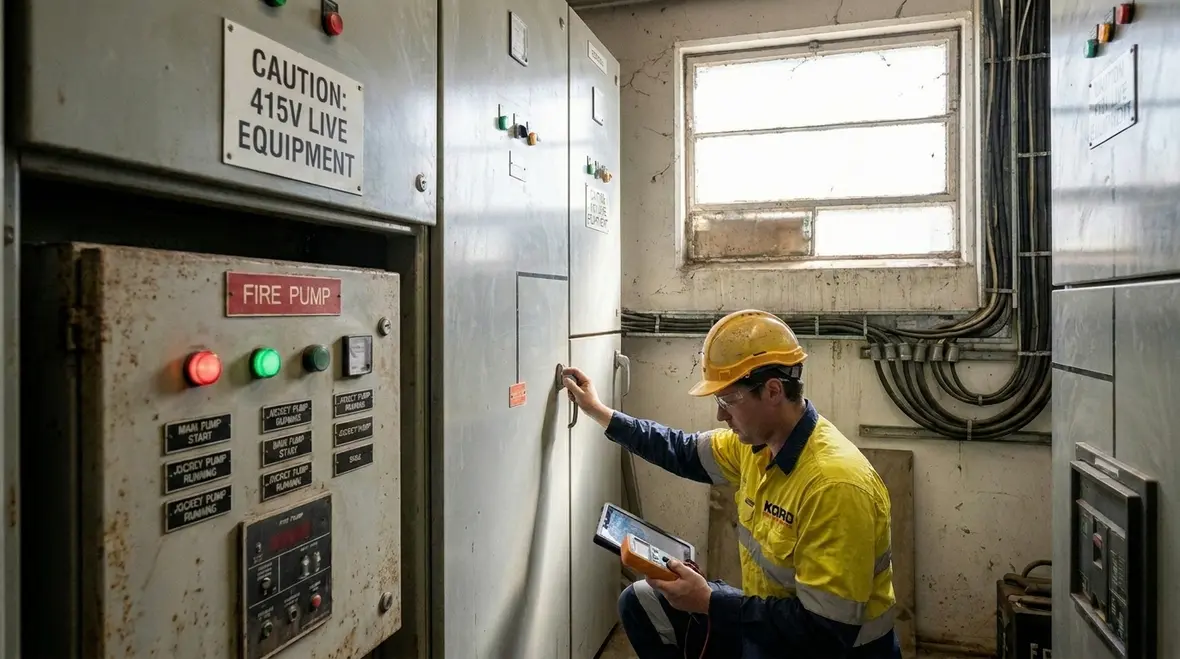
Map the load profile behind fire pump power requirements
To keep power uninterrupted, teams first understand the load profile that the fire pump creates across its operating cycle. The electrical demand changes during start, settles during acceleration, and then stabilises during continuous operation. So, a facility cannot treat power as a single number. It is a sequence of electrical events.
That distinction matters because design decisions that look acceptable at steady state may fail badly during startup. Cable sizing, breaker selection, and controller behaviour all respond differently when a motor pulls inrush current compared with when it cruises at normal load. When teams model the full sequence instead of only the destination, the system becomes much easier to predict and much harder to surprise.
- Motor starting current and how long the motor draws the peak
- Voltage drop from the supply to the pump terminals during starting
- Starting method such as direct on line, soft starter, or variable speed drive and how each affects inrush current
- Minimum run loads for jockey pumps and associated controls
- Control circuit supply for controllers, relays, and alarms, which must remain powered
Once these factors get documented, engineers can size cables, design protective settings, and define acceptable performance thresholds. Consequently, the system has less guesswork during commissioning, maintenance, or incident investigation.
A mapped load profile also improves communication between electrical teams, fire protection specialists, and facility managers. Everyone can point to the same operating assumptions instead of arguing over which reading mattered most after the fact. That makes testing cleaner, troubleshooting faster, and reporting much less dramatic than a last minute blame carousel.
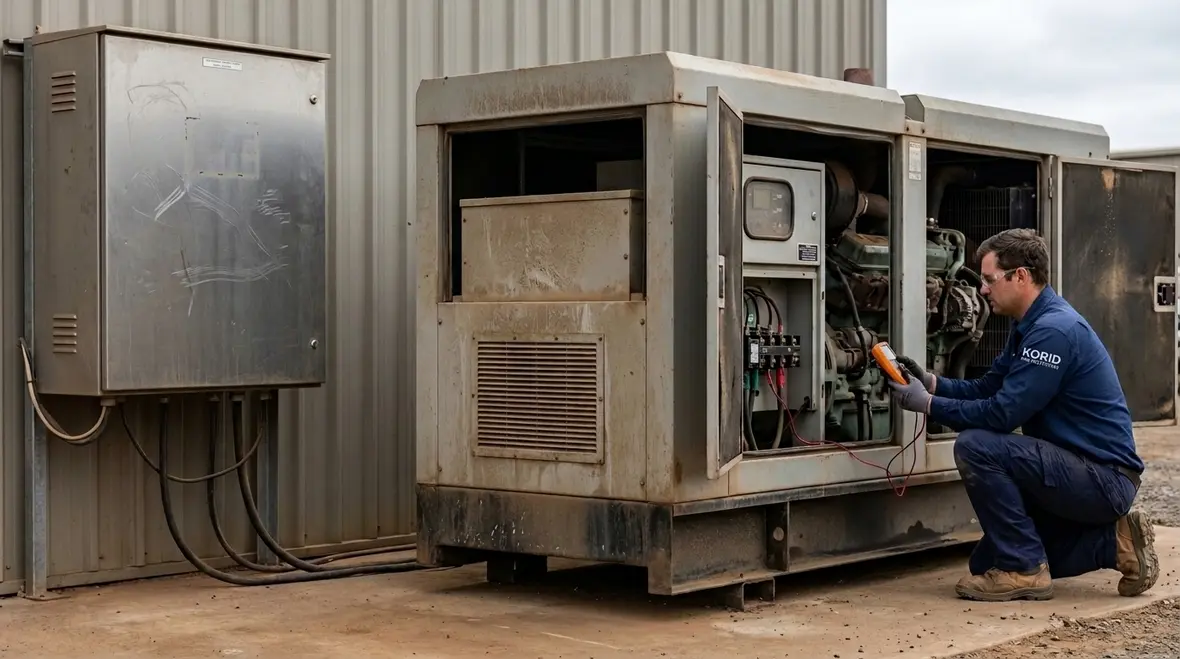
Backup power must work under load, not just at idle
Many facilities install backup power and then test it the way people watch a trailer but never read the book. They see it run with no meaningful electrical load and assume success. However, fire pump systems demand that standby sources behave correctly while the motor starts and the distribution network experiences stress.
Backup power options commonly include generator sets, UPS systems, and automatic transfer arrangements. Yet the real question is how quickly and how safely the system transfers power when the main supply fails. In addition, teams must account for voltage and frequency stability during the transfer and the early seconds of motor operation.
What professionals should verify during standby testing
- Transfer time between sources and whether it stays within the pump control requirements
- Generator stability during peak inrush current events
- UPS coverage for controller and critical control circuits when needed
- Coordination of protective devices so trips do not cascade during transfer
- Correct sequencing so the pump starts promptly without control chatter
And yes, the generator has to perform while everyone else is having a very bad day. That is not pessimism. That is engineering.
This is also where facilities often discover the gap between nominal backup capacity and actual emergency readiness. A generator that idles beautifully can still stumble when the motor starts, while a UPS that protects controls may do nothing for the heavy lifting of pump operation. The lesson is simple: idle performance is nice, but loaded performance is what keeps water moving when the pressure is on.
Prevent voltage drop and nuisance trips with smarter coordination
Even when backup power exists, primary supply issues can still interrupt pump operation. Therefore, facilities should reduce voltage drop at the source and along the feeder. Then they must coordinate the protective scheme so starting current does not trigger unwanted trips.
Common real world culprits include long cable runs, undersized conductors, corroded terminations, loose lugs, and poorly maintained switchgear. Meanwhile, protective settings sometimes get tuned for normal loads rather than motor starting behaviour. So, the system behaves like a guard dog that barks at a vacuum cleaner, then misses the intruder.
- Inspect and test terminations for tightness and resistance under load conditions
- Verify cable sizing and check voltage drop calculations against actual readings
- Review breaker and relay settings for motor start duty
- Check busbar and switchgear health through inspections and approved test methods
- Confirm interlocks so transfer and control logic do not fight each other
As these steps move from theory to verified practice, the fire pump becomes less of a systems mystery box and more of a dependable asset.
Smarter coordination is rarely flashy, but it is one of the fastest ways to improve reliability without pretending the laws of electricity will take the day off. Small corrections in settings, terminations, or feeder quality can remove the exact kind of nuisance event that causes expensive confusion during alarms, drills, or real emergencies.
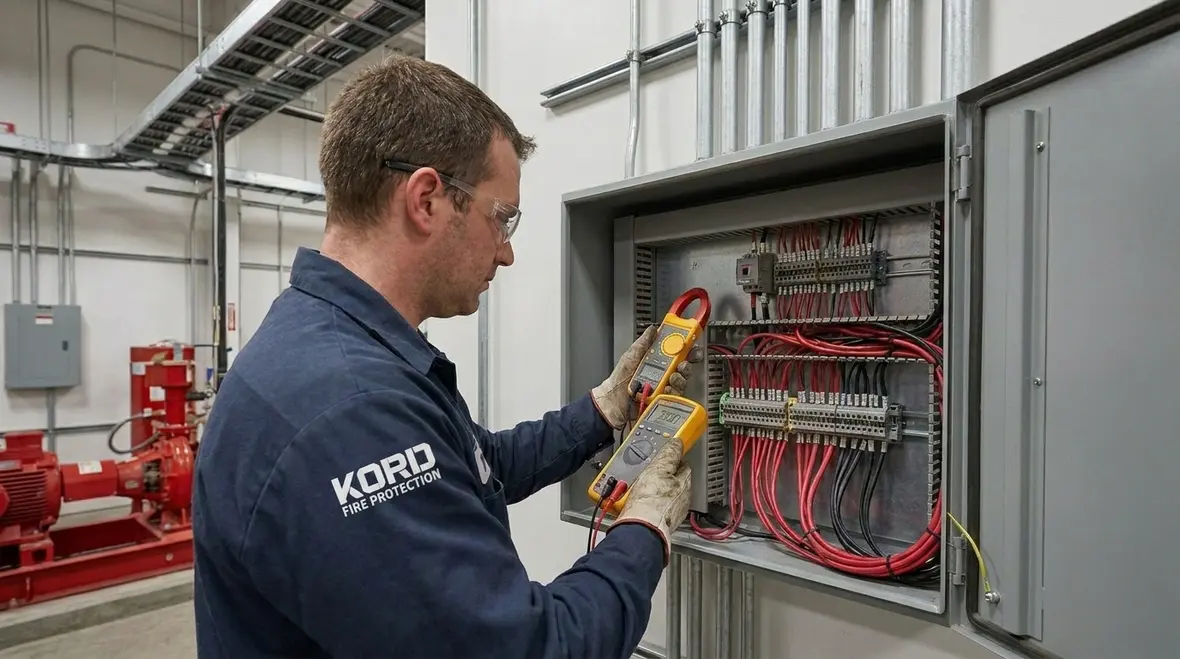
Test like an operator, document like an auditor
Uninterrupted power does not come from installing equipment alone. It comes from repeatable testing, clear documentation, and disciplined maintenance. So, teams should build test routines that reflect how the system responds during real faults.
Effective testing typically includes performance checks for starters, controllers, transfer equipment, and protective devices. Moreover, records should show results over time, not just a single pass or fail. Trends reveal degradation early, such as rising switchgear temperatures, changing contactor performance, or increasing voltage sag at start.
- Testing schedules align with operational needs so production and logistics stay stable
- Occupant safety procedures get followed during commissioning and run tests
- Clear evidence exists for compliance and handover documentation
- Corrective actions get tracked until closure, not left as to be advised
In other words, documentation should help the next person troubleshoot in minutes, not hours. Nobody wants a scavenger hunt when a system shows trouble.
Good records do more than satisfy paperwork
The best maintenance records create continuity. They show what was tested, what changed, what drifted, and what still needs attention. That helps operators make decisions without guessing and gives service teams a clean trail to follow when conditions evolve. Compliance matters, of course, but practical clarity matters too, especially when nobody has time for detective work in the middle of a fault response.
Why Kord Fire Protection can strengthen the service side
Facilities do not just need hardware. They need a dependable partner who understands fire pump systems as part of the whole life cycle: design support, commissioning coordination, scheduled service, and testing that meets expectations. Kord Fire Protection can become a vital partner by helping organisations keep critical pump assets reliable through structured maintenance, practical testing, and clear reporting.
Additionally, Kord Fire Protection supports teams by bringing service discipline to the routine work that operations often treats like background noise. When a facility runs across industrial sites, retail assets, or multiple properties, standardising service approach matters. Because in the real world, one site’s good enough can become another site’s unexpected failure.
With the right partnership, facilities can reduce downtime risk, improve readiness, and strengthen confidence during inspections. And when something does go wrong, having documented test history speeds up diagnosis and helps decision makers act faster, without panic and without blame games.
FAQ
Conclusion: secure the power, protect the mission
Critical fire pump systems rely on stable electrical delivery, correct transfer behaviour, and coordinated protection. Therefore, facilities should map fire pump power requirements, verify performance under load, and test with real-world fault scenarios. Then they should keep records and maintain equipment before small issues grow loud.
If this work needs a steady, experienced partner, contact Kord Fire Protection to strengthen service, testing, and ongoing reliability across your sites.

Join Our Newsletter!
Get the latest fire safety tips delivered straight to your inbox From our Newsletter.