
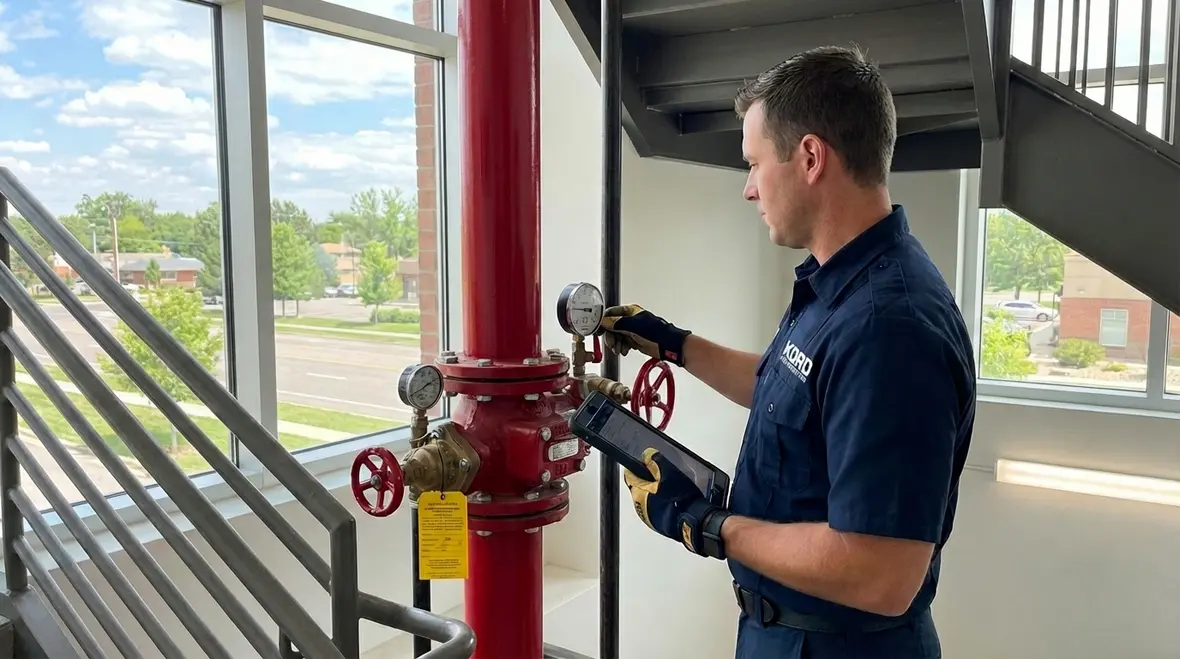
Lakewood Standpipe Inspection Requirements Guide
In every well built structure, there is a quiet guardian waiting behind a metal cabinet door. It does not ask for applause. It does not seek attention. Yet when flames rise and alarms echo, it becomes the difference between chaos and control. A proper Lakewood standpipe inspection ensures that this silent defender is ready for the moment it is needed most. In Lakewood, building owners carry a clear responsibility to maintain these systems, and that responsibility comes with specific requirements. Fortunately, professionals like Kord Fire Protection technicians guide property managers through the process with clarity, patience, and the kind of calm authority that makes even fire codes sound almost soothing.
Understanding Standpipe Inspection Requirements in Lakewood
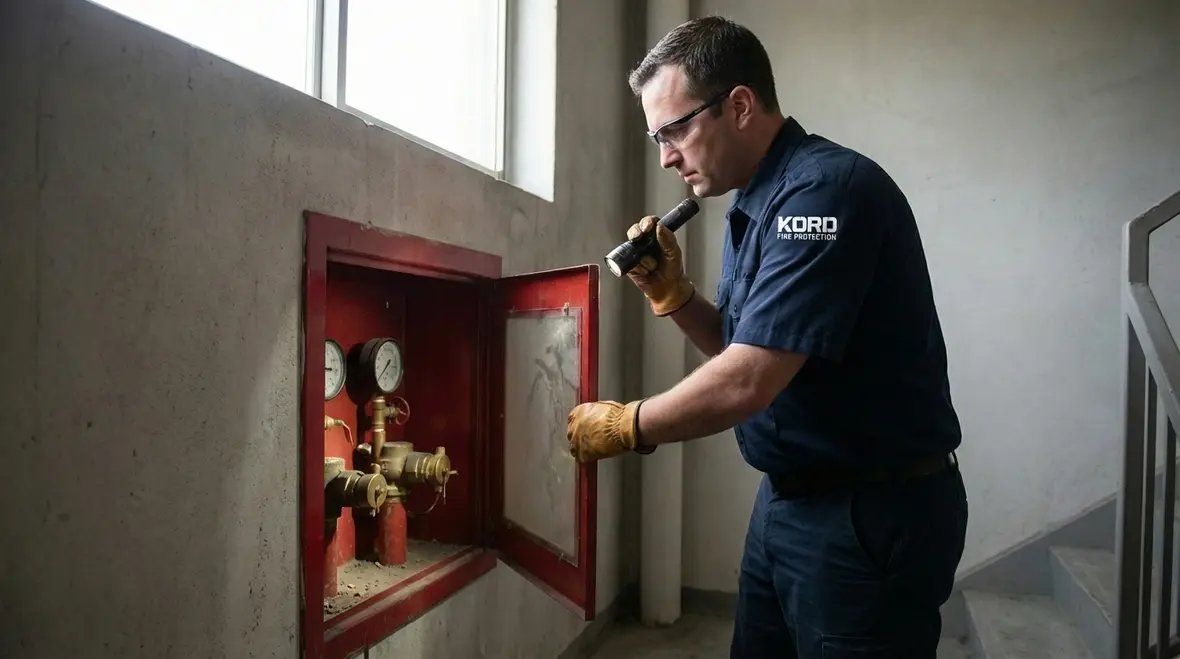
Standpipe systems serve as a building’s internal highway for water delivery during a fire emergency. Firefighters connect their hoses to standpipe outlets, often located in stairwells, to access water on upper floors. Because of this critical role, local and national fire codes demand regular inspection and testing.
In Lakewood, inspections follow standards set by the National Fire Protection Association, particularly NFPA 25. However, local authorities may add their own requirements. Therefore, property owners must pay attention to both state and municipal rules. For broader context on how these systems are designed and maintained, Kord Fire’s standpipe system requirements guide offers a helpful companion read.
Typically, standpipe systems require:
- Visual inspections on a routine basis to check valves, gauges, and hose connections
- Annual inspections to confirm accessibility and proper condition
- Flow testing every five years to verify water pressure and volume
- Hydrostatic testing at specified intervals for certain system types
Although this may sound technical, the purpose is simple. The system must work immediately and without hesitation. Fire does not wait for a convenient time, and neither should compliance.
How Often Does a Lakewood Standpipe Inspection Need to Be Done?
Property owners often ask how frequently they must schedule inspections. The short answer is that it depends on the type of system and its age. However, most buildings follow a structured timeline.
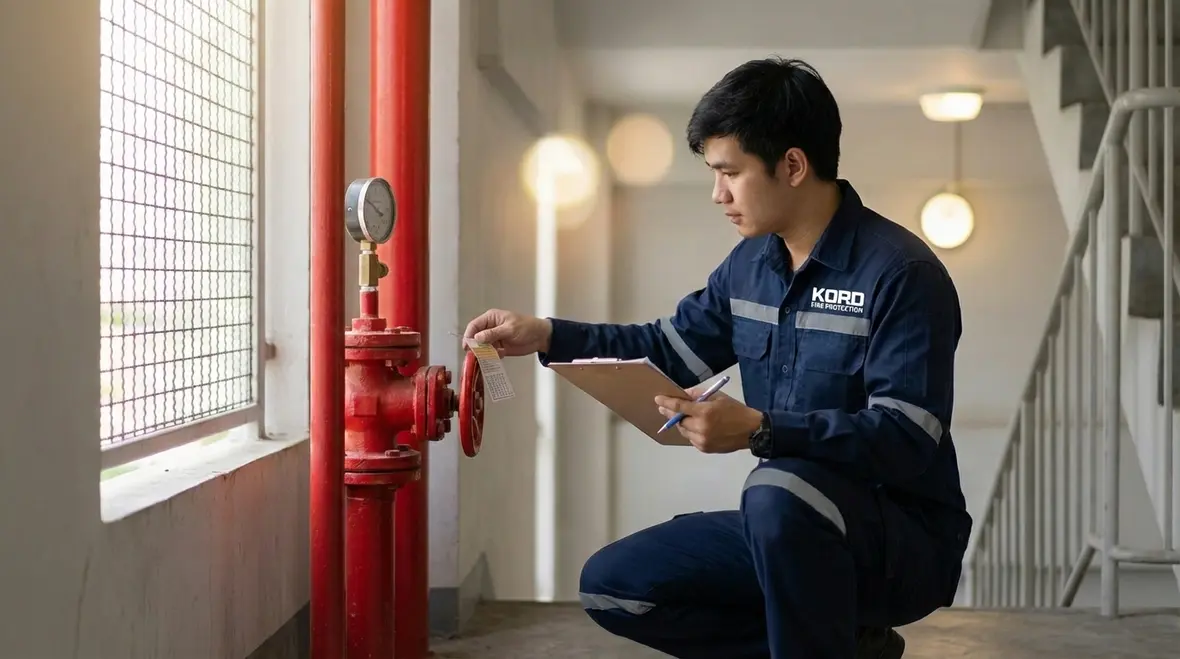
First, monthly or quarterly visual checks may be required for certain components. During these checks, technicians confirm that valves remain in the correct position and that no physical damage is present. Next, annual inspections involve a more detailed review. Inspectors ensure that hose valves operate properly, caps are intact, and signage remains visible.
Then comes the five year flow test. This test measures water pressure and confirms that the system delivers the required gallons per minute. It is, in many ways, the ultimate proof of readiness. Without sufficient pressure, even the best equipment becomes little more than expensive decoration.
Kord Fire Protection technicians often explain this schedule in straightforward terms. They break down the timeline, clarify responsibilities, and help owners avoid last minute panic. After all, scrambling before a fire marshal visit is about as enjoyable as assembling furniture without instructions.
What Inspectors Actually Look For During Testing
An inspection is not just a quick glance and a friendly nod. Instead, it follows a structured checklist designed to catch small issues before they grow into costly problems.
During a professional review, technicians examine:
- Control valves to ensure they are fully open and properly sealed
- Pressure gauges to confirm accurate readings
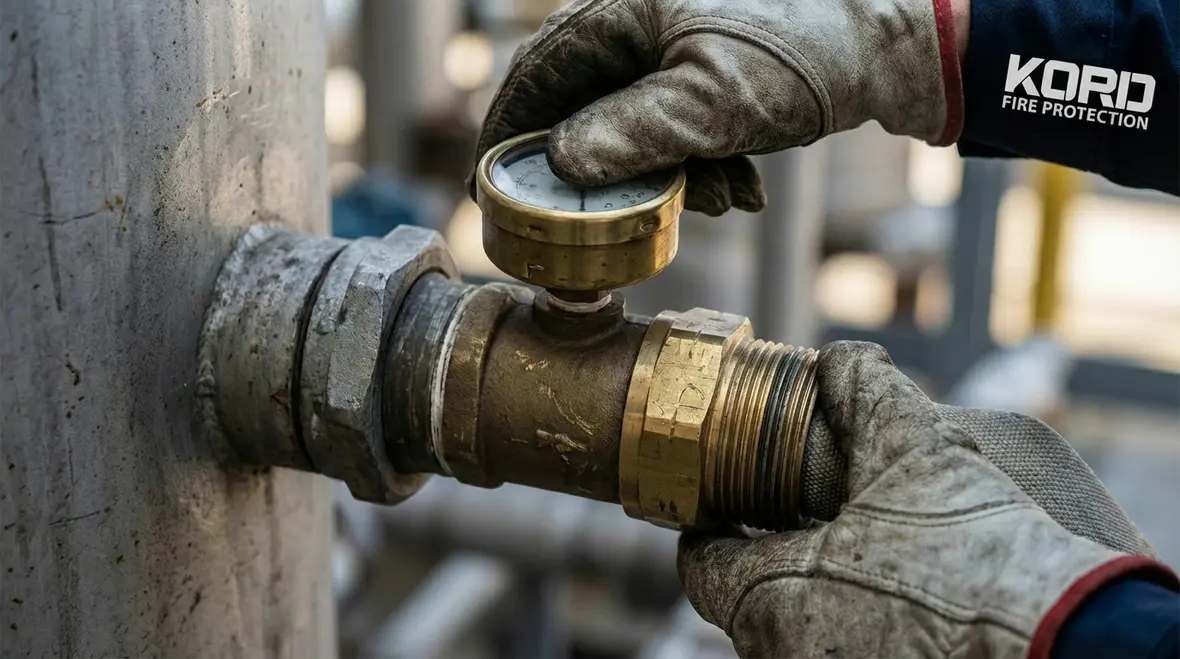
- Hose connections for thread damage or corrosion
- Cabinets for accessibility and clear labeling
- Piping for signs of leaks, rust, or mechanical damage
In addition, during flow testing, inspectors measure water output at the most remote outlet. This step confirms that even the highest or furthest section of the building receives adequate pressure.
Because details matter, trained professionals document every finding. Kord Fire Protection technicians often walk property managers through these reports line by line. They translate code language into plain speech. As a result, owners understand not just what failed, but why it matters. It is a bit like having a fire safety translator who also knows where all the valves are hiding.
Common Issues Found in Lakewood Buildings
Even well maintained properties can develop problems over time. Water, metal, and pressure create wear. Therefore, routine inspections frequently uncover similar patterns.
One common issue involves partially closed control valves. Sometimes a valve is adjusted during maintenance and never fully reopened. While it may look fine at a glance, it restricts water flow when it counts.
Corrosion is another frequent concern. Over the years, moisture inside pipes can cause rust buildup. If left untreated, corrosion reduces pipe strength and restricts water movement.
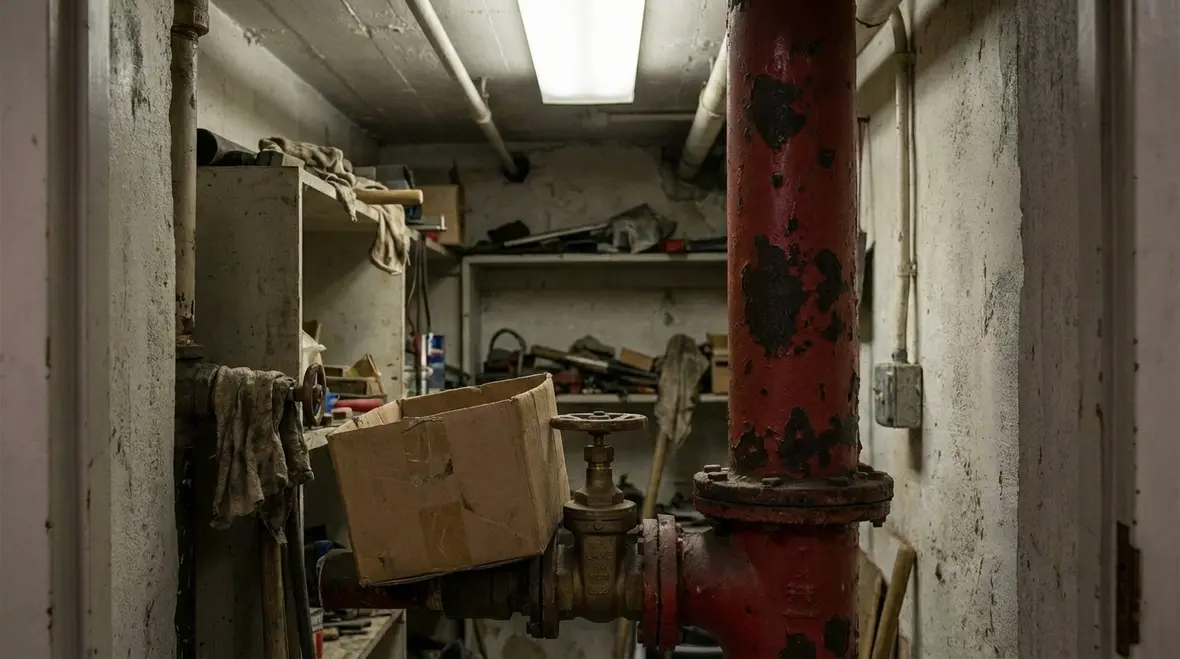
Obstructed access also appears more often than one might expect. Storage boxes, cleaning carts, or renovation materials occasionally block hose connections. In an emergency, seconds matter. No firefighter wants to play a real life version of an obstacle course just to access water.
Because of these recurring issues, consistent standpipe system inspection in Lakewood remains essential. It keeps small oversights from becoming major liabilities.
Why Professional Guidance Makes Compliance Easier
Fire codes can feel dense and intimidating. However, experienced technicians make the process manageable. Kord Fire Protection technicians approach inspections with both precision and patience. They do not simply point out deficiencies. Instead, they explain what needs correction and outline practical next steps.
Moreover, they coordinate scheduling to minimize disruption. For multi story residential buildings, hotels, or commercial facilities, shutting down a system for testing requires planning. Professionals communicate clearly with management and tenants before any work begins.
Additionally, they maintain detailed records. Accurate documentation protects building owners during audits or after an incident. Should authorities request proof of compliance, organized reports provide immediate answers.
In many ways, partnering with experts transforms regulatory compliance from a burden into a structured routine. It becomes less about fear of fines and more about confidence in preparedness.
Inspection Components and Testing Intervals at a Glance
For those who appreciate clarity, the following overview summarizes key components and their general testing frequency in Lakewood properties.
Component
- Control Valves
- Pressure Gauges
- Hose Connections
- Piping Network
- Water Flow Performance
Typical Interval
- Monthly or Quarterly Visual Check
- Annual Inspection
- Annual Inspection
- Annual Visual Review
- Five Year Flow Test
Although this table provides a helpful snapshot, building owners should always confirm exact requirements with local authorities and qualified inspectors. Codes evolve, and staying informed prevents surprises.
The Cost of Ignoring Requirements
Skipping inspections may seem harmless in the short term. After all, if nothing appears broken, why rush? However, the consequences can be significant.
First, local authorities can issue fines or citations for noncompliance. These penalties add up quickly. Second, insurance providers may question coverage if required inspections were not performed. In a worst case scenario, a claim could face delays or denial.
Most importantly, failure to maintain a standpipe system places occupants and firefighters at risk. During a fire, reliable water access saves lives and reduces property damage. That reality alone makes routine testing a wise investment.
Consequently, proactive inspection is not just about passing a code check. It is about stewardship. It reflects a commitment to safety that tenants, employees, and visitors may never see but certainly benefit from.
FAQs About Standpipe Inspections in Lakewood
Secure Safety with Confidence
Every building tells a story. Some speak of commerce, others of community, and many of home. Yet behind those walls, safety systems stand ready, waiting for their moment. Scheduling a Lakewood standpipe inspection ensures that readiness never falters. Kord Fire Protection technicians bring knowledge, clarity, and steady guidance to every visit. When compliance feels complex, they make it simple.
When questions arise, they provide answers. Reach out today and let preparedness become part of the building’s quiet strength. If your property is near Lakewood, exploring Kord Fire’s Lakewood fire protection services is a natural next step. For neighboring communities, their broader Regulation 4 Class 2 standpipe services help keep Los Angeles area standpipe systems compliant and ready.
Know Your Weapon Before You Fight the Flame
Kord Fire Protection is your go-to when it comes to all things fire protection. For over 20 years, we’ve been serving Southern California with the quality service and equipment to keep your home or business safe at all times. Our competitive prices reflect our unwavering commitment to protecting what matters most in the event of a fire emergency. Give us a call, send an email, or use that form!

Join Our Newsletter!
Get the latest fire safety tips delivered straight to your inbox From our Newsletter.


