La Verne Egress Lighting Compliance Guide
In La Verne, safety does not make headlines until the lights go out. Then, suddenly, everyone cares. La Verne egress lighting plays a quiet but powerful role in keeping people calm and moving in the right direction during emergencies. Whether in schools, office buildings, apartment complexes, or retail spaces, properly installed exit and emergency lighting systems guide occupants to safety when normal power fails. Moreover, local codes demand strict compliance, and for good reason. Kord Fire Protection technicians often explain that in a crisis, people do not rise to the occasion. They follow the light. And that light must work, every single time.
The Role of Egress Lighting in Building Safety
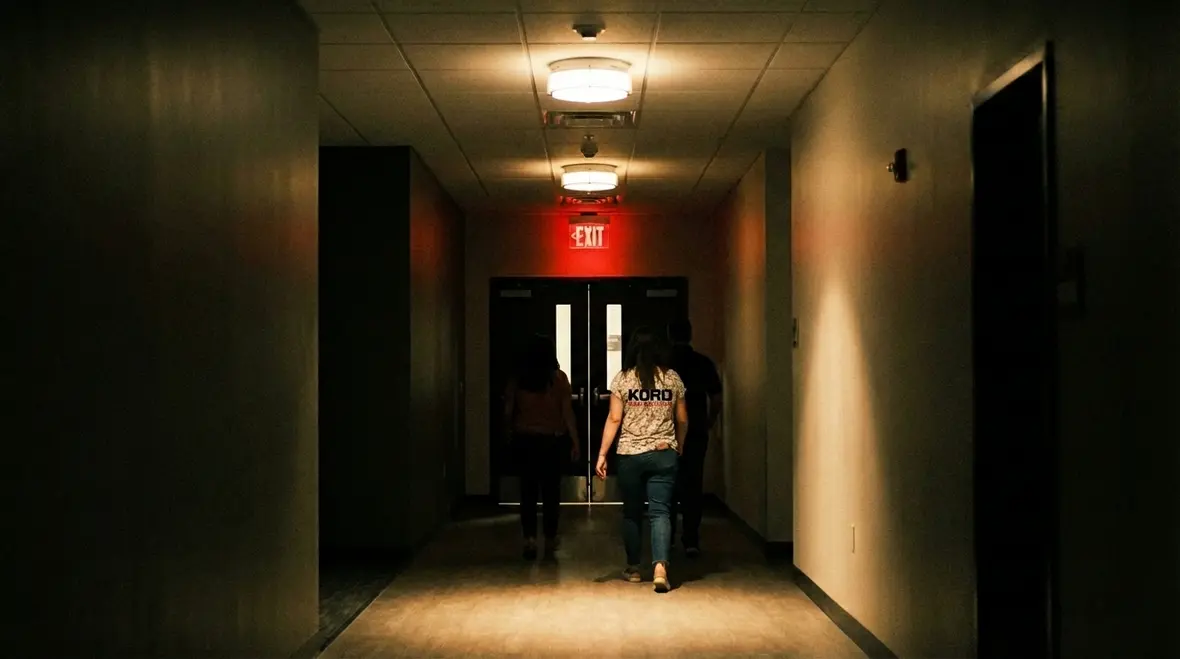
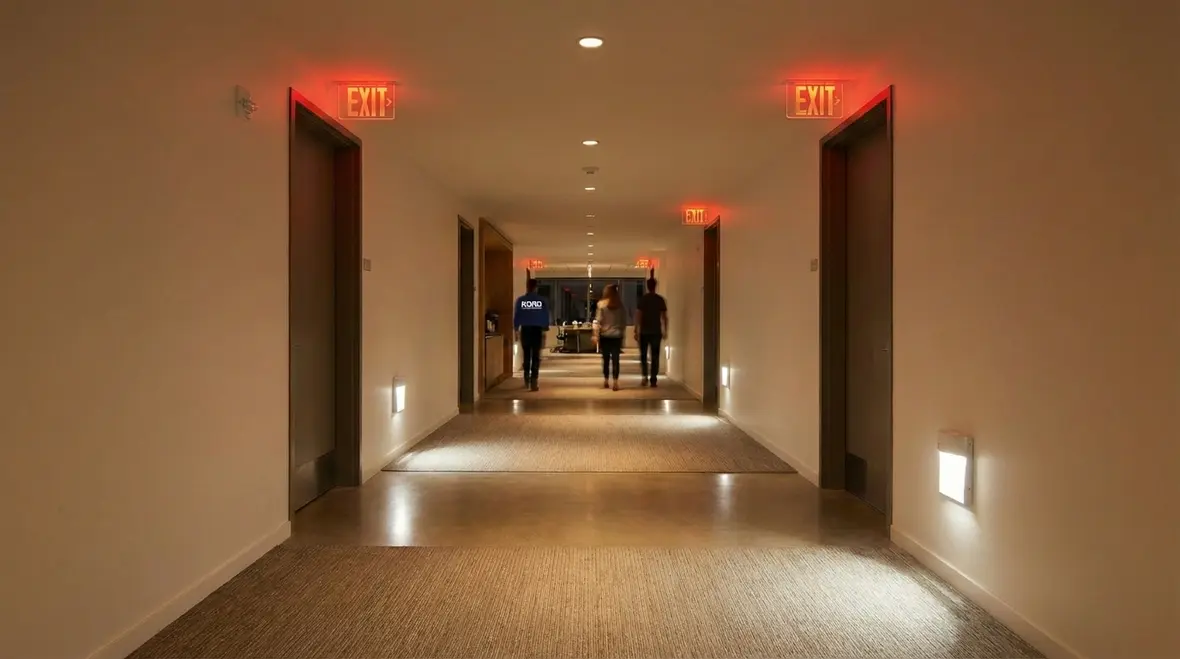
Egress lighting refers to the illuminated pathways that guide occupants to exits during emergencies. This includes exit signs, emergency light fixtures, battery backup systems, and illuminated corridors. In La Verne buildings, these systems must activate immediately when power fails.
Without proper emergency illumination, even a familiar hallway can feel like a maze. However, when lighting is clear and consistent, people move faster and with less panic. That calm movement reduces injury and speeds evacuation.
Kord Fire Protection technicians often compare egress lighting to runway lights at an airport. Pilots do not guess where to land. They follow a clearly marked path. Similarly, building occupants rely on illuminated exit routes to reach safety without hesitation.
Therefore, property owners must treat exit lighting systems as essential life safety equipment, not decorative accessories.
Understanding La Verne Egress Lighting Code Requirements
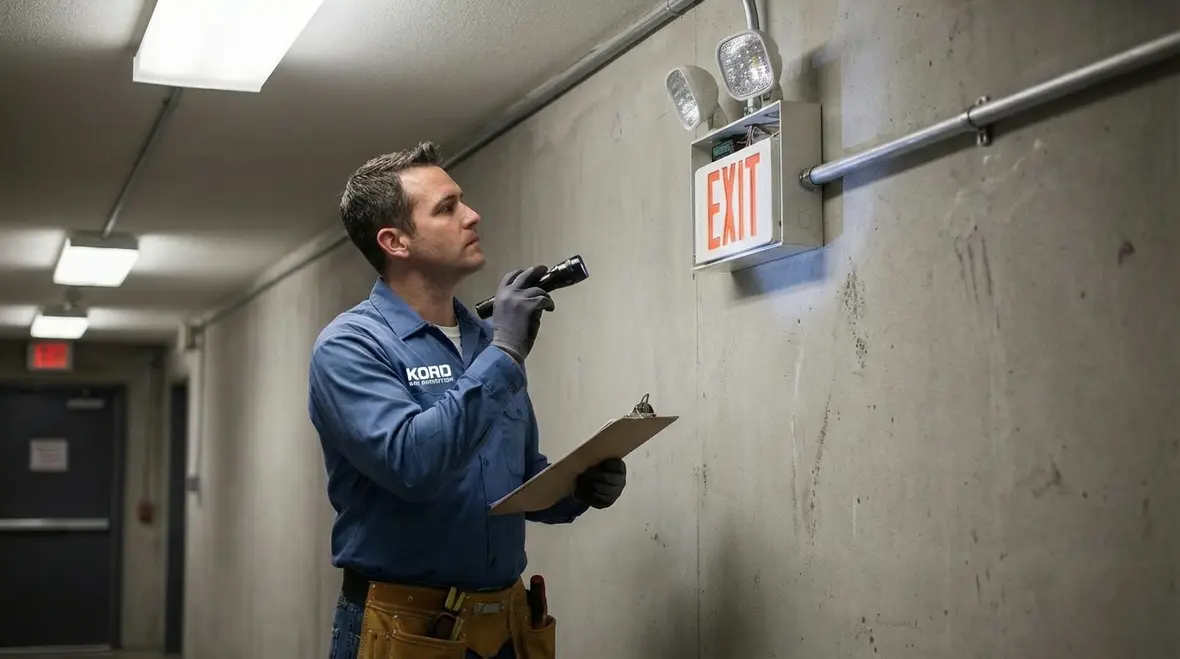
Compliance with La Verne egress lighting regulations involves meeting both California Building Code and Fire Code standards. Additionally, national standards such as NFPA 101 Life Safety Code influence local enforcement.
In general, buildings must provide:
- Illumination levels that meet minimum foot candle requirements along exit paths
- Clearly visible exit signage with backup power
- Emergency lighting that activates within seconds of power loss
- Battery or generator support that lasts at least 90 minutes
Furthermore, fixtures must undergo regular inspection and testing. Monthly functional tests confirm activation. Annual 90 minute tests verify battery endurance. Inspectors do not accept guesswork. They want documentation.
Kord Fire Protection technicians explain these codes in plain language. They often remind property managers that compliance is not about passing an inspection. It is about ensuring that a child in a school hallway or a senior in an apartment complex can see clearly during an emergency.
For La Verne properties that need broader support, many owners partner with dedicated local teams like La Verne Fire Protection Services to keep emergency exit lighting aligned with city and county expectations.
How Building Owners Can Stay Compliant Without the Headache
Many property owners assume compliance feels like assembling furniture without instructions. However, staying on track becomes simple with a clear plan.
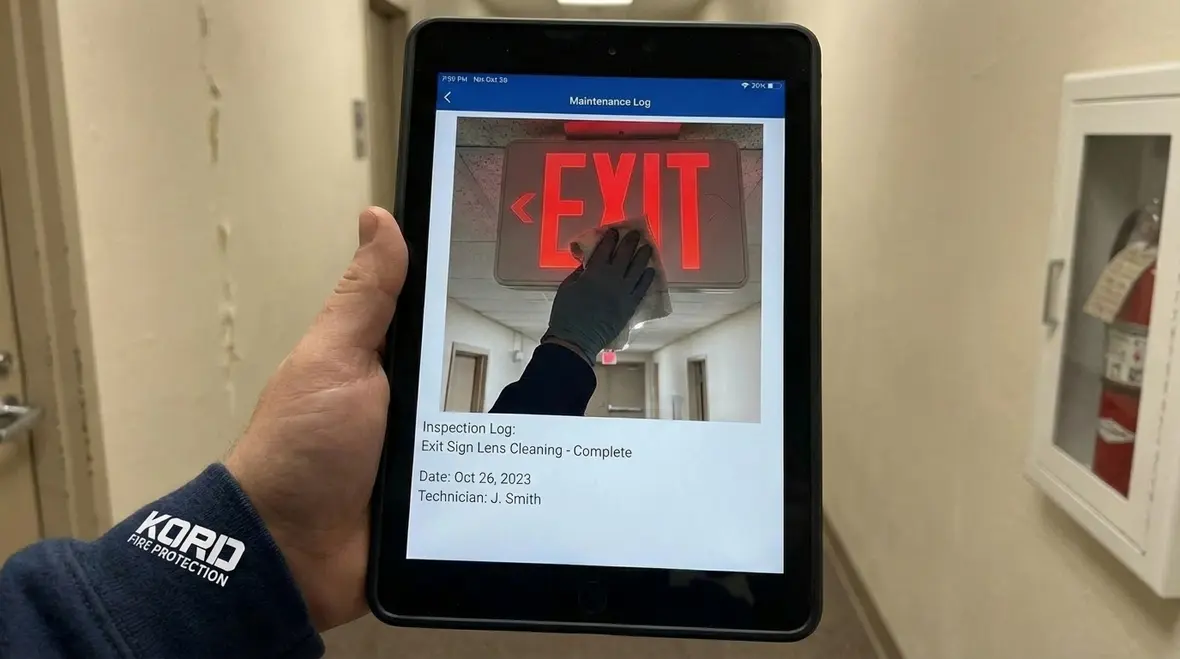
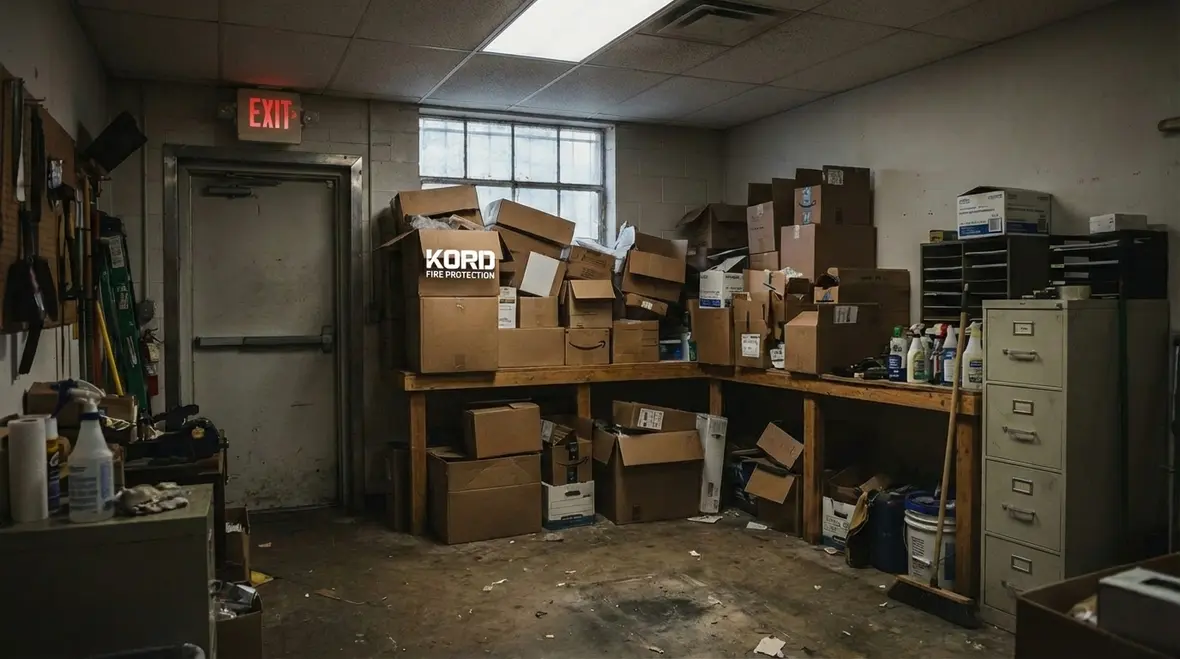
First, schedule consistent inspections. Routine checks catch issues early, such as dim bulbs or failing batteries. Second, maintain clean lenses and unobstructed pathways. Even the brightest light fails if blocked by storage boxes. Third, document every test and repair.
Kord Fire Protection technicians emphasize preventive maintenance. Instead of waiting for a red tag from an inspector, proactive service keeps systems ready year round. Moreover, technicians review building layouts to confirm exit coverage remains adequate after renovations or layout changes.
After all, moving a wall or adding shelving can unintentionally block an exit path. And while that may seem minor during business hours, it becomes critical during a power outage.
Common Compliance Issues Found in La Verne Buildings
Even well managed buildings can overlook small details. However, inspectors in La Verne frequently identify similar problems.
- Dead backup batteries often top the list. Over time, batteries lose charge capacity. Without testing, failure goes unnoticed.
- Improperly positioned exit signs also create issues. Signs must remain visible from specific distances and angles.
- Insufficient illumination levels occur when bulbs degrade or fixtures age.
- Lack of documentation can turn a functioning system into a failed inspection. If it is not recorded, it did not happen in the eyes of code officials.
Kord Fire Protection technicians approach inspections like detectives. They check voltage output, confirm transfer times, and verify coverage spacing. Additionally, they educate building managers during each visit. Because knowledge prevents repeat violations.
As one technician likes to joke, “Hope is not a backup power source.” It gets a laugh. But it also makes the point.
What Should a Business Ask About Egress Lighting Compliance?
Business owners often ask practical questions. They want clarity, not code jargon.
- How often should systems be tested? Monthly quick tests and annual full duration tests are standard.
- What happens during a fire inspection? Inspectors verify illumination, test activation, and review maintenance logs.
- Do LED exit signs need maintenance? Yes. Although LEDs last longer, batteries and circuitry still require checks.
- Can renovations affect compliance? Absolutely. Any layout change may alter required fixture placement.
Kord Fire Protection technicians answer these questions with patience and precision. They believe informed clients make safer decisions. Moreover, when businesses understand requirements, they avoid costly corrections later.
Technology Advancements in Emergency Lighting Systems
Modern systems have evolved. Today, many La Verne buildings install self testing emergency lighting units. These fixtures perform automated diagnostics and display status indicators.
Additionally, central inverter systems allow a single backup power source to support multiple fixtures. This setup simplifies maintenance and monitoring.
Some advanced systems even integrate with building management software. Facility teams receive alerts when performance drops below required levels. Consequently, issues get resolved before inspections reveal them.
While technology improves reliability, it does not eliminate responsibility. Kord Fire Protection technicians remind clients that automated systems still require professional oversight. Technology is a tool. Human expertise ensures it functions as intended.
Compliance Responsibilities for Different Property Types
Commercial Offices
Require illuminated exit paths for employees and visitors. Open floor plans demand careful spacing.
Retail Spaces
Must account for shifting displays and seasonal layouts that can obstruct visibility.
Schools
Need consistent illumination across classrooms, hallways, and assembly areas.
Multi Family Housing
Requires reliable corridor and stairwell lighting with battery backups.
Industrial Facilities
Often need higher durability fixtures due to dust or vibration.
Healthcare Buildings
Demand strict redundancy and uninterrupted power support.
Because each property presents unique challenges, compliance strategies must adapt accordingly. Kord Fire Protection technicians assess occupancy load, layout complexity, and operational risks before recommending solutions.
Why Professional Guidance Matters in La Verne
Although some maintenance teams attempt in house testing, professional oversight provides deeper evaluation. Certified technicians understand subtle warning signs, such as delayed activation or voltage drops.
Furthermore, local enforcement trends change. What passed inspection five years ago may not satisfy current expectations. Staying informed prevents surprises.
Kord Fire Protection technicians bring both technical skill and practical experience. They walk properties with managers, explain findings clearly, and outline corrective steps. Their approach feels less like a lecture and more like a collaboration.
After all, no one wants to discover deficiencies during an actual emergency. Compliance offers peace of mind. And peace of mind, while hard to measure, carries immense value.
FAQ About Egress Lighting Compliance in La Verne
Lighting the Path Forward
Safety rarely announces itself. It waits quietly in systems like emergency illumination, ready when needed most. Property owners who prioritize proper installation, regular testing, and expert guidance protect both occupants and investments. Kord Fire Protection technicians stand prepared to explain requirements, inspect systems, and ensure every fixture performs reliably. When the lights go out, preparation shines brightest.
Contact a trusted professional today and make sure every path to safety in your building remains clearly illuminated. If you manage property in or around La Verne, explore dedicated support through La Verne Fire Protection Services or nearby service areas so your egress lighting, alarms, and sprinklers all work together when it matters most.
For properties in neighboring communities that also need compliant emergency exit light services, review Kord Fire’s wider Los Angeles County offerings to align your entire life safety system with current codes and inspection expectations.
Know Your Weapon Before You Fight the Flame
Kord Fire Protection is your go-to when it comes to all things fire protection. For over 20 years, we’ve been serving Southern California with the quality service and equipment to keep your home or business safe at all times. Our competitive prices reflect our unwavering commitment to protecting what matters most in the event of a fire emergency. Give us a call, send an email, or use that form!

Join Our Newsletter!
Get the latest fire safety tips delivered straight to your inbox From our Newsletter.