Kitchen Suppression Discharge Aftermath and Reset Steps, Kord Fire Protection
When kitchen suppression discharge activates, the moment feels like a switch flipped in a quiet universe. First, the system detects fast-rising heat and, depending on the design, releases an approved agent into the hood and duct area. Then it starts doing its job: starving the fire of what it needs to keep burning. Yet the real question is what happens after that discharge, when smoke thins, alarms calm down, and everyone wonders whether the kitchen is safe again.
In this guide, third person detail brings clarity to a confusing event. And along the way, Kord Fire Protection shows why kitchen fire suppression service is not just a one time job, it can become a vital partner for owners who want speed, safety, and fewer surprises. Because nobody wants their fire protection plan to behave like a Netflix series that ended on a cliffhanger.
What triggers kitchen suppression discharge and what it does first
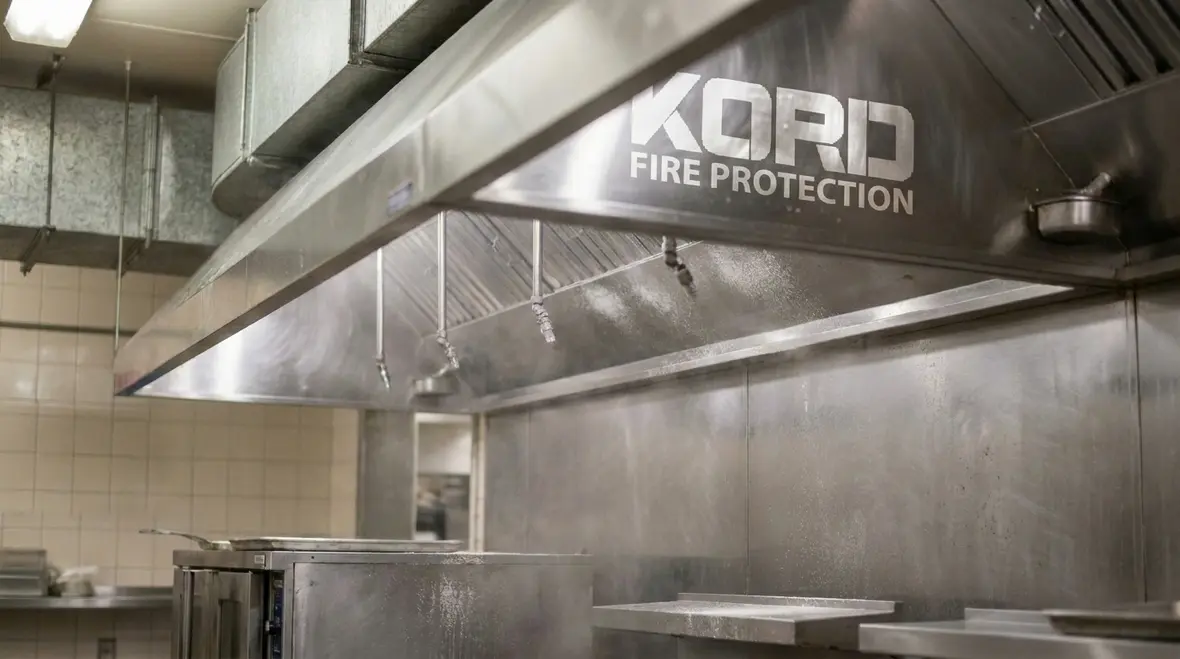
Typically, a detection device senses heat in the protected cooking area. Once it reaches the set threshold, the control unit signals release. At that point, the kitchen suppression discharge begins pushing extinguishing agent into the hood plenum, ductwork, and nearby surfaces.
Immediately afterward, the system aims to stop flame spread and reduce the fire’s ability to re ignite. For wet chemical systems, the agent mixes with burning grease and forms a layer that helps cool and seal. In dry systems, the agent acts differently, but the goal stays the same: interrupt the chemical process that keeps the fire alive.
Even so, occupants still need to follow the right steps. Therefore, kitchens should evacuate, call emergency response, and let trained crews assess damage. The suppression system helps, but it does not replace emergency procedures. Like an airbag in a car, it protects, but it does not fix everything by itself.
Why the first few minutes still matter
The first minutes after release shape everything that follows. Staff need to stay out of the impulse zone of panic and into a simple sequence: get people out, notify responders, and keep the area undisturbed until qualified personnel evaluate it. In many cases, the system did exactly what it was built to do, but that does not mean the scene is suddenly ready for a mop, a reset button, and lunch service at noon.
Owners who want a broader understanding of how these systems function in everyday operations can also review commercial kitchen fire suppression systems explained. It helps connect the emergency moment with the design logic behind the equipment.
How the release spreads through the hood, duct, and cooking zone
After activation, the agent travels where the system was designed to protect. First, it discharges in the hood interior and down the duct run. Then it coats key surfaces that commonly fuel re ignition, such as grease residue and hot metal.
In many setups, nozzles and piping layouts ensure coverage at bends, transitions, and areas that trap heat. Consequently, the system reduces the chance that the fire hides in duct pockets. However, airflow, hood design, and cooking conditions affect how far and how evenly the agent spreads.
For that reason, owners should treat the discharge scene as a controlled incident. The kitchen might look calm, but the agent may still be present on equipment, filters, and fans. Also, the heat could remain in duct sections. This is exactly where Kord Fire Protection becomes valuable, because the follow up inspection and reset steps determine whether the system is truly ready or simply “quiet for now.”
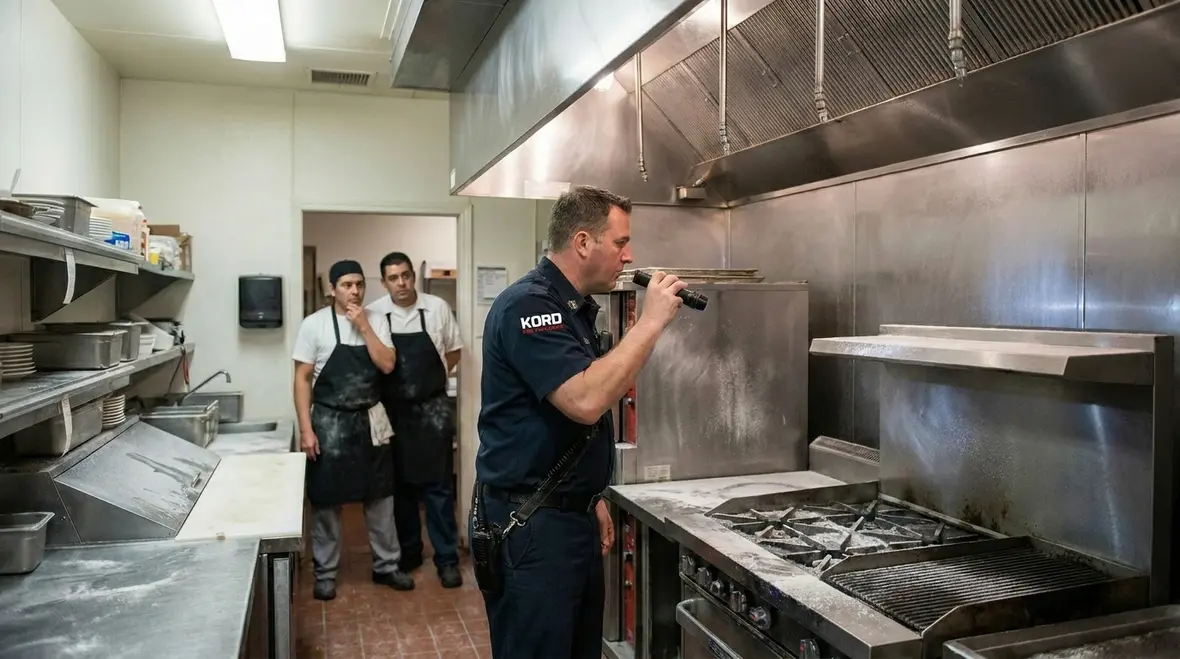
Coverage is only as good as the design and maintenance
This is why semi annual inspection is more than paperwork. A suppression layout must match the appliance line, the hood dimensions, the duct path, and the actual cooking hazard. If the kitchen changed equipment since the last service visit, the protection may need updates too. Kord Fire Protection discusses this in more detail in its restaurant hood fire suppression inspection checklist guide, which is a useful companion for owners who want to understand what technicians are really checking.
What people notice right after a discharge event
Most people experience three things quickly: alarms, visible residue or mist, and a strong chemical odor. Yet the exact look depends on the agent type and the fire scenario.
Then come the practical questions: can staff go back in, how do fans run, and what gets cleaned first. Fire response teams often shut down power and ventilation to keep conditions stable. After the emergency phase, a trained technician checks the system components to confirm they operated correctly.
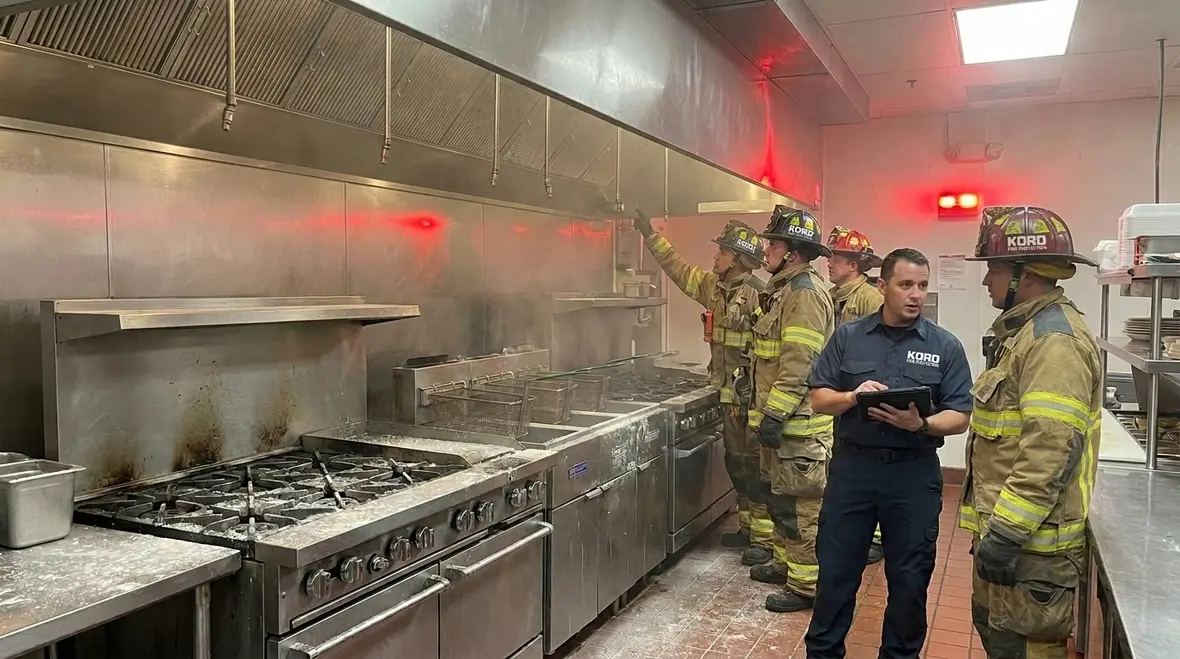
It helps to understand the usual sequence. First, occupants evacuate and wait for the authority having jurisdiction to clear the area. Next, emergency response verifies that no hidden flare ups remain. After that, the suppression contractor performs inspection, recharge, and replacement as needed. And yes, sometimes the kitchen equipment looks like it survived a cooking show challenge. It did, just not the fun kind.
The kitchen may look calm before it is actually safe
This is one of the most misleading parts of a discharge event. When the flames are gone, people naturally want closure. But calm visuals are not the same as restored readiness. Surfaces may still be hot, duct sections may hold residue, and linked shutoffs or alarm inputs may still be in a tripped condition. In other words, the drama may be over, but the plot still needs an ending.
Why reset, recharge, and cleanup require trained attention
Once the system releases, it usually cannot return to service just by turning a knob. The discharge must be verified, and components like actuators, nozzles, piping, and detection devices need evaluation.
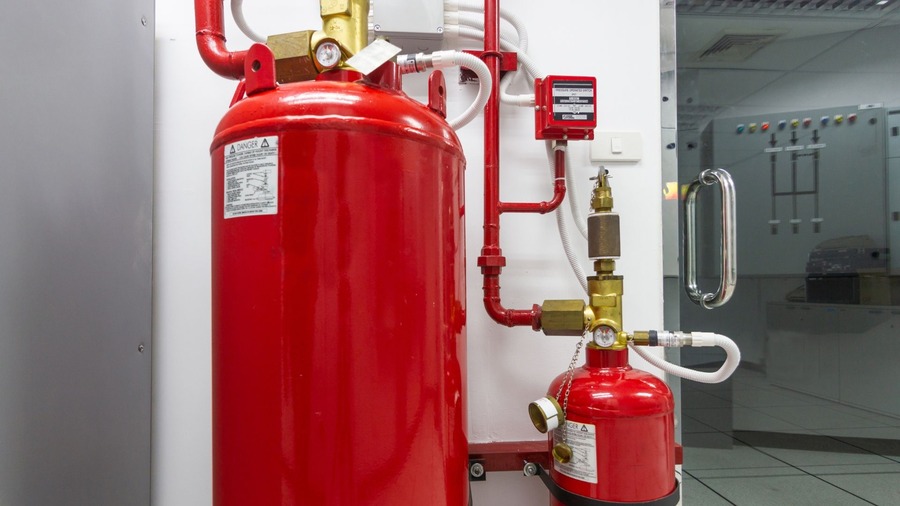
For wet chemical systems, the tanks and cartridges require replacement or recharge. Also, technicians check for clogged nozzles caused by residue and confirm that the agent lines do not show leaks. Then they inspect related parts such as the hood controls, fan interlocks, and any linked detection system components.
Cleanup also matters. Grease laden surfaces and film from the agent can cause odor and slippery conditions if handled wrong. Proper cleaning protects staff safety and helps prevent corrosion. Therefore, the reset process should pair with cleaning procedures that fit the system design and local requirements.
Kord Fire Protection supports this phase as a partner, not just a vendor. That means they coordinate inspection records, review what triggered the release, and help owners set a realistic timeline for restoring full kitchen operations. Because downtime costs money, and guessing creates delays that grow like unwanted sourdough.
Reset is a process, not a button
A proper return to service often includes documenting what discharged, replacing spent components, cleaning protected areas, confirming detection integrity, and testing related shutoffs. Owners who need a clearer picture of the compliance side should also explore UL 300 restaurant hood fire suppression guide and the related UL300 restaurant systems page for service context and code minded planning.
Common damage patterns after a suppression event
Damage after an incident usually falls into predictable categories. First, there is contamination in the hood and duct. The agent can leave residue on filters, baffles, light fixtures, and cooking surfaces. Second, the system may show signs of heat exposure, especially if the fire burned before suppression activated.
Technicians also check for warping or discoloration in duct sections, and they verify that fasteners and seals remain intact. In some cases, electrical components near the hood suffer from heat or chemical exposure, even when the fire does not “spread.” Therefore, the inspection must include both life safety systems and the building side effects.
Additionally, smoke and soot can coat sensors and sensors’ housings. If the detection system fails to read properly after cleanup, the system might not respond as required during a future event. That is why a thorough post incident evaluation becomes a business necessity, not an optional “we will look at it later” task.
Why hidden damage causes the longest delays
Visible cleanup is one thing. Hidden trouble is another. Damage tucked above the hood line, inside the duct run, or at linked electrical controls can slow reopening more than the dramatic part everyone saw. That is why fast but careful inspection pays off. It helps the owner move from uncertainty to a clear list of actions instead of building a reopening plan on optimism and paper towels.
How Kord Fire Protection supports owners before and after discharge
Fire protection works best when it feels boring and dependable. Yet discharge events prove that real kitchens need more than a certificate on the wall. Kord Fire Protection can become a vital partner by supporting the entire lifecycle of kitchen fire suppression service.
Before an event, they help ensure the system stays in tune with the hazard. After an event, they help bring it back into compliance through inspection, documentation, and corrective actions. In addition, they can help manage schedules so owners do not lose weeks to parts delays.
Operationally, this partnership can reduce risk in three ways. First, it improves readiness by confirming maintenance tasks get done. Second, it shortens downtime through fast inspection and clear reset steps. Third, it supports consistent reporting for insurers and inspectors. And yes, fewer headaches beat more coffee every time.
A better partner means fewer surprises
For owners comparing next steps, Kord Fire Protection also offers broader fire suppression services that connect kitchen hazards with inspection, testing, installation, and maintenance support. Near the end of a rough incident, that kind of clear service path feels a lot better than guessing which phone call fixes what.
Featured FAQ about kitchen fire suppression discharge
Conclusion
When a fire breaks out, kitchen suppression discharge can limit damage fast, but the real safety work starts right after the release. Owners should plan for evacuation, emergency response, and a trained inspection that confirms the system resets correctly. Kord Fire Protection helps businesses restore readiness with clear steps, accurate documentation, and a partner mindset that reduces downtime.
If your kitchen suppression system needs inspection, maintenance, or post incident support, contact Kord Fire Protection today to get your plan back on solid ground. Owners looking for a direct service path can review fire suppression services and Kord’s fire protection company overview to connect the emergency response side with long term compliance planning.

Join Our Newsletter!
Get the latest fire safety tips delivered straight to your inbox From our Newsletter.