Kitchen Sprinkler System Repair Guide for Leaks
There is something quietly heroic about a fire sprinkler system. It waits patiently above the ceiling tiles, never asking for applause, never demanding attention. Yet when heat rises and danger calls, it responds without hesitation. That is why kitchen sprinkler system repair deserves serious attention. In commercial kitchens especially, a small leak or a faulty activation can turn from minor annoyance to major hazard faster than popcorn in a microwave. Fortunately, experienced professionals like Kord Fire Protection technicians explain these issues in plain language, helping property owners stay calm, informed, and protected.
This guide walks through common leaks, activation problems, and practical solutions. It speaks to facility managers, restaurant owners, and anyone responsible for keeping a kitchen safe and compliant.
Understanding How a Kitchen Fire Sprinkler System Works
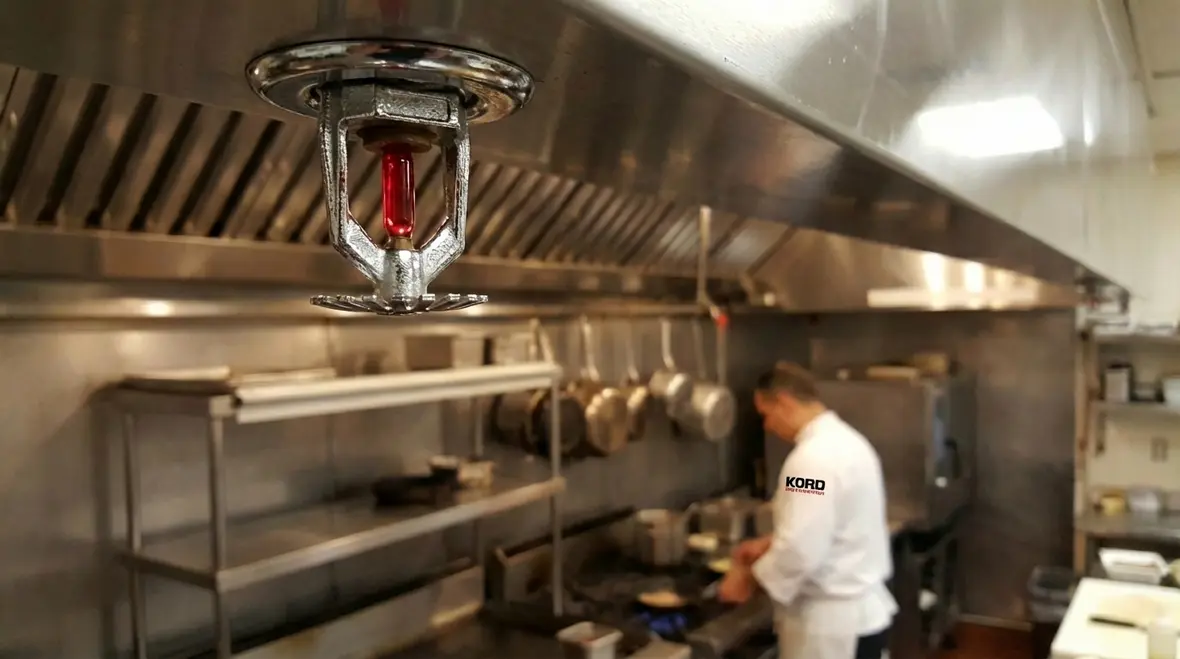
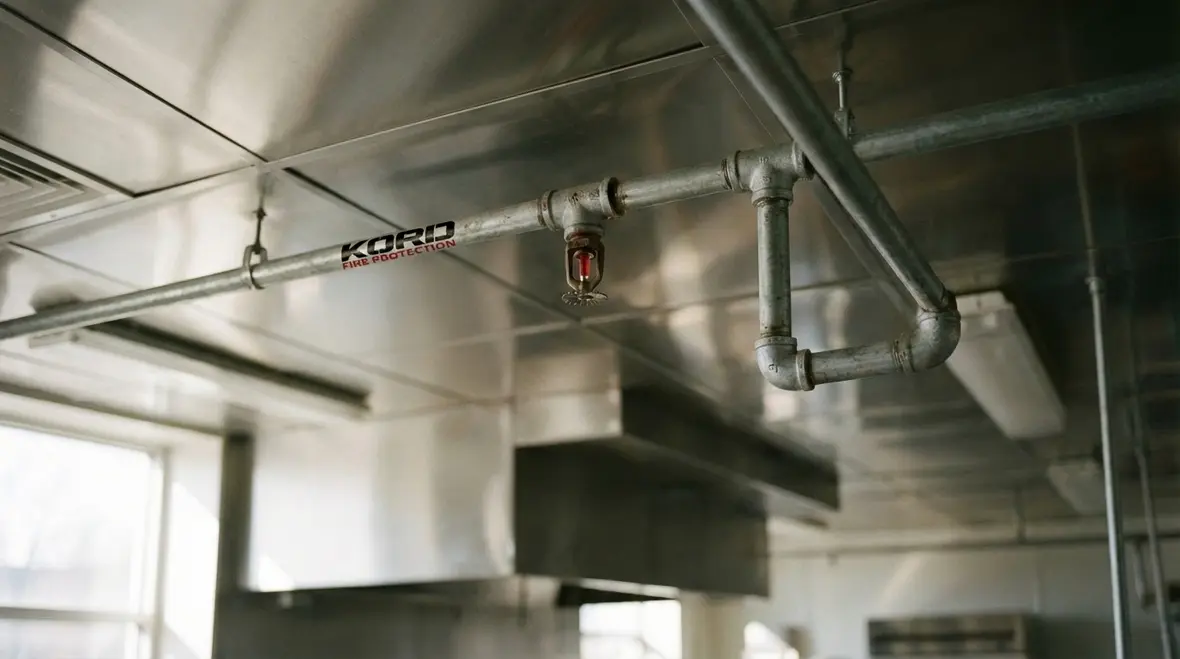
Before diving into problems, it helps to understand the basics. A kitchen fire sprinkler system operates through a network of pressurized pipes connected to sprinkler heads. Each head contains a heat sensitive element. When temperatures reach a specific point, that element breaks or melts, allowing water to discharge directly onto the fire.
Importantly, not every sprinkler activates at once. Contrary to what Hollywood suggests, the entire building does not flood because someone burned toast. Instead, only the head exposed to high heat opens. That precision limits water damage while controlling flames quickly.
In commercial kitchens, systems often integrate with hood suppression units. These specialized systems target grease fires, which burn hotter and spread faster. Therefore, coordination between hood suppression and overhead sprinklers remains critical.
Kord Fire Protection technicians often explain that the system is both mechanical and reactive. It relies on pressure, temperature, and proper installation. If one component fails, the chain reaction weakens. Consequently, routine inspections become less of a suggestion and more of a necessity.
If you want to go deeper on bigger-system issues beyond just the kitchen, resources like Kord Fire Protection’s guide to signs that your fire sprinkler system needs repair can help you spot trouble building-wide before it reaches the cookline.
Kitchen sprinklers vs. hood suppression: why both matter
Overhead sprinklers are designed to control the spread of a fire and protect the structure. Hood suppression systems are tuned specifically for grease-laden vapors and cooking appliances. When a fire starts on a cooktop, the hood system often reacts first, and sprinklers provide backup if heat spreads. When both are properly designed and maintained, they work together instead of fighting each other.
Common Leak Sources in Commercial Kitchen Sprinklers
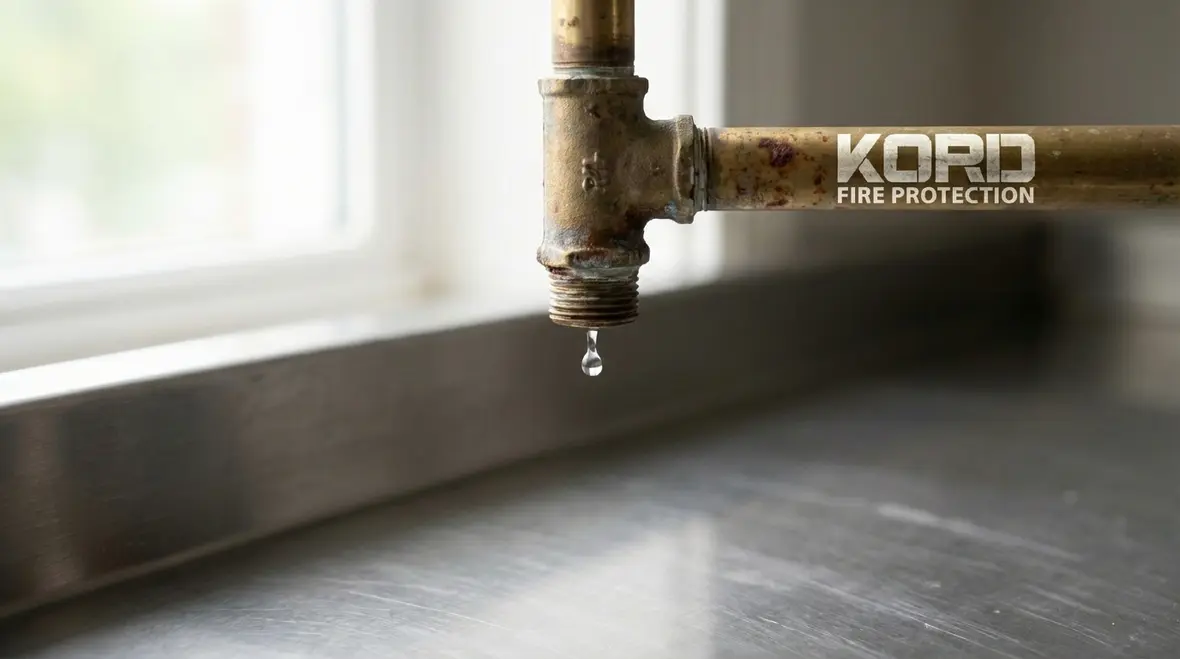
Leaks do not always announce themselves dramatically. Sometimes they whisper. A slow drip above a prep table. A faint water stain near a ceiling tile. However, even small leaks can signal larger trouble inside the piping network.
Typical causes of sprinkler leaks include:
Corrosion inside pipes
Over time, moisture and oxygen interact with metal pipes. As a result, corrosion forms pinhole leaks. Commercial kitchens, with their humidity and heat, accelerate this process. Corrosion does not just look ugly; it can lead to restricted flow, clogged heads, and surprise failures when you need water most.
Loose fittings
Vibrations from kitchen equipment can gradually loosen threaded connections. Although the movement seems minor, water under pressure finds every weakness. A slightly loose fitting today becomes tomorrow’s steady drip over a fryer or prep station.
Damaged sprinkler heads
Accidental bumps from ladders or cleaning tools may crack a sprinkler head. Even hairline fractures can cause seepage. In some cases, the damage is cosmetic; in others, it compromises the heat-sensitive element. Either way, the safest option is to have a professional evaluate and replace questionable heads.
Improper installation
If the original installation lacked precision, seals may fail early. Undersupported pipe, misaligned heads, or mismatched components all increase leak potential. In these cases, professional fire sprinkler repair becomes essential to prevent recurring problems instead of chasing the same leak again and again.
Kord Fire Protection technicians often point out that leaks rarely fix themselves. In fact, they tend to grow quietly until water damage forces attention. Therefore, swift evaluation saves both money and stress.
Why Is My Kitchen Sprinkler System Leaking?
When a property owner asks this question, the answer depends on observation and testing. First, technicians check whether the leak comes directly from the sprinkler head or from piping above the ceiling. Next, they measure system pressure to rule out fluctuations.
Pressure spikes can occur after maintenance work or municipal supply changes. If the pressure exceeds system ratings, seals weaken. Additionally, temperature swings in kitchens create expansion and contraction in pipes. Over time, that movement strains joints.
Another overlooked factor involves water quality. Hard water leaves mineral deposits inside pipes. Eventually, those deposits create uneven flow and internal stress. As Kord Fire Protection technicians explain, water may look harmless in a glass, yet inside a steel pipe it can act like a slow sculptor carving away strength.
Ultimately, diagnosing the source requires both experience and proper tools. Guesswork rarely leads to lasting solutions. That is why many building owners partner with full-service teams that handle inspection, maintenance, and system repairs under one roof, so nothing critical gets overlooked.
Activation Issues That Demand Immediate Attention
While leaks cause visible concern, activation failures pose a deeper risk. A sprinkler system that does not activate under high heat undermines the entire safety strategy.
Common activation problems include:
Obstructed sprinkler heads
Grease buildup, paint, or decorative covers can block water distribution. In kitchens, airborne grease particles settle on surfaces, including sprinkler components. Therefore, regular cleaning matters more than many realize.
Incorrect temperature ratings
Sprinkler heads come with specific heat thresholds. If someone installs a head rated too high for a kitchen environment, it may delay activation. Conversely, a head rated too low might trip during normal cooking conditions. Matching ratings to the space is not optional.
Valve issues
Control valves must remain open and properly sealed. If partially closed, water flow reduces significantly. That scenario turns a strong response into a weak drizzle. A closed or tampered valve is one of the fastest ways to turn a working system into décor.
Dry system malfunctions
Some facilities use dry pipe systems in areas prone to freezing. If air pressure levels shift incorrectly, activation timing may suffer. Delayed water arrival can mean the difference between a contained incident and a full-blown kitchen shutdown.
Because kitchens generate intense heat during normal operations, system calibration becomes crucial. Kord Fire Protection technicians emphasize testing schedules that simulate real conditions. They prefer facts over assumptions, and frankly, so should every building owner.
Professional Kitchen Sprinkler System Repair Versus DIY Fixes
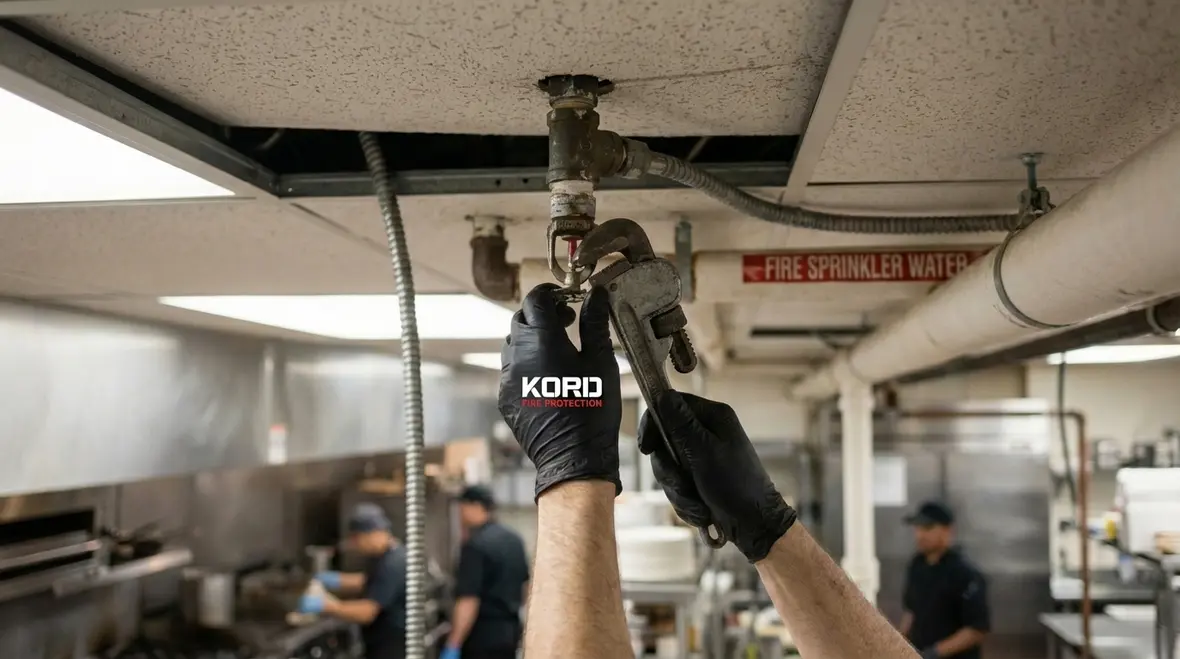
There is a certain confidence that comes from holding a wrench. However, when it comes to commercial fire protection, confidence should never replace certification. Licensed professionals understand code requirements, hydraulic calculations, and compliance standards.
Attempting a quick fix may create hidden violations. For example, replacing a sprinkler head with the wrong model might pass a casual glance, yet fail inspection later. Moreover, insurance carriers often require documented service records.
Kord Fire Protection technicians approach each repair with a clear process. First, they isolate the affected zone. Next, they relieve pressure safely. Then, they repair or replace components according to manufacturer guidelines. Finally, they test the system thoroughly before restoring it to service.
Although a DIY repair might save a short term service call fee, it risks fines, shutdowns, and liability. In the world of commercial kitchens, downtime costs more than most people expect. Therefore, professional sprinkler system maintenance often proves to be the wiser investment.
When to call immediately
If you notice active leaking, visible damage to heads or piping, or alarm trouble signals tied to the sprinkler system, it is time to bring in a pro—especially if these issues show up in areas with cooking equipment, grease hoods, or dining spaces where shutdowns hurt revenue fast.

Inspection and Maintenance Checklist for Facility Managers
Consistency keeps systems reliable. Rather than waiting for visible problems, facility managers benefit from structured inspections.
Routine maintenance should include:
Visual inspection of sprinkler heads
Look for grease buildup, corrosion, or physical damage. Anything that looks discolored, bent, or coated in kitchen grime deserves a closer look.
Checking for leaks or stains
Examine ceilings and piping connections regularly. Brown rings, bubbling paint, or warped tiles are all quiet alarm bells for hidden leaks.
Valve position verification
Ensure control valves remain open and sealed. Lock and tag critical valves where required so that “helpful” staff do not accidentally shut your system off.
Pressure gauge monitoring
Confirm readings fall within recommended ranges. Sudden pressure changes can point to developing problems like obstructions, failed valves, or supply issues.
Professional annual inspections
Schedule licensed technicians to perform comprehensive testing. Many owners pair these visits with broader fire sprinkler failure checks throughout the property so issues get resolved in one coordinated visit.
Because commercial kitchens operate daily, wear accumulates steadily. However, proactive maintenance prevents surprise failures during peak business hours. No restaurant owner wants a dining room evacuation during the dinner rush. Even Gordon Ramsay would struggle to shout his way out of that one.
Dual Column Reference: Symptoms and Professional Solutions
Common Symptom
Persistent dripping from one head
Low water pressure during test
Corrosion flakes in discharge
Grease coated sprinkler components
Delayed activation in heat test
Professional Response
Replace damaged head and inspect pipe threads; verify no hidden mechanical damage nearby.
Check valve position and evaluate supply line; confirm upstream devices and fire pumps are performing properly.
Assess internal pipe condition and consider sectional replacement; implement corrosion control strategies.
Clean carefully and verify spray pattern integrity; adjust cleaning routines to protect heads from future buildup.
Confirm correct temperature rating and recalibrate system; replace misapplied heads and test under realistic kitchen conditions.
This side by side view helps decision makers connect symptoms to action quickly. As Kord Fire Protection technicians often explain, clear information reduces panic. When people understand what they see, they respond with purpose rather than fear.
Compliance, Codes, and Documentation Matter
Fire codes exist for a reason. Local and national regulations outline inspection intervals, repair standards, and documentation requirements. Therefore, every instance of kitchen sprinkler system repair should include proper records.
Documentation protects property owners during inspections and insurance reviews. Additionally, it demonstrates a pattern of responsible management. In many jurisdictions, authorities require tagged systems showing service dates and technician credentials.
Kord Fire Protection technicians stay current with evolving codes. They also educate clients about upcoming changes. Because regulations shift over time, relying on outdated knowledge can lead to unexpected violations.
Staying compliant may not feel glamorous. However, neither does explaining preventable damage to an insurance adjuster. Preparation remains the quieter, smarter path.
FAQ: Quick Answers About Kitchen Sprinkler Systems
Protect the Kitchen, Protect the Business
Fire protection never sleeps, and neither should vigilance. Small leaks and subtle activation issues often signal deeper concerns waiting to surface. Therefore, proactive inspections and professional service remain essential. Kord Fire Protection technicians bring clarity, precision, and calm authority to every evaluation.
When safety, compliance, and business continuity matter, the next step becomes clear. Schedule a professional assessment today and keep the kitchen running safely, smoothly, and without unwanted surprises. Whether you are dealing with a single suspicious drip or a full system of aging pipe, partnering with a team that handles design, inspections, and repairs across sprinklers, alarms, and suppression systems gives you one accountable expert to call.
If your facility needs more than just kitchen coverage, explore Kord Fire Protection’s full fire protection services for sprinklers, alarms, extinguishers, and fire pumps across your property. From code-driven inspections to emergency leak repairs, their certified team keeps systems inspection-ready and documented.
Ready to have a specialist look at your kitchen sprinkler leaks or activation concerns? Reach out to Kord Fire Protection through their contact page to request a quote, book an inspection, or schedule urgent service. Protect the kitchen, and you protect the entire business wrapped around it.
Know Your Weapon Before You Fight the Flame
Kord Fire Protection is your go-to when it comes to all things fire protection. For over 20 years, we’ve been serving Southern California with the quality service and equipment to keep your home or business safe at all times. Our competitive prices reflect our unwavering commitment to protecting what matters most in the event of a fire emergency. Give us a call, send an email, or use that form!

Join Our Newsletter!
Get the latest fire safety tips delivered straight to your inbox From our Newsletter.