
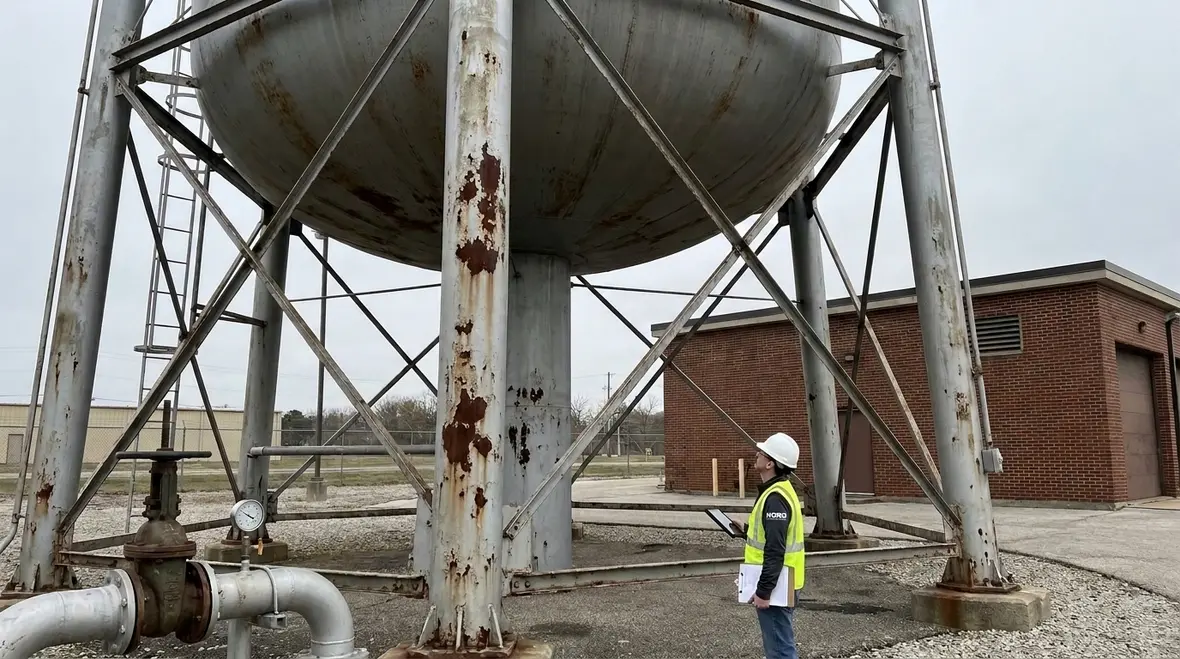
NFPA 22 Section 13.2: Materials for Steel Water Tank Towers
Quick Answer
NFPA 22 Section 13.2 specifies how steel water tank towers must be constructed and protected so they perform reliably during fire water supply demand. Compliance focuses on tower structural adequacy, corrosion resistance, and material selection aligned with installation conditions and ongoing maintenance.
If you are reviewing broader support for fire protection water supply systems, Kord Fire Protection’s fire protection services fit naturally alongside inspection readiness, maintenance planning, and deficiency correction.
Why steel tank tower material requirements drive real fire flow performance
Commercial facilities often assume the “water tank” is the whole system, but fire operations depend on the tower structure that positions that tank at the required elevation and keeps the piping aligned. Within NFPA 22 Section 13.2, the steel water tank tower is treated as a system component that must remain serviceable. For owners and facility managers, steel tank tower material requirements translate into fewer blockages, fewer structural deformations, better operability of valves and controls, and stronger pass rates during annual and five year inspections.
Because corrosion and structural deterioration can quietly progress, the practical compliance challenge is not only selecting acceptable steel, but also ensuring the tower remains compatible with the water quality, the local atmosphere, coatings and liners, foundation conditions, and inspection outcomes. These are common issues in industrial complexes, retail campuses with remote buildings, and mixed use properties where site conditions vary across the premises.
What NFPA 22 Section 13.2 expects from steel water tank towers
NFPA 22 Section 13.2 addresses the materials used for steel water tank towers to support safe, reliable operation of the fire protection water supply. In practical terms, the code drives the selection of steel and associated materials so the tower can resist the mechanical loads of the tank and stored water, plus environmental stresses that can lead to loss of strength or alignment.
When teams interpret Section 13.2 in the field, compliance is typically verified through a combination of documentation and physical condition. Facility stakeholders should be prepared to demonstrate that:
- The tower steel and supporting members meet the construction intent for strength and stability under design loads.
- Corrosion protection systems are appropriate for the site environment and maintained to prevent loss of section.
- Materials used in tower components that interact with piping, appurtenances, and supports do not create compatibility failures (for example, accelerated corrosion or weakening at joints).
- Installations align with the required arrangement and elevation that the system design depends on for water delivery.
For a broader view of how NFPA 22 regulates fire protection water tanks beyond tower materials, facility teams can reference this guidance: How NFPA 22 regulates fire protection water tanks.
Operational drivers: how tower materials affect valves, piping, and firefighting reliability
Steel tank towers are not passive. They hold the tank at elevation, maintain offsets, and support the piping and water delivery components that have to perform during peak demand. Material selection and corrosion protection influence the following operational mechanisms.
1) Structural stability and alignment under load
Steel degradation can cause sagging, twist, or joint loosening. Even minor deformation can produce misalignment at the tank connections or stress on adjacent pipe runs. That stress increases the likelihood of cracking, flange leakage, or valve binding during testing and actual fire flow.
2) Corrosion control at joints, welds, and splash zones
The most common material performance failures tend to start at the “attack points,” including weld seams, bolted connections, and areas exposed to splashing condensation. If coatings fail or if the wrong materials are used at interfaces, corrosion can reduce cross sectional area and weaken load bearing members.
3) Compatibility with coatings, linings, and water chemistry
Tower materials often work together with tank coatings, internal linings, and external protective systems. If these layers do not match or if maintenance practices leave breaches unaddressed, the tower and tank can degrade at different rates. That mismatch increases the chance of water supply downtime, especially when annual inspection regimes reveal abnormal corrosion patterns or staining.
4) Performance during routine testing
During inspections and flow testing, facility teams evaluate whether system components operate as designed. Material issues can show up as elevated friction, sluggish valve movement, or abnormal pressure readings caused by deformation or partial blockage. These findings then require remediation before the system can be accepted for ongoing service.
Common compliance gaps during inspections of steel tank towers
Even when the tower was originally fabricated to code, maintenance and documentation gaps frequently become the reason systems fail inspection. The following are typical failure points that relate directly to Section 13.2 expectations and the broader NFPA 22 framework.
- Inadequate corrosion monitoring: Facilities inspect the tank shell and piping but overlook tower legs, diagonal bracing, access platforms, and the underside of structural members where corrosion often begins.
- Coating system mismatch or incomplete repairs: Spot repairs that do not meet the original coating specification can create thin spots and corrosion channels.
- Documentation gaps: Owners may lack mill certifications, material traceability, or records of coating and structural repairs. Inspectors often need traceable proof of what was installed and when.
- Foundation and anchorage issues: Corrosion and water exposure can combine with settlement or loose anchors, stressing the steel members in ways materials were not intended to absorb.
- Valve and pipe stress from tower movement: Structural deformation can impose additional stress on connected piping, increasing leak risk and affecting the system’s ability to deliver required water delivery.
Kord Fire Protection supports commercial facilities with compliance oriented inspection planning, targeted condition assessments, and maintenance coordination so corrective actions address both code intent and system operability. This approach reduces downtime during reinspection and helps teams manage the recurring nature of tower degradation.
Maintenance procedures that protect steel tower materials over time
Steel tower compliance depends on sustained serviceability. Effective maintenance plans treat the tower as a protected structural system, not a one time install.
Coatings and corrosion repair workflow
- Baseline assessment: Identify coating condition, rust blooms, coating holidays, and thickness loss indicators. Document locations and severity.
- Surface preparation controls: Remove compromised coatings to an appropriate standard to prevent recurrence.
- Apply compatible repair materials: Use a coating system consistent with the original specification and site conditions.
- Verify closure and cure: Confirm the repair reaches full cure before the next operational season and after any imposed environmental changes.
Inspection integration with fire protection operations
Facility teams should align tower inspections with broader NFPA 22 water tank system requirements and testing cycles. When inspections find material degradation that may affect water delivery, remediation should be scheduled before operational deadlines so system acceptance is not delayed. This reduces the risk of failing a functional check due to stiffness, leaks, or deformation induced by ongoing corrosion.
Recordkeeping for audit readiness
Maintain a tower file that includes installation documents, material traceability where available, inspection reports, and repair records. For commercial owners, this file becomes critical during insurance reviews, code compliance audits, and property transfer due diligence.
How Kord Fire Protection helps facilities meet NFPA 22 tower expectations
Kord Fire Protection works with commercial, industrial, and retail facilities to keep fire protection water supply systems compliant and reliable. For NFPA 22 Section 13.2 concerns, the goal is to reduce uncertainty by connecting tower material condition to system performance.
Typical service support includes inspection coordination, compliance documentation assistance, and maintenance readiness planning so steel tank tower material requirements are supported by evidence and corrective actions. This reduces rework and supports consistent outcomes during recurring code and authority having jurisdiction reviews.
Frequently Asked Questions
Take action now
Steel tank towers can pass initial installs yet degrade quietly in corrosion prone areas. Facility teams should schedule an NFPA 22 aligned tower condition review, confirm coating and repair compatibility, and ensure documentation supports compliance. Contact Kord Fire Protection to plan inspections and maintenance that protect steel tank tower material requirements, reduce reinspection risk, and keep the fire water supply system ready when it matters most.

Join Our Newsletter!
Get the latest fire safety tips delivered straight to your inbox From our Newsletter.



