Industrial Electrical Panel Upgrades With kord Fire Protection
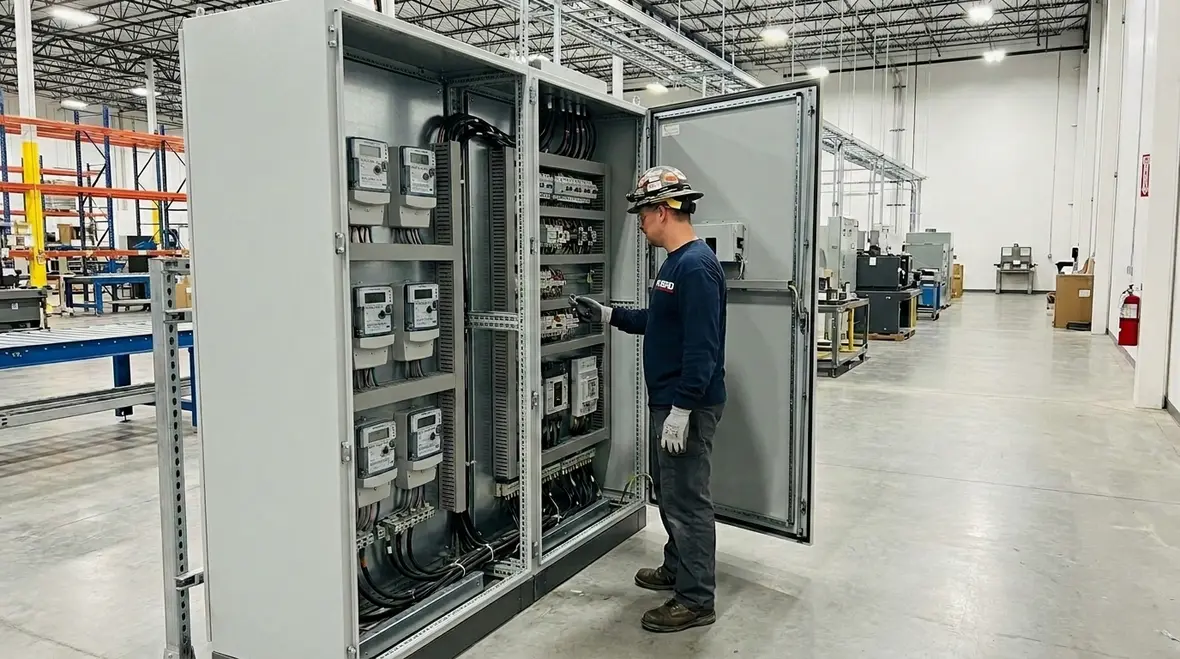
Quick Answer: High-capacity electrical panel upgrades modernize industrial infrastructure by improving capacity, reliability, and safety. They reduce downtime, support expanding loads, and help facilities meet current standards. When kord fire protection joins the plan, electrical and fire safety work together, so risk drops and operations stay steady.
In Australia, industrial, retail, and commercial facilities keep evolving, and their electrical systems often struggle to keep up. That is where our industrial electrical panel upgrades step in. They help facilities handle new equipment, higher demand, and tighter uptime goals without turning every maintenance event into a suspense thriller. And when the conversation includes life safety, kord fire protection can become a vital partner, because modern power and modern fire safety should not live in separate worlds.
Near the start of projects like this, it also makes sense to align the work with reliable electrical services for commercial and industrial facilities, especially when panel upgrades, feeder changes, and life-safety coordination all need to move in the same direction. For broader planning, teams can also explore the Kord Fire Protection blog, where related upgrade and fire protection topics connect the dots without making anyone read like they are cramming for finals.

Why high-capacity upgrades keep operations running
Facilities rarely fail in a dramatic way first. Instead, they experience the slow grind of undersized systems: nuisance trips, overheating, aging breakers, and inconsistent voltage. Consequently, staff spend time troubleshooting instead of producing, selling, or serving customers. When companies schedule industrial electrical panel upgrades, they give the electrical backbone enough headroom for today’s loads and tomorrow’s expansions.
To be clear, upgrading does not mean “bigger is better” in a random way. It means engineers align the panel design with real load calculations, growth plans, and protective device coordination. Therefore, the system behaves predictably during starting currents, motor loads, and power quality variations. In short, reliability improves because the design stops guessing.
The difference between capacity and control
A lot of facilities assume the problem is simply not enough amperage. Sometimes that is true, but often the bigger issue is that the existing panel arrangement no longer matches the way the building actually operates. Loads shift, equipment is added, circuits get repurposed, and eventually the electrical distribution starts looking like a historical record of every rushed decision since the place opened. Upgrading restores order. It gives maintenance teams a system that makes sense on paper and in real life, which is a pretty refreshing combination.
What benefits show up after the panels are upgraded
Once high-capacity panels go in, the benefits tend to show up quickly, and then they compound over time. First, facilities gain improved capacity and better thermal performance. Second, they strengthen power distribution so sensitive equipment sees more stable voltage. Third, they reduce the chance of cascading failures, where one issue triggers another like a bad domino run.
Also, upgraded panels support smarter monitoring. Many systems can integrate with metering and controls, which helps maintenance teams track trends rather than react after a fault. That shift matters because a planned fix is usually cheaper than an emergency one. Honestly, nobody enjoys paying the “surprise fee” that comes with unplanned downtime.
Finally, better coordination between breakers, fuses, and protective relays can improve selective tripping. As a result, an incident is more likely to isolate the affected circuit instead of taking down the entire floor or processing line.
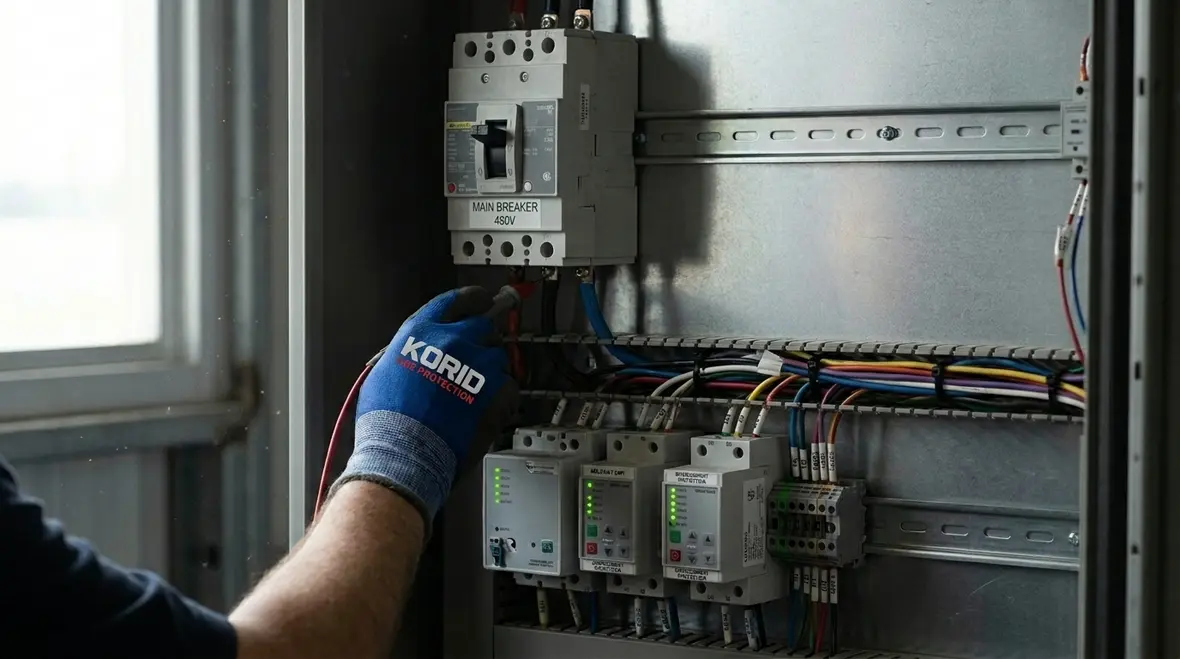
Smarter monitoring changes the maintenance mindset
That monitoring piece deserves more credit than it usually gets. When teams can see trends in load, heat, imbalance, or abnormal activity, they stop living in reaction mode. Instead of waiting for a breaker to protest at the worst possible time, they can schedule service before the issue becomes expensive, disruptive, or memorable for all the wrong reasons. That kind of visibility is not just convenient. It is operationally calmer, and calm is underrated in industrial work.
How upgrades reduce fire risk and protect people
Electrical fires often start quietly. A loose connection can heat up over time. Corrosion can increase resistance. Poor termination quality can create hotspots. Then the facility learns about the problem when smoke shows up, and that is not an “oops” moment, it is a stop-everything moment.
With high-capacity industrial electrical panel upgrades, teams can use modern components designed for higher current ratings, improved arc fault protection options, and updated busbar systems. Additionally, proper labelling, conductor management, and torque verification help prevent hidden failure points. Even the best schedule can fail if connections are done wrong. Therefore, quality assurance becomes a core part of the process, not a last step.
Now the important part: this is where kord fire protection can become a vital partner. When fire protection planning aligns with electrical distribution design, the facility gains a more complete approach to life safety. For example, coordinated strategies can consider how electrical hazards interact with suppression systems, detection zones, and emergency procedures. When power and fire protection teams share the same goal, risk drops instead of being pushed from one department to another.
That kind of coordination fits naturally with Kord’s approach in related articles like Fire Safety Electrical Panel Bonding for Fault Clearing, which explores how electrical stability and fault clearing connect to wider fire safety outcomes, and Industrial Fire Suppression Power with Redundancy and Design, where power planning and suppression performance are treated like they belong in the same meeting. Because they do.
Planning the upgrade so production does not pause
Industrial upgrades do not happen in a vacuum. Equipment needs power at the exact moment it is required, and work crews also need access to panels without creating chaos. Therefore, successful projects start with a load study and a site plan that respects the facility’s operating rhythm.
Teams usually begin by reviewing panel schedules, single-line diagrams, short circuit ratings, and existing protection settings. Then they map circuit changes, verify spare capacity, and confirm how upstream feeds will handle the new configuration. After that, they create a phased plan, which often includes temporary power strategies or weekend shutdown windows where appropriate.
Meanwhile, crews should test and verify before energization. Insulation resistance checks, continuity verification, and functional testing of protective devices reduce the odds of “we’ll see what happens.” And yes, sometimes people do that. They should not.
So, the transition is managed: components get replaced, circuits re-terminated, labels updated, and documentation handed over clearly. Consequently, the facility leaves the project with an upgrade that can be maintained, not a mystery box that only the original installer understands.
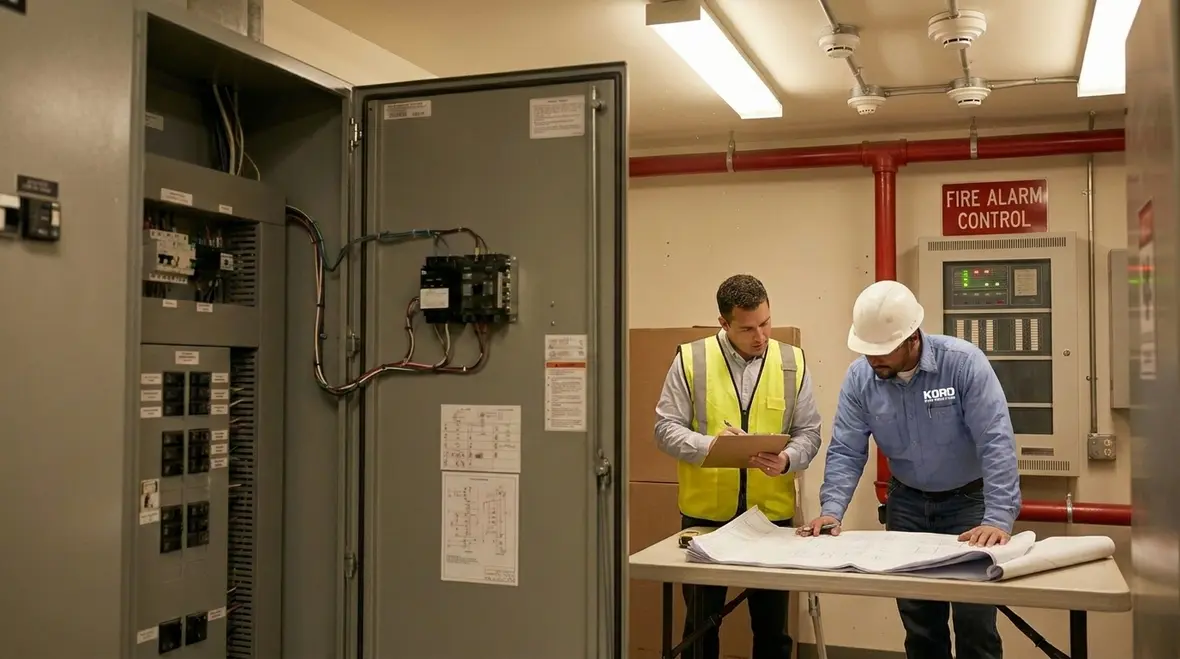
Why documentation matters long after install day
A clean handover package is one of those things people appreciate more six months later than they do on day one. Updated labels, accurate drawings, and clear maintenance records save time every time someone needs to troubleshoot, expand, inspect, or explain the system to a new contractor. Without that documentation, even a technically good upgrade can become a scavenger hunt. No facility manager wakes up hoping for one of those.
Meeting compliance expectations across Australian facilities
In Australia, facilities must align with electrical safety expectations and ongoing risk management needs. While exact regulatory requirements vary by site and use, the direction is consistent: electrical systems should be safe, properly protected, and fit for their intended loads.
Upgrading high-capacity panels helps companies modernize protection schemes, improve documentation, and apply updated best practices for installation and testing. Additionally, it supports better traceability, which matters for audits, insurance reviews, and internal safety management.
Moreover, when fire protection planning joins the process, the facility can strengthen the overall safety posture. A harmonized approach helps prevent gaps, such as detection layouts not matching actual hazard behaviour, or electrical changes not reflected in fire response planning.
Where modern panels deliver value in industrial, retail, and commercial sites
Different sites have different pressure points, yet they share the same theme: electrical stress builds when load grows. Industrial facilities might add compressors, conveyors, HVAC upgrades, or new production lines. Retail and commercial spaces might expand lighting, refrigeration, data rooms, EV charging, or tenant fit-outs.
Because of that, high-capacity industrial electrical panel upgrades can deliver measurable value, including improved uptime, reduced maintenance frequency, and better energy distribution performance. In warehouses, better distribution can support high startup currents without unnecessary trips. In commercial buildings, it can stabilize power for sensitive systems like networking, security, and building automation.
And when expansion happens often, the upgrade becomes a foundation instead of a repeating expense. A facility with documented capacity and coordinated protection plans can scale more smoothly. That is the real win: fewer “electrical surprises” during new project rollouts.
Project checklist for a smooth upgrade
To reduce risk and keep the timeline controlled, most effective projects follow a clear path. A good checklist keeps everyone aligned, from operations to electricians to safety stakeholders. Teams often:
- Review existing panel schedules, conductor sizes, and protective device settings
- Perform load calculations and consider future growth plans
- Confirm short circuit and coordination requirements for the new design
- Plan outage windows and define temporary power steps
- Upgrade components with correct ratings and improve termination practices
- Test protective devices and validate operation before handover
- Update labels, drawings, and maintenance documentation
- Coordinate with kord fire protection to align life safety planning
FAQ
Call today for a modern, safer electrical foundation
Modernizing power distribution protects people, reduces downtime, and supports growth across Australian industrial, retail, and commercial sites. When teams plan with our industrial electrical panel upgrades and coordinate with kord fire protection, they build a unified safety and reliability approach.
Request an assessment and get a clear upgrade path tailored to your loads, timeline, and operational needs. The goal is simple: safer power, steadier operations, and far fewer moments where everyone stares at a panel and hopes for the best.

Join Our Newsletter!
Get the latest fire safety tips delivered straight to your inbox From our Newsletter.