Industrial CO2 Fire Suppression for Industrial Hazards
Industrial Hazards and CO2 Fire Suppression: What It Means
Industrial CO2 fire suppression stands as a proven way to control fires in places where people, equipment, and processes all share the same tight floor plan. In the real world, a flame can start from hot work, electrical faults, chemical reactions, or a simple failure that no one saw coming. However, when the hazard is right, CO2 systems can rapidly reduce oxygen around the fire, which helps stop combustion. And yes, it is still a gas, not a magic spell. Yet, in the hands of trained professionals and good engineering, industrial CO2 fire suppression can be one of the calmest tools in a loud emergency.
For companies managing high risk assets, kord fire protection can become a vital partner for this service job. They help coordinate design support, inspections, and ongoing readiness, so the system does not just exist on paper. Instead, it performs when it matters.
How Industrial CO2 Fire Suppression Fights Industrial Fires
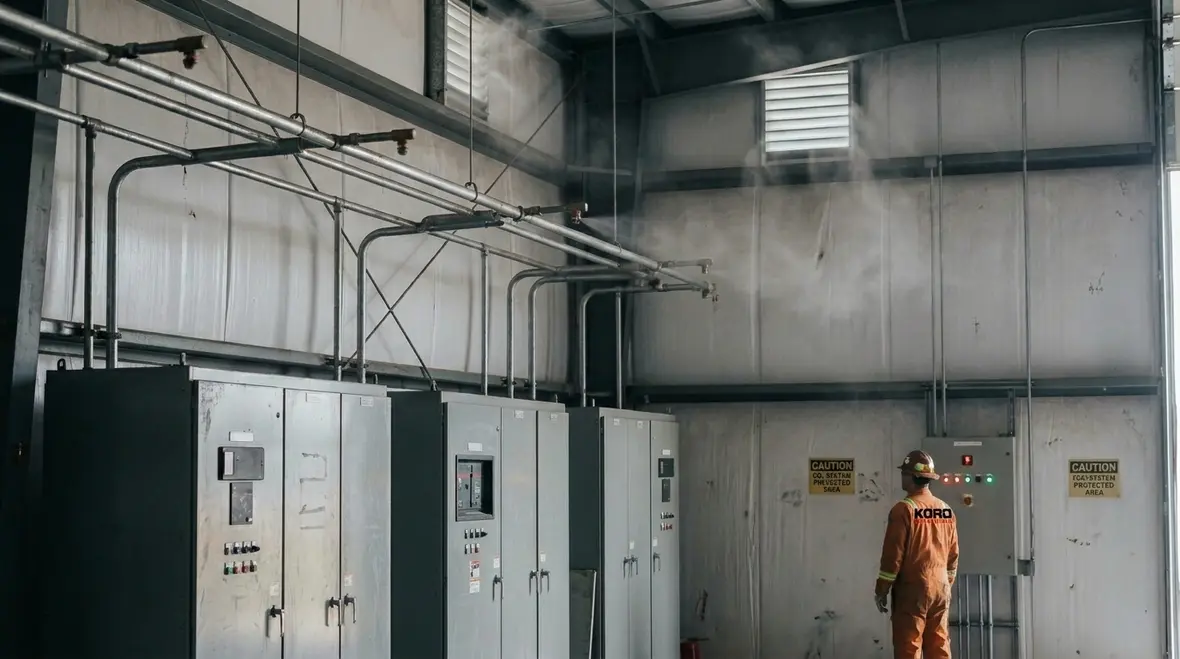
In most industrial spaces, a fire needs three things: fuel, heat, and oxygen. CO2 focuses on the oxygen side. When the system discharges, it floods the protected area with carbon dioxide and lowers the oxygen level below what the fire can sustain. As a result, flames shrink, then stop, and the incident response team gains control instead of chaos. That basic principle is consistent with Kord Fire Protection’s explanation of how CO2 systems suppress combustion in enclosed hazards. ([kordfire.com](https://kordfire.com/understanding-co2-fire-suppression-systems/?utm_source=openai))
To make this work, the design must match the enclosure and the hazard. For example, some areas need total flooding, while others need localized protection tied to specific fuel sources. Also, the discharge timing matters because the goal involves stopping the fire early, not after it grows into a complicated problem with smoke, heat damage, and secondary failures. Kord’s related guidance explains both total flooding and local application approaches and emphasizes the need for hazard specific engineering. ([kordfire.com](https://kordfire.com/co2-fire-suppression-system-safety-and-alarms/?utm_source=openai))
Here is the business reality: CO2 can be effective, but it is not a one size solution. Therefore, a facility should evaluate the hazard category, occupancy patterns, and ventilation behavior before it installs or upgrades anything. If you want a broader comparison before committing to CO2, Kord’s fire suppression system types guide gives useful context for where CO2 fits and where another agent may make more sense. ([kordfire.com](https://kordfire.com/fire-suppression-system-types-explained/?utm_source=openai))
Why oxygen reduction matters so much
The whole strategy depends on quickly reducing oxygen in the protected zone without giving the fire room to keep growing. That is why enclosure integrity, discharge speed, and nozzle distribution are not side details. They are the difference between a controlled event and a long, expensive afternoon.
Where CO2 Systems Fit Best in Industrial Hazard Zones
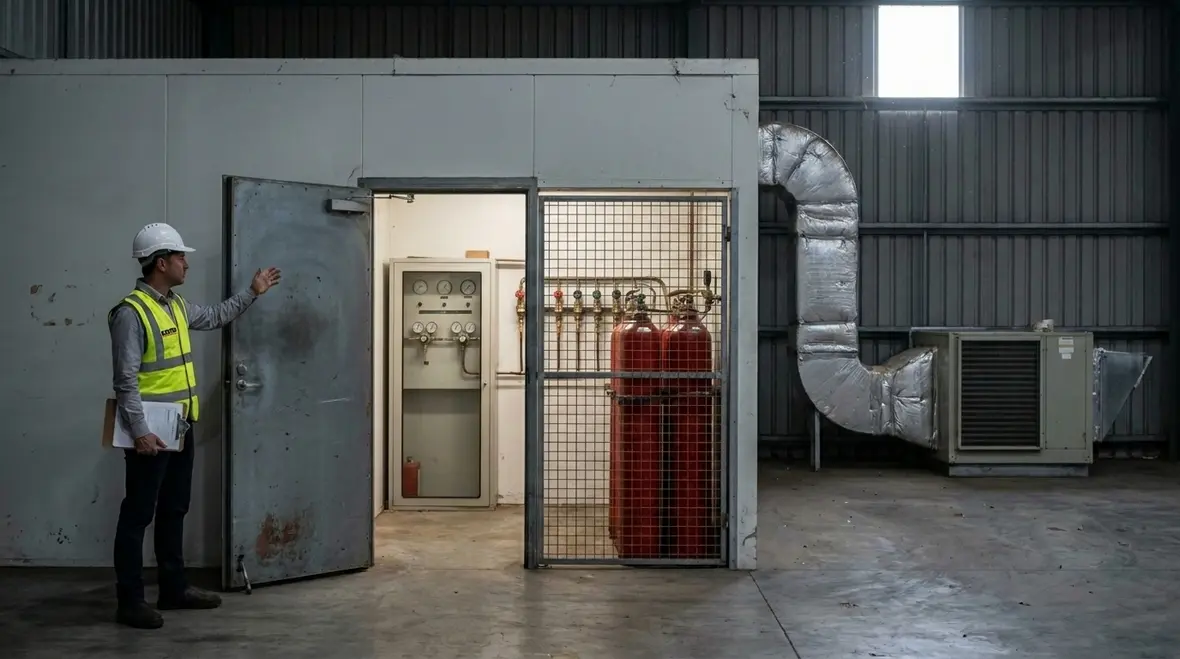
Industrial CO2 fire suppression earns its reputation when it is matched to the risk profile. Many plants rely on it in zones that handle flammable liquids, gas, or electrical equipment where water can be messy or damaging. For instance, certain turbine rooms, switchgear areas, and engine spaces may use CO2 because it reduces the risk of spread and limits collateral damage. Kord specifically describes CO2 as well suited for high value assets and environments where water damage is a concern, including industrial and power related settings. ([kordfire.com](https://kordfire.com/co2-fire-suppression-system-safety-and-alarms/?utm_source=openai))
In warehouses that store certain classes of materials, CO2 may appear in specialized designs, though other agents can also compete depending on the product. Additionally, some process areas use CO2 for early suppression in compact enclosures where smoke control and downtime matter. That does not mean every industrial area should default to CO2. It means the hazard review should lead the decision, not habit, optimism, or the classic “we’ve always done it that way” speech.
Meanwhile, the surrounding layout must support the concept. If the area leaks air like a bad plumbing joke, the CO2 cannot build the concentration required to smother the fire. So engineers look at door openings, ventilation systems, and any likely pathways for gas loss. Kord’s recent safety content repeatedly points to enclosure conditions, personnel presence, and airflow as critical design variables. ([kordfire.com](https://kordfire.com/co2-fire-suppression-system-safety-and-alarms/?utm_source=openai))
Hazard fit beats guessing every time
The right application is everything. A strong CO2 system in the wrong space is still the wrong answer. A properly selected system in the right enclosure, on the other hand, can protect equipment, reduce cleanup, and support a faster return to operations.
Design, Engineering, and Install Details That Prevent Failure
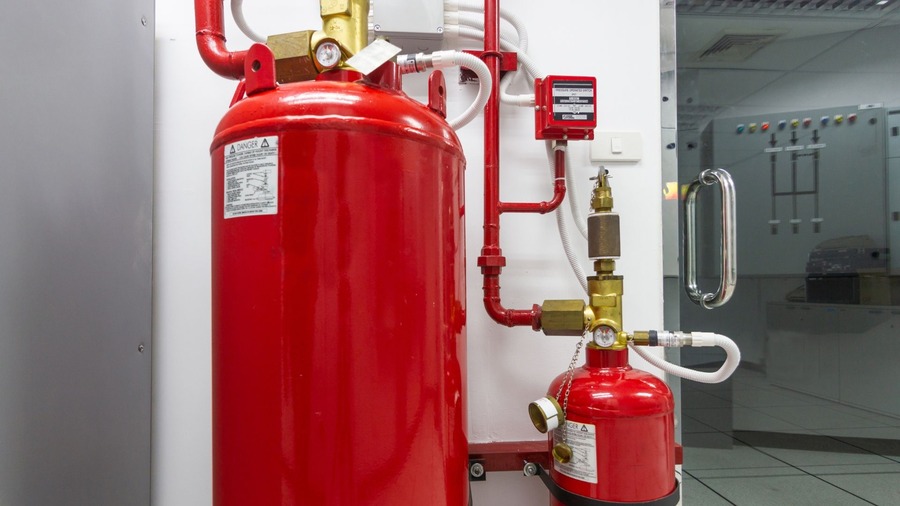
Good systems do not fail because of bad luck. They fail because of missed steps. For industrial CO2 fire suppression, the design stage decides everything from cylinder count to discharge valves, detection logic, and safe release timing.
First, the hazard assessment defines what type of fire can occur and where it will start. Then, the system design selects the discharge method and calculates the needed CO2 concentration and exposure time. After that, the installation team places components so they remain accessible for testing without interrupting normal operations. Kord’s materials on activation and system basics reinforce that gas quantity, nozzle placement, access control, and activation sensitivity all need to be engineered for the actual protected space. ([kordfire.com](https://kordfire.com/understanding-co2-fire-suppression-systems/?utm_source=openai))
Also, installers coordinate with facility controls. Detection and actuation must trigger the right sequence: alarm first, evacuation support next, then discharge only when conditions align with the safety plan. If the sequence skips steps, the system becomes a risk rather than a shield. Kord’s safety and alarms article specifically highlights pre discharge warnings, evacuation support, and carefully controlled release sequences. ([kordfire.com](https://kordfire.com/co2-fire-suppression-system-safety-and-alarms/?utm_source=openai))
Finally, commissioning checks the real world. Technicians verify valve operation, check distribution and integrity, review cylinder pressure readings, and confirm that documentation matches the installed configuration. And yes, someone should read the paperwork. Preferably the person who has access to the building and the time to do it.

Safety Planning and Code Alignment for CO2 Releases
CO2 creates an environment that stops combustion, but it can also affect people if they remain in a protected area. Therefore, safe operation depends on risk controls that include warning systems, evacuation procedures, access control, and clear signage. The facility also needs a plan for how staff will respond during discharge events. Kord’s safety guidance makes the same point plainly: the same gas that suppresses fire can threaten occupants if alarms, interlocks, and evacuation procedures are not built into the design. ([kordfire.com](https://kordfire.com/co2-fire-suppression-system-safety-and-alarms/?utm_source=openai))
To stay compliant, teams align the system with applicable codes and standards for design, installation, inspection, and testing. In addition, they ensure that any detection, alarm, and shutoff functions work together. For instance, ventilation shutoff may need to trigger to prevent oxygen levels from climbing back too fast.
Proper training matters too. Staff should know the difference between an alarm stage and a discharge stage, and they should understand that “we’ll just wait and see” rarely ends with good results.
This is where kord fire protection can become a vital partner with the service job. They support the safety side by helping facilities keep documentation current, confirm inspection schedules, and maintain readiness through practical, jobsite-focused guidance. Their service pages and CO2 resources consistently position inspection, maintenance, and jobsite coordination as part of keeping systems ready for real use. ([kordfire.com](https://kordfire.com/co2-fire-suppression-systems/?utm_source=openai))
Human safety is not a footnote
A CO2 system should never be treated like a silent piece of hardware sitting in the background. It is an active life safety tool. That means staff awareness, alarm recognition, route planning, and controlled access all need to be part of the protection strategy from day one.
Testing, Inspections, and Maintenance That Keep Readiness Real
Industrial CO2 fire suppression does not stay ready through hope. It requires planned service. Over time, cylinders, valves, and detection devices can drift out of spec, and system wiring can face wear from normal industrial life. Therefore, facilities schedule inspections and functional tests that confirm performance without disrupting operations more than necessary.
During routine service, technicians verify cylinder pressure and condition, check discharge pathways, inspect agent control components, and test alarms and interlocks. They also review trends from past events and near misses. Even if nothing bad happens, the system should still show steady health signals. Kord’s fire suppression services page states that suppression systems require regular inspection and testing, while its CO2 materials emphasize checking components, alarms, and readiness in the field. ([kordfire.com](https://kordfire.com/co2-fire-suppression-system-safety-and-alarms/?utm_source=openai))
Additionally, maintenance teams update records as they replace parts or modify related equipment. That way, when someone asks, “What changed since the last inspection,” the answer does not turn into a guessing game.
kord fire protection can help streamline this process across facilities by coordinating consistent service cycles and supporting documentation practices that reduce confusion during audits or insurance reviews. If you need a broader service overview, Kord’s fire suppression services page outlines installation, maintenance, and inspection support across suppression system types. ([kordfire.com](https://kordfire.com/fire-suppression/?utm_source=openai))
Working With a Partner: Why Service Quality Matters
Industrial environments run on uptime. That means service teams must minimize downtime, plan access, and keep the system aligned with the real hazard today, not the hazard from three years ago. When a facility chooses a partner who understands industrial fire systems, the work tends to feel smoother, and the risk goes down.
For this kind of service job, kord fire protection can become a vital partner by bridging engineering intent and field reality. They can support installation oversight, inspection readiness, and maintenance coordination so industrial CO2 fire suppression remains aligned with the protection goals.
Also, partners help facilities avoid common mistakes. Those mistakes include systems installed with the right components but the wrong discharge sequence, or maintenance performed without verifying interlocks tied to ventilation and evacuation. In other words, they help prevent the “it should work” problem. Instead, they drive “it will work” outcomes. Kord’s recent article on suppression electrical hazards also underscores how wiring mistakes, mislabeling, and sequence issues can create false discharges or other system problems, which supports the case for careful qualified service. ([kordfire.com](https://kordfire.com/fire-suppression-electrical-hazards-causing-false-discharges/?utm_source=openai))
FAQ: Industrial CO2 Fire Suppression for Industrial Hazards
Conclusion: Keep Protection Ready, Not Hopeful
Industrial fires move fast, and complacency moves slower. Industrial CO2 fire suppression can offer strong early control for the right hazards, but it only delivers value when design, safety planning, and service quality stay tight. To make sure the system remains dependable, facilities should partner with a team that understands industrial realities and ongoing readiness.
That is where kord fire protection can become a vital partner with the service job. Reach out through the CO2 fire suppression systems service page to get an inspection plan and a practical maintenance path built for your site. You can also explore their broader fire suppression services if your facility needs a wider protection strategy. ([kordfire.com](https://kordfire.com/co2-fire-suppression-systems/?utm_source=openai))

Join Our Newsletter!
Get the latest fire safety tips delivered straight to your inbox From our Newsletter.