CO2 Electrical Fire Suppression for Energized Equipment
CO2 electrical fire suppression helps protect sensitive equipment by flooding the right space with an inert, nonconductive gas. As a result, it can slow the spread of flames around switchgear, control panels, and other electrical gear where water or foam can cause extra damage. However, the job is not just about releasing gas and calling it a day. It requires smart design, careful maintenance, and trained technicians who understand how fire behaves in real electrical environments. In many cases, Kord Fire Protection becomes a vital partner on this service, bringing planning, code awareness, and commissioning support that helps the system perform when it matters most.
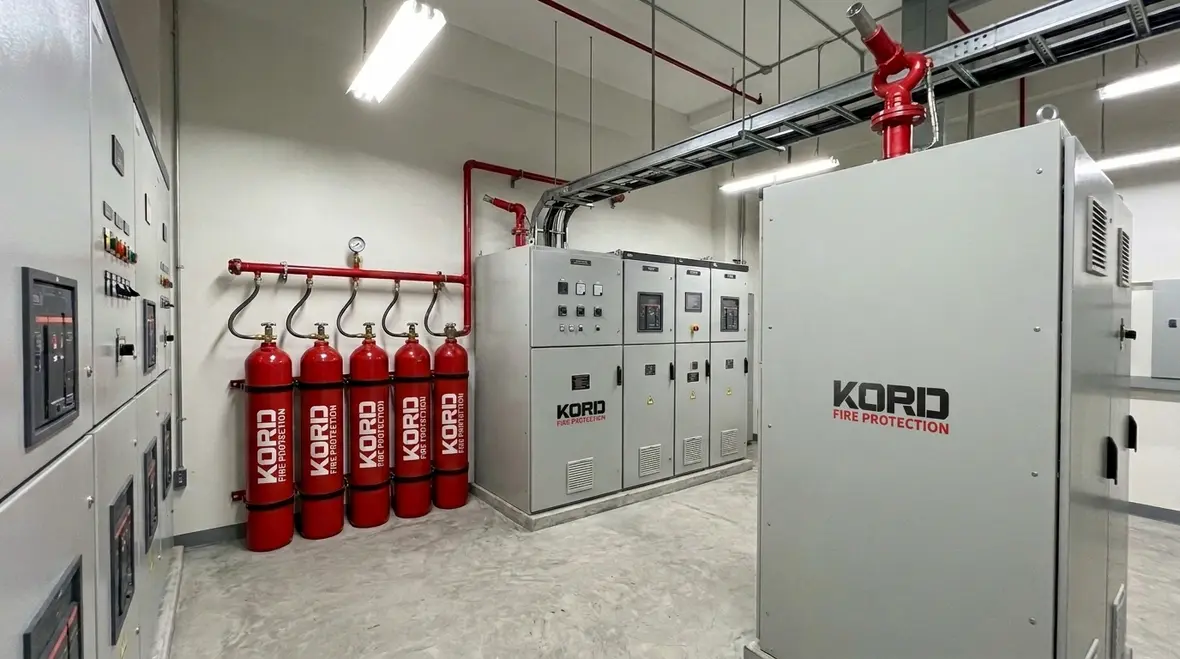
Facilities that depend on energized equipment do not usually get the luxury of simple shutdowns and carefree cleanup. They need fire protection that respects uptime, protects high value assets, and supports a controlled emergency response. That is where carbon dioxide systems keep earning attention. Kord Fire Protection’s overview of CO2 fire suppression systems explains why these systems remain a strong option for industrial hazards, especially when water would be more villain than hero. Kord also notes that CO2 systems are commonly used for Class C electrical fire risks and are best suited for enclosed spaces with few or no occupants, which aligns directly with the needs of many electrical rooms and equipment enclosures. ([kordfire.com](https://kordfire.com/co2-fire-suppression-systems/?utm_source=openai))
How CO2 electrical fire suppression protects energized equipment
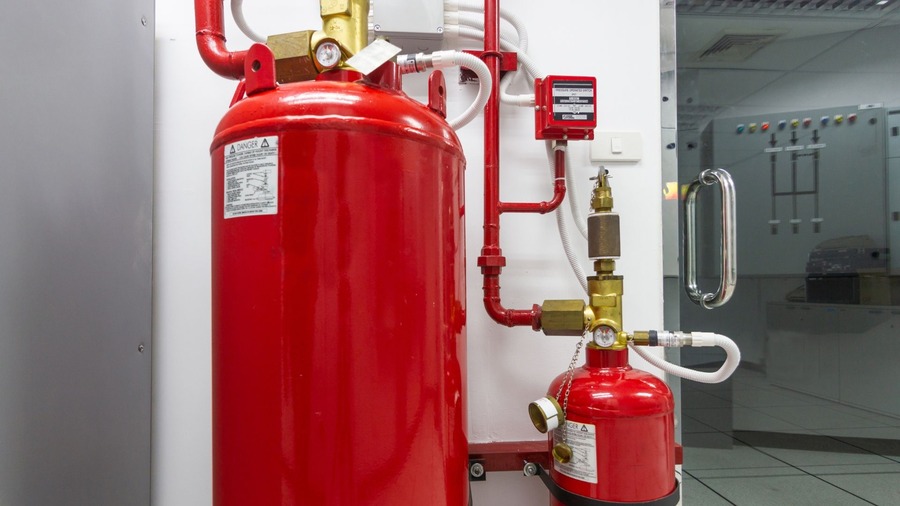
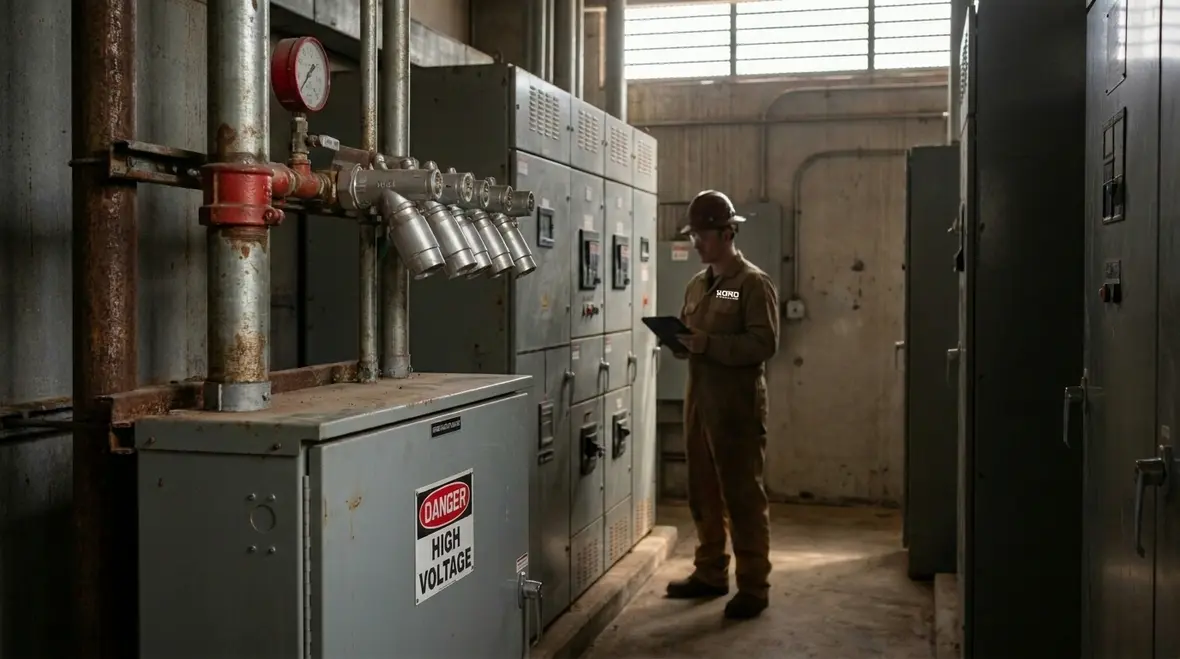
When electrical equipment fails, it can create heat, sparks, and ignition sources in a way that spreads quickly. Therefore, a specialized approach matters. CO2 electrical fire suppression works by reducing oxygen around the fire, which makes it harder for combustion to continue. Because CO2 does not conduct electricity, it helps reduce the risk of additional short circuits. Meanwhile, the discharge also limits damage in areas that cannot tolerate cleanup like a typical water response. Kord Fire Protection’s CO2 systems page describes this same core principle, noting that carbon dioxide protects high value assets by displacing oxygen and fighting Class A, B, and C fires without leaving residue. ([kordfire.com](https://kordfire.com/co2-fire-suppression-systems/?utm_source=openai))
In practical terms, the system targets the protected enclosure or space. It then releases CO2 at a designed concentration and flow rate. Consequently, the fire gets starved, and the equipment remains protected as much as possible. Think of it like a well timed “power down” moment, except the power does not have to be interrupted by panic. And yes, the fire still hates it. No, it does not read the warning labels either.
Why nonconductive agent behavior matters
For energized equipment, secondary damage is often the hidden cost nobody wants to budget twice. A suppression method may stop the fire but still wreck the gear, create downtime, and trigger a cleanup circus that drags on for days. CO2 avoids much of that chaos because it is non-corrosive, non-conductive, and leaves no residue, a point Kord highlights in its service information on high pressure CO2 systems. That makes it especially attractive for switchgear, electrical cabinets, control equipment, and similar spaces where recovery speed matters almost as much as extinguishment. ([kordfire.com](https://kordfire.com/co2-fire-suppression-systems/?utm_source=openai))
Where CO2 systems fit best in industrial electrical rooms
Electrical rooms often contain switchboards, motor control centers, transformers, and cable runs. These areas can include equipment that is hard to isolate, and they may sit in buildings where response time depends on access and safety steps. So, CO2 electrical fire suppression often fits where the space is reasonably enclosed and where quick action is needed to prevent flame spread into critical assets. Kord specifically identifies transformer vaults, electrical cabinets, generators, and other industrial hazards as suitable applications for CO2 protection. ([kordfire.com](https://kordfire.com/co2-fire-suppression-systems/?utm_source=openai))
- Control panel enclosures and switchgear rooms
- Transformer bays where specific risk controls exist
- Computer rooms with electrical distribution or dedicated protected zones
- Battery related power spaces when design supports gaseous agent use
However, the fit depends on layout, ventilation, and enclosure integrity. If air leaks through gaps, the agent concentration can drop. For that reason, proper engineering and on site verification matter. A system that looks good on paper but fails during real conditions can become a “ghost system,” the kind that shows up only in meetings.
Design and risk assessment: what the team must decide first
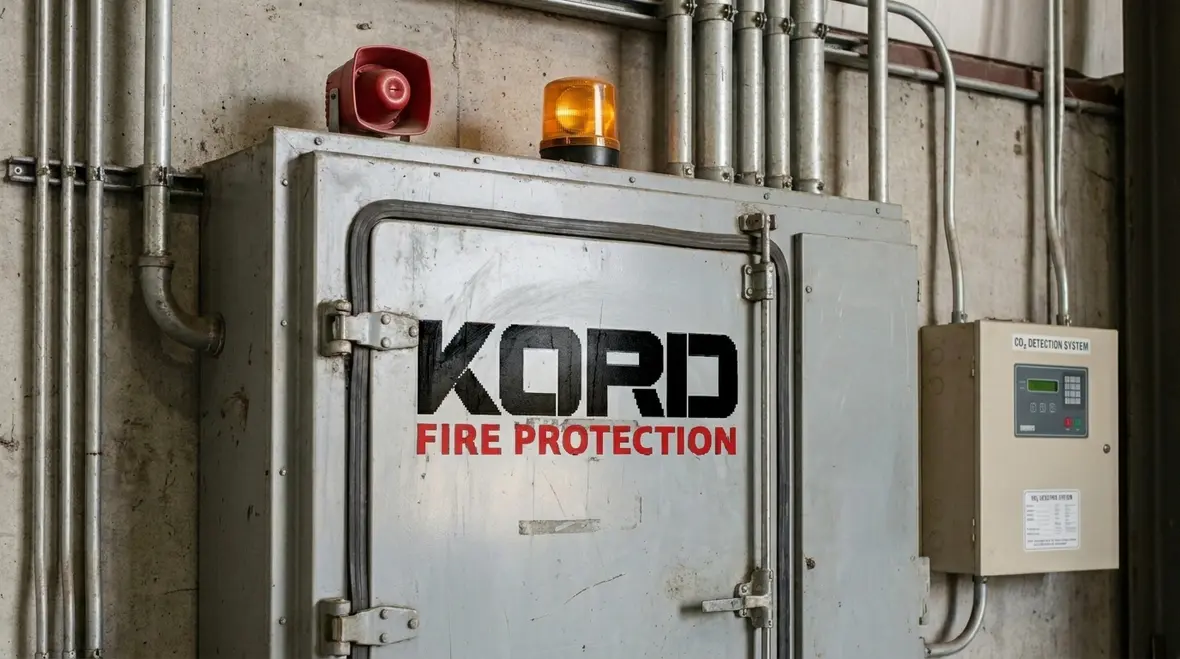
Before any cylinder is ordered or any nozzle is placed, a competent team performs a risk assessment. This step considers fire load, ignition sources, enclosure size, ventilation, and operating conditions. Then it identifies the protected hazard and selects the right agent type, concentration level, and discharge strategy.
At this point, Kord Fire Protection can become a vital partner because it brings experience with fire protection planning, documentation, and compliance support. In addition, Kord can coordinate system review with facility requirements so the final design matches both the electrical reality and the safety expectations. That matters, because facilities change over time. New cable trays appear, ventilation dampers get adjusted, and access doors get replaced with slightly different sizes. The “small differences” can create big outcomes if they go unmanaged.
Kord’s article on fire suppression electrical interface reinforces how critical design coordination is between detection, control logic, shutdown sequences, and the protected hazard. That is especially relevant in energized equipment spaces, where a suppression system is not operating in isolation. It has to communicate with alarms, interlocks, fans, dampers, and equipment states in the right order, or the entire response starts acting like a group project with no leader. ([kordfire.com](https://kordfire.com/fire-suppression-electrical-interface-for-reliable-protection/?utm_source=openai))
Details that should never be guessed
- Protected volume and leakage characteristics
- Detector types and their likely response to real fire conditions
- Ventilation shutdown needs and door release behavior
- Manual release, abort, and alarm sequencing
- Service access for inspection, testing, and future adjustments
Installation details that keep the system honest
A CO2 electrical fire suppression system relies on more than cylinders. It uses detection, piping, distribution nozzles, valves, controls, and warning systems. Therefore, the installation must meet strict quality standards and follow the designed layout. Kord’s CO2 system service page notes that its technicians handle installation, maintenance, testing, and repairs with an emphasis on NFPA and code compliance, which is exactly the kind of discipline these systems demand. ([kordfire.com](https://kordfire.com/co2-fire-suppression-systems/?utm_source=openai))
- Detection placement: heat and smoke behavior in electrical enclosures drives detector selection
- Valve and piping alignment: correct routing prevents flow loss and keeps pressure targets achievable
- Enclosure integrity: door seals and penetrations influence agent retention
- Warning and evacuation flow: alarms must manage people safety before discharge
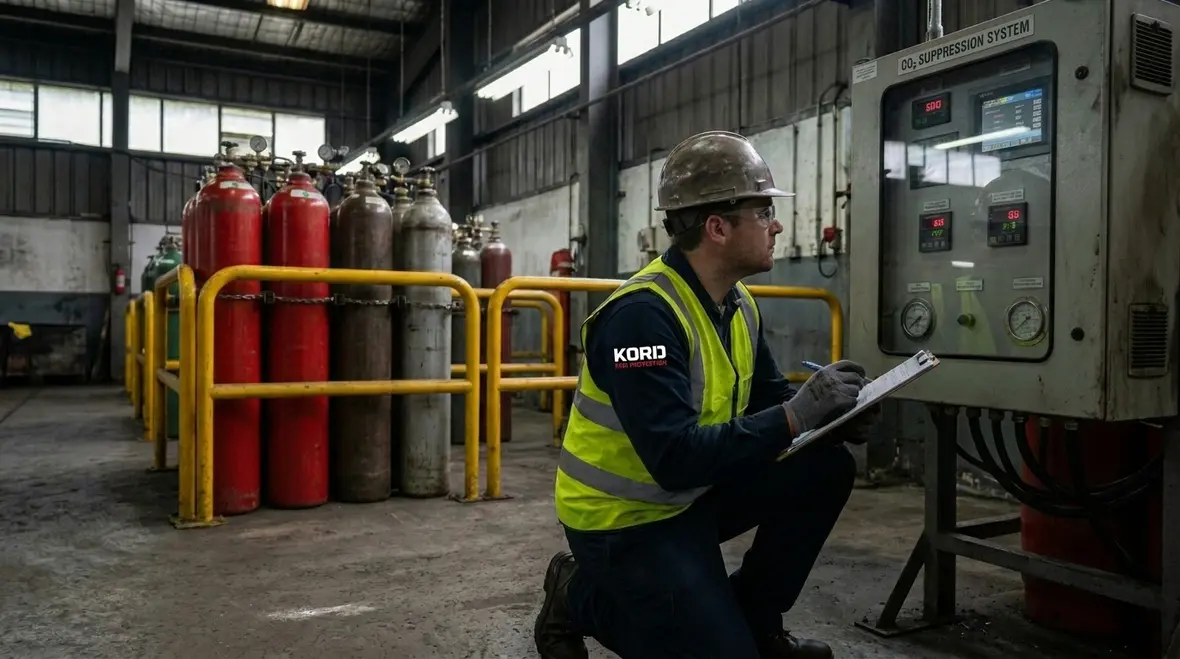
Also, technicians must test the system in a controlled way. They verify that the discharge pathways work as intended and that control logic supports safe shutdown steps. In other words, they prove the system can do what it claims it can do. Otherwise, it becomes like a fancy toaster that never warms the bread. Annoying, expensive, and somehow still your problem.
Commissioning, testing, and maintenance for long term reliability
Even a well designed system needs ongoing care. CO2 electrical fire suppression depends on correct pressures, clean components, and functioning detection circuits. Over time, dust can collect, valves can stiffen slightly, and sensor drift can occur. Therefore, maintenance schedules must be consistent and documented.
- Inspection of detection and control panels for proper response and fault history
- Verification of hardware condition and signal integrity
- Assessment of enclosure seals and ventilation controls
- Functional testing of alarms, interlocks, and discharge sequences
In addition, Kord Fire Protection can support the process by coordinating testing windows, documenting results, and helping facilities keep compliance records in order. As a result, the organization avoids the last minute scramble during inspections. And nobody wants to hunt for a binder at 5:00 p.m. with a regulator on the way. That is not a fun game, even if it feels like a spy movie.
Kord’s recent article on CO2 fire suppression activation in emergencies highlights the critical window between detection and release, while its post on CO2 system safety and alarms stresses the need for trained personnel and dependable warning sequences. Together, those points support a simple truth: reliability is not a one time purchase, it is a service habit. ([kordfire.com](https://kordfire.com/co2-fire-suppression-activation-in-emergencies-explained/?utm_source=openai))
CO2 electrical suppression safety: people, ventilation, and alarms
Gas discharge systems involve safety planning for occupants and responders. CO2 can displace oxygen, so warning times, evacuation procedures, and signage must work together. Consequently, facilities often set up alarms that alert personnel before discharge and maintain time for safe egress. Kord emphasizes that CO2 is best suited to areas with few or no occupants and that qualified personnel should handle these systems because of the hazards involved. ([kordfire.com](https://kordfire.com/co2-fire-suppression-systems/?utm_source=openai))
Ventilation control also matters. If fans keep running, they can reduce agent effectiveness. Therefore, interlocks and dampers should align with the hazard risk assessment. At the same time, the system should avoid nuisance discharges caused by normal operational events. Detection programming and sensitivity settings must reflect real conditions, not guesswork. Kord’s article on fire suppression electrical hazards causing false discharges is a useful companion read here because it focuses on unintended releases, wiring faults, and the importance of disciplined control integration. ([kordfire.com](https://kordfire.com/fire-suppression-electrical-hazards-causing-false-discharges/?utm_source=openai))
When safety steps align, CO2 electrical fire suppression can protect equipment without creating unnecessary danger for people. And when the system and procedures are coordinated, responders can manage the scene with clearer expectations. The goal stays simple: control the fire fast, protect the assets, and keep the operation stable afterward.
Dual column: design and service details that teams should track
Design and verification
- Protected enclosure volume and leakage checks
- Detector type, placement, and response time assumptions
- Piping and nozzle layout aligned to hazard
- Agent concentration targets confirmed
Ongoing service and documentation
- Monthly and quarterly inspections based on risk
- Functional tests of alarms and interlocks
- Maintenance records kept for audits
- Coordination with Kord Fire Protection for commissioning support
FAQ about CO2 electrical fire suppression
Choosing a partner like Kord Fire Protection
CO2 electrical fire suppression succeeds when design, installation, and service move as one system. That means risk assessment, enclosure verification, detector logic, and safety procedures all need to line up with the facility’s real layout. Then maintenance keeps it performing for years, not just during the first week after commissioning. Kord Fire Protection can help coordinate the job end to end, so the system stays compliant, tested, and ready.
If the facility needs protection for critical electrical assets, this is a smart time to connect with Kord about both CO2 fire suppression systems and broader fire suppression services. Kord’s service pages emphasize installation, repairs, testing, inspections, and support across commercial and industrial settings, which makes them a practical next stop for facilities trying to turn planning into protection. ([kordfire.com](https://kordfire.com/co2-fire-suppression-systems/?utm_source=openai))
Why teams choose a coordinated approach
- Better alignment between hazard, enclosure, and discharge method
- Cleaner documentation for audits and inspections
- More reliable alarm, shutdown, and interlock performance
- Less chance of expensive surprises after installation
Best next step
Reach out to Kord Fire Protection to review the enclosure, confirm the hazard, and map out the right service path before a minor electrical event gets promoted to a major operational headache.

Join Our Newsletter!
Get the latest fire safety tips delivered straight to your inbox From our Newsletter.