
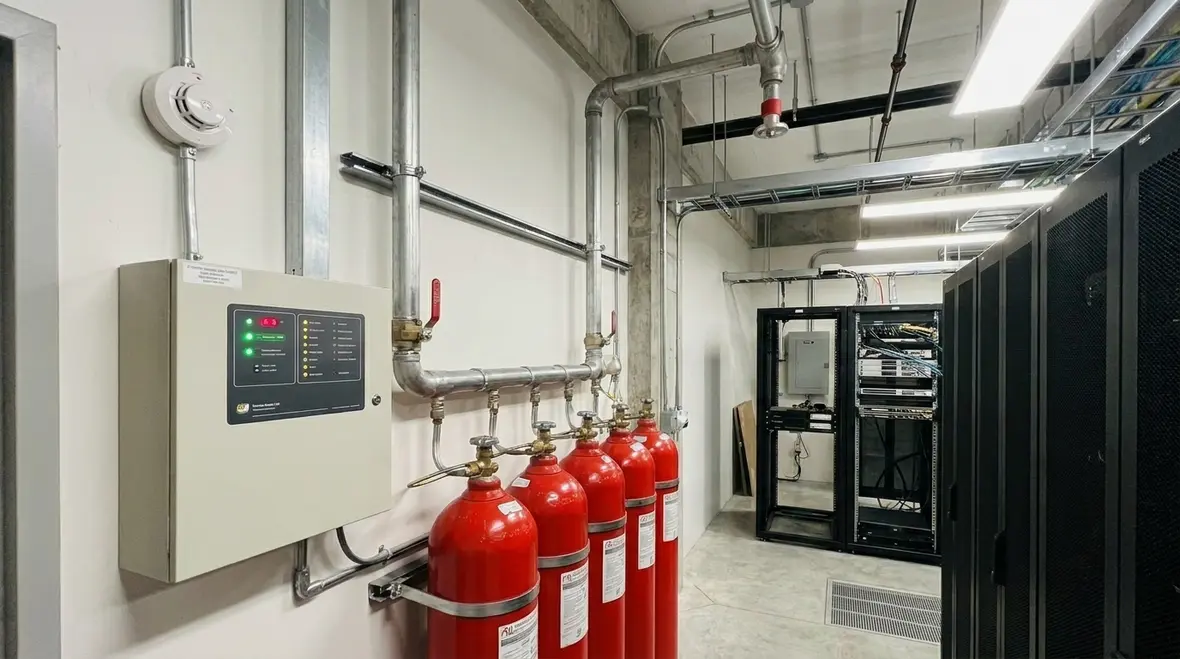
How CO2 Fire Suppression Works Safely and Reliably
In this guide, how CO2 fire suppression works starts with a simple idea: when smoke and heat rise, the system detects the fire and then releases carbon dioxide fast enough to reduce oxygen around the flames. As a result, the fire can cool and stop spreading. Yet the real story is not just “gas goes in, fire goes out.” Instead, the best systems match design, detection, and safe release timing so people can exit and equipment can stay protected. After all, nobody wants a fire system that reacts late, or one that turns a hallway into a fog machine. From the first sensor to the last discharge, CO2 needs smart engineering, careful placement, and steady maintenance, and that is where Kord Fire Protection can become a vital partner.
For facilities comparing agent options, Kord also outlines where CO2 fire suppression systems fit best, especially in enclosed hazards where water would create a bigger mess than the fire itself. If you have ever wanted a fire response that acts fast without drenching expensive equipment, this is where the conversation gets interesting.
How a CO2 System Detects Fire
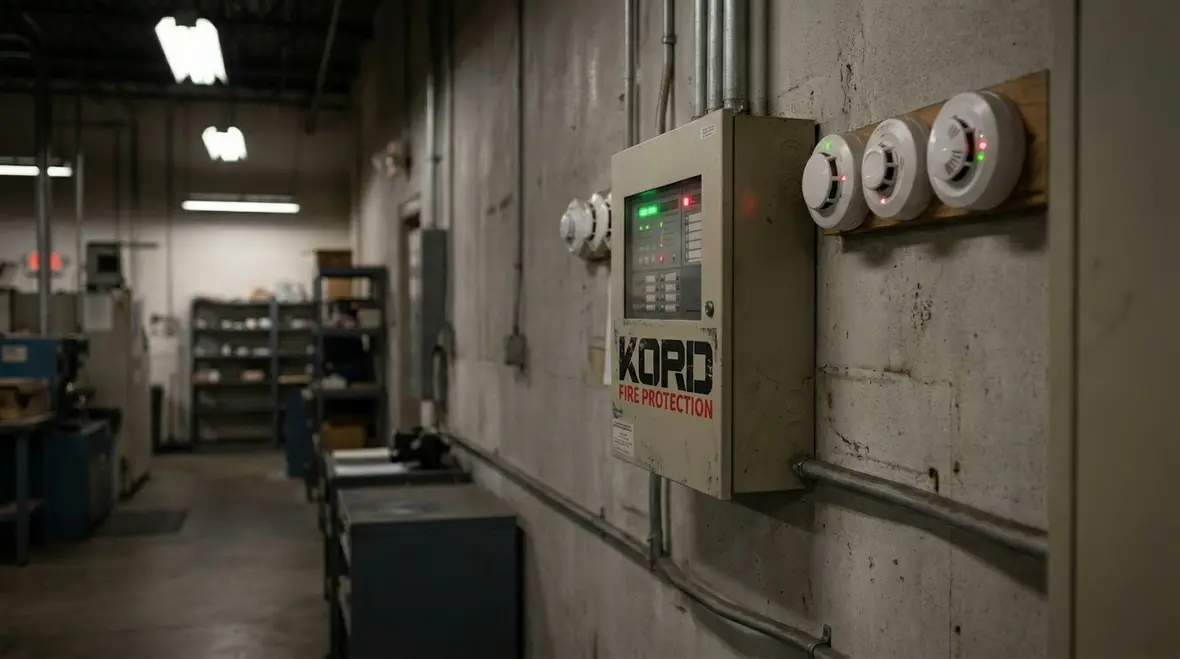
First, the system watches for conditions that point to a real fire, not just burnt toast. Depending on the site, it may use smoke detectors, heat detectors, or both. When the detectors trigger, control panels confirm the alarm logic and start the discharge sequence. At this stage, the system typically uses time delays in certain spaces so occupants can evacuate before the agent releases.
Next, the control panel monitors switches, wiring integrity, and power status. If anything looks off, the system can alert staff instead of guessing. This helps prevent accidental discharge and keeps the system ready. In short, detection and control form the brain, while the cylinders and piping form the hands.
Why Detection Logic Matters
A CO2 system is not supposed to panic. It is supposed to verify. That means the relationship between sensors, panel programming, and release devices matters just as much as the agent itself. Kord’s own overview of CO2 fire suppression system safety and alarms highlights the importance of warnings and sequencing, because fast suppression is helpful only when it is also controlled.
What Happens When the Discharge Begins
When the logic confirms a fire, how CO2 fire suppression works becomes very practical: it sends an electric signal to open the discharge pathway. Then, high pressure CO2 flows into the distribution piping and moves toward designed nozzles or outlets. Because CO2 is stored under pressure, it does not rely on a pump once the release starts.
After discharge, CO2 mixes with the protected air volume. Meanwhile, the fire needs oxygen to sustain combustion, so reducing oxygen slows and can stop the reaction. Additionally, CO2 can help cool the environment near the flame. However, performance depends on the engineered concentration, the enclosure size, and whether vents or leaks allow the gas to escape.
And yes, people sometimes picture CO2 as a magic snow globe. It is not. It works best when the system is designed for the room, and when doors and seals behave the way engineers assumed. That is also why Kord’s article on understanding CO2 fire suppression systems is such a useful companion read. The discharge is fast, but the planning behind it should be anything but rushed.
Storage, Cylinders, and Valves That Do the Heavy Lifting
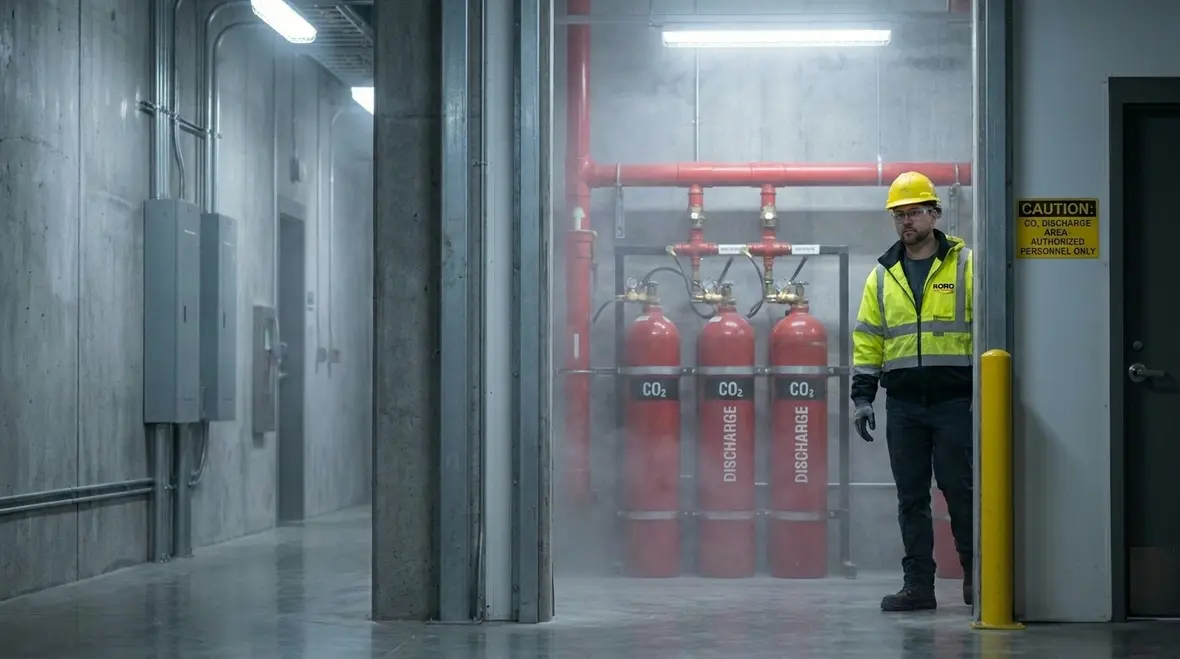
Most CO2 systems store the agent in cylinders or banks. These units include pressure gauges, safety relief devices, and valve assemblies. Then, they connect to piping that routes the gas to the protected areas. During installation, technicians consider pipe length, fittings, and flow requirements so the agent reaches outlets with the correct pressure.
Valves matter as much as the cylinders. They open on command, seal reliably, and allow controlled release. If a valve sticks or a solenoid fails, the system can lose its timing. Therefore, skilled service teams inspect, test, and document valve condition, while also verifying that pressure levels stay within spec.
In a business setting, downtime is expensive. So, Kord Fire Protection can help by keeping cylinders, valves, and release components in working order through scheduled inspections and clear reporting. If your team needs a broader comparison, Kord’s guide to fire suppression system types helps explain where CO2 belongs in the larger lineup of protection strategies.
The Mechanical Side Nobody Should Ignore
There is nothing glamorous about a pressure gauge that reads correctly or a valve that opens exactly when expected, but that quiet reliability is the whole point. A suppression system does not get applause for being dramatic. It gets respect for doing its job on one of the worst days a facility can have.
Enclosure Design and Coverage: Where Most Failures Hide
Even a well maintained system struggles if the room configuration fights the design. For CO2, the protected space often must form an enclosure, or at least a controlled volume. If a space has large openings, poor sealing, or constant air movement, the agent concentration may fall below what the hazard needs.
For that reason, fire protection professionals evaluate factors such as room volume, ceiling height, leakage points, HVAC operation, and door status. Additionally, they may use detection zoning, discharge zoning, or specific nozzle layouts to match the airflow pattern.
To keep things practical, Kord Fire Protection can coordinate with facility teams so system design matches real operations. Then, building managers avoid surprises like “the system worked on paper, but not in this leaky room.” This is also where Kord’s page on room integrity testing becomes useful, because enclosure performance is not just an engineering theory. It is a field reality.
Safety Rules for People, Egress, and Shutdown
CO2 does not burn, but it can displace oxygen. Therefore, safety controls matter. Most setups include alarms, visual warnings, and evacuation time. Many also include instructions for shutting down certain processes and equipment once discharge begins.
Because exposure risk can rise with high concentrations, the system often includes interlocks. These interlocks can stop ventilation systems, close dampers, or manage fans so the agent remains in the protected volume. At the same time, emergency response plans guide staff on what to do during discharge.
Here is the unglamorous truth: if people ignore alarms and stay inside, no fire system can save them. That is why training and signage remain part of the job, not an afterthought. Kord Fire Protection can help facilities keep procedures clear and consistent, so the technology works with humans, not against them.
A Fast System Still Needs Human Common Sense
A countdown horn, a flashing strobe, and a posted exit route are not decorative accessories. They are part of the system logic in human form. When the building says leave, the correct response is not to finish your coffee and investigate like an amateur detective.
Maintenance, Testing, and Reliable Performance Over Time
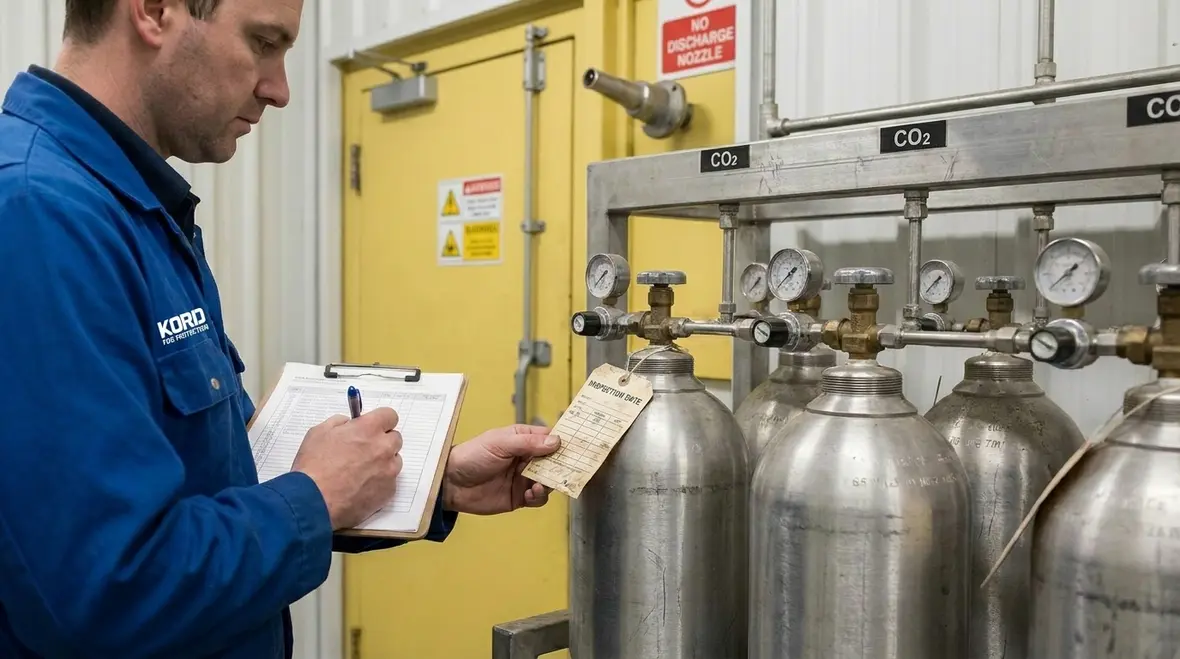
CO2 systems require periodic inspection and testing. Technicians check cylinder pressure, examine seals, test alarms and control logic, and inspect piping and nozzles for blockage or damage. They also verify that detection devices stay clean and calibrated, since dust and airflow changes can reduce performance.
In addition, maintenance records matter. Insurers and authorities often expect documentation that shows compliance, service dates, and corrective actions. If a component ages out, replacing it early can prevent failures during a real emergency.
For many facilities, the best maintenance strategy is simple: test in cycles that fit operations, document everything, and fix issues quickly. Kord Fire Protection can act as the steady partner that keeps the system dependable, instead of making staff scramble when a test date shows up like an unexpected pop quiz. If your site also uses clean agents in other sensitive spaces, Kord’s clean agent fire suppression services page provides a useful look at adjacent solutions and service support.
CO2 vs Other Fire Suppression Options
Different hazards need different solutions. Water systems can protect many spaces, while foam helps with flammable liquid risks. Clean agent options may fit certain electronics rooms where residue control matters. CO2 often suits specific enclosed hazards, where rapid oxygen reduction can effectively control fire.
However, the “best” choice depends on occupancy, room ventilation, hazard classification, and safety constraints. Therefore, engineers evaluate site conditions and then select the agent that offers the right balance of extinguishing performance and safe exposure limits. When facilities compare options, they should ask how the agent behaves in their exact space, not in a generic showroom.
That is where a partner like Kord Fire Protection becomes valuable, since it can connect the dots between hazard needs, system design, and compliance expectations. For a broader side by side discussion, Kord’s article on clean agent vs traditional fire suppression systems helps frame how different technologies fit different operational priorities.
Dual Column: Key CO2 System Parts and Their Job
Component
- Detectors and control panel
- CO2 cylinders and valves
- Piping and nozzles
- Alarms and interlocks
Main Function
- Detect fire conditions and start the discharge sequence with approved logic
- Store CO2 under pressure and open on command to release the agent
- Route CO2 into the protected area at the right flow and distribution
- Warn occupants, manage evacuation time, and coordinate shutdown actions

FAQ
Conclusion: Make CO2 Reliable, Not Just Installed
CO2 systems work best when detection, enclosure design, discharge timing, and safety procedures work together. Therefore, a facility should treat how CO2 fire suppression works as an ongoing service topic, not a one time project. Kord Fire Protection can support installations and keep systems in strong shape with inspections, testing, and clear documentation.
If a system is overdue or you need a confident partner for upgrades, explore CO2 fire suppression system services or review Kord’s broader clean agent fire suppression solutions. Reach out to Kord Fire Protection today and protect your people and assets with real readiness.

Join Our Newsletter!
Get the latest fire safety tips delivered straight to your inbox From our Newsletter.



