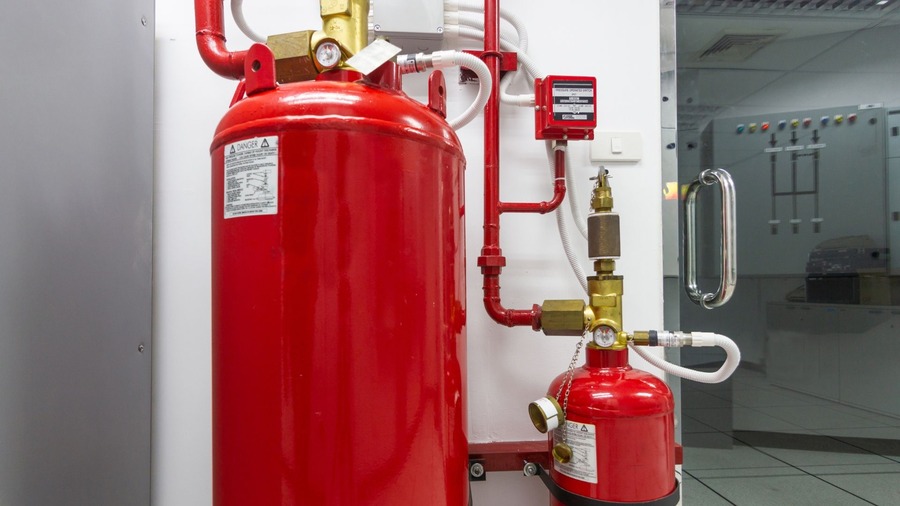
NFPA 25 5.5 Sprinkler Component Action Requirements
Quick Answer: NFPA 25 § 5.5 requires clear expectations for sprinkler component action, plus prompt deficiency follow up when components fail to operate as intended. Kord Fire Protection helps sites in Australia stay compliant, document findings, coordinate repairs, and keep sprinkler systems reliable, so small problems do not become expensive surprises.
NFPA 25 sprinkler component action requirements matter because they tell a facility what to do after a sprinkler system component actuates, and what steps to take when performance falls short. Within NFPA 25 § 5.5, the focus lands on two things: the system must respond correctly, and any deficiency must trigger a disciplined follow up process. In practice, that means inspections, documented action, timely corrective work, and confirmation that the system is back to proper condition. And because life loves chaos, it also means someone has to own the process from first notice to final verification.
That is where Kord Fire Protection becomes a vital partner. They help industrial, retail, and commercial facilities across Australia turn the paperwork into a repeatable job plan, with clear accountability, practical timelines, and a calm approach when the system does exactly what it is supposed to do, or when it does not. For facilities needing broader support early in the process, full fire protection services can fit naturally into inspection planning, maintenance scheduling, and system readiness work.

NFPA 25 § 5.5 in plain terms: what systems must do
NFPA 25 § 5.5 centers on sprinkler components that take action, such as water flow switches, alarms, supervisory devices, and related actuating elements. When a component activates, the site needs to verify the action and ensure the connected functions perform as required. Meanwhile, if the component does not act properly, or if the evidence points to a deficiency, the facility must treat that as more than a “note in the file.”
In other words, the standard expects a chain of custody for system condition. First, the action happens. Next, the site confirms what happened. Then, it follows up quickly if the results are not correct. That is the compliance backbone. And yes, it can feel slow at first, like waiting for a lift that never comes. But slow now prevents the fast disaster later.
Why this matters in day to day facility management
On paper, component action sounds tidy. In real facilities, it lands in the middle of deliveries, tenant needs, shift changes, contractor access, and the occasional mystery signal that appears right before lunch. That is why a structured response matters. A good process keeps everyone from improvising their way into confusion, and it gives the site a reliable method for moving from event to evidence to corrective action without losing momentum.
How deficiencies get identified, logged, and acted on
Facilities often discover deficiencies through routine inspections, test observations, alarm history review, or service reports. Then the job moves from “spotting” to “fixing.” To align with NFPA 25 sprinkler component action requirements, a well run program documents what was observed, why it matters, and what needs to happen next.
Kord Fire Protection typically supports this with a clear workflow that helps Australian facilities keep their process tight. That practical, documented mindset lines up well with broader NFPA 25 maintenance expectations discussed in this NFPA 25 overview, especially when teams need to connect one component issue to the bigger reliability picture.
- Record the event using inspection and test notes that match what the system actually did
- Classify the deficiency based on impact to sprinkler performance, notification, and supervisory function
- Assign responsibility so it does not drift between contractors like a smoke cloud with no home
- Set timelines for corrective action and re inspection, aligned with the site’s risk and urgency
- Confirm closure with verification that the system returns to proper condition
That sequence matters. Because a deficiency that sits “in progress” forever becomes a permanent liability. And regulators tend to ask questions about permanence.

Sprinkler component action: follow up steps that keep compliance solid
Once a component action test or activation occurs, the facility needs to follow up in a way that can stand up to scrutiny. This includes making sure alarms, supervisory signals, and any downstream notifications behave as expected. It also includes ensuring that the system returns to normal mode without lingering issues.
To do this well, a site should plan for three practical moments. First, they verify immediate indications. Next, they check that controls and monitoring point to the correct state. Finally, they confirm that the system is ready for future demand.
Kord Fire Protection helps facilities by building the follow up around real operational needs. For example, a warehouse might need work scheduled around order cycles. A shopping centre might need coordination to avoid disrupting tenants. Meanwhile, an industrial plant might require access planning that matches shutdown windows. The goal stays the same: meet the NFPA 25 sprinkler component action requirements outcome, without turning the site into a slow moving bottleneck.
A practical follow up rhythm
- Immediate review: confirm the device action, visible indications, and signal path
- Operational check: verify panels, monitoring points, and related controls reflect the correct state
- Corrective work: schedule repair or adjustment with clear ownership and timing
- Return to service: restore normal conditions and confirm the system is not left in a partial or awkward state
- Final verification: test again and close the record only when the issue is truly resolved
Why verification matters more than people think
Many facilities treat verification like a checkbox. Yet verification is the moment that proves the deficiency is truly resolved. It is not enough to say repairs happened. The system must demonstrate that the original problem no longer exists, and that all related functions behave correctly.
For sprinkler systems, verification often includes confirming signals, checking device states, and validating that components operate within required performance expectations. Additionally, Kord Fire Protection supports repeat checks when conditions suggest the issue could reappear, such as intermittent wiring problems, sensor drift, or device wear.
Here is the calm truth: sprinkler systems do not care about human schedules. They follow physics, timers, and mechanical reality. Therefore, verification is how a facility keeps those realities in check and keeps risk low.
Common failure points that trigger deficiency follow up
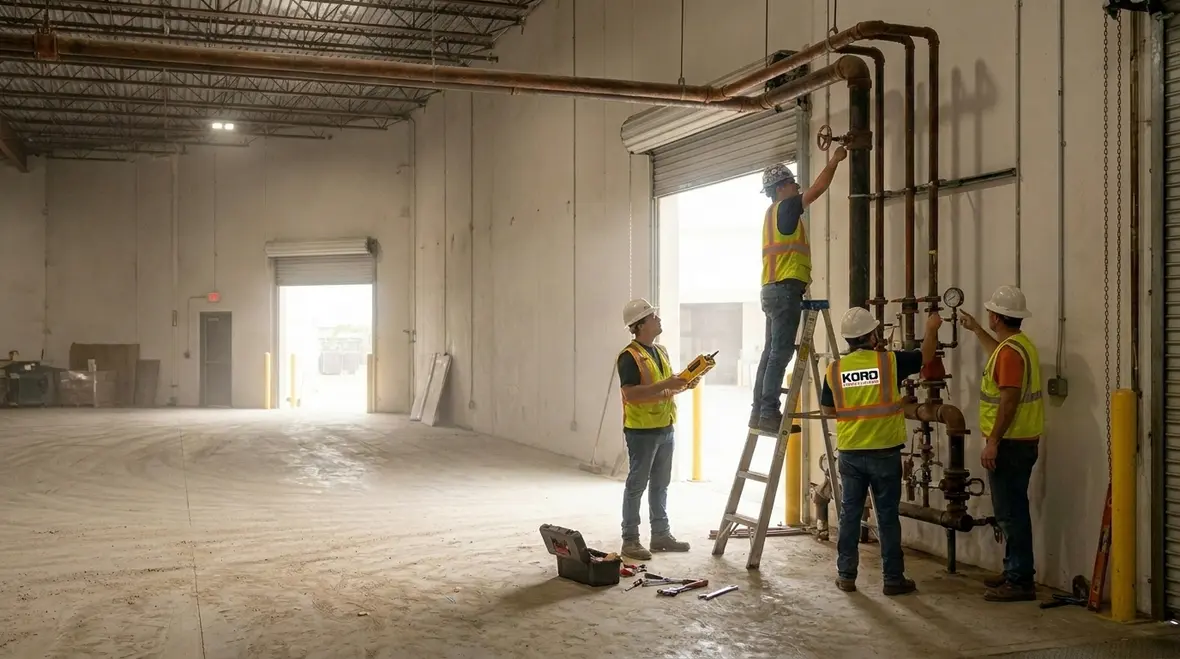
When sprinkler component action does not match expectations, the root causes usually fit familiar patterns. They may include device obstruction, improper maintenance, wiring issues, incorrect reset timing, or control logic mismatched to the system configuration. Sometimes the component functions, but the notification chain does not. That still counts as a deficiency because the intent of the system is not only discharge. It is detection and response.
Kord Fire Protection often sees these practical trouble spots during reviews:
- Supervisory signal gaps where monitoring does not reflect true device status
- Alarm path interruptions due to control room configuration changes or wiring shifts
- Reset delays where components restore to normal slower than expected
- Mechanical condition issues such as sticky mechanisms, corrosion, or contamination
- Documentation mismatch where as built records do not match field observations
And yes, sometimes the paperwork says one thing while the real world says another. That is not a comedy sketch unless nobody follows up.
What smart sites do when patterns repeat
When the same issue appears more than once, the right move is not to rename it and hope for a different result. Repeating faults deserve a broader review of maintenance history, controls integration, environmental conditions, and replacement timing. A site that investigates recurring causes usually spends less time chasing symptoms and more time restoring dependable performance.
Build an ongoing action program across industrial and retail sites
Facilities across Australia rarely stay still. New tenancies appear. Equipment changes. Controls get upgraded. Therefore, sprinkler component action follow up must work as a long term system, not a one off scramble.
An ongoing program should link inspections, testing, and deficiency handling into a single calendar. It should also connect to change management, so when a facility modifies controls or building layouts, the fire protection team can evaluate effects on monitoring and device behavior.
Kord Fire Protection acts as a steady partner for businesses with multiple facets: industrial operations that run hard, retail environments that want minimal downtime, and commercial sites that need predictable reporting. With that support, facilities can keep a consistent approach to deficiencies, closure verification, and the operational calm that comes from having a plan.
FAQ: NFPA 25 § 5.5 and sprinkler component action follow up
Need sprinkler component action follow up that stays audit ready
Facilities in Australia can keep compliance strong when they treat NFPA 25 sprinkler component action requirements as a managed process, not a one time inspection event. Kord Fire Protection helps coordinate deficiency follow up, schedule corrective work around operations, and verify closure with clear reporting. If a component activates or a problem appears, reach out to Kord Fire Protection for a steady, business friendly path from observation to resolution.
That approach gives facility teams something genuinely useful: confidence that alarms, supervisory functions, and sprinkler actions are not just assumed to work, but proven to work. Which is a much nicer feeling than discovering a lingering issue during an emergency, an audit, or one of those afternoons where the building suddenly decides to test everyone’s patience.

Join Our Newsletter!
Get the latest fire safety tips delivered straight to your inbox From our Newsletter.