
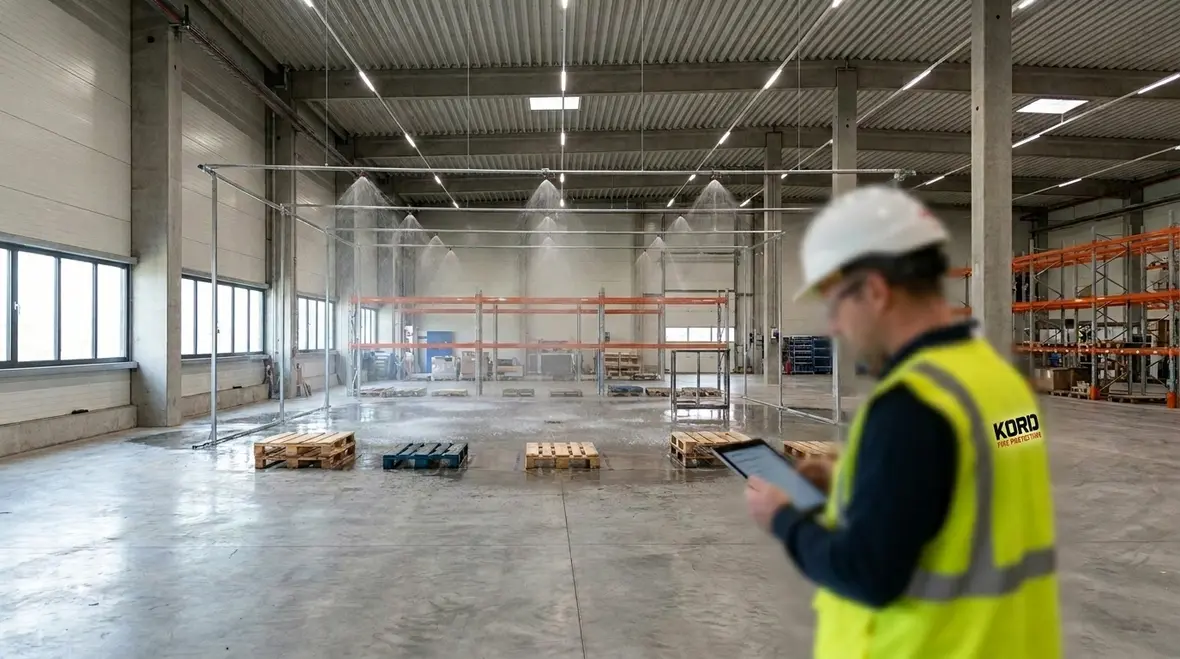
Industrial Fire Suppression System Guide by Kord Fire Protection
Every industrial facility needs the right protection plan, and the industrial fire suppression system often becomes the quiet hero on shift. It stands ready while forklifts roll, conveyors hum, and steam lines do their thing, like a calm bodyguard who never asks for overtime. In this guide, Kord Fire Protection will be discussed as a vital partner for industrial fire suppression systems, from design and installation to inspections and steady service that keeps compliance from turning into a surprise plot twist.
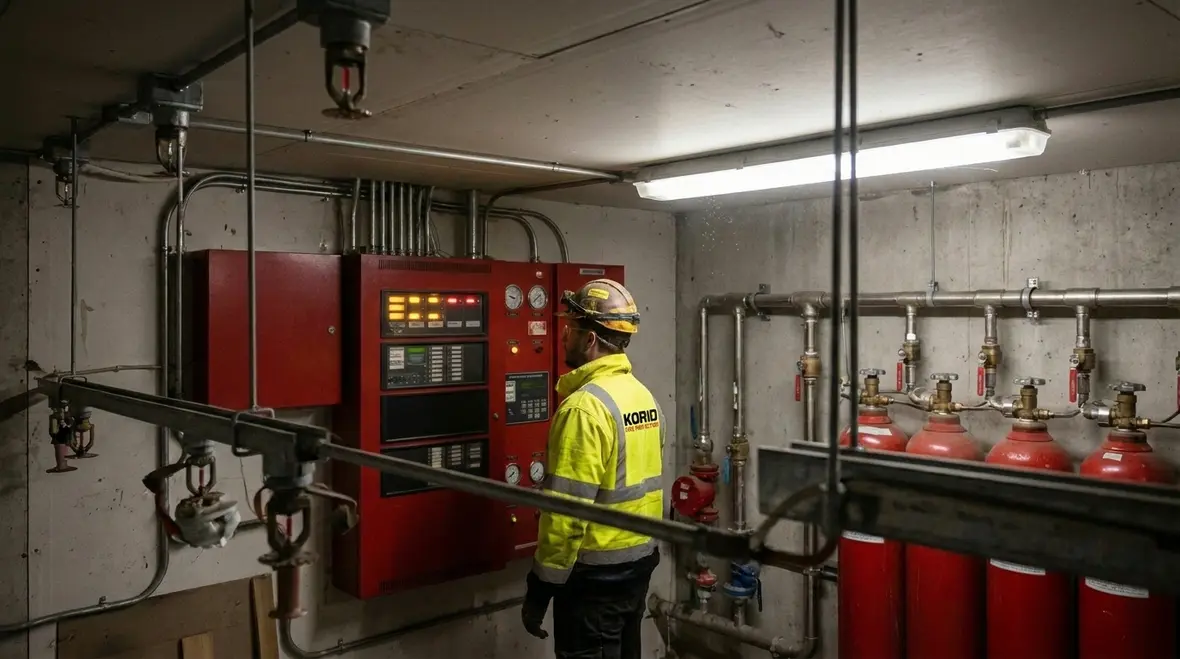
Industrial fire suppression systems: what they actually do
An industrial fire suppression system detects a fire, then releases the right extinguishing agent in the right place. That timing matters. Fire grows fast, and smoke reduces visibility, which makes evacuation harder. Therefore, the system focuses on speed, accuracy, and reliability rather than guesswork.
Most systems combine detection, controls, and discharge hardware. The detection side can use heat, smoke, or flame sensors depending on the risk. Then controls trigger alarms and release. Finally, valves, piping, nozzles, or cabinets deliver the agent. In simple terms, it creates a chain reaction that suppresses the fire before it spreads beyond the first alarm. And yes, that is as unglamorous as it sounds, but that is exactly why it works.
Industrial sites often face varied hazards, such as flammable liquids, combustible dust, high temperature processes, and stored materials. Because hazards differ, the selection of extinguishing method cannot be one size fits all. A system for a clean warehouse does not automatically fit a metal finishing area. Facilities that operate in large multi use buildings can also benefit from planning that aligns with broader life safety infrastructure, especially in complex properties that overlap with Los Angeles high rise fire protection systems considerations.
Choosing the right protection method for industrial hazards
Facility teams need to match suppression methods to fuel type, fire behavior, and room layout. Kord Fire Protection helps clients sort through that complexity by aligning risks with proven system designs. Their broader fire suppression services include commercial and industrial installation and maintenance across multiple agent types, which makes that matching process much more practical when the hazard list starts getting long. ([kordfire.com](https://kordfire.com/fire-suppression/?utm_source=openai))
Common approaches include these, depending on the site conditions:
- Water based systems for many general combustibles where appropriate
- Foam systems for flammable liquid risks, especially where seal integrity matters
- Clean agent systems for areas where water damage would be costly, such as certain equipment rooms
- Dry chemical systems where fast knockdown helps and piping layouts demand flexibility
- Specialized solutions for dust, rack storage, or high heat processes
In addition, designers consider ceiling height, obstruction levels, and HVAC airflow. A system can discharge on schedule and still underperform if air movement steals the agent. So, careful planning and field coordination matter at least as much as the equipment selection. Kord Fire Protection also publishes related resources on specialized solutions such as industrial foam fire suppression systems in Los Angeles and manufacturing plant fire suppression systems in Los Angeles, both of which reinforce how different hazards call for different strategies. ([kordfire.com](https://kordfire.com/industrial-foam-fire-suppression-systems-la/?utm_source=openai))
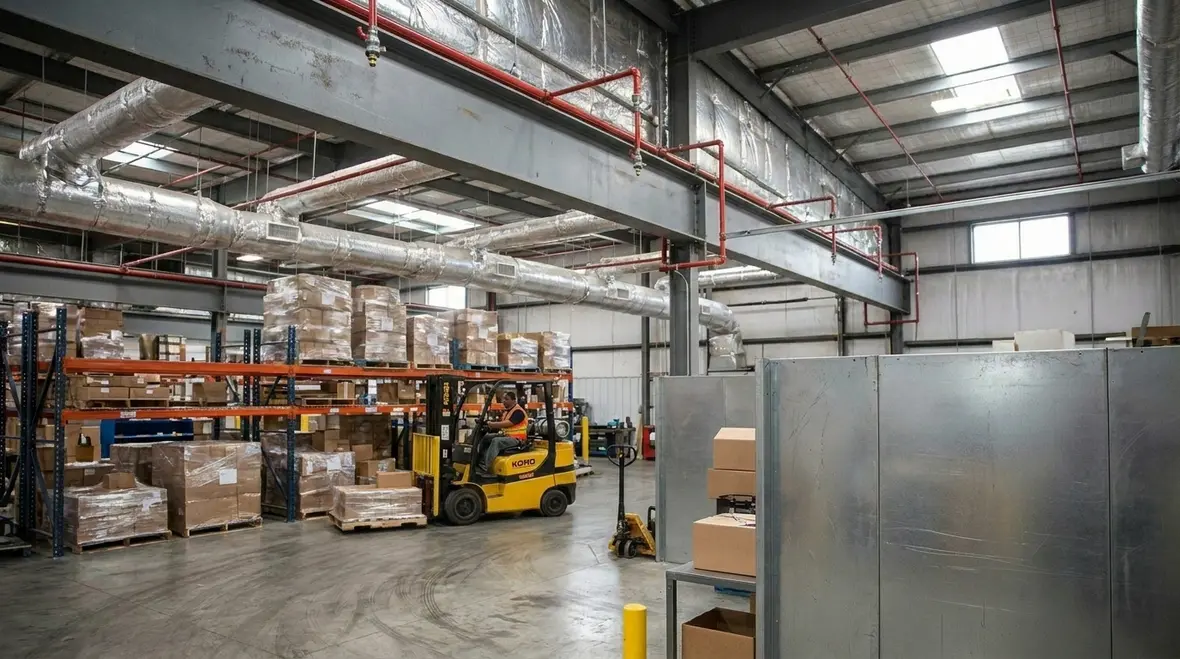
How design and layout prevent “we protected it, kind of” failures
Industrial fire suppression planning should look like a blueprint for action. If layout fails, the system can release into the wrong coverage area. That is why design goes beyond drawing lines. It includes coverage mapping, hydraulic calculations, and nozzle or discharge placement that matches the hazard profile.
For example, obstructions like beams, ductwork, and mezzanines can block distribution. Likewise, concealed spaces and complex piping routes can create dead zones where suppression does not reach. Therefore, installers and engineers must coordinate early with operations teams, not after walls get closed.
Kord Fire Protection supports facilities by building practical designs that match real spaces. Moreover, they help teams translate inspection expectations into install ready details. This reduces the chance of later corrections that cost money and disrupt production. The company presents itself as a full service partner across sprinklers, alarms, extinguishers, and suppression systems for industrial and commercial properties, which supports that design to service continuity. ([kordfire.com](https://kordfire.com/full-fire-protection-services/?utm_source=openai))
And yes, production schedules love to compress timelines. Still, fire protection should not get squeezed like a can of soda with the lid already bent. Systems need proper materials, correct fittings, and clean start up. When that coordination gets ignored, projects tend to drift from “engineered protection” into “well, we definitely installed some pipe,” and nobody wants that sentence appearing in a post incident meeting.
Why industrial coordination matters early
Industrial environments are rarely still. Equipment moves, utility runs change, mezzanines get added, and one “small” process tweak somehow becomes a permanent operating condition. Early coordination helps the suppression system stay aligned with the way the facility actually functions, not just the way the original plan set hoped it would function. That difference matters when a fast moving hazard is involved.
Installation, commissioning, and documentation that holds up
After design decisions come installation and commissioning. This stage determines how the system behaves when it matters most. Proper pipe support, correct hangers, and leak free connections must meet code requirements. Nozzle types, strainers, and valves need correct orientation and torque levels. Then the commissioning process verifies operation through tests.
Documentation is not paperwork for its own sake. It protects the facility, supports insurance discussions, and makes future inspections smoother. Typical deliverables include as built drawings, inspection schedules, maintenance logs, and training notes for facility staff.
At this point, Kord Fire Protection can act as a steady partner. They help clients keep records organized and help operations teams understand how alarms behave and what actions staff should take when a system signals trouble. Their service pages emphasize compliance focused inspection, testing, repairs, and readiness support across Southern California facilities. ([kordfire.com](https://kordfire.com/full-fire-protection-services/?utm_source=openai))
Because the alternative is the classic “find the binder” routine during an emergency. That is not a business strategy. That is a scavenger hunt. A good commissioning handoff gives teams more than signatures. It gives them clarity about what has been installed, how it reacts, what needs follow up, and who to call before a minor issue graduates into a very expensive headline.
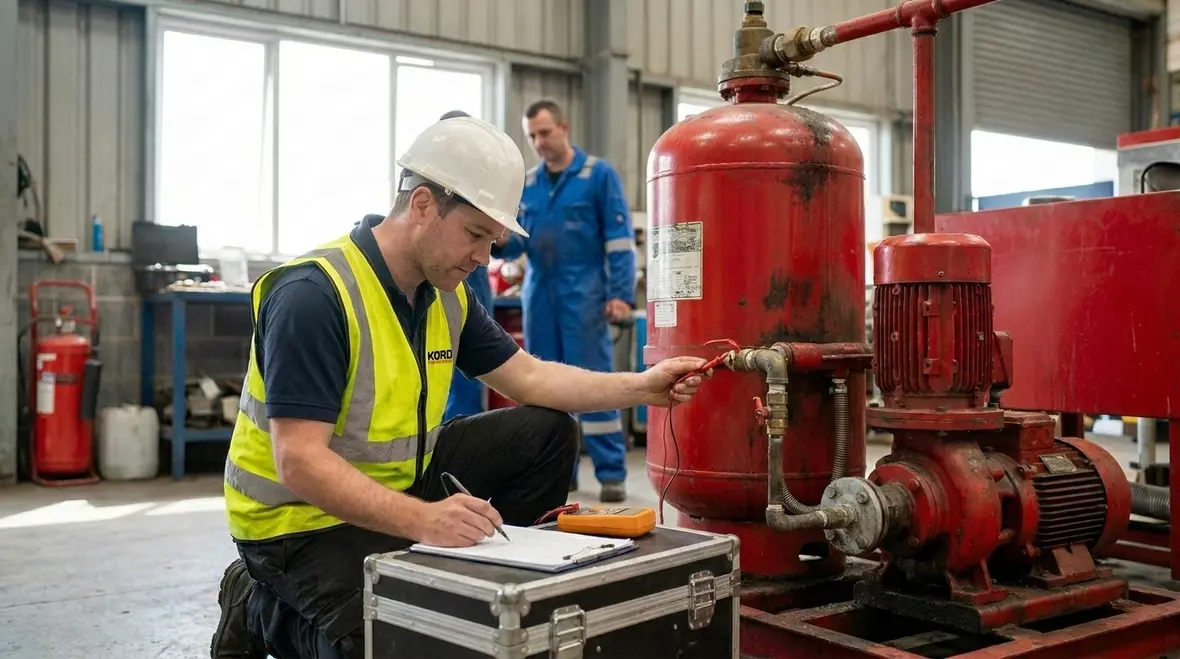
Inspection, testing, and maintenance for long term reliability
Fire suppression systems do not remain perfect just because they were installed once. Components age, valves stick, sensors drift, and minor damage can grow over time. That is why routine inspection and maintenance matters for both safety and uptime.
Maintenance often includes verifying pressure levels, inspecting valves, testing alarms and supervisory signals, and checking nozzles and agents. Technicians may also clean detection devices, inspect tanks and pumps, and confirm that control panels respond correctly. Kord Fire Protection states that suppression systems require inspection and testing on a semi annual basis, and its broader service offering includes scheduled inspections, routine testing, preventive maintenance, repairs, and upgrades across suppression and related systems. ([kordfire.com](https://kordfire.com/fire-suppression/?utm_source=openai))
Transitioning between “maintenance window” and “production window” can be hard, yet it can be managed with a plan. Therefore, a service schedule should match facility risk and operating cycles. Kord Fire Protection helps build a program that supports compliance without turning every visit into a shutdown event. Their industrial and manufacturing focused pages repeatedly frame fast response, code compliance, and reduced downtime as central goals for facility owners. ([kordfire.com](https://kordfire.com/los-angeles-county-fire-protection/industry-fire-protection-services/?utm_source=openai))
Additionally, after any system use or meaningful repair, a full review helps confirm the system returns to baseline performance. In industrial settings, even small changes can affect flow, coverage, or sensor response. That follow through is not glamorous either, but the least glamorous tasks in fire protection often deliver the best outcomes. Funny how that works.
What reliable service programs usually cover
A strong service program usually includes recurring inspections, testing checkpoints, corrective repair tracking, documentation updates, and clear communication with facility staff. It should also leave room for the real world, because industrial facilities do not operate on the fantasy schedule where every shutdown window is long, peaceful, and perfectly staffed.
Integration with alarms, evacuation plans, and incident response
An industrial fire suppression system works best when it connects to the larger safety strategy. Detection triggers alarms, but alarms must also drive actions. That means clear procedures for facility staff, fast communication paths, and training that matches the hazards on site.
For many facilities, incident response includes steps like shutting down critical equipment, isolating processes, and coordinating with emergency responders. Suppression discharge can support those steps, but it also changes conditions. Smoke patterns, access routes, and electrical hazards all need attention.
Therefore, safety leaders should review suppression and alarm logic together. They should confirm that control panel signals map to facility roles. And they should verify that local emergency services understand the facility layout and system types. Kord Fire Protection’s alarm and full service pages highlight inspection ready systems, professional response, and coordination across multiple life safety components rather than treating alarms and suppression like isolated islands. ([kordfire.com](https://kordfire.com/fire-alarm-service-systems/?utm_source=openai))
Kord Fire Protection can help connect those dots by aligning system capabilities with practical response planning. When the plan and the equipment speak the same language, the entire operation gets calmer under pressure. Calm is underrated. Calm saves time. Calm reduces chaos. Calm also prevents the “someone grabbed the wrong extinguisher” moment. We all know that one.

FAQ on industrial fire suppression system service
Conclusion: partner with Kord Fire Protection for safer uptime
Industrial fire protection should not be treated like a yearly checkup that people forget to schedule. A properly designed industrial fire suppression system, paired with consistent inspections and smart response planning, helps facilities protect people, assets, and production continuity. Kord Fire Protection supports industrial sites with service that stays organized, compliant, and practical. Their company and service pages emphasize scheduled inspections, maintenance, repairs, and readiness across industrial and commercial environments, which makes them a sensible partner for facilities that cannot afford uncertainty. ([kordfire.com](https://kordfire.com/?utm_source=openai))
Take the next step and request an assessment for your facility through Kord Fire Protection’s Industry Fire Protection Services page or explore their broader full fire protection services for inspection, testing, and long term support. Then let the system do what it was built to do, while your team focuses on running the plant. ([kordfire.com](https://kordfire.com/los-angeles-county-fire-protection/industry-fire-protection-services/?utm_source=openai))

Join Our Newsletter!
Get the latest fire safety tips delivered straight to your inbox From our Newsletter.



