
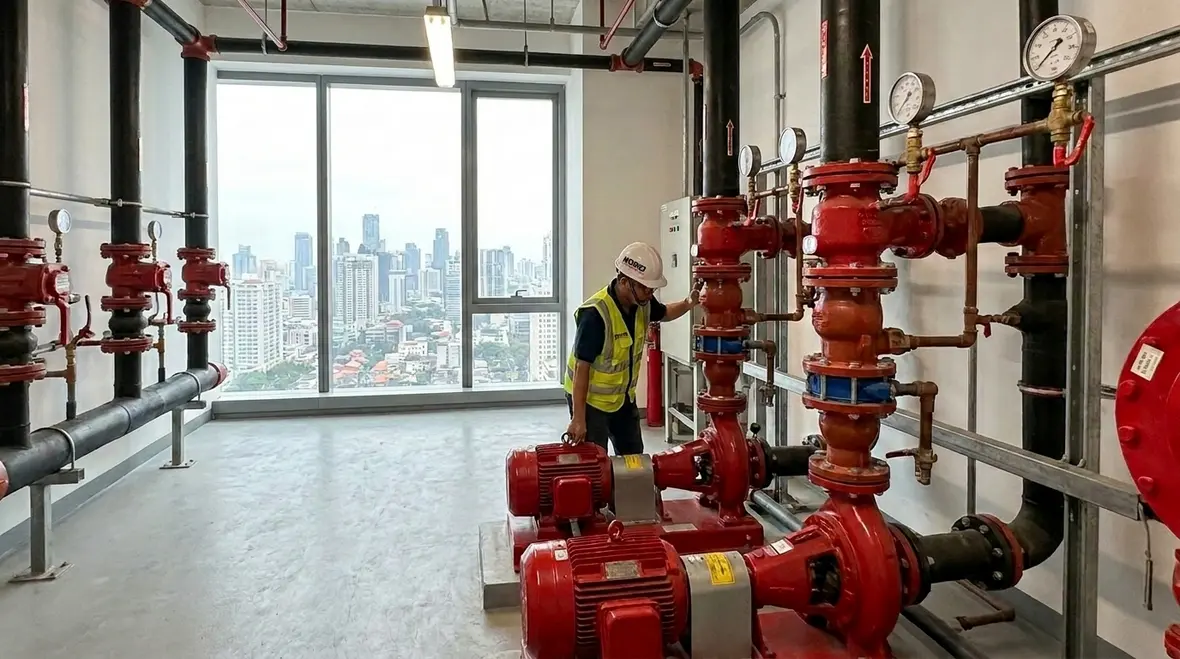
High Rise Fire Suppression System Design and Maintenance
In the world of tall buildings, the high rise fire suppression system is not a “nice to have” feature. It is a mission critical layer of protection that helps contain flames, control heat, and support safe evacuation. And yes, it has to work even when smoke alarms are screaming and the building management is busy doing math they should not be doing. Because when people live or work high above the street, fire behavior changes, access gets harder, and timing matters.
So, this article walks through how these systems work, how they get designed, and how ongoing service keeps them ready. More importantly, Kord Fire Protection can become a vital partner, turning compliance paperwork into real world readiness.
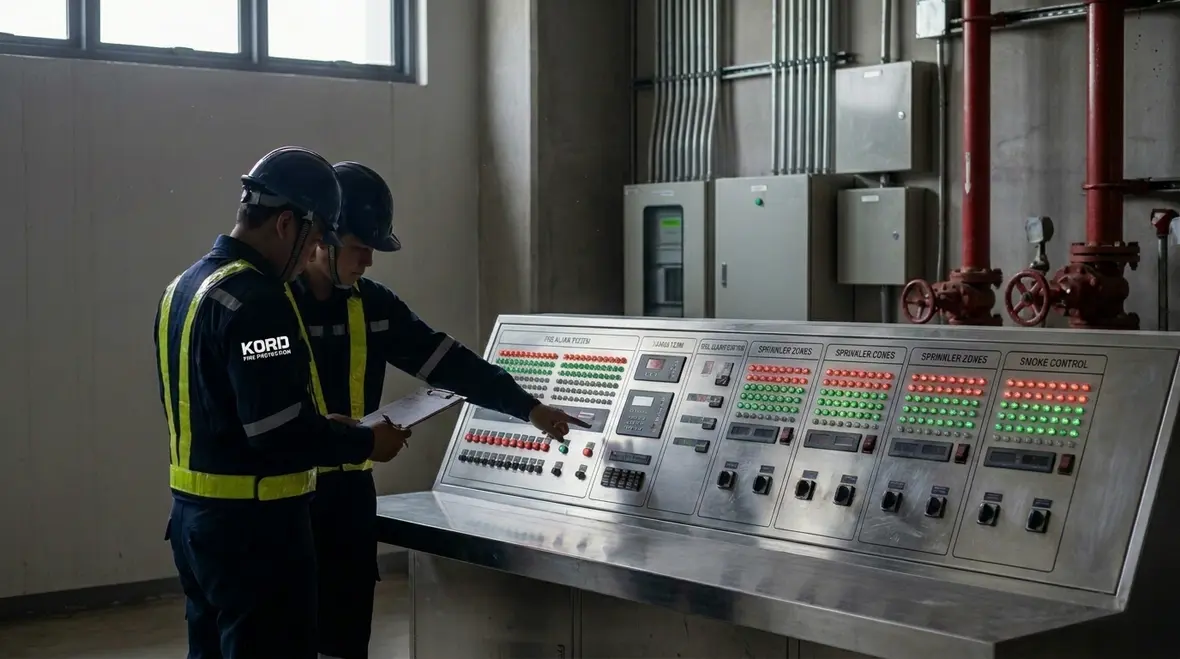
What a high rise fire suppression system must do
High rise fires act differently than low rise events. Heat rises quickly, corridors act like wind tunnels, and smoke spreads fast through vertical paths such as stairs, shafts, and mechanical spaces. Therefore, the high rise fire suppression system must focus on control and survivability, not just “putting out a small fire.”
Typically, the system aims to achieve several outcomes at once. First, it controls the fire in its early stage. Second, it limits spread to other floors and adjacent rooms. Third, it protects means of egress so people can move safely. Finally, it supports firefighter operations by reducing heat and visibility hazards. In other words, it buys time.
And time is the currency of fire safety. Without it, every decision becomes harder, and no one wants to find out how fast the building can turn into a real life action movie. The problem is, fires do not take breaks between scenes.
Why containment matters before crews reach the upper floors
In a high rise, the first few minutes are everything. Firefighters may need extra time to access the fire floor, connect to standpipes, evaluate smoke movement, and coordinate occupant movement. A suppression system has one job in that window: keep conditions from spiraling. That means reducing heat release, slowing flashover risk, and preserving tenable spaces long enough for people to get out and responders to move in.
This is also why tall building protection is never about one component in isolation. Suppression works best when it supports alarms, smoke control, standpipes, and emergency response procedures at the same time. If one piece lags, the whole plan starts sweating.
Common system types for tall buildings and where they fit
Different high rise designs call for different suppression strategies. Engineers select approaches based on occupancy, floor layout, ceilings, hazard level, and how smoke and water will behave in that space.
Sprinkler systems remain a core choice. They deliver water close to the fire area and limit damage while occupants exit. In high rise settings, design often includes multiple zones and careful pressure calculations so each level performs properly. For buildings that need dedicated sprinkler support, Kord Fire Protection also provides fire sprinkler system service for installation, maintenance, and repair.
Water mist systems can offer fine droplet discharge for certain hazard spaces. They help cool and control, with less water impact than traditional sprinklers in some areas. They also fit well where water damage is a concern.
Gaseous or clean agent systems appear in specific rooms such as telecom, electrical, or server areas. These systems reduce oxygen or release agent that interferes with fire chemistry. However, they require strict controls, because these areas can have people nearby and the discharge must be coordinated with alarms and ventilation.
Special hazard systems address kitchens, fuel storage, boiler rooms, and other concentrated risk areas. These spaces may need pre engineered suppression or foam based solutions depending on fuel type and operations.
As a result, a high rise project usually includes more than one suppression method, carefully matched to the building’s actual use. That is also where good partnership helps, because a “one size fits none” approach is how small mistakes become expensive traditions.
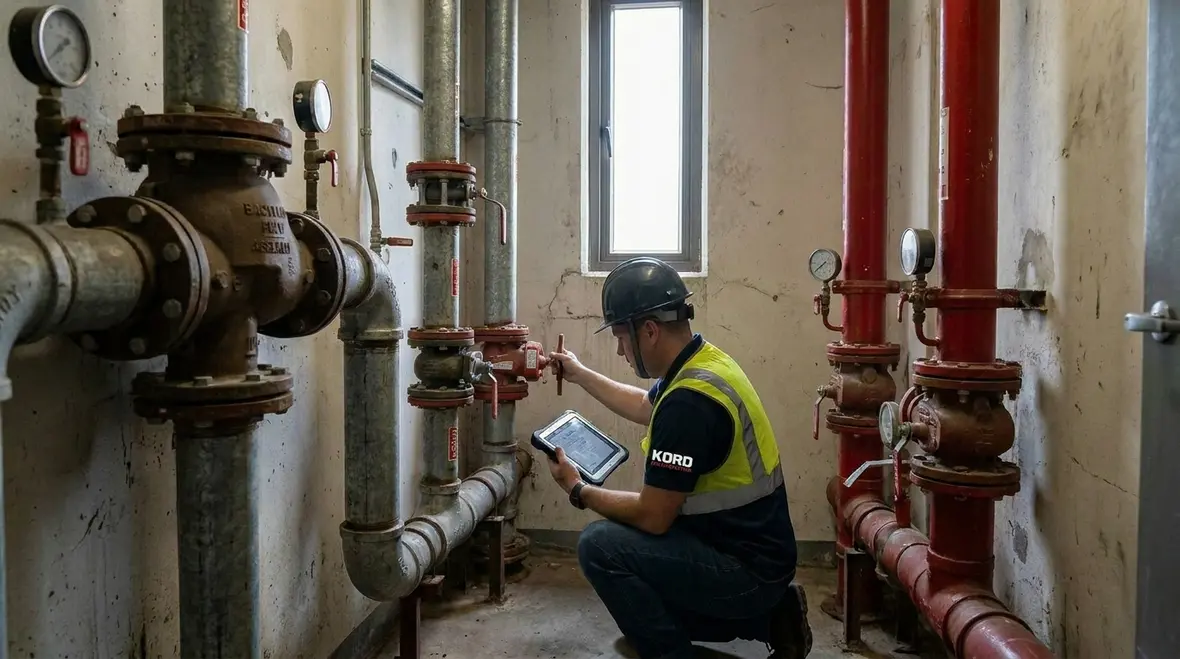
Matching the method to the hazard instead of forcing the hazard to cooperate
A luxury apartment tower, a medical office building, and a mixed use downtown property may all count as high rises, but they do not behave the same under fire conditions. Room contents differ. Electrical loads differ. Occupant density differs. Even ceiling architecture can change how suppression performs. That is why system selection is less like choosing from a menu and more like building a team where every player actually knows the assignment.
How design and zoning reduce risk floor by floor
High rise buildings involve vertical complexity. Therefore, proper design focuses on zoning, hydraulics, and how water moves during operation. Engineers consider hose stream needs, sprinkler spacing, and pressure loss across standpipes and risers.
They also plan for how the system responds to fire conditions. Zone control helps limit discharge to the area of origin rather than flooding the entire building. Additionally, the design coordinates with detection and alarm systems so suppression activates at the right moment.
Zoning also affects maintenance. When a building uses clear zone boundaries, technicians can isolate sections safely and test performance without taking the entire life safety system out of service. That keeps the building operational while still protecting residents and staff.
Furthermore, high rise designs must account for power reliability. Control panels, pumps, and valves depend on consistent power and backups. If the system loses readiness during a storm, a test, or a renovation, the risk jumps fast. In that sense, design sets the foundation, but service keeps it standing.
In Los Angeles high rises, pump support and standpipe coordination are especially important because water has to reach upper floors reliably and without drama. Readers who want a related deep dive can also explore Kord Fire Protection’s guide to high rise fire pump systems in Los Angeles, which connects pressure, performance, and readiness in a way building teams can actually use.
Why floor by floor planning saves pain later
When zoning is handled well, future inspections, repairs, and tenant improvements become much more manageable. When it is handled poorly, even a routine test can feel like open heart surgery with clipboards. Good design simplifies isolation, minimizes unnecessary shutdowns, and gives building teams a cleaner roadmap when something needs attention fast.
Installation, testing, and documentation that owners can trust
After design, installation quality determines real performance. Therefore, contractors follow manufacturer specs, local codes, and the engineered drawings. They verify pipe routing, valve placement, sprinkler selection, and controller programming.
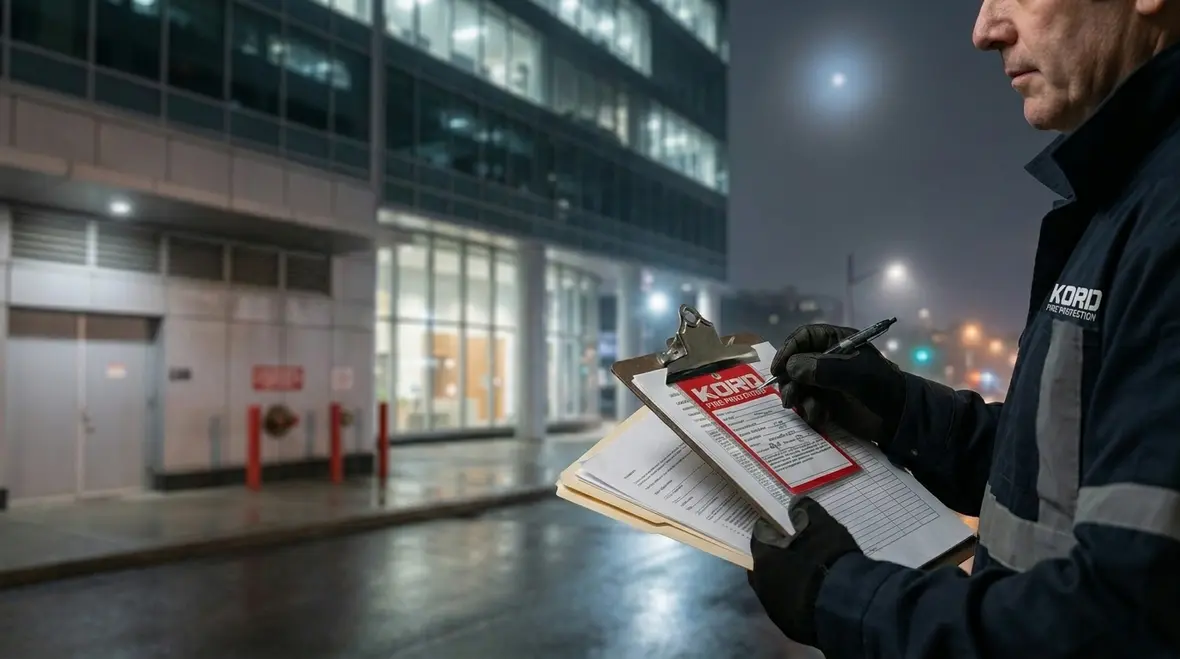
Once installed, testing confirms function. Technicians check alarm interfaces, pump operation, valve supervision, and water supply readiness. They often perform hydrostatic tests, flow tests, and inspection of monitoring points. Then they document results so the owner has a clear audit trail.
Documentation matters because it turns uncertainty into proof. It also helps during insurance review, tenant requests, and building inspections. Nobody enjoys re explaining the same story every year, especially when the plot keeps changing.
And this is where Kord Fire Protection can contribute as a vital partner. They support teams with careful commissioning guidance and ongoing verification, so the system does not sit idle waiting for “the day it matters.” Kord helps align installation details with practical inspection needs, which keeps compliance from feeling like a surprise pop quiz.
For pump related verification, Kord also offers a practical resource on fire pump testing requirements, which is useful when owners want a clearer picture of how routine and annual testing support dependable high rise water delivery.
Maintenance plans that keep the suppression system ready
A suppression system does not age gracefully. Over time, valves stick, pressure changes, inspections get skipped, and minor problems turn into major failures. So maintenance must be planned, tracked, and performed on schedule.
Good maintenance typically includes visual inspections, valve testing, fire pump checks, backflow preventer inspections, and sprinkler condition reviews. It also includes verifying that system controls match the building’s current layout, especially after tenant improvements and space conversions.
In high rise buildings, maintenance needs coordination. Access to risers and floors requires scheduling, and downtime impacts operations. Therefore, service teams plan testing windows, isolate affected zones, and communicate clearly with building staff.
Meanwhile, Kord Fire Protection brings a partner mindset. They help owners manage the whole lifecycle, so maintenance stays proactive instead of reactive. In other words, it reduces “we will fix it later” decisions, which is fire safety’s least favorite strategy.
The maintenance issues that love to hide in plain sight
Some problems announce themselves. Others absolutely do not. A control valve in the wrong position, a painted sprinkler, a pressure anomaly, or a forgotten change after a tenant remodel can sit quietly until the worst possible moment. Regular service is what catches the quiet problems before they become loud ones.
Working with Kord Fire Protection as a vital partner
High rise life safety depends on more than equipment. It depends on service quality, response readiness, and consistent documentation. Kord Fire Protection can become a vital partner by helping buildings manage inspection timelines, oversee system performance, and keep the suppression strategy aligned with real site conditions.
When a maintenance program includes clear reporting, owners gain visibility. They can see what was checked, what was found, and what needs attention next. That clarity improves budgeting and helps prevent last minute escalations.
Additionally, Kord can support teams through changes like renovations, tenant turnover, and system upgrades. Those events often affect piping routes, electrical interfaces, and hazard classification. So, instead of treating modifications as a separate project, Kord helps keep suppression readiness connected to the building’s evolving reality.
And yes, this kind of partnership can feel boring in the best way. It is the “boring” that keeps fire safety systems dependable, like a seatbelt that never gets applause but saves the day.
Featured FAQ
Call Kord Fire Protection for a high rise readiness review
High rise fire protection requires planning, correct installation, and consistent service. When owners treat the high rise fire suppression system like a living safety program, they reduce risk and protect people more effectively. If your property also needs broader tower specific planning, Kord Fire Protection offers a dedicated resource for Los Angeles high rise fire protection systems that connects the larger strategy across alarms, suppression, standpipes, and inspections.
Near the end of the process, many owners also benefit from a direct service conversation. Kord Fire Protection can help evaluate current readiness, strengthen maintenance routines, and align documentation with real site conditions through its broader fire protection services in Los Angeles. Take the next step and request a readiness review today. Because when fire shows up uninvited, preparation is the only thing that can meet it on time.
What this means for owners
The strongest high rise protection programs are not built on luck. They are built on smart design, correct installation, clear documentation, and maintenance that keeps pace with the building itself. That combination gives owners better visibility, fewer surprises, and a system that is ready when it matters most.
Why partnership matters
Kord Fire Protection helps turn a long checklist into an organized safety program that actually supports the people inside the building. And frankly, that is the kind of quiet reliability every high rise deserves. No drama. No guesswork. Just protection that shows up ready.

Join Our Newsletter!
Get the latest fire safety tips delivered straight to your inbox From our Newsletter.



