High-Rise Fire Alarm Integration with Kord Fire Protection
High-Rise Fire Alarm Integration is where the big picture meets the fine print, especially when multiple alarms, panels, and life safety systems must work together without drama. In complex towers, kord fire protection technicians guide owners and facility managers through coordination, commissioning, and ongoing change management so alarms respond the way they are supposed to, when people need them most. And yes, the goal is simple: clear alerts, correct locations, and a system that behaves like a pro, not like a confused reality show contestant.
Why high-rise alarm coordination becomes a real project
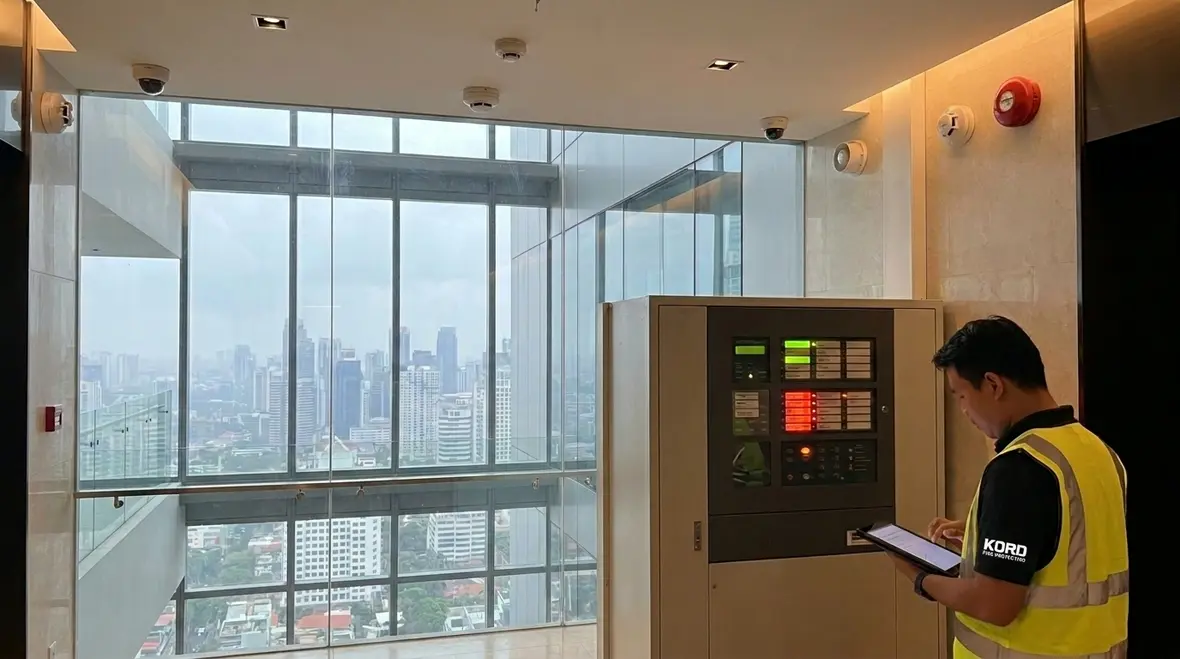
In a low-rise building, one alarm system can feel like a single team. In a high-rise, it becomes a whole sports league. Zones, floors, risers, elevators, HVAC shutdown, and notification devices all need to talk to each other in the right order. If one part communicates poorly, the rest can look fine while the outcome falls apart.
kord fire protection technicians often start by mapping how a building moves. They review where fires start, where heat travels, and how smoke spreads. Then, they align the alarm design to those realities. Because when the system triggers, it must guide occupants and support emergency response, not just make noise.
Also, the coordination effort grows when the building has upgrades, tenant improvements, or past repairs. A modern tower can have wiring from different eras, panels from different generations, and add-ons that were installed “temporarily.” Temporary in construction usually means it will stay forever, like that sock you cannot find the partner for.
How engineers and technicians build a single alarm “language”
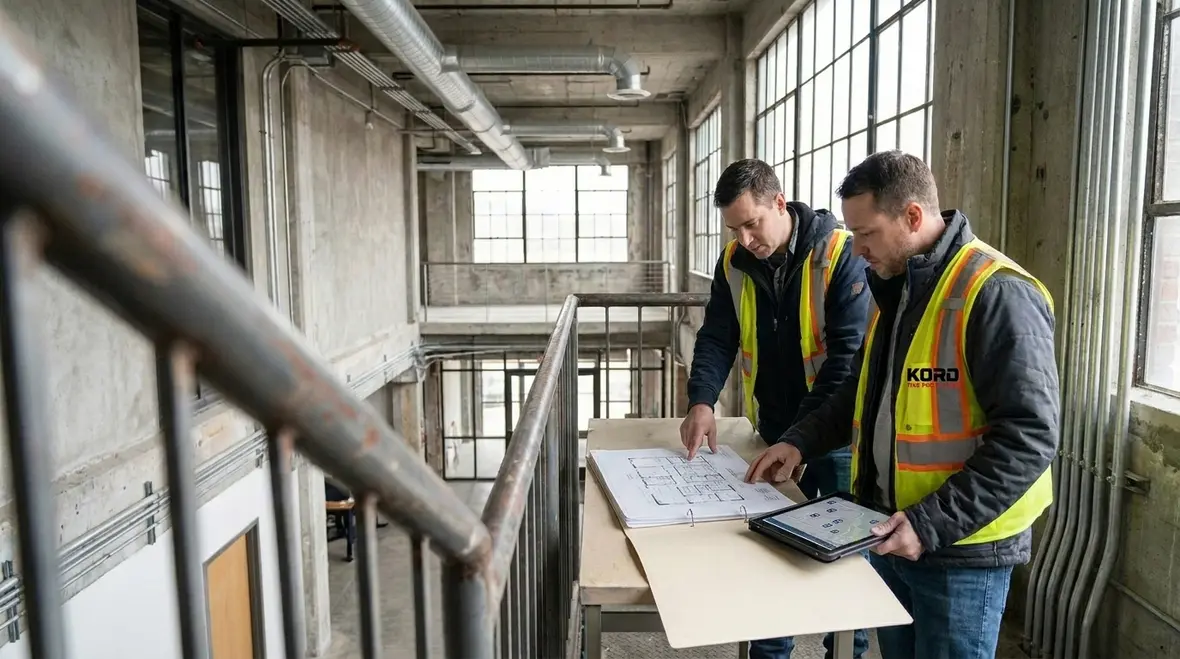
High-rise alarm planning works best when it turns many subsystems into one clear language. That language includes consistent zoning rules, shared addressing standards, and notification patterns that match each threat level. kord fire protection technicians explain that the best designs avoid surprises by defining how each device reports, how each panel interprets, and how each building response activates.
First, they align the system architecture. This often includes fire alarm control panels, remote annunciators, booster power supplies, trouble reporting paths, and signaling circuits routed to notification appliances. Next, they define how signals travel. For example, how a device activates a zone, how that zone maps to a floor display, and how the building identifies the location to responders.
Then they handle the behavioral layer, meaning the timing and sequence. When a detector activates, the system should not scramble. It should follow a set path: alarm verification steps if used, trouble vs alarm distinctions, and activation of the correct outputs, such as doors or elevator recall logic. Transitioning from one output to the next must happen in a way people can understand under stress.
Finally, they validate the “story” the system tells. That is where coordination becomes practical. kord fire protection technicians will often run scenario walkthroughs: a detector in one stair, smoke on a high floor, waterflow at a riser, or a supervisory event from a valve. Each scenario forces the system to show whether it communicates location and severity clearly.
Coordinating complex systems across floors and life safety zones
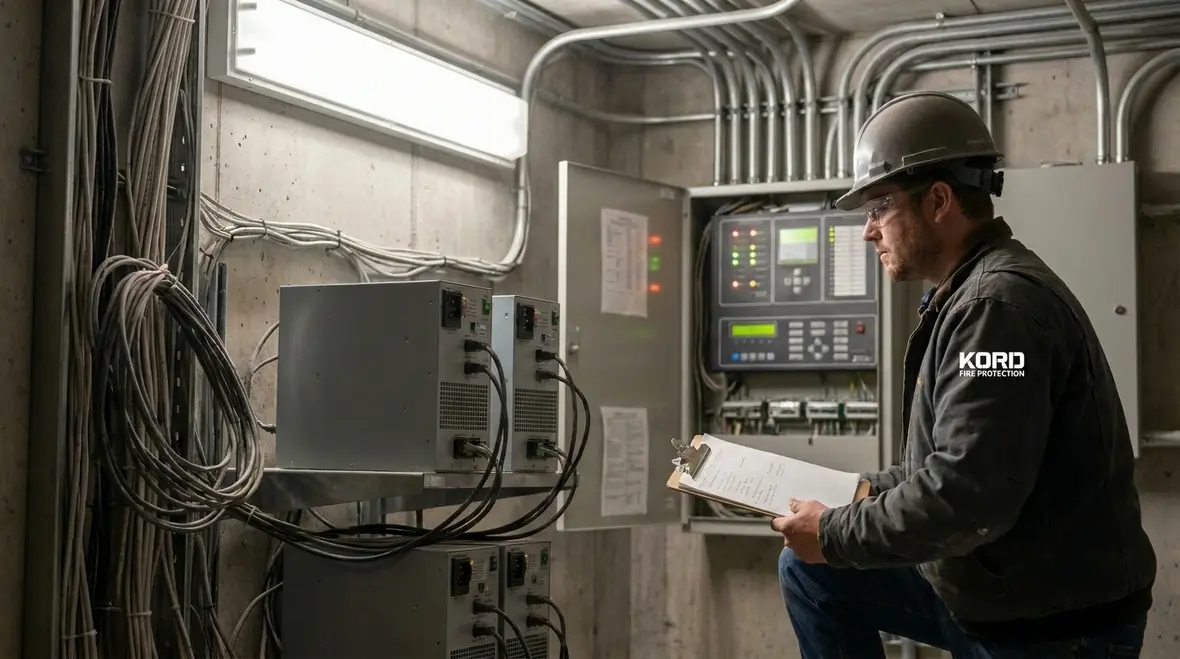
In tall structures, fire does not respect floor lines. Therefore, coordination must consider vertical spread and horizontal smoke movement. High-rise fire alarm integration succeeds when it supports evacuation and response in a predictable way from the first alarm through the last notification.
To achieve that, technicians coordinate zone layout with building use. A mechanical floor, a hotel corridor, and a mixed-use office area each behave differently. They also coordinate with door types, stair pressurization, and smoke control sequences so the alarm is not merely a warning. Instead, it becomes part of the building’s defense strategy.
Another factor is the interface with other building systems. When the alarm triggers HVAC shutdown, dampers, or elevator recall, the sequence must align with the rest of the life safety plan. If an interface is delayed or misread, the alarm can do its job while other systems fail to do theirs. That is why kord fire protection technicians emphasize testing the interface, not just the wiring.
They also focus on consistent reporting. A dispatcher or responding crew needs to know the exact location without guesswork. So the system should present the alarm on the correct floor display, with clear device labeling and accurate point maps. When labeling drifts, confusion shows up later, usually at the worst time, like a phone battery dying at the checkout line.
Commissioning, testing, and documentation that won’t leave gaps
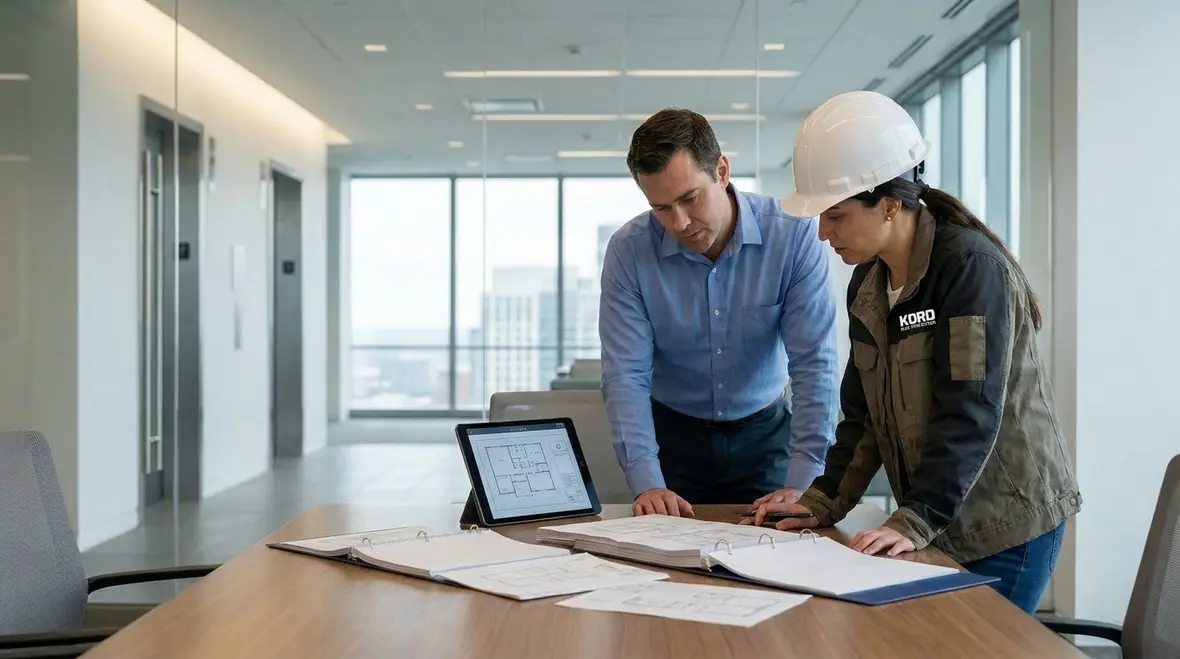
Coordination does not finish at installation. In fact, the best results come from commissioning and verification that match how the system runs under real conditions. kord fire protection technicians treat commissioning like quality control with a clipboard and a sense of duty. They check how the system behaves across multiple panels and how it reports alarms to remote locations.
Testing often includes staged alarms and supervised events. For example, they verify that a trouble condition routes to the right management platform, that alarm signals trigger the intended notification patterns, and that each floor display reflects the right device location. They also test reset behavior. A system should reset cleanly when appropriate, without leaving any devices in a partial state.
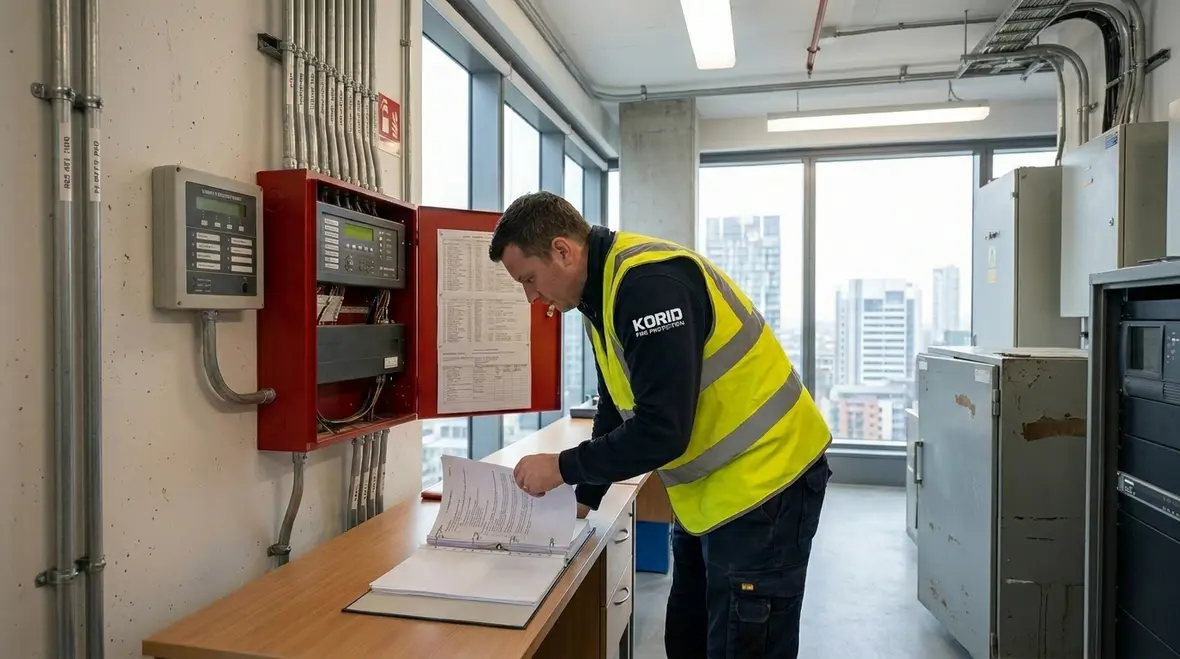
Importantly, they document everything so future changes do not break the logic. As-built drawings, device schedules, panel programming notes, and point-to-floor mapping should match what is actually installed. If the building changes later, the documentation becomes the map that guides technicians and reduces risk. Without it, high-rise fire alarm integration can become a guessing game, and nobody should be guessing during an emergency.
Because documentation helps operations too. Facility teams can run drills with less friction, respond to trouble reports faster, and coordinate maintenance without disrupting life safety functions.
Preventing trouble events and reducing nuisance alarms
Nuisance alarms burn trust. They train occupants to ignore alarms, which is the opposite of what a life safety system should do. In high-rise buildings, nuisance risk often comes from device sensitivity, dirty detectors, loose connections, and poorly coordinated reset logic after maintenance.
kord fire protection technicians typically tackle this with a focus on stability. They evaluate detector types for the space, verify spacing and coverage, and confirm wiring integrity. Then they coordinate how panels treat abnormal conditions, such as open circuits, ground faults, and supervisory states from sprinkler components. For more on detection systems, explore commercial fire alarm systems and early threat detection.
They also help reduce confusion between trouble and alarm. When a system reports trouble that looks too similar to alarm behavior, teams may respond incorrectly. Therefore, they verify that the notification and display logic clearly separates trouble from alarm. They also confirm that the building management response plan matches the system messaging.
To keep things calm, they recommend maintenance routines that fit the building schedule. Testing schedules should include dust control checks, battery health reviews, and device cleaning when appropriate. And yes, they still remind teams that “we’ll do it next month” often turns into “we forgot.” That phrase is popular, like a movie sequel no one asked for, so technicians try to stop it early.
Dual columns for common coordination challenges and how kord technicians handle them
Challenge
Inconsistent device labeling across floors
Mixed panel generations after renovations
Interface timing issues with elevators and HVAC
Zone mapping that does not match evacuation routes
Maintenance causing partial reset states
How technicians coordinate the fix
They align point maps to floor displays and update labeling so responders see the right location on the first glance
They verify communication paths, confirm compatibility for notification zones, and recheck programming so outputs stay aligned
They test the full trigger sequence, not just the signal, so life safety actions occur in the intended order
They rework zoning logic to match building layout so alarms guide people toward safe paths
They confirm reset behavior across panels, circuits, and interfaces to prevent lingering states after service
Long-term upgrades, change control, and keeping the system dependable
High-rise fire alarm integration must handle the reality that buildings grow, change, and get renovated. A tower might add tenant spaces, reconfigure corridors, or swap out mechanical rooms. Every change can affect detection coverage, wiring paths, or interface logic with other systems.
To keep risk low, kord fire protection technicians recommend strong change control. That means every modification follows a defined process: review the impact, verify the new device behavior, test affected zones, and update documentation. The goal is simple. The system should remain dependable even as the building evolves.
When upgrades happen, technicians coordinate between stakeholders: building engineers, electrical contractors, alarm vendors, and operations staff. Because coordination is not just technical. It also includes scheduling, access planning, and how alarms are managed during testing. If a building runs normal operations during work, teams must protect safety while still verifying performance.
They also encourage routine drills and inspections that reflect real building conditions. A test once a year in a dry scenario does not always match the environment inside a high-rise. Therefore, technicians may adjust maintenance plans based on dust levels, occupancy changes, and prior trouble history.
Finally, they treat training as part of the system. Facility teams should understand what alarm messages mean, how to respond to trouble calls, and who to contact when issues appear. When people understand the system, the system works better. That is the business case and the safety case, both at the same time.
FAQ
Conclusion and CTA
High-rise alarm coordination is not a one-time install. It is a careful process of planning, testing, documentation, and change control that keeps life safety dependable as the building evolves. kord fire protection technicians help teams build a single alarm “language,” verify interfaces, reduce trouble events, and maintain clear floor level reporting.
If a tower needs clearer alarm coordination or a safer upgrade path, reach out to start an assessment. Explore professional support through Kord Fire Protection services and get a plan that works in real emergencies, not just on paper.

Join Our Newsletter!
Get the latest fire safety tips delivered straight to your inbox From our Newsletter.