Fire Hydrant Maintenance Essentials for Standpipe Reliability
Fire hydrant maintenance essentials are not optional, especially for standpipe systems that must perform when a building decides to have a bad day. Kord Fire Protection technicians explain that reliable flow depends on more than “looks good from the curb.” Instead, it comes from disciplined inspection, careful testing, and tidy records that help crews act fast and avoid surprises. Meanwhile, property teams often treat maintenance like a to do list that mysteriously keeps shrinking, like a pop up ad that somehow still appears. Yet standpipe reliability does not run on hope. It runs on procedures.
What Kord Fire Protection technicians recommend for dependable standpipe uptime
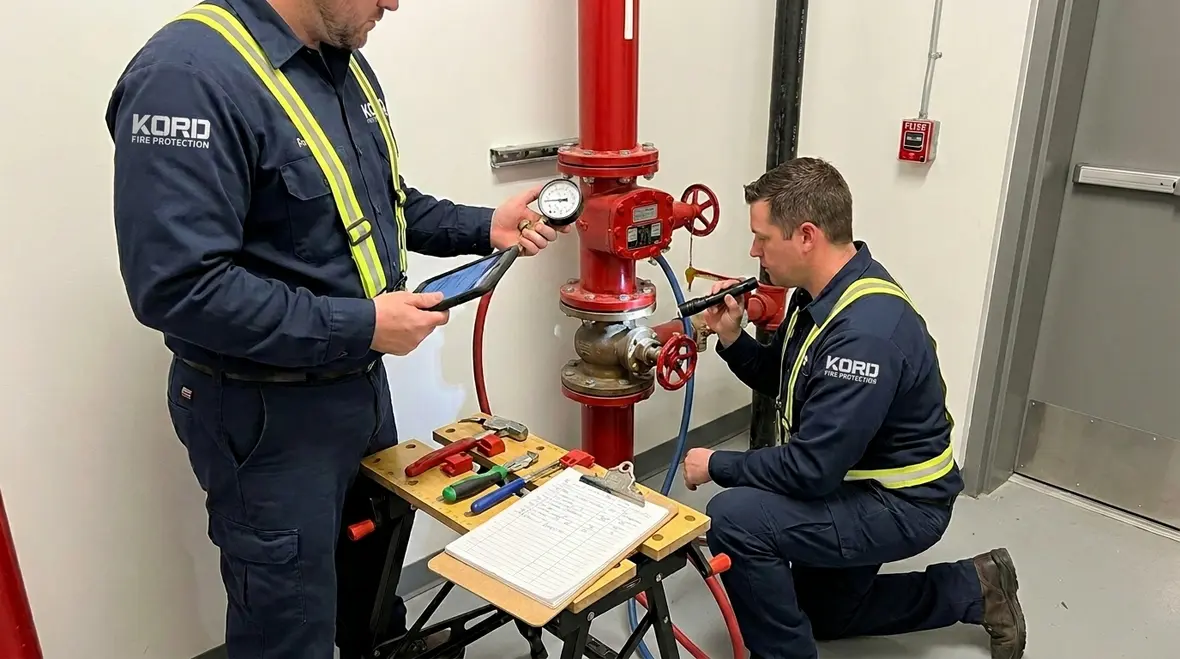
Third person teams that manage standpipe systems should build a maintenance routine that covers both the visible parts and the hidden ones. Kord Fire Protection technicians typically start with a baseline plan that maps the system locations, water sources, and access points. Then they tie each task to a clear standard and a simple reason. For example, they verify that valves move smoothly before anyone needs them under stress. In addition, they check that components stay aligned with local codes and the building’s design intent.
As a result, the maintenance program becomes less about random fixes and more about prevention. And yes, prevention feels less exciting than the emergency call. But it is cheaper than the “we need this yesterday” panic, which is a favorite plot twist of every fire drill and every disaster movie.
Standpipe system inspection routine that actually finds problems early
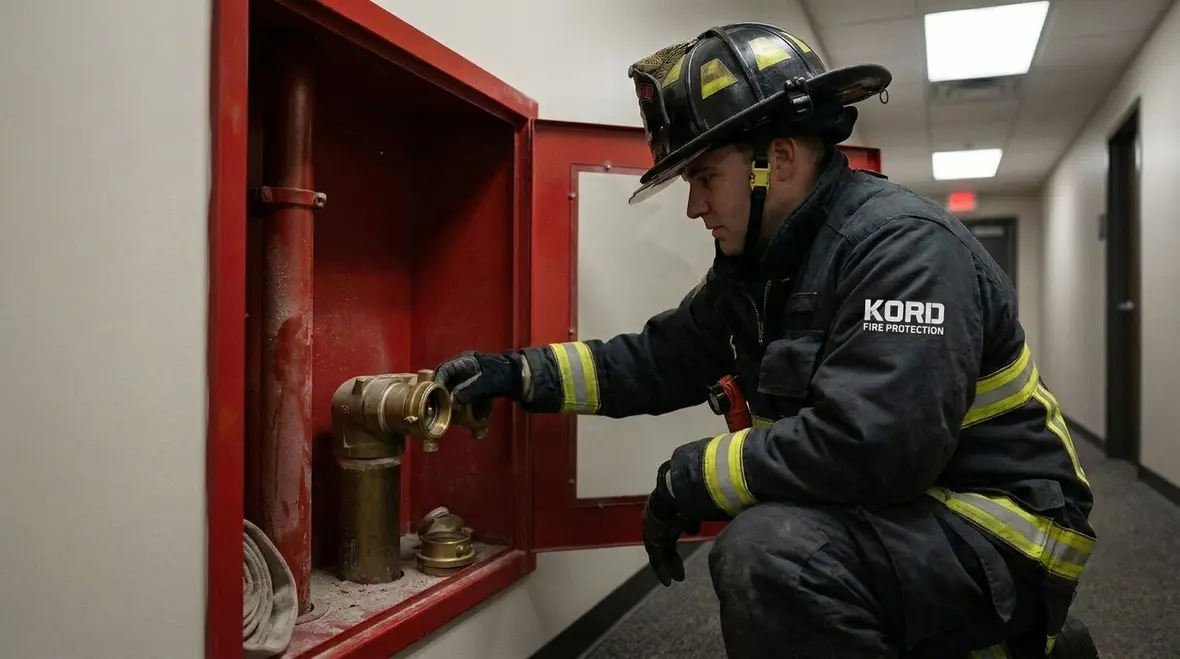
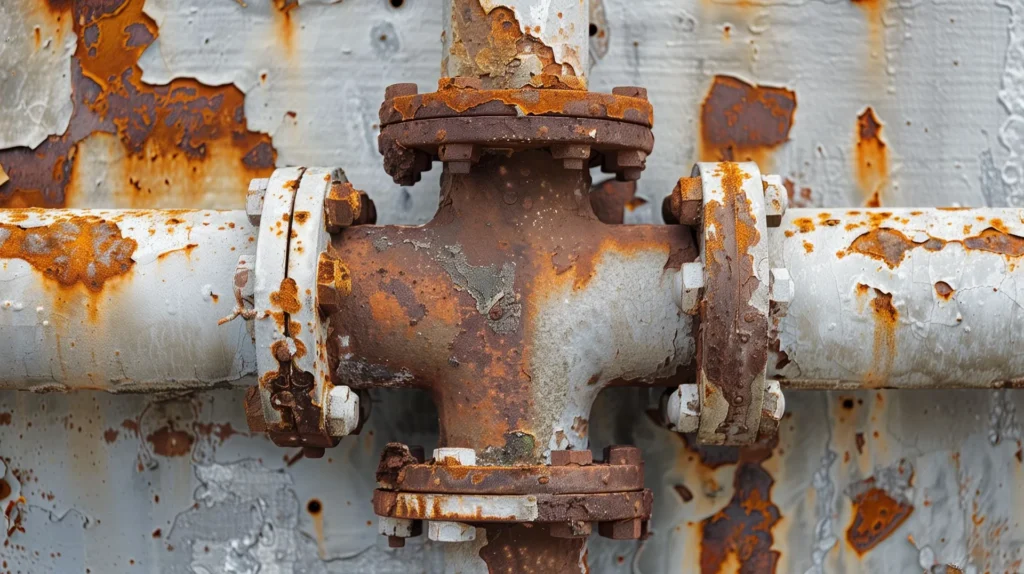
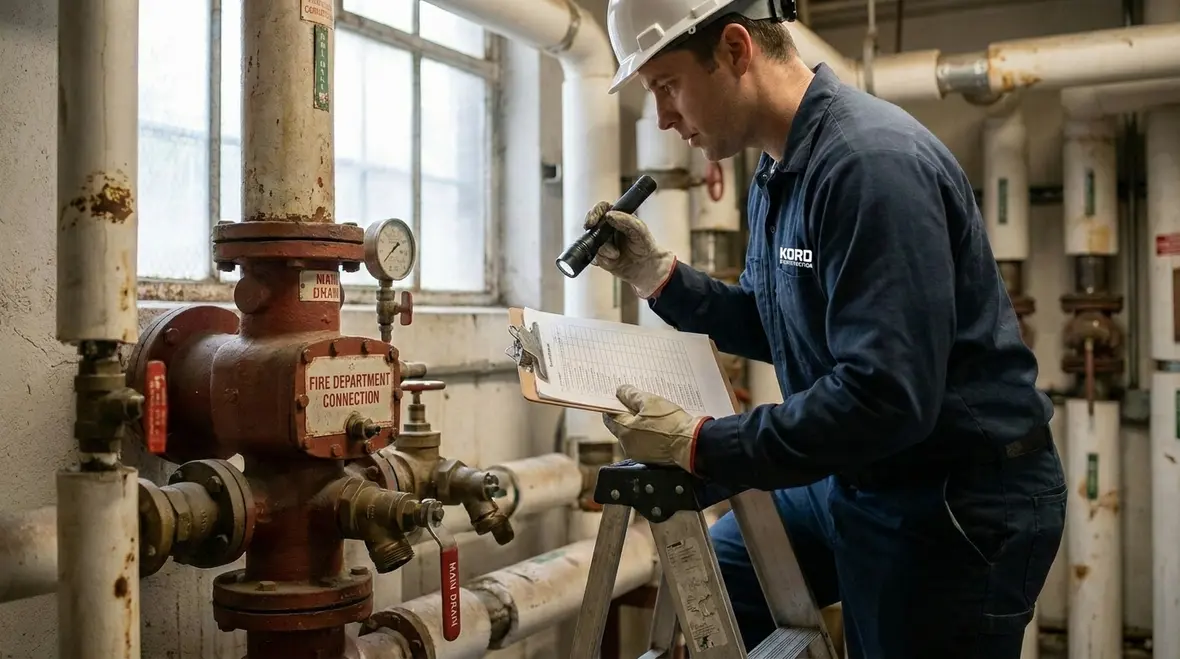
Inspections should happen on a schedule, but more importantly, they should happen with purpose. Kord Fire Protection technicians explain that technicians look for signs of wear, corrosion, leaks, damaged labeling, and missing or incorrect caps and protective covers. They also confirm that the system layout matches the current building condition, since renovations sometimes change access paths or equipment room usage.
To keep the inspection useful, they document observations in a format that others can understand quickly. Then they prioritize items based on risk, such as obstructions near hose connections or issues that can prevent water delivery. When teams take this step, they reduce delays during testing and avoid “unknown unknowns,” the most expensive type of mystery.
They also confirm that standpipe cabinets remain accessible. If storage clutter sneaks in, the system might technically work, but a firefighter might as well be hunting for socks in a laundry mountain.
Valve care and flow verification for reliable performance
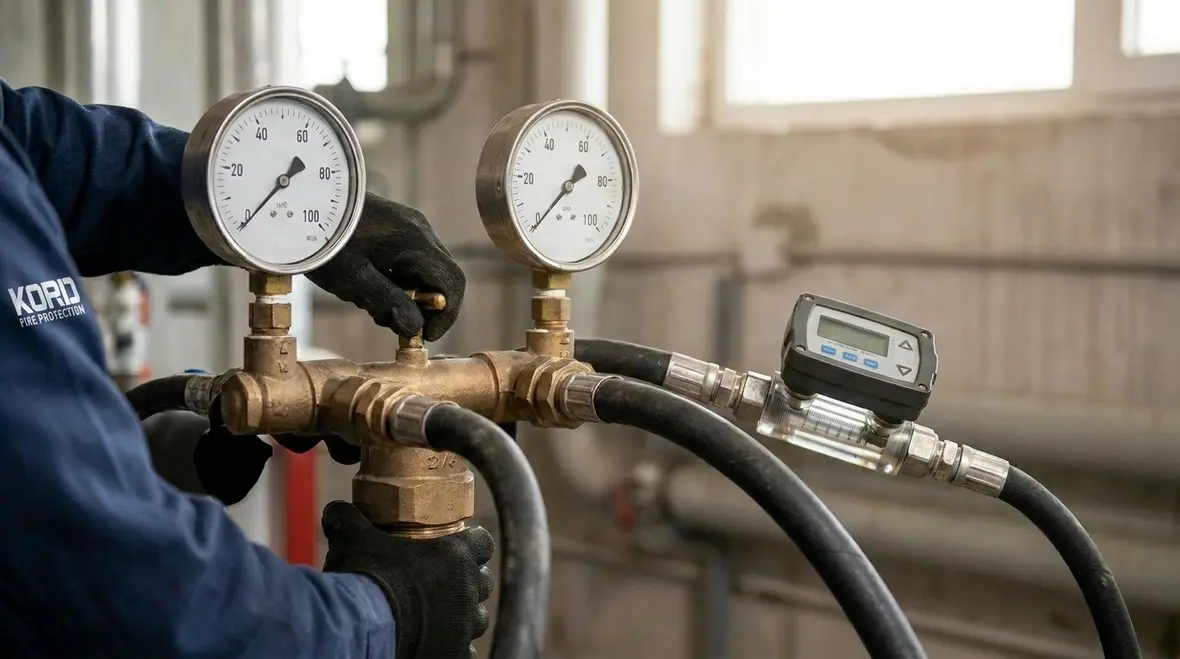
Standpipe systems depend on valves that seal correctly and open when needed. Therefore, maintenance must cover both mechanical condition and functional movement. Kord Fire Protection technicians explain that they inspect valve positions, ensure correct supervision where required, and check for issues such as sticking, worn packing, or damaged hand wheels.
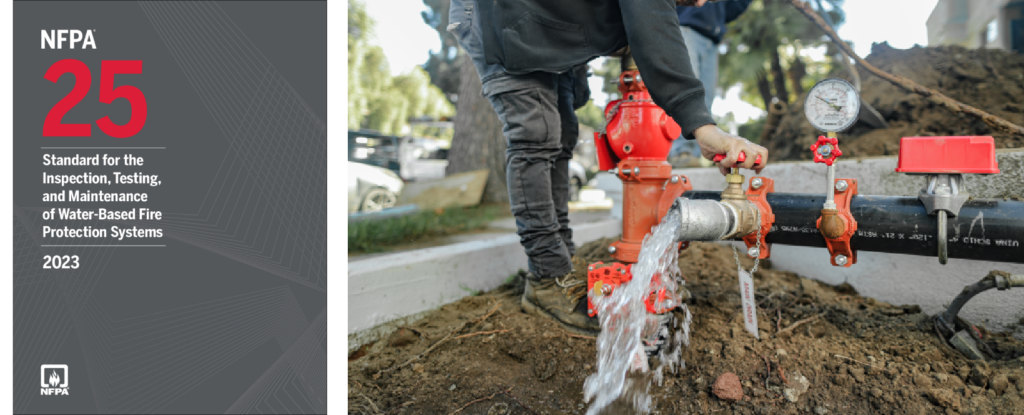
Next, they run flow related checks using approved test methods. While the exact procedures vary by system type, the goal remains consistent: verify that water reaches the outlets with expected pressure and flow characteristics. In addition, they observe for abnormal pressure drops or inconsistent discharge, which can point to clogged strainers, debris, or internal component failure.
Finally, they record results so the next technician can compare trends. Because a system that slowly drifts out of specification usually shows clues long before a crisis does.
Hose connection checks and cabinet readiness
Hose connections must support quick coupling and reliable water delivery. Maintenance should include inspection of connections, caps, gaskets, and any stored hose components when included in the standpipe setup. Kord Fire Protection technicians often emphasize that even small mismatches can delay operations. For example, if a coupling does not mate smoothly, a team wastes critical seconds while the situation worsens.
Technicians also check identification and signage. Therefore, a firefighter should find the right outlet instantly, without guessing games. They ensure cabinets stay clean and organized, since dirt and moisture can degrade parts over time. Meanwhile, they confirm that access doors open as intended and that obstructions do not block the path.
Once this work is done, the system feels prepared. And prepared systems reduce the need for improvisation, which is great for comedy but not for fire response.
Water supply reliability and pressure control maintenance
Even a perfectly maintained standpipe network cannot deliver water if the water supply underperforms. That is why Kord Fire Protection technicians focus on the supply side, including pumps where present, control components, pressure reducing or regulating devices, and any required backflow or isolation parts. They check for corrosion, leaks, and abnormal operation indicators.
Then they validate pressure control as part of the testing plan. Because if the system cannot maintain correct pressure during demand, performance drops when it matters most. Technicians also look at the system’s ability to handle simultaneous use where required. In addition, they verify that supervisory devices operate correctly so the right personnel receive alerts.
So while everyone sees the standpipe outlets, they remember the real goal: stable water delivery from source to connection.
Testing frequency, documentation, and compliance records
A maintenance plan fails when results are not tracked. Kord Fire Protection technicians recommend that teams keep records that show what was tested, when it happened, and what the outcomes were. This includes inspection findings, corrective actions, parts replaced, and any pressure or flow test data. With proper documentation, future maintenance becomes more precise and less guesswork.
| Inspection finding | Action and timing |
| Corrosion noted at valve body | Schedule cleaning and replacement under next downtime window |
FAQ on vital maintenance procedures for standpipe reliability
Take action now to protect people
Standpipe systems earn trust through steady care. Kord Fire Protection technicians help property teams plan inspections, verify valves and water supply performance, and document results so nothing gets missed.
Protect property with reliable systems
If a system has not been tested in line with required intervals, now is the time to schedule a maintenance review and performance check. Contact Kord Fire Protection to set up a service plan and keep your standpipe system ready when seconds matter most.

Join Our Newsletter!
Get the latest fire safety tips delivered straight to your inbox From our Newsletter.