Commercial subpanel safety planning that prevents costly surprises
When a business owner skips planning, the subpanel becomes a guessing game. Instead, commercial teams should treat the subpanel like a critical system with clear boundaries. Electrical subpanel safety protocols begin with correct site assessment. That means confirming load type, load size, and expected growth. It also means matching the subpanel rating to the service conditions and the building’s electrical design.
Next, Kord Fire Protection technicians advise a “no improvising” approach during install. They recommend that installers document conductor sizes, breaker ratings, and panel layout before wiring begins. This reduces rework, which is great for budgets, and also great for sanity, because troubleshooting later is like trying to find a specific song in a playlist with 40 versions of the same track.
- Plan the feeder path and conductor routing before pulling wire
- Confirm grounding and bonding requirements based on the system design
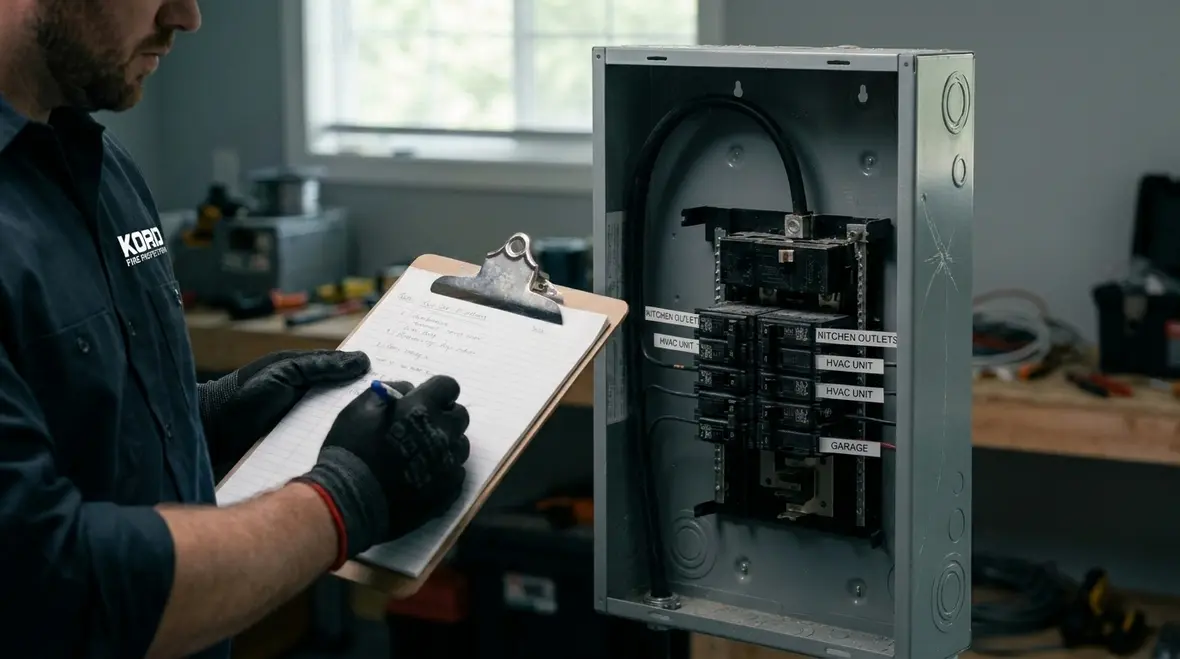
- Use a labeling method that stays readable under normal lighting and wear
Designing a subpanel layout that stays readable as loads grow
A commercial subpanel should stay understandable for years, not just for the first inspection. As the facility adds circuits, the panel layout must scale without turning into a tangled mess of half remembered upgrades. For best results, the layout should follow a simple logic: group similar loads, keep high current circuits separated when design requires it, and avoid crowding conductors so terminations remain serviceable.
To manage future expansion, teams should reserve space for growth. Kord Fire Protection technicians often point out that the “later” plan becomes the emergency plan when a panel fills up faster than expected. Therefore, a capacity check should happen early, including any known tenant build outs, equipment replacements, or seasonal load changes. For example, a retail store might add refrigeration or new checkout hardware, and offices often expand with new workstations.
- Group by function such as lighting, receptacles, and HVAC
- Leave spare breaker positions for planned upgrades
- Use circuit numbering that matches the building schedule
And yes, the labeling matters. If a technician can’t identify a circuit quickly, downtime grows. In business terms, that is not just inconvenient. It is expensive.
Safe installation practices for terminations, torque, and conductor routing
Install quality shows up at the terminations. Loose, damaged, or improperly prepared conductors can create heat at the connection, and heat invites problems. That is why Kord Fire Protection technicians stress disciplined workmanship. They recommend using the correct wire prep practices, including stripping to the correct length and keeping conductor insulation intact where it should remain protected.
Additionally, installers should apply torque using the manufacturer’s specifications. Over tightening can weaken connections, and under tightening can let them loosen. Then, routing matters. Conductors should not be forced into knockout areas in a way that causes abrasion. Instead, use proper entry points, fittings, and bend radii that preserve conductor integrity.
Finally, ensure the panel cover and protective features fit correctly. If covers do not close cleanly, the wiring or internal layout likely needs correction. A cover that does not sit right is like duct tape on a professional job. It might “hold,” but it does not solve the underlying issue.
- Verify conductor size matches breaker and bus requirements
- Use insulation management practices that prevent stray strands
- Keep cables secured to reduce movement at terminations
Managing grounding, bonding, and surge needs in commercial panels
Grounding and bonding influence safety, fault clearing, and equipment protection. If these components are wrong, a circuit can behave unpredictably, and a fault may not clear the way it should. Kord Fire Protection technicians explain that the grounding system should match the building electrical design and the panel configuration.
Bonding points should be installed correctly and not “fixed” by guesswork later. For example, some facilities add metal raceways or structural elements that require careful bonding. If a team skips documentation, it can create drift in how future workers interpret the system.
Surge protection also belongs in the management plan. Many commercial locations face power events from utility switching, lightning exposure, or large motor starts. While surge devices vary, the goal stays the same: protect sensitive equipment and reduce the risk of equipment failures that lead to downtime. That is where planning pays off, because the cost of replacing electronics is usually higher than upgrading protection.
- Confirm grounding electrode system connections per design
- Verify bonding jumpers and metal raceway continuity
- Evaluate surge protection for mission critical loads
Inspection, labeling, and maintenance routines that actually get done
Even a well installed subpanel can fall behind if the maintenance routine is vague. Therefore, facilities should set a schedule that covers inspections, cleaning, and verification of breaker operation. It also helps to define who does what, and when. The facility manager, the electrician, and any fire protection partner should share clear roles so the work does not stall in “someone else will handle it” limbo.
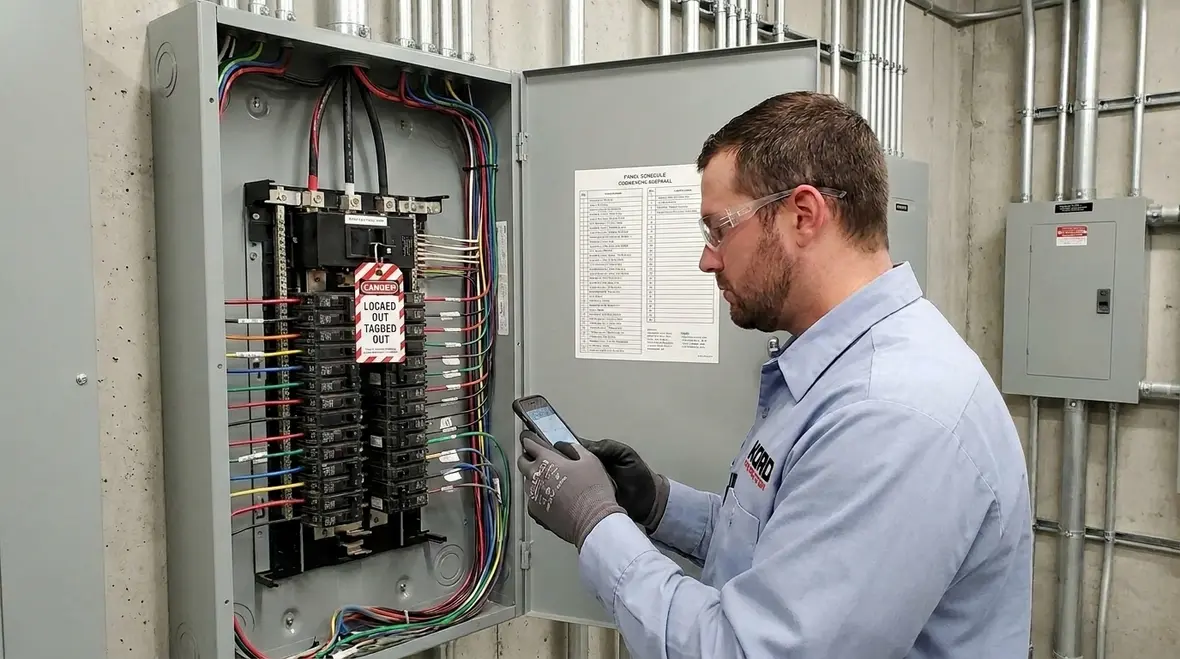
Kord Fire Protection technicians recommend starting with a maintenance checklist that includes torque verification when needed, visual inspection for signs of heat damage, and checks for loose labels. Labels fading or getting covered by paint might seem minor, but it makes future work slower and raises risk during troubleshooting.
Then set a process for record updates. When circuits move, when equipment changes, or when tenants revise layouts, the panel directory should be updated in writing and on the label. In other words, the schedule and the panel should tell the same story.
- Do scheduled visual inspections for heat, corrosion, and wear
- Update the directory after every circuit change
- Keep maintenance logs for audit readiness
Because let’s be honest, if the paperwork is missing, the next person will act like a detective on a sitcom. Funny once, frustrating every time.
Fire safety coordination and breaker management for subpanel reliability
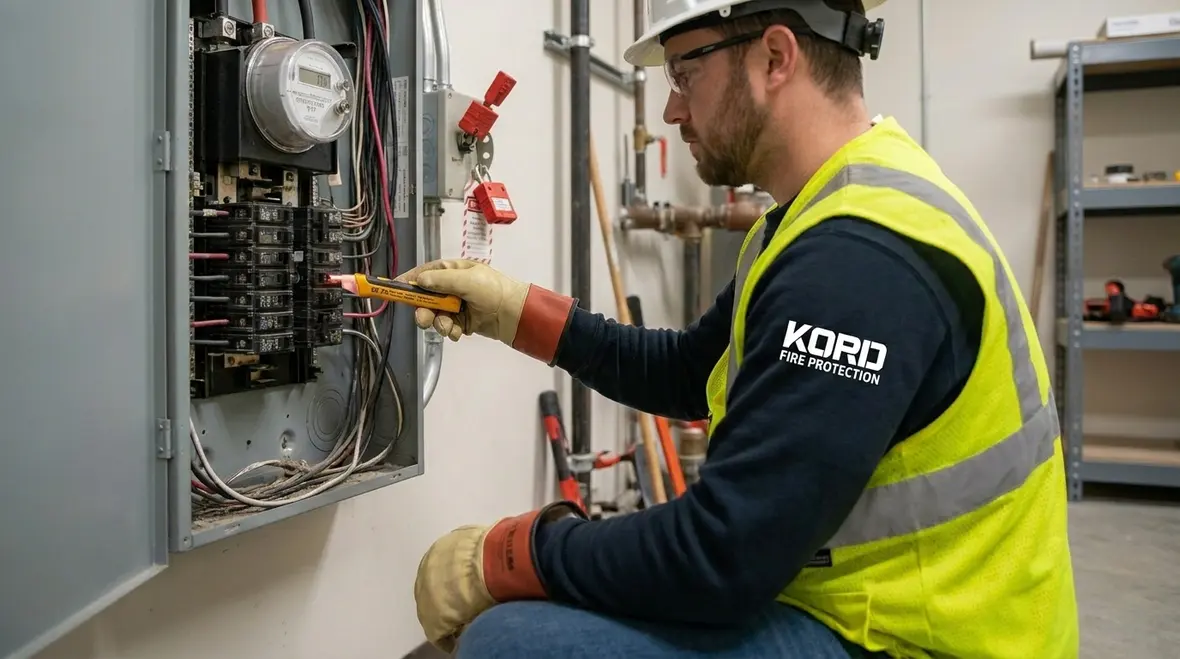
Commercial electrical systems intersect with fire safety, and that intersection should not be treated like an afterthought. Fire protection teams need reliable information about panel location, circuit identification, and any special protection features installed. Kord Fire Protection technicians emphasize that coordination improves response time and reduces guesswork during emergencies.
They also advise that breaker management should stay consistent. That means avoiding “random breaker swaps” and confirming the correct breaker type for each circuit. If a facility uses AFCI or GFCI where required, maintenance should preserve those features and verify operation as part of routine work.
To reduce nuisance issues, facilities should track what causes trips. Some trips come from real faults, while others come from load changes or aging equipment. By logging the conditions and circuit names, teams can spot patterns early. That reduces downtime and helps keep the electrical subpanel system steady during peak operations.
For quick reference, an effective coordination plan includes:
- Shared panel schematics and circuit directories with the fire protection team
- Clear access instructions for panels, clearances, and working space
- Documented changes whenever breakers or circuits get modified
And when people ask, “Why do we need all this?” the answer is simple. Reliability keeps operations running, and it also supports safety outcomes.
FAQ for commercial subpanel installation and management
Conclusion: choose disciplined installation and ongoing management
Commercial subpanel success does not come from luck. It comes from a careful start with electrical subpanel safety protocols, correct termination practices, clear labeling, and consistent maintenance. When Kord Fire Protection technicians coordinate the electrical plan with fire safety needs, facilities reduce downtime, lower risk, and keep systems dependable as loads change. Ready to tighten up a subpanel program for your building? Contact a qualified electrician and set a maintenance and labeling review this week so the next upgrade does not turn into a crisis disguised as “routine work.”
Want to align electrical upgrades with fire safety planning?
Know Your Weapon Before You Fight the Flame
Kord Fire Protection is your go-to when it comes to all things fire protection. For over 20 years, we’ve been serving Southern California with the quality service and equipment to keep your home or business safe at all times. Our competitive prices reflect our unwavering commitment to protecting what matters most in the event of a fire emergency. Give us a call, send an email, or use that form!

Join Our Newsletter!
Get the latest fire safety tips delivered straight to your inbox From our Newsletter.