Heat Detector Selection for Palm Springs Properties
In the dry, sun baked climate of Southern California, fire protection is not a casual afterthought. It is a necessity. That is why professionals often speak about heat detector selection for Palm Springs properties with the kind of care usually reserved for fine wine or classic cars. The stakes are high. Likewise, fixed-temperature detector use SoCal commercial facilities continues to be a cornerstone of code compliant safety systems across warehouses, restaurants, and office buildings. According to Kord Fire Protection technicians, choosing the right detection method is not about guesswork. It is about science, environment, and smart planning. And yes, sometimes it is also about common sense.
This guide explores how heat detectors work, the types available, and where each performs best. Along the way, the explanations stay clear, grounded, and occasionally sprinkled with a wink. After all, even fire safety can use a little charm.
Understanding Heat Detectors and Their Core Function
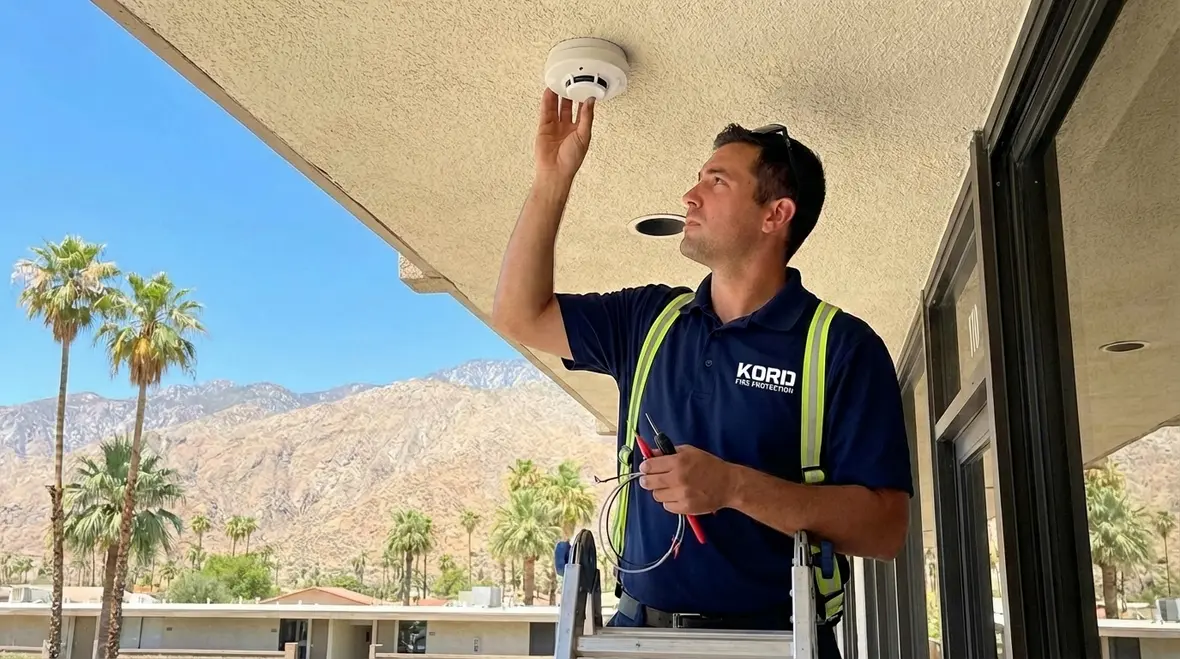
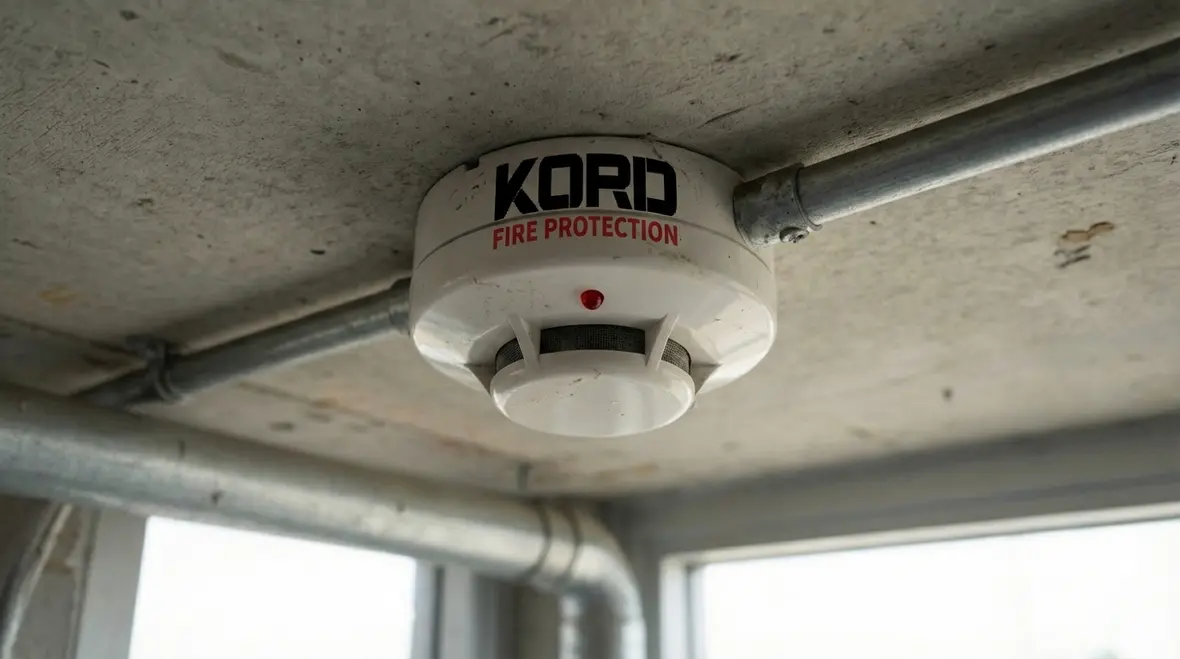
A heat detector does one simple but critical job. It senses a rise in temperature and triggers an alarm when conditions suggest a fire. Unlike smoke detectors, which react to airborne particles, heat detectors respond to temperature changes. Therefore, they work well in environments where smoke, dust, or steam might cause false alarms.
Kord Fire Protection technicians often explain it this way. Smoke detectors are like that overly sensitive friend who reacts to everything. Heat detectors are calm, steady, and wait for real heat before sounding the alarm. In kitchens, garages, and industrial settings, that calm response makes all the difference.
Heat detectors typically connect to a building fire alarm system. Once activated, they send a signal to the control panel. The system then alerts occupants and may trigger sprinklers or notify monitoring services. As a result, property owners gain precious minutes to act.
Importantly, heat detectors do not replace smoke detection in living spaces. Instead, they complement it. When used correctly, they reduce nuisance alarms and improve overall system reliability. For spaces where smoke detection is critical, pairing heat detection with services like smoke sensitivity testing helps keep the entire system finely tuned.
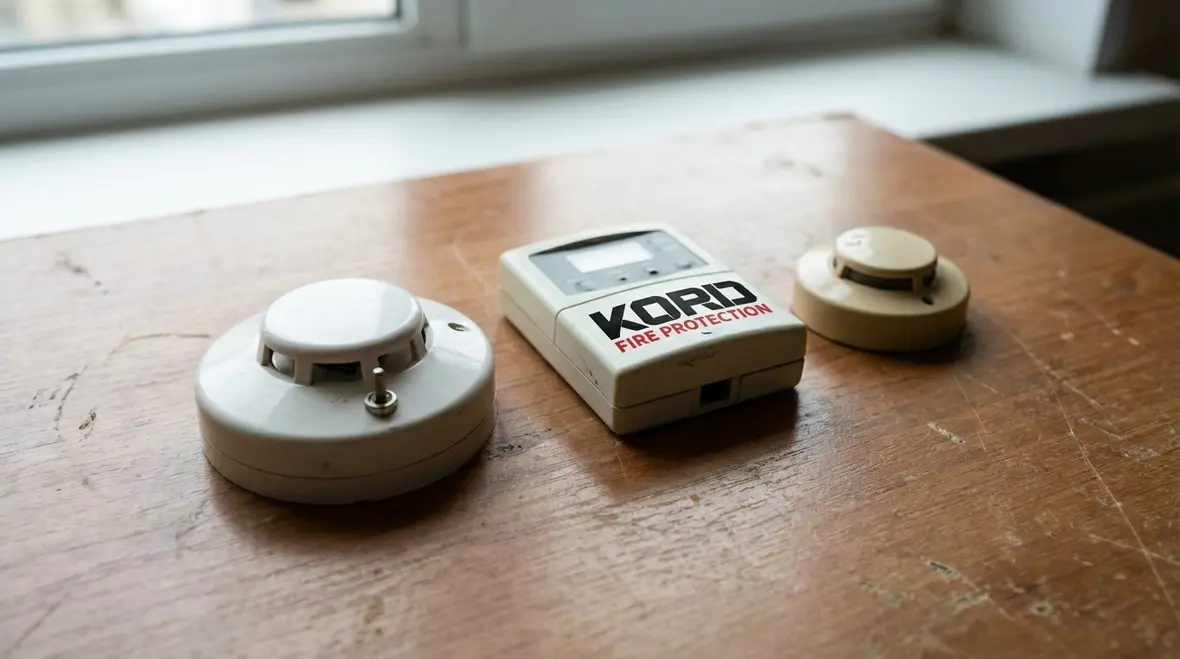
Types of Heat Detectors and How They Work
Not all heat detectors are built the same. Each type serves a specific purpose, and choosing wisely matters.
1. Fixed Temperature Heat Detectors
These devices activate when the surrounding air reaches a preset temperature, often 135 or 200 degrees Fahrenheit. Once that threshold hits, the internal mechanism triggers the alarm.
This is where fixed-temperature detector use SoCal commercial facilities becomes highly relevant. In warehouses with high ceilings or mechanical rooms with consistent background heat, these detectors provide dependable performance without overreacting to normal conditions.
2. Rate of Rise Heat Detectors
Instead of waiting for a specific temperature, these detectors measure how quickly heat increases. If the temperature rises rapidly within a short time, the alarm activates. Consequently, they can detect fires earlier in certain scenarios.
They work well in areas where temperatures fluctuate but rarely spike suddenly. Think storage areas or loading docks.
3. Combination Heat Detectors
As the name suggests, combination units include both fixed temperature and rate of rise elements. Therefore, they offer broader protection. If either condition meets the trigger point, the alarm sounds.
Kord Fire Protection technicians often recommend these in mixed use environments. They provide flexibility without complicating system design.
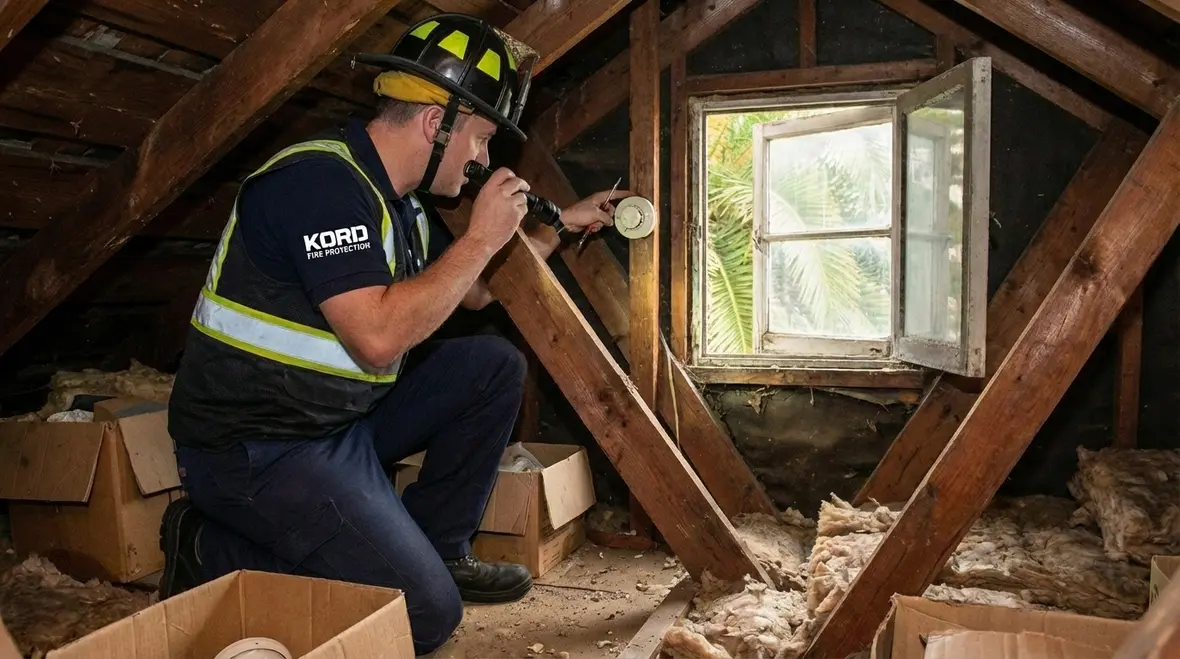
How to Approach Heat Detector Selection for Palm Springs Properties
Palm Springs presents unique challenges. The climate is hot. Roof spaces can reach extreme temperatures. Dust and dry air are common. Therefore, heat detector selection for Palm Springs properties demands careful evaluation.
First, installers consider ambient temperature. If an attic regularly reaches 120 degrees in summer, a 135 degree fixed unit may sit too close to the edge. In that case, a higher threshold model might be more appropriate.
Second, ceiling height matters. Heat rises. In large open spaces, it can take longer for temperatures near the ceiling to climb high enough to trigger detection. Therefore, spacing and placement must align with fire code and real world airflow patterns.
Third, building use influences choice. A luxury home kitchen, a boutique hotel laundry room, and a manufacturing floor all generate heat differently. Kord Fire Protection technicians evaluate these patterns before recommending equipment.
Moreover, local codes guide installation. Southern California jurisdictions follow strict fire safety standards. Compliance is not optional. It is part of responsible ownership. For critical environments that rely on clean agent or special suppression, services like room integrity testing help ensure that once a system activates, it performs as designed.

Why Fixed Temperature Models Excel in Commercial Settings
Fixed-temperature detector use SoCal commercial facilities remains common for good reason. These devices offer reliability in environments where daily operations create smoke, dust, or steam.
Consider a restaurant kitchen. Smoke detectors there would sound every time a chef experiments with high heat. And while culinary creativity deserves applause, constant alarms do not. Fixed temperature units wait until actual danger develops.
Similarly, mechanical rooms often contain equipment that emits heat during normal operation. A rate of rise detector might misinterpret routine fluctuations. However, a fixed temperature model activates only when conditions exceed safe limits.
Kord Fire Protection technicians emphasize that proper calibration is essential. Choosing a detector with too low a threshold may lead to nuisance alarms. Choosing one too high may delay response. Therefore, professional assessment ensures balance.
Comparing Heat Detector Types Side by Side
Fixed Temperature
Activation Method: Reaches preset temperature
Best For: Kitchens, boiler rooms, garages
Strength: Stable and predictable
Limitation: May respond slower to gradual fires
Rate of Rise
Activation Method: Rapid temperature increase
Best For: Storage areas, large open rooms
Strength: Faster response to sudden fires
Limitation: Sensitive to quick environmental changes
Combination units blend these strengths. Therefore, they often serve as a versatile solution when building use varies.
Installation Best Practices and Placement Strategy
Even the best device fails if installed poorly. Placement determines effectiveness.
First, detectors belong on ceilings because heat rises. However, installers avoid dead air spaces near corners where hot air may not circulate well. Additionally, spacing follows manufacturer guidelines and local fire codes.
In warehouses, technicians account for ceiling height and structural beams. In residential garages, they avoid placing detectors directly above vehicles where exhaust heat could interfere.
Kord Fire Protection technicians also test each device after installation. They verify communication with the fire alarm panel and confirm signal transmission. Furthermore, they document every step for inspection records.
Routine maintenance remains just as important. Dust buildup can affect sensor performance. Therefore, scheduled inspections keep systems reliable year after year.
Common Questions Property Owners Ask
Property owners often approach fire detection with understandable concern. They want clarity, not technical overload.
One common prompt sounds like this: “What type of heat detector works best in hot climates?” The answer depends on normal ambient temperature and building function. In desert regions, selecting units rated for higher baseline heat prevents false alarms.
Another frequent question involves integration. Modern heat detectors connect seamlessly to smart monitoring systems. Therefore, alerts can reach property managers instantly through mobile apps or central monitoring stations.
Finally, owners ask about lifespan. Most heat detectors last around ten years, although manufacturers specify exact replacement intervals. Regular inspections ensure continued reliability.
As Kord Fire Protection technicians often say, fire safety is not a set it and forget it system. It is more like a good relationship. It requires attention. And occasionally, a checkup.
Advanced Considerations for Large and High Risk Facilities
Large commercial facilities introduce additional complexity. Ceiling heights over twenty feet may require special spacing adjustments. Moreover, airflow from HVAC systems can influence heat movement.
In manufacturing environments, combustible materials increase risk. Therefore, layered protection often includes heat detection combined with sprinklers and manual pull stations.
Data centers, on the other hand, prioritize early warning while minimizing equipment damage. In such spaces, heat detectors may serve as a secondary safeguard behind more sensitive detection systems.
Importantly, documentation supports compliance. Inspectors review system design, placement diagrams, and maintenance logs. A well planned installation simplifies approval and reduces liability.
Heat detection may not be glamorous. It does not trend on social media. Yet when it works as intended, it protects lives and investments quietly and effectively. Like a good security guard, it does its job without demanding applause.
FAQ
Protect What Matters Most
Choosing the right heat detector is not just a technical decision. It is a commitment to safety. Whether evaluating a small residence or a large commercial site, professional guidance ensures proper protection. Kord Fire Protection technicians stand ready to assess risks, recommend solutions, and install reliable systems built for Southern California conditions.
If you are upgrading detectors, expanding your fire alarm system, or coordinating with sprinklers and suppression equipment, it pays to work with a team that understands local codes from Los Angeles to Palm Springs. Explore Kord Fire’s fire protection services or head directly to the contact page to schedule a consultation today and take confident steps toward smarter fire protection.
Know Your Weapon Before You Fight the Flame
Kord Fire Protection is your go-to when it comes to all things fire protection. For over 20 years, we’ve been serving Southern California with the quality service and equipment to keep your home or business safe at all times. Our competitive prices reflect our unwavering commitment to protecting what matters most in the event of a fire emergency. Give us a call, send an email, or use that form!

Join Our Newsletter!
Get the latest fire safety tips delivered straight to your inbox From our Newsletter.