
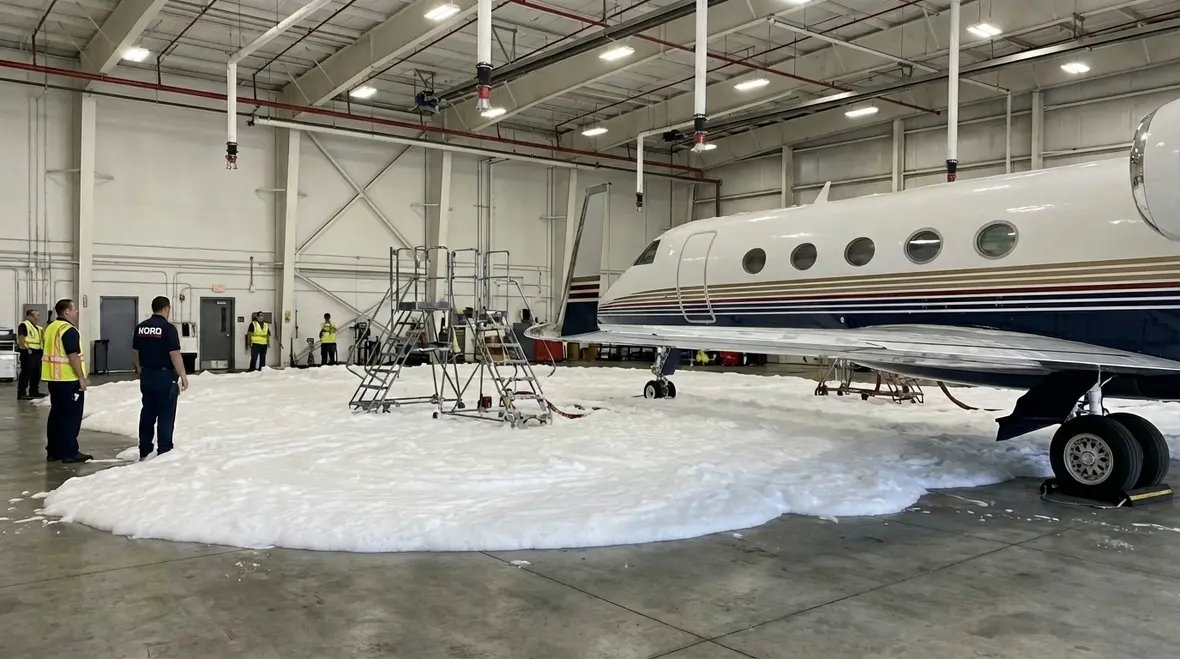
Hangar Foam Fire Suppression at Hollywood Burbank Airport
Why Foam Fire Suppression Exists at the Hollywood Burbank Airport
Step onto the tarmac at Hollywood Burbank Airport and you will feel it. The hum of jet engines. The scent of aviation fuel. The quiet precision of crews moving with purpose. What most travelers never see, however, is the silent guardian standing by inside the hangars: our hangar foam fire suppression system. It does not seek applause. It does not ask for attention. Yet it exists for one reason alone. To stop disaster before it takes a bow.
Kord Fire Protection technicians often explain it in simple terms. Airplanes carry fuel. Fuel burns fast. Therefore, airports prepare for the worst while expecting the best. That preparation is not dramatic. It is deliberate. And in a place where one spark can rewrite headlines, foam based aircraft fire protection is not optional. It is essential.
The Fire Risk Behind the Glamour
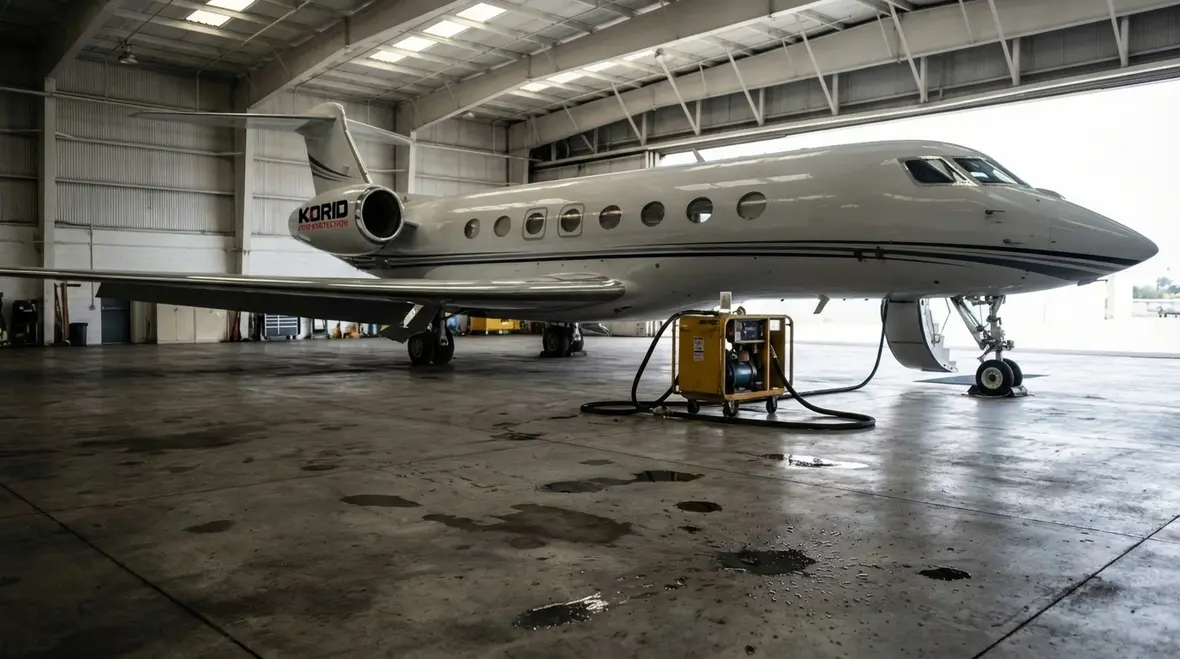
Hollywood Burbank Airport may feel intimate compared to LAX, but do not let its size fool you. Private jets, commercial aircraft, and production charters move in and out daily. Meanwhile, maintenance crews refuel, repair, and test complex machinery. Each task introduces risk.
Jet fuel does not behave like wood or paper. Instead, it spreads quickly and ignites with intensity. A traditional water system cannot simply drown it. In fact, water alone can spread burning fuel across a hangar floor. That is why aviation fire protection relies on foam. The foam forms a blanket over the fuel surface. It cuts off oxygen. It cools the flames. And just like that, a roaring inferno can be reduced to silence.
As Kord Fire Protection technicians explain during site visits, the goal is speed and coverage. Seconds matter. Therefore, the system must activate quickly and distribute evenly across wide hangar spaces where aircraft wings stretch like steel eagles.
How Hangar Foam Fire Suppression Works
From detection to full foam blanket
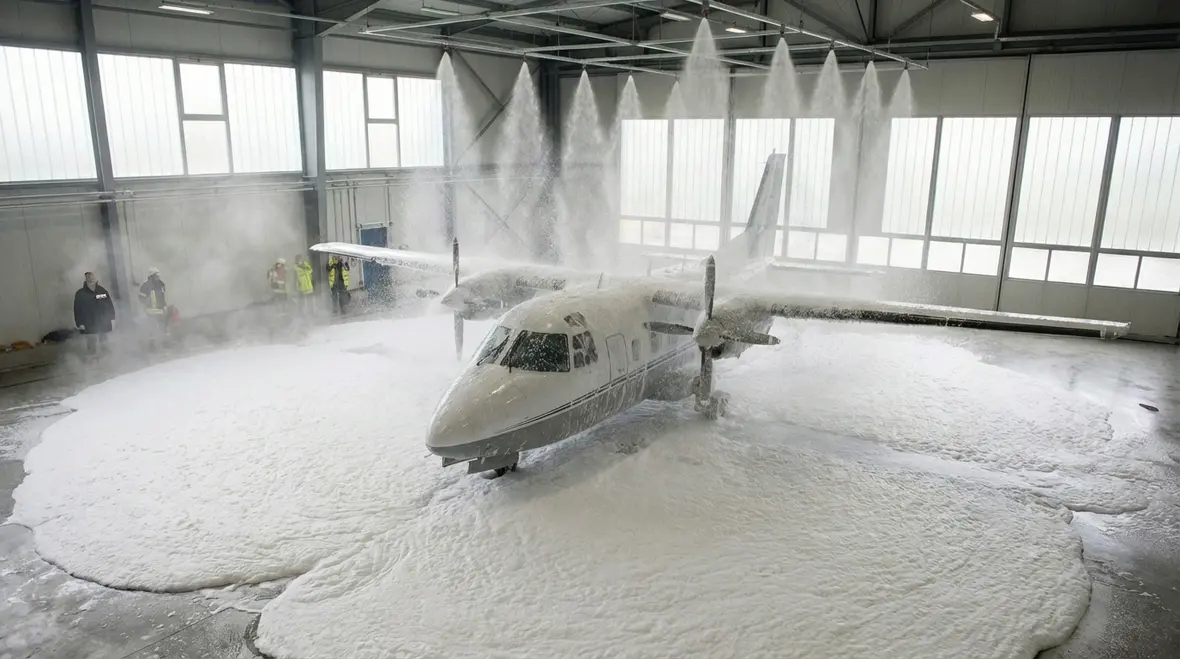
Imagine a system that waits patiently, scanning the environment. Sensors detect heat or flame. Once triggered, foam concentrate mixes with water at precise ratios. Then the solution flows through overhead discharge devices or floor level outlets. Within moments, a thick blanket spreads across the hangar floor.
Engineered foam, not soap suds
This is not soap suds from a car wash. It is engineered foam designed to suppress flammable liquid fires. Furthermore, it prevents re ignition by sealing vapors beneath its surface. That vapor seal is crucial in aviation settings where residual fuel may linger.
High expansion vs. low expansion foam
Kord Fire Protection technicians often demonstrate how foam expansion ratios differ depending on hangar size. High expansion systems fill large volumes rapidly. Low expansion systems create a dense layer over fuel spills. Both approaches serve a purpose. The key lies in matching design to risk.
Because aircraft vary in size and fuel capacity, engineers calculate discharge rates carefully. They consider ceiling height, ventilation patterns, and aircraft positioning. Consequently, no two hangars share identical layouts. Each system reflects careful planning rather than guesswork.
Why Hollywood Burbank Airport Chooses Foam Based Aircraft Protection
Beyond basic code compliance
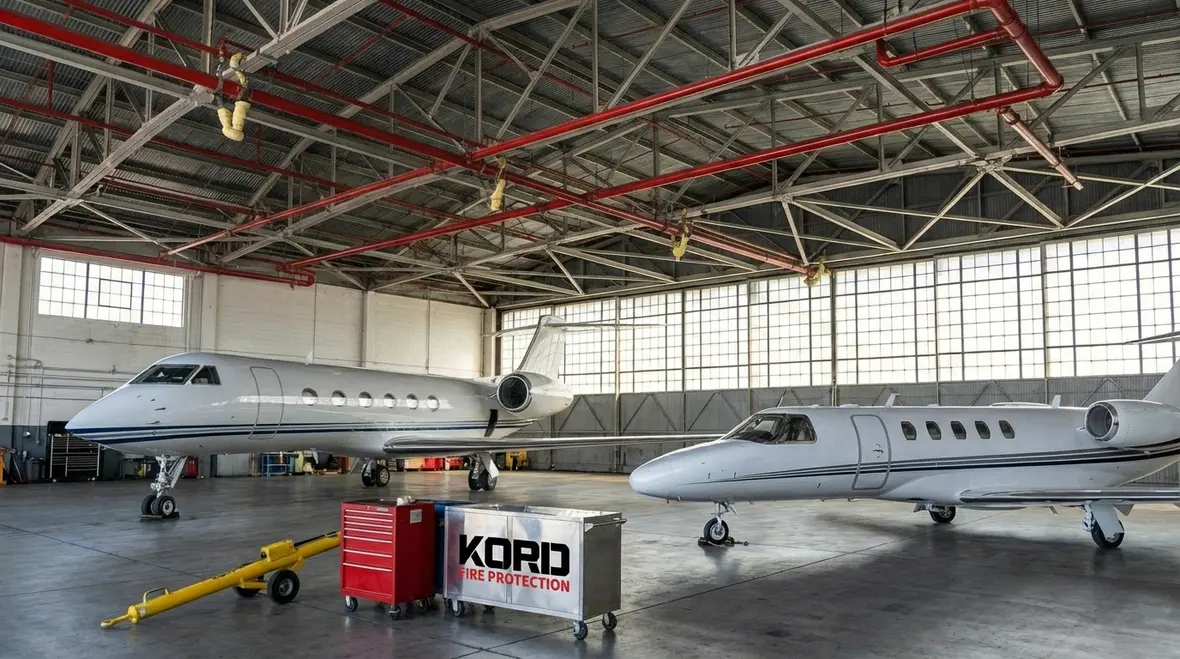
Airports operate under strict fire codes and federal aviation requirements. However, compliance alone does not explain the presence of foam systems at Hollywood Burbank. The airport serves corporate fleets, charter operations, and film industry aircraft. That mix increases complexity.
Protecting tight production schedules
Film production schedules leave little room for delay. A single fire incident could halt projects costing millions per day. Therefore, airport leadership invests in prevention. Foam systems reduce potential damage to aircraft, structures, and equipment. More importantly, they protect lives.
Layered protection with professional support
Kord Fire Protection technicians emphasize layered safety. Detection systems alert staff immediately. Suppression systems respond automatically. Trained crews coordinate evacuation and response. Together, these layers create a net of protection. It is less about reacting heroically and more about preventing chaos quietly.
Besides safety, there is also financial logic. Aircraft represent high value assets. Even minor heat exposure can damage avionics, composites, and wiring. Foam systems minimize heat spread. As a result, repair costs and downtime decrease significantly.
What Do Kord Fire Protection Technicians Say About Airport Hangars?
Why hangars are different from other buildings
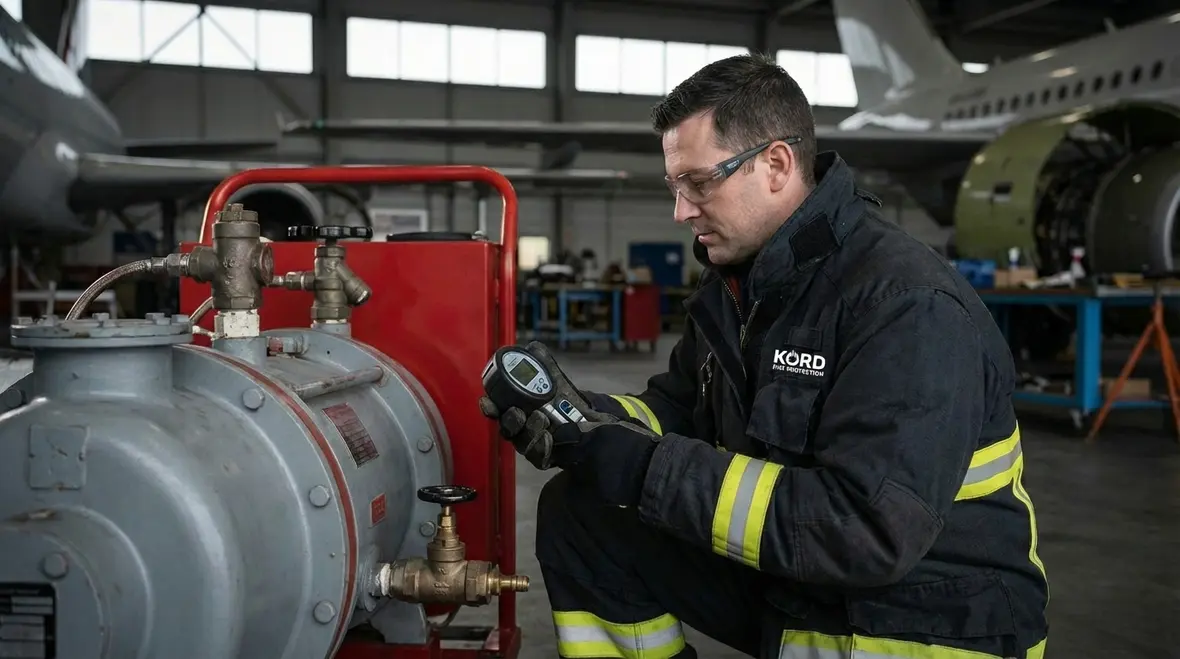
When asked why airports rely on foam, Kord Fire Protection technicians answer without drama. They say hangars are unique environments. Large open spaces allow fires to travel fast. Fuel sources sit close to ignition sources. Electrical equipment adds complexity. Therefore, specialized protection becomes necessary.
The non negotiable role of maintenance
They also stress maintenance. A foam system is not a set it and forget it solution. Pumps require inspection. Concentrate levels must remain accurate. Valves need testing. Otherwise, performance could suffer during an emergency. Regular service ensures readiness.
Interestingly, technicians often compare foam systems to seatbelts. Most days, nobody notices them. Yet when something goes wrong, everyone is grateful they were there. And unlike action movies, real life does not offer multiple takes. The system must work the first time.
Inside the Components of Hangar Foam Fire Suppression
To understand why the system exists, one must look at its parts. Each component plays a role in coordinated response.
- Detection Devices
These sensors identify heat or flame signatures. Because hangars are large, detectors must cover wide areas without false alarms. - Foam Proportioning Equipment
This equipment blends foam concentrate with water in precise amounts. Accuracy ensures effective suppression while conserving agent. - Distribution Network
Pipes and discharge outlets spread foam evenly. Engineers design layouts to avoid blind spots beneath aircraft wings or fuselages. - Control Panels
Operators monitor system status and receive alerts. Manual override options provide additional control when needed.
Together, these elements create a coordinated response. Consequently, the system activates smoothly rather than chaotically.
Airport Safety Requirements and Real World Application
Federal guidelines outline minimum fire protection standards for airport hangars. Nevertheless, many facilities exceed those standards. Hollywood Burbank Airport understands that aviation safety evolves. Therefore, systems must adapt.
Foam based fire suppression systems meet standards for flammable liquid hazards. Additionally, they align with insurance requirements that protect airport stakeholders. Insurance providers often evaluate risk based on suppression capabilities. A modern foam system can influence coverage terms favorably.
While regulations provide structure, real world experience shapes decisions. Aviation incidents worldwide have demonstrated how quickly hangar fires escalate. Lessons learned from those events inform design improvements today. As a result, airports integrate advanced detection and suppression technologies proactively.
For facilities across Los Angeles County, partnering with a team that understands code, risk, and aviation realities is critical. Resources like Los Angeles County fire protection services help ensure hangars and support buildings stay both compliant and operational.
Dual Overview: Risk Versus Protection
Hangar Risk Factors
- Fuel storage and transfer
- Electrical maintenance equipment
- Large open floor plans
- High value aircraft materials
- Limited time for manual response
Foam System Protections
- Rapid oxygen blocking blanket
- Vapor suppression to prevent re ignition
- Wide area discharge coverage
- Integration with alarms and controls
- Reduced structural heat damage
This contrast reveals the logic clearly. Where risk multiplies, protection must rise to meet it.
The Human Element Behind the System
Technology alone does not guarantee safety. Skilled technicians maintain and test each component. Kord Fire Protection teams schedule routine inspections and performance tests. They verify pump pressure. They confirm concentrate quality. They simulate activation sequences under controlled conditions.
Moreover, training ensures airport staff understand system operation. Clear communication prevents confusion during emergencies. Because stress can cloud judgment, preparation builds confidence. In that sense, foam systems represent both engineering and discipline.
There is also environmental awareness. Modern foam agents evolve to meet environmental standards while maintaining effectiveness. Technicians stay informed about regulatory updates. Therefore, systems remain compliant without sacrificing performance.
One technician once joked that foam may not win an Oscar, but it deserves a lifetime achievement award. In Hollywood terms, it plays the strong silent type. No monologue. Just action.
Conclusion: Protecting Aircraft, People, and Peace of Mind
Hollywood Burbank Airport relies on preparation, not luck. Hangar environments demand specialized protection against fuel driven fires. Foam systems deliver rapid coverage, vapor control, and structural defense when seconds count. With guidance from Kord Fire Protection technicians, these systems remain ready at all times.
For airports, operators, or facility managers seeking serious protection, investing in professional foam fire suppression is not just wise. It is responsible. Reach out to trusted experts and secure safety before it is ever tested. To explore system options for your facility, visit Kord Fire’s dedicated foam fire suppression systems page or connect with the team for a custom aviation solution.
Whether you manage an airport hangar, a fuel facility, or another high risk operation, Kord Fire provides full service support across Southern California. From Los Angeles County fire protection to specialized foam suppression design, the goal is the same: protect what matters most before the first spark ever appears.
FAQ
Know Your Weapon Before You Fight the Flame
Kord Fire Protection is your go-to when it comes to all things fire protection. For over 20 years, we’ve been serving Southern California with the quality service and equipment to keep your home or business safe at all times. Our competitive prices reflect our unwavering commitment to protecting what matters most in the event of a fire emergency. Give us a call, send an email, or use that form!

Join Our Newsletter!
Get the latest fire safety tips delivered straight to your inbox From our Newsletter.


