Guidelines for Fire Extinguishers in Anaheim
The rules and guidelines for fire extinhuishers in Anaheim are not just technical requirements buried in city code. They are practical standards designed to protect lives, property, and peace of mind. Within the first few moments of a fire, the right extinguisher in the right place can mean the difference between a close call and a catastrophe. Local regulations, state fire code, and national standards all shape how businesses and property owners must install, inspect, and maintain their equipment. Throughout Anaheim, Kord Fire Protection technicians regularly explain these expectations in clear, simple terms, helping owners stay compliant without losing sleep over fine print. This article explores those rules in depth and shows how they apply in real world settings.
Understanding Local Fire Code Requirements
Anaheim follows the California Fire Code, which itself is based on the International Fire Code. However, local amendments often fine tune the details. Therefore, property owners must pay attention not only to state law but also to city specific enforcement.
First, every commercial building must have approved portable fire extinguishers installed in accessible and visible locations. The fire code sets clear travel distance limits. In most offices and retail spaces, occupants should not travel more than 75 feet to reach a Class A extinguisher. Meanwhile, in areas with higher hazards, that distance shrinks.
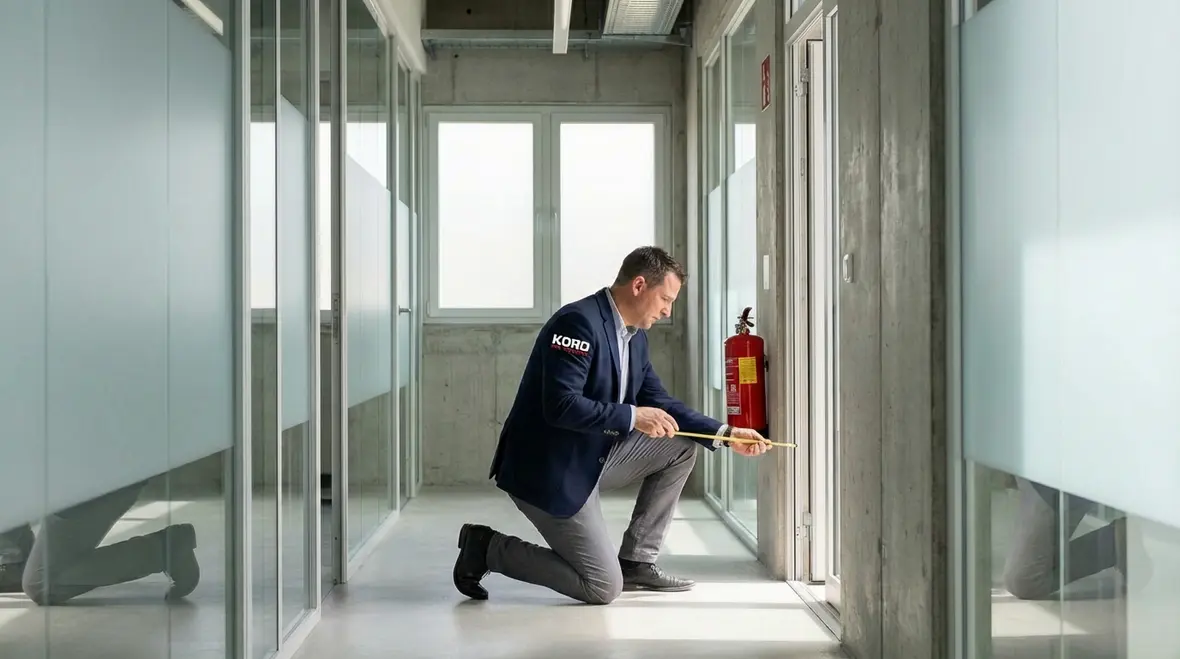
Additionally, extinguishers must be mounted at the correct height. Units weighing 40 pounds or less should be mounted so the top sits no more than 5 feet above the floor. Heavier units must sit lower. This may sound like a small detail. However, during an emergency, even a few inches can matter. No one wants to wrestle with equipment while smoke fills the room.
Kord Fire Protection technicians often remind clients that compliance is not about passing an inspection once. Instead, it is about maintaining readiness every single day. They walk through buildings, point out blind spots, and explain why that lonely extinguisher behind a locked door does not count. Fire code inspectors, after all, do not accept excuses. Neither does fire.
If you manage property beyond Anaheim, it is also wise to coordinate with broader county resources. For example, many owners look to Orange County fire protection services for a bigger-picture view of how extinguishers, sprinklers, alarms, and hydrants all work together across multiple locations.
Travel distance, visibility, and signage
Beyond the raw numbers for travel distance, Anaheim enforces common sense visibility rules. Extinguishers should be clearly marked with signs where needed, especially in larger warehouses or irregular floor plans. A unit that technically meets distance requirements but disappears behind pallets or stacked merchandise will still draw a red mark from an inspector.
Types of Extinguishers and Where They Belong
Not all fires behave the same. Consequently, not all extinguishers are equal. The guidelines for fire extinhuishers in Anaheim require property owners to match extinguisher type to hazard classification.
Class A extinguishers handle ordinary combustibles such as paper, wood, and cloth. Offices, schools, and churches typically rely on these. Class B units target flammable liquids like gasoline or solvents, which are common in auto shops and maintenance areas. Class C extinguishers cover energized electrical equipment. Meanwhile, commercial kitchens must use Class K units designed for cooking oils and grease.
Although combination ABC extinguishers are common, they are not universal solutions. For example, a restaurant kitchen cannot rely solely on an ABC unit when a dedicated Class K extinguisher is required near cooking appliances.
Kord Fire Protection technicians frequently conduct hazard assessments before recommending equipment. They explain the science in plain language. Grease fires, for instance, react violently to water. Therefore, using the wrong extinguisher can turn a stovetop mishap into a scene worthy of an action movie. And while Hollywood makes explosions look glamorous, real life cleanup bills are far less entertaining.
Matching Anaheim hazards with extinguisher classes
In Anaheim, you will often see Class A and ABC units in office parks along Katella or Harbor, Class B and C units scattered through auto repair bays and warehouse loading docks, and Class K units protecting restaurant lines in the Resort District. The key is not guessing. A brief walkthrough with a technician familiar with local code can quickly reveal where to upgrade, add, or swap extinguisher types.
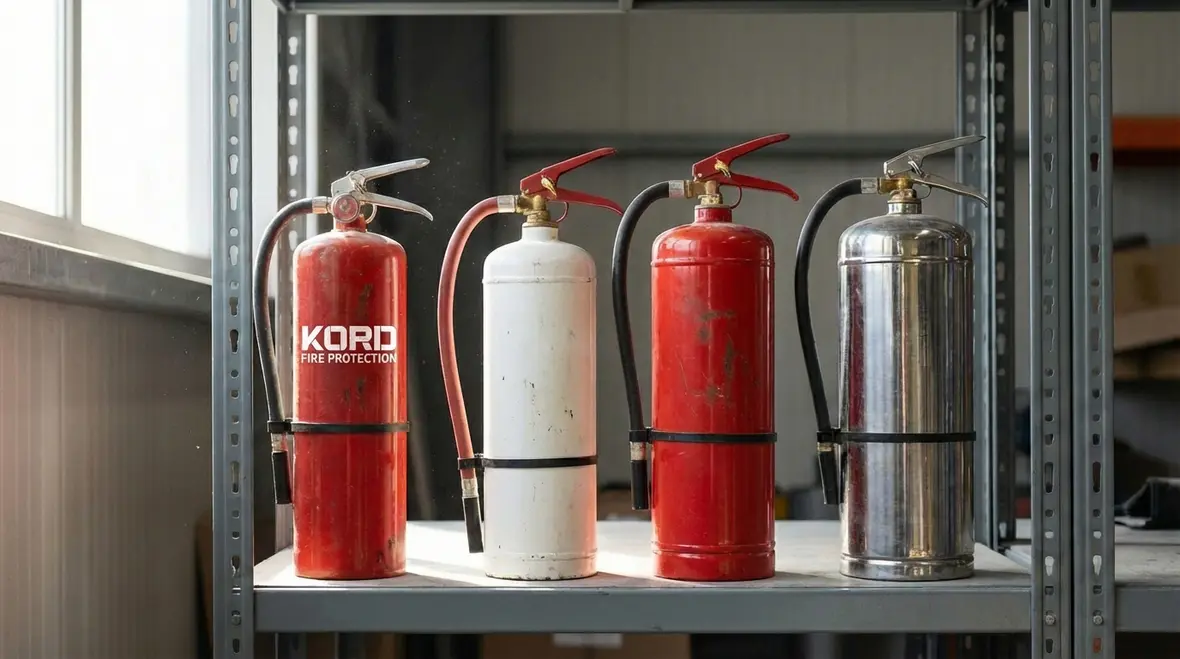
Inspection and Maintenance Schedules That Keep You Compliant
If an extinguisher hangs on the wall but no one checks it, does it still protect the building? Technically yes. Practically, maybe not. For this reason, regular inspection stands at the heart of the guidelines for fire extinhuishers in Anaheim.
Monthly visual inspections are required. During these checks, a responsible party ensures that:
- The extinguisher is in its designated place
- The pressure gauge sits in the operable range
- The pin and tamper seal remain intact
- There is no visible damage or corrosion
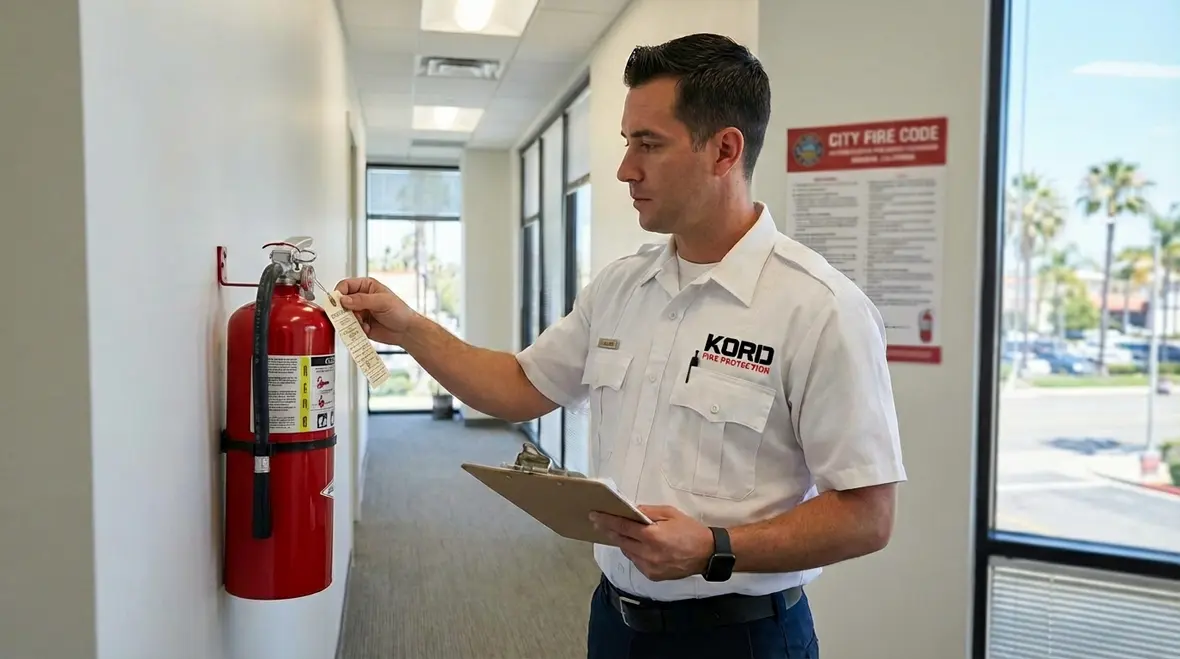
- The inspection tag is current
In addition, certified technicians must perform annual maintenance. This service includes a thorough examination, verification of internal components, and documentation. Every six or twelve years, depending on the type, extinguishers may also require internal examination or hydrostatic testing.
Kord Fire Protection technicians emphasize documentation. If it is not recorded, inspectors may treat it as if it never happened. Therefore, accurate tags and service reports matter just as much as the extinguisher itself. Paperwork may not be glamorous. However, it tends to look very impressive when an inspector walks through the door.
Partnering with specialists for testing and tags
Many Anaheim businesses simplify things by working with a single provider for their fire extinguisher testing, documentation, and replacement needs. Providers like Kord Fire’s extinguisher service and certification team handle annual service, six-year breakdowns, hydrostatic tests, and the not-so-exciting but very important tag updates that keep inspectors happy.
Where Should Fire Extinguishers Be Installed in Anaheim Buildings?
This is the question many property owners type into search engines late at night. The answer begins with visibility and access.
Extinguishers must be mounted along normal paths of travel. They should sit near exits, in common areas, and close to identified hazards. However, they must not be blocked by storage, furniture, or locked cabinets unless the cabinet is clearly marked and accessible.
Furthermore, construction sites require temporary extinguishers. Warehouses need units spaced according to square footage and hazard level. Apartment complexes must place extinguishers in common corridors and laundry rooms. Each occupancy type carries its own nuance.
Kord Fire Protection technicians often conduct walkthroughs with facility managers. During these visits, they explain spacing requirements and demonstrate how small layout changes can improve compliance. For instance, relocating shelving by just a few feet can restore a clear path and satisfy code. In other words, sometimes safety solutions do not require major renovation. They simply require awareness.

Special considerations for multifamily and mixed-use properties
In Anaheim’s many mixed-use buildings, extinguishers must serve both residential and commercial occupants. That often means clearly identified units in parking structures, laundry rooms, lobbies, and retail suites, each selected for the hazards present in that specific area.
Responsibilities of Business Owners and Property Managers
Fire safety is not a one person show. Instead, it requires coordination between owners, managers, and service providers.
Business owners must ensure that extinguishers are properly installed and maintained. Property managers must schedule inspections and keep records. Meanwhile, employees should know basic operation procedures, often summarized by the PASS method: Pull, Aim, Squeeze, Sweep.
Training, while not always mandated for every occupancy, strengthens overall preparedness. After all, an extinguisher does little good if no one feels confident using it. Kord Fire Protection technicians frequently offer on site demonstrations. They show staff how to identify fire classes and how to respond safely. As they often explain, the goal is to control small fires. If flames grow beyond control, evacuation and calling 911 remain the priority.
Moreover, failure to comply with the guidelines for fire extinhuishers in Anaheim can result in citations, fines, or even temporary closure. Although that may sound dramatic, city officials take life safety seriously. Therefore, proactive compliance saves both money and reputation.
Building a simple extinguisher program for your team
A practical program does not need to be complicated. Many Anaheim companies create a short checklist for monthly inspections, schedule annual service with a trusted contractor, and pair that with brief PASS training for new employees. Combined, those three steps drastically reduce the chances of a failed inspection or, worse, a failed response during an actual emergency.
Common Violations Found During Anaheim Fire Inspections
Inspectors across Anaheim tend to see patterns. While each building differs, certain violations appear again and again.
- Missing annual service tags
- Expired hydrostatic testing
- Incorrect extinguisher type for the hazard
- Units blocked by storage
- Insufficient number of extinguishers for the square footage
Additionally, some businesses hang decorative items over cabinets or place promotional displays in front of extinguishers. Although creativity has its place, it should not hide safety equipment. A bright red extinguisher should be easy to spot, not playing hide and seek.
Kord Fire Protection technicians often step in before inspections occur. They conduct pre inspection assessments, identify gaps, and recommend corrections. Consequently, businesses can address issues calmly rather than scrambling under a deadline.
At a Glance: Compliance Checklist for Anaheim Properties
| Requirement | What It Means for You |
| Proper extinguisher type | Match Class A, B, C, or K to your specific hazard areas |
| Correct mounting height | Install within code height limits for safe and quick access |
| Travel distance compliance | Ensure occupants can reach a unit within required feet |
| Monthly inspections | Perform visual checks and document each review |
| Annual professional service | Schedule certified maintenance with licensed technicians |
| Clear access | Keep extinguishers visible and unobstructed at all times |
This simple overview captures the spirit of the guidelines for fire extinhuishers in Anaheim. However, real compliance often involves site specific details. Therefore, professional evaluation remains valuable.
How Kord Fire Protection Technicians Simplify Compliance
Navigating fire code can feel overwhelming. Yet experienced professionals translate regulations into practical steps. Kord Fire Protection technicians approach each property with a methodical process. First, they assess hazards. Next, they verify placement and quantity. Then, they review maintenance records and conduct required service.
Throughout the visit, they explain what they are doing and why. Clients often remark that the process feels less like a lecture and more like a guided tour. Questions are encouraged. Confusion is cleared. And yes, occasionally there is a light joke about how extinguishers, unlike houseplants, do not thrive when ignored.
Because they stay current with updates to the guidelines for fire extinhuishers in Anaheim, these technicians help businesses adapt to changes before violations arise. As regulations evolve, proactive adjustments keep properties aligned with expectations.
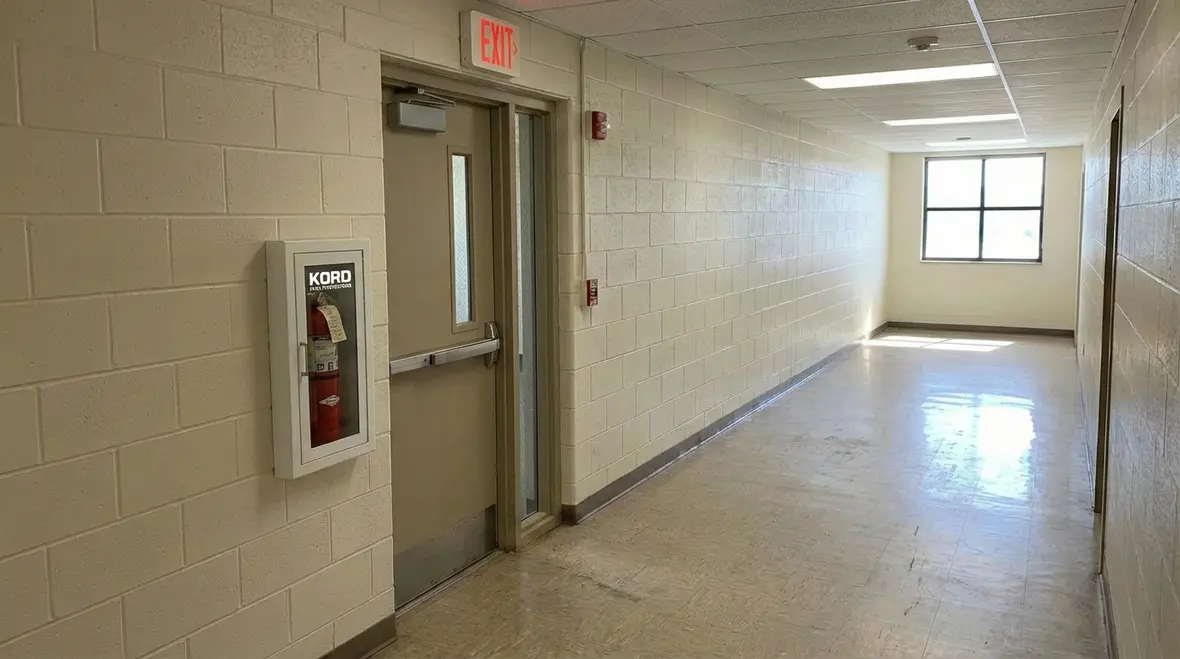
Scaling protection beyond Anaheim city limits
Many property owners manage portfolios that stretch across Orange County. In those cases, coordinating with a regional partner like Kord’s Anaheim fire protection services or the broader Orange County fire protection team helps standardize extinguisher programs, inspection cycles, and emergency procedures from one building to the next.
FAQ About Fire Extinguisher Rules in Anaheim
Stay Protected and Stay Ready
The guidelines for fire extinhuishers in Anaheim exist to protect people, not to create paperwork. When equipment is properly selected, installed, and maintained, it stands ready for the moment it is needed most. Kord Fire Protection technicians help businesses meet these standards with clarity and confidence.
Schedule a professional assessment today and ensure every extinguisher on the wall truly serves its purpose when it matters most. If you are coordinating multiple locations or upgrading other systems like alarms and sprinklers, explore Kord’s full fire protection services and dedicated Anaheim fire protection services to build a complete, code-compliant safety strategy for your entire property.
Know Your Weapon Before You Fight the Flame
Kord Fire Protection is your go-to when it comes to all things fire protection. For over 20 years, we’ve been serving Southern California with the quality service and equipment to keep your home or business safe at all times. Our competitive prices reflect our unwavering commitment to protecting what matters most in the event of a fire emergency. Give us a call, send an email, or use that form!

Join Our Newsletter!
Get the latest fire safety tips delivered straight to your inbox From our Newsletter.