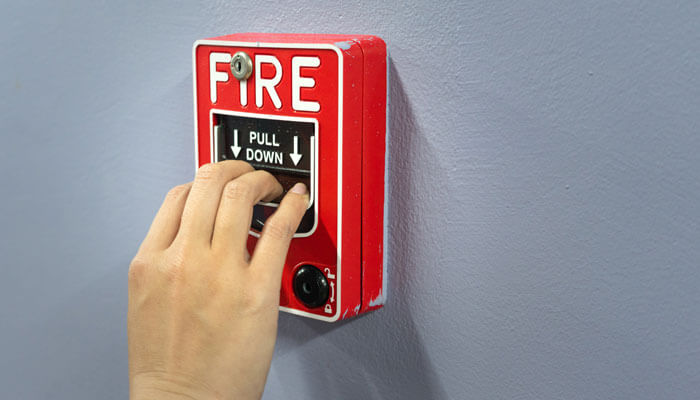
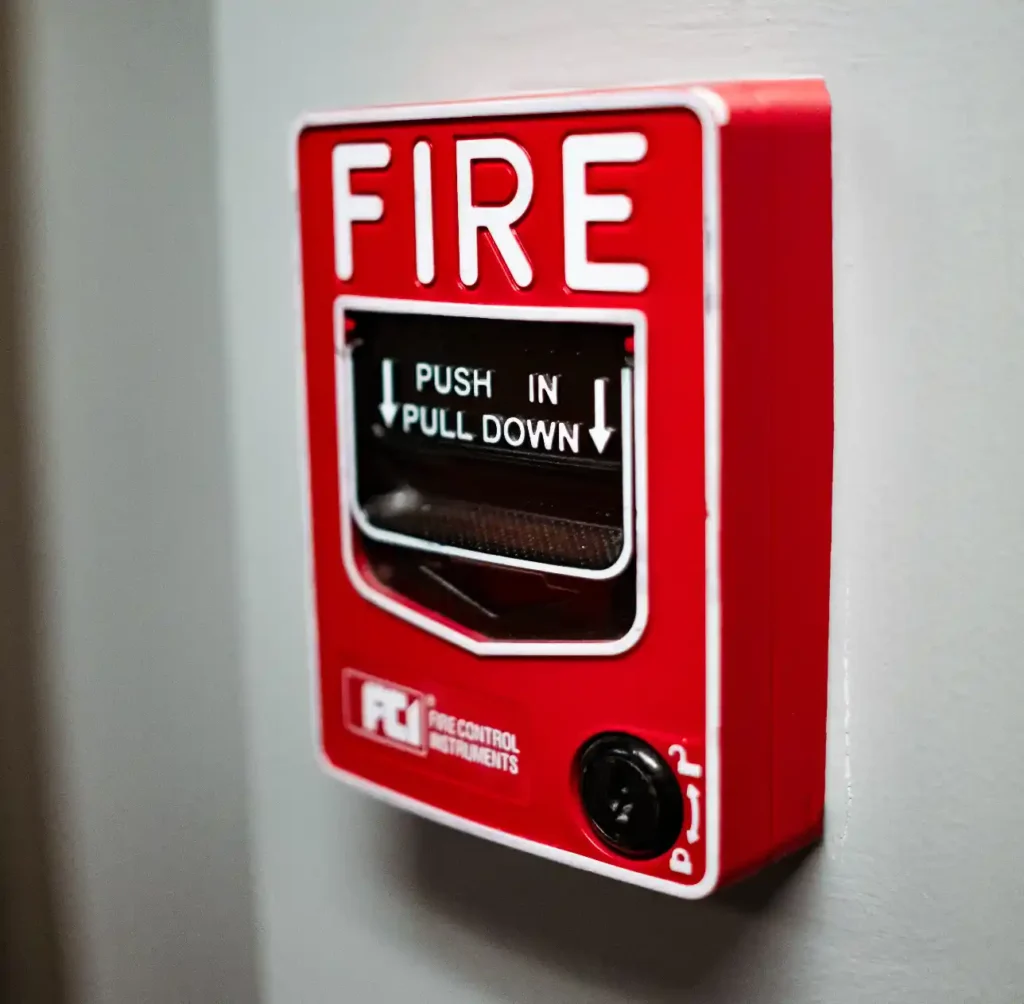
Fire Alarm Maintenance in Island Environments
Salt hangs in the air. Wind pushes against every surface. Humidity settles into wires and panels like it has a mortgage. In these places, a fire alarm in island environments does not simply exist. It endures.
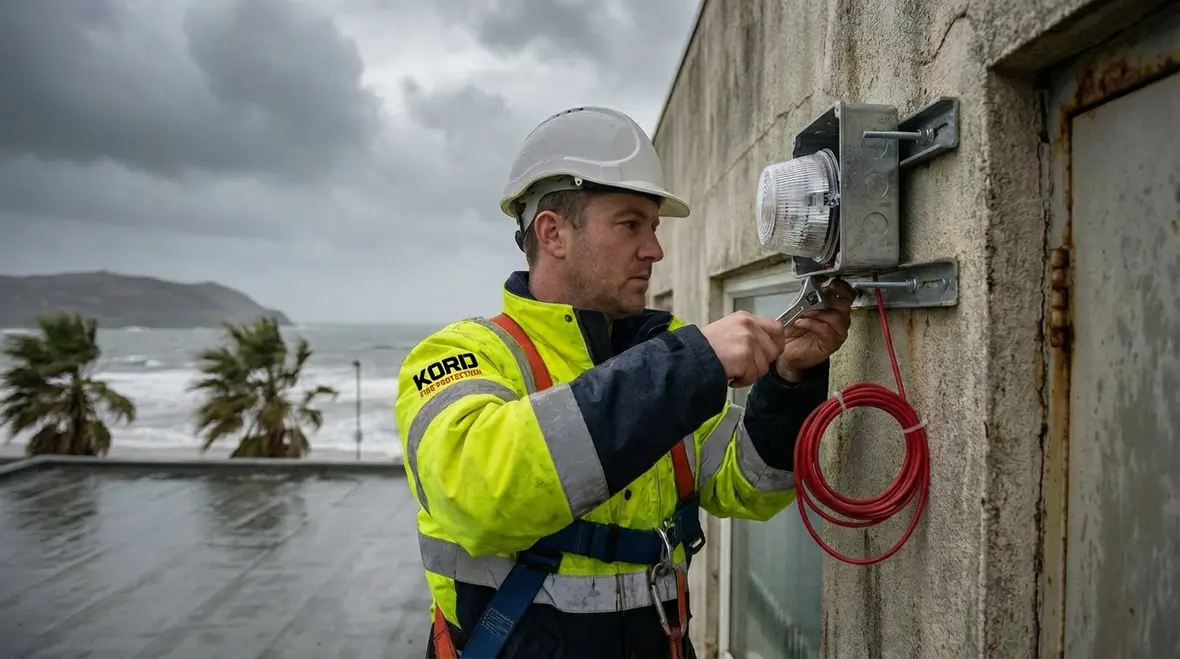
From beachfront resorts to remote research stations, fire protection near the ocean faces a different set of rules. Metal corrodes faster. Circuits wear down sooner. Even the smallest maintenance oversight can turn into a costly failure. That is why Kord Fire Protection technicians often explain that maintaining systems on islands is less about routine checklists and more about understanding the environment itself. And while the ocean view may be breathtaking, the maintenance plan behind the walls needs to be just as impressive.
Let us walk through what makes island fire alarm maintenance unique, why it demands more attention, and how property owners can stay ahead of the tide.

Understanding the Harsh Reality of Coastal Conditions
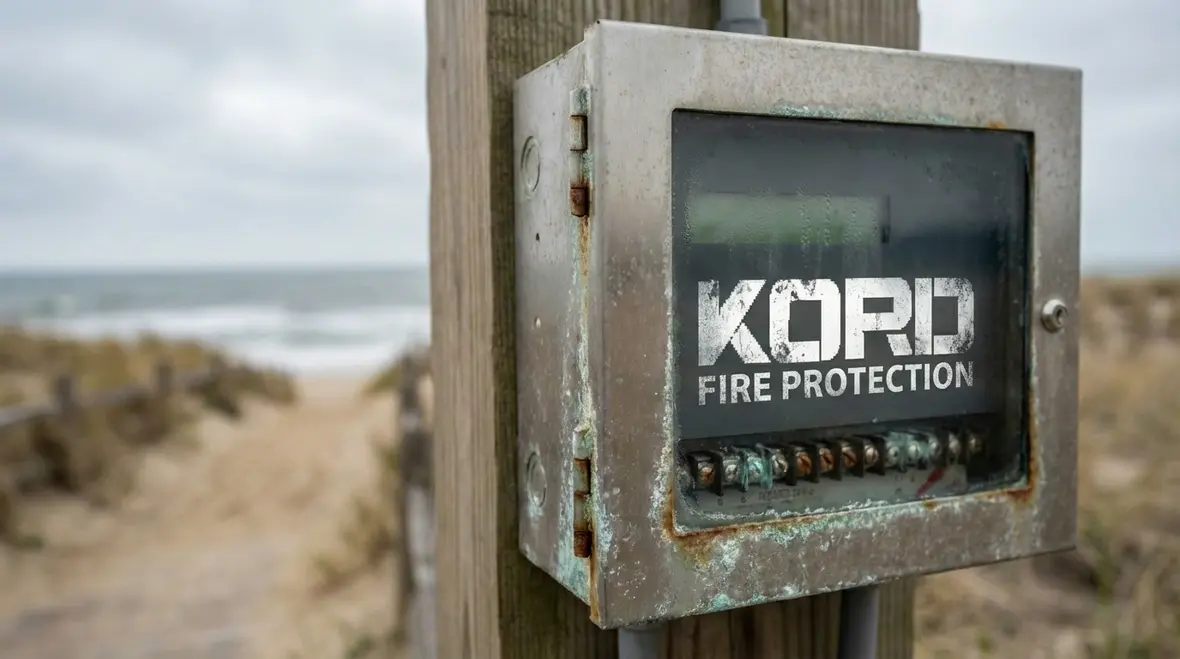
First, there is the salt. Salt air does not politely knock before entering a control panel. It seeps in. It settles. Over time, it corrodes terminals, weakens connections, and shortens equipment lifespan. As a result, devices that might last years inland can struggle much sooner near the coast.
Humidity adds another layer. Moisture forms condensation inside detectors and enclosures. Consequently, sensitive components may trigger false alarms or fail during an actual emergency. Anyone who has heard a 3 a.m. alarm due to moisture knows it is not the kind of wake up call one enjoys. It is less heroic action movie moment and more exhausted homeowner in slippers.
Wind driven sand and debris also impact outdoor notification devices and conduit seals. Therefore, regular inspection is not optional. It is essential. Kord Fire Protection technicians often explain that in island settings, maintenance schedules must adapt to the climate rather than follow a generic template.
How Often Should a Fire Alarm System Be Serviced on an Island?
In many regions, codes require annual inspections. However, island properties often benefit from more frequent checks. Quarterly visual inspections and semi annual testing can significantly reduce long term risk.
Why the increase? Because corrosion does not wait for paperwork. Additionally, fluctuating temperatures and storms accelerate wear. So while a mainland facility may operate smoothly between yearly inspections, coastal systems need closer attention.
Kord Fire Protection technicians explain this with calm clarity. They remind property managers that proactive service costs far less than emergency repairs after a storm surge or lightning strike. In short, a little prevention beats a dramatic movie style electrical meltdown every time.
Key Components That Suffer Most Near the Ocean
Not every part of a system ages the same way. In island conditions, certain components demand extra focus.
Control Panels
Salt corrosion on terminals can lead to communication faults. Therefore, technicians inspect connections closely and apply protective treatments where appropriate.
Smoke Detectors
Humidity can affect sensor chambers. As a result, cleaning schedules may need adjustment to prevent false alarms.
Notification Appliances
Outdoor horns and strobes face constant exposure to wind and salt spray. Consequently, weather rated devices with proper sealing are crucial.
Batteries
High heat and moisture reduce battery life. For that reason, load testing becomes even more important in coastal systems.
Each of these parts plays a role. When one fails, the whole chain weakens. And in fire protection, weak links are not something anyone wants.
Designing Maintenance Plans for Fire Alarm Systems in Island Environments
Maintenance in coastal regions works best when it is custom built. A standard checklist from a dry inland city simply will not cut it.
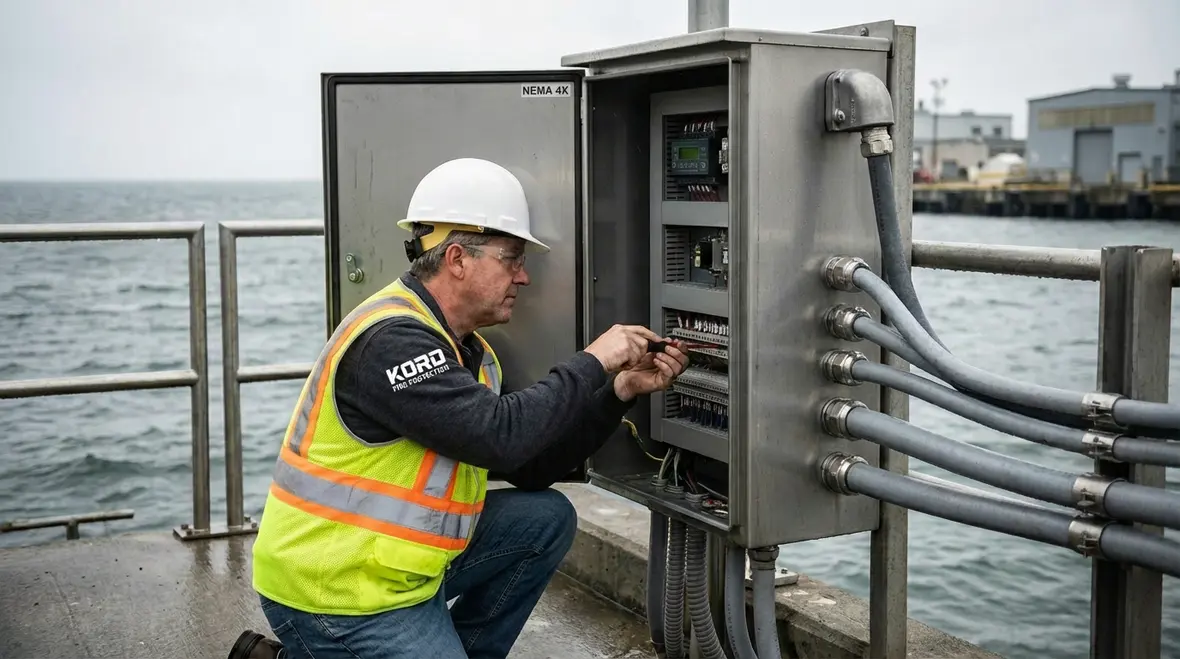
Technicians begin with environmental assessment. They evaluate building exposure to direct ocean wind, proximity to shoreline, and ventilation patterns. Then, they adjust service intervals accordingly.
Additionally, they look at enclosure ratings. NEMA rated cabinets, corrosion resistant hardware, and sealed conduit connections offer stronger defense. Kord Fire Protection technicians often emphasize that investing in higher grade materials upfront reduces repeated service calls later. It is like choosing sunscreen with actual SPF instead of hoping for cloud cover.
Furthermore, surge protection becomes critical. Island storms bring lightning, and lightning does not negotiate. Therefore, proper grounding and surge devices protect sensitive electronics from sudden spikes.
Inspection Focus Areas in Coastal Facilities
Technicians conducting maintenance on a fire alarm in island environments follow a more detailed routine. They pay special attention to:
Corrosion Signs
They check terminals, screws, and circuit boards for early rust or discoloration.
Seal Integrity
They inspect gaskets and conduit seals to ensure moisture stays out.
Battery Condition
They measure voltage under load, not just at rest.
Detector Sensitivity
They confirm smoke detectors respond correctly without drifting due to humidity.
Because these steps happen consistently, system reliability increases. And while it may not sound glamorous, reliability is the real superhero in this story.
Common Mistakes Property Owners Make
Even experienced facility managers sometimes assume that a fire alarm system functions the same everywhere. Unfortunately, that assumption leads to shortcuts.
One common mistake is delaying minor repairs. A small corrosion spot today can grow into a failed circuit tomorrow. Another mistake involves using non rated replacement parts. Standard metal fittings corrode faster in salt air, which means repeat failures.
Additionally, some owners overlook documentation. Detailed service records help identify patterns over time. For example, if certain devices fail more frequently near ocean facing walls, technicians can adjust protection methods. Without records, those trends remain hidden.
Kord Fire Protection technicians explain these risks in simple terms. They avoid scare tactics. Instead, they present facts with steady confidence. After all, panic helps no one. Planning does.
Preventive Upgrades That Make a Big Difference
Maintenance is not only about fixing problems. It is also about strengthening systems before trouble appears.
Corrosion Resistant Hardware
Stainless steel screws and brackets resist salt damage.
Protective Coatings
Special sprays and treatments shield circuit boards from moisture.
Weather Rated Devices
Outdoor components designed for marine climates last longer.
Enhanced Monitoring
Remote monitoring ensures immediate response if faults occur.
When property owners combine these upgrades with routine service, the overall life of a fire alarm system in island environments improves significantly. And that means fewer surprises during inspection day.
Dual View: Standard Maintenance vs Island Specific Maintenance
Standard Mainland Approach
- Annual inspection only
- Basic metal hardware
- Minimal corrosion checks
- Standard surge protection
- Stable humidity assumptions
Island Specific Approach
- Quarterly visual checks
- Marine grade hardware
- Detailed corrosion inspections
- Advanced surge and grounding systems
- Humidity impact testing
Side by side, the difference becomes clear. Island systems demand more attention because the environment demands more resilience.
Storm Preparedness and Post Storm Inspections
Islands face tropical storms and hurricanes. Therefore, maintenance planning must include storm readiness.
Before storm season, technicians verify battery backups, secure exterior devices, and confirm communication lines. After major weather events, inspections check for water intrusion and electrical damage. Even if the system appears normal, hidden moisture can cause later failure.
Kord Fire Protection technicians often describe post storm inspections as peace of mind visits. They ensure that the calm after the storm is not just temporary.
Training On Site Staff for Early Detection
While professional inspections remain critical, trained staff add another layer of safety. Facility teams can monitor for trouble signals, corrosion spots, or unusual alarm behavior.
Consequently, early reporting prevents larger failures. A small alert today avoids a full system shutdown tomorrow. It is similar to noticing a leak before the ceiling becomes an indoor waterfall. Nobody wants that kind of renovation surprise.
Why Professional Expertise Matters in Island Fire Protection
Experience shapes outcomes. Technicians familiar with coastal systems recognize patterns quickly. They know which components fail first. They understand how salt travels through ventilation paths. Most importantly, they adapt.
Kord Fire Protection technicians explain complex electrical topics in clear, steady language. They help property managers understand not just what needs repair, but why. That transparency builds trust. And in safety systems, trust matters.
Moreover, compliance requirements often differ in coastal zones. Insurance carriers may demand stricter documentation. Therefore, working with specialists ensures both code adherence and reliable performance.
Long Term Value of Consistent Maintenance
A well maintained fire alarm in island environments protects more than buildings. It protects businesses, guests, and communities. Resorts rely on guest confidence. Hospitals depend on uninterrupted safety systems. Residential complexes need reliability for families.
Although maintenance requires investment, neglect costs far more. Emergency repairs, code violations, and liability risks quickly exceed routine service fees. In the long run, structured maintenance saves money and prevents stress.
And let us be honest. Peace of mind pairs nicely with an ocean view.
Frequently Asked Questions
Conclusion: Protect What the Ocean Cannot
Island life offers beauty, but it also brings challenge. A reliable fire alarm system in island environments requires planning, precision, and experienced hands. Kord Fire Protection technicians stand ready to guide property owners with steady expertise and practical solutions.
Schedule a professional assessment today, strengthen your system against the elements, and ensure that when the unexpected happens, safety responds without hesitation.
If your property is along the Southern California coast or on nearby islands, explore dedicated regional support such as Catalina Island Fire Protection Services and broader Los Angeles County fire protection coverage to align your island fire alarm maintenance with proven coastal strategies.
For comprehensive inspections, testing, and upgrades that keep island systems resilient year round, request service through Kord Fire’s Fire Alarm Services team and put a long term maintenance plan in place before corrosion and storms get a head start.
Know Your Weapon Before You Fight the Flame
Kord Fire Protection is your go-to when it comes to all things fire protection. For over 20 years, we’ve been serving Southern California with the quality service and equipment to keep your home or business safe at all times. Our competitive prices reflect our unwavering commitment to protecting what matters most in the event of a fire emergency. Give us a call, send an email, or use that form!

Join Our Newsletter!
Get the latest fire safety tips delivered straight to your inbox From our Newsletter.