Gardena Fire Hydrant Testing Services Guide
In Gardena, safety is not a slogan painted on a wall. It is a system. And at the heart of that system stands a bright red sentinel on the corner of nearly every block. Gardena fire hydrant testing ensures those silent guardians are ready when seconds matter most. While most people drive past hydrants without a second glance, professionals understand that regular inspection and flow verification can mean the difference between control and catastrophe. That is why property managers, municipalities, and business owners turn to experienced teams like Kord Fire Protection. Their technicians do not just turn valves. They explain the process, the purpose, and the protection behind every test.
What Happens During Fire Hydrant Testing in Gardena
When someone searches for how hydrant inspections work in Gardena, they usually want a clear answer. So here it is.
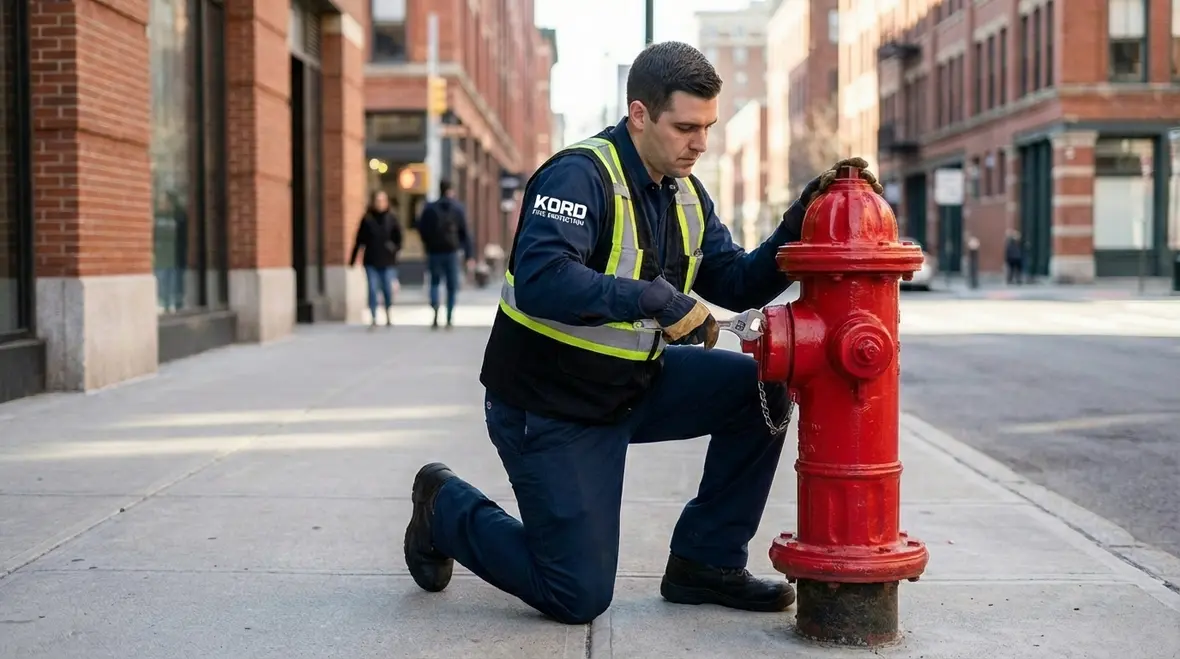
Technicians begin with a visual inspection. They check for visible damage, leaks, missing caps, corrosion, and proper clearance around the hydrant. A hydrant buried in landscaping might look charming, but in an emergency, firefighters need fast access, not a gardening project.
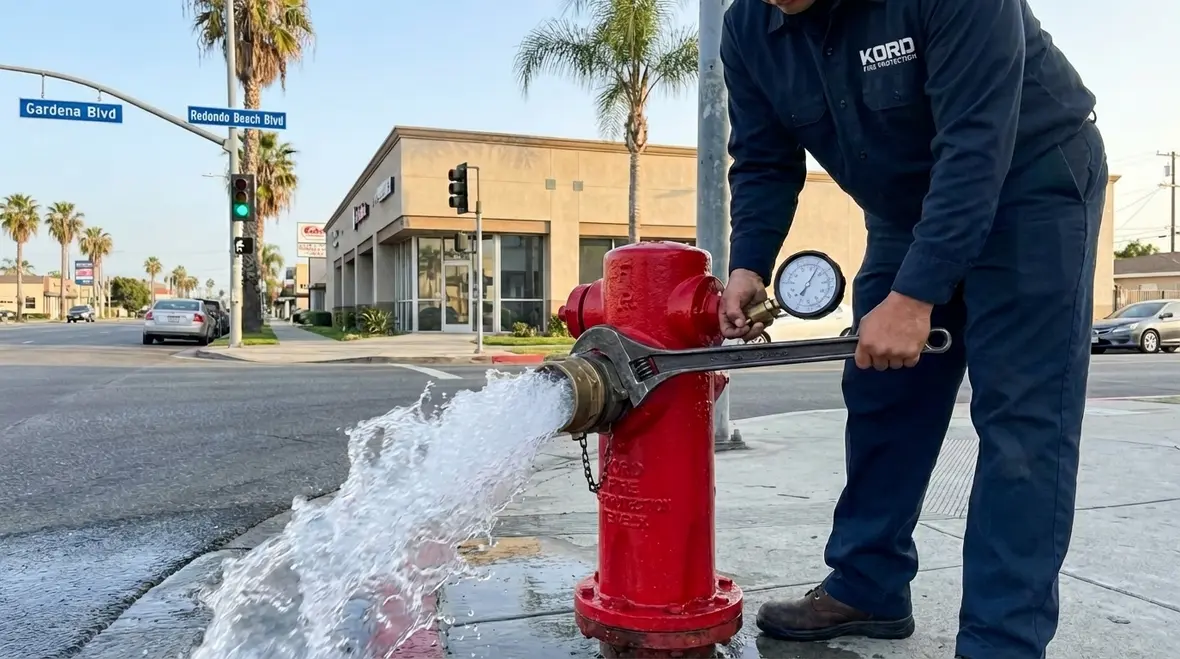
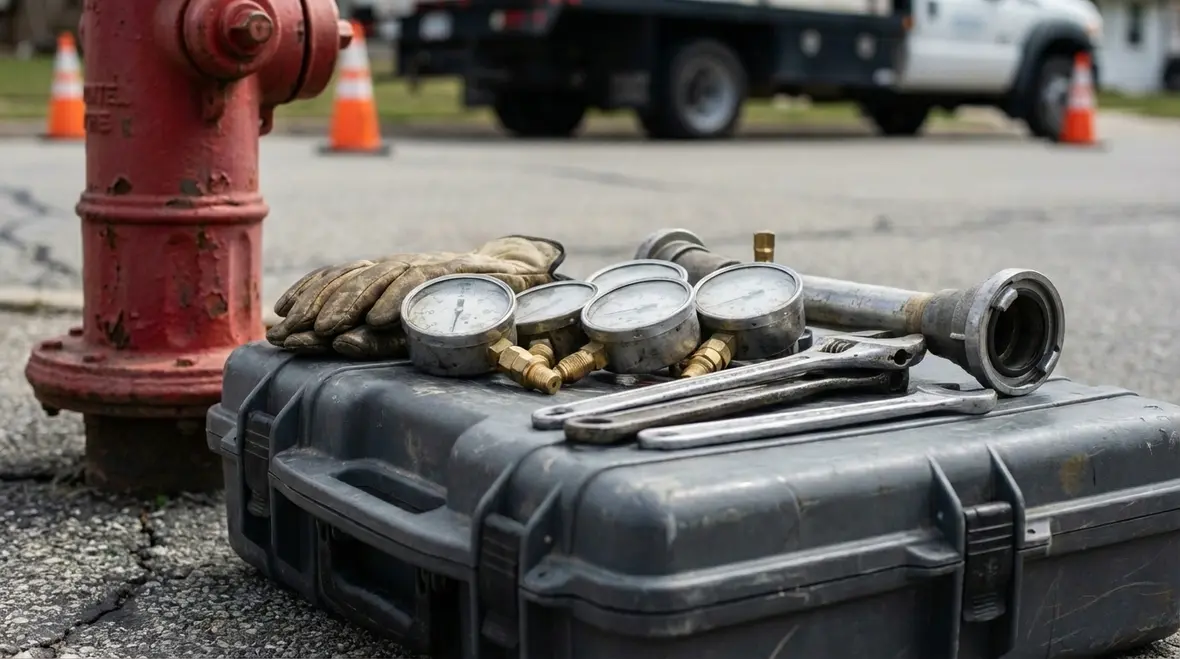
Next comes the mechanical inspection. The team removes caps, lubricates threads, and slowly opens the valve to confirm smooth operation. They check for unusual resistance or internal damage. After that, they conduct a flow test. This step measures water pressure and volume using calibrated gauges and diffusers. The results reveal whether the hydrant delivers enough water for fire suppression.
Kord Fire Protection technicians take time to explain these readings to property owners. They break down static pressure, residual pressure, and flow rate in simple terms. No technical fog. No mystery charts. Just clear answers about how well the hydrant performs.
Finally, they document everything. Accurate records help cities maintain compliance and assist engineers in evaluating water supply capacity for new developments. In other words, testing is not guesswork. It is data driven protection.
If you want to see how this testing ties into national standards, Kord Fire’s NFPA 291 Fire Hydrant Testing and Marking Guide walks through the rating and color marking process used by inspectors across California.
Why Regular Hydrant Inspections Matter for Public Safety
Hydrants do not complain when something goes wrong. They do not send warning texts. However, internal corrosion, underground valve damage, or sediment buildup can reduce performance over time. Therefore, routine inspection protects against silent failure.
In a fire emergency, water flow must be immediate and strong. If pressure drops unexpectedly, firefighters lose valuable time. Moreover, insufficient flow can limit the number of hoses operating at once. That is a risk no community should take.
Additionally, insurance carriers often require documented maintenance for commercial properties. Regular testing demonstrates responsible risk management. It shows that a property owner takes fire protection seriously, not just when headlines appear.
There is also a practical side. Early detection of minor issues prevents costly repairs later. Replacing a worn gasket costs far less than excavating a failed underground connection. As the saying goes, an ounce of prevention beats a construction crew at 7 in the morning.
For a deeper look at how hydrant performance fits into larger water system planning, Kord’s Fire Hydrant Water Supply System Design Guide explains how engineers use test data to keep hydrants and mains working together when demand surges.
Who Needs Gardena Fire Hydrant Testing Services
Many assume hydrant testing only concerns city officials. That is not the full picture. Several groups rely on scheduled inspections to stay compliant and protected.
Property Owners and Managers
Commercial buildings, apartment complexes, and industrial facilities often have private hydrants on site. These systems require regular verification to meet fire code standards.
Developers and Engineers
Before construction begins, flow data determines whether the existing water supply supports the planned structure. Without accurate testing, design assumptions can fall apart.
Many design teams in Southern California lean on Kord Fire’s Fire Hydrant Testing Services to verify that Gardena hydrants deliver the pressure and volume their plans expect.
Municipal Agencies
Cities use hydrant assessments to maintain infrastructure and plan upgrades. Reliable data guides budgeting and public safety planning.
Insurance Representatives
Underwriters review fire protection features when calculating risk. Updated inspection records strengthen a property profile.
Kord Fire Protection technicians work closely with each of these groups. More importantly, they adapt their communication style. Engineers receive detailed numbers. Property managers receive clear summaries. Everyone leaves informed.
Inside the Process: Tools, Measurements, and Safety Protocols
Hydrant testing may look simple from the sidewalk, yet it involves precise equipment and strict safety steps.
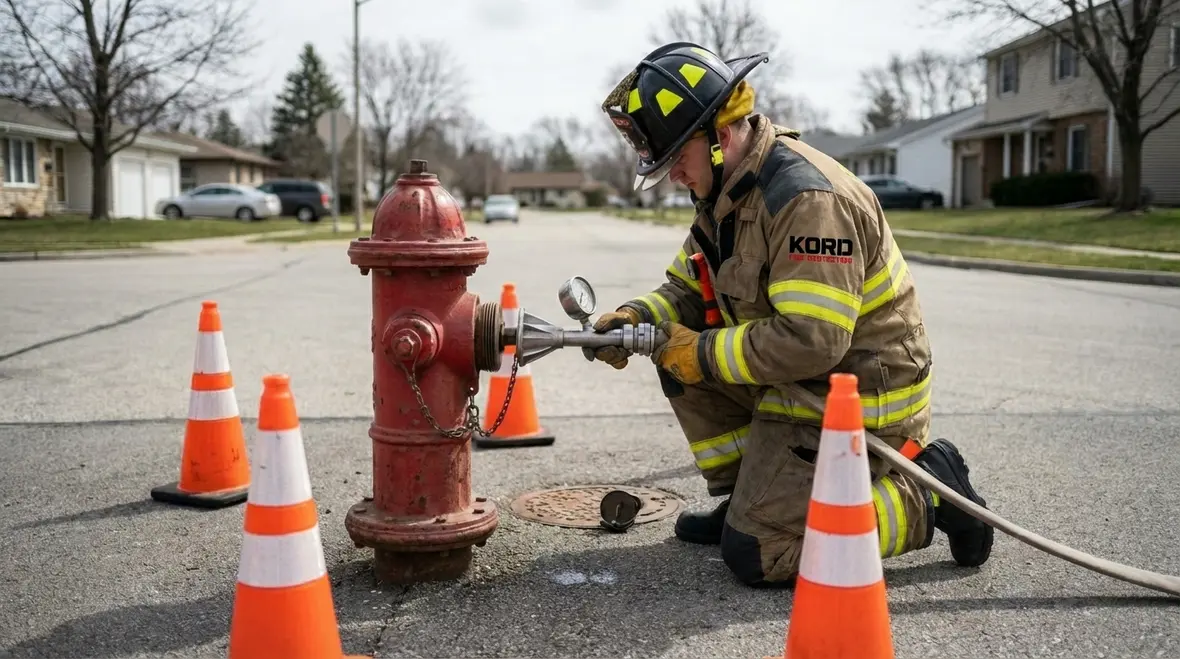
Technicians use calibrated pitot gauges to measure velocity pressure. They attach diffusers to control water discharge safely. Without a diffuser, high velocity flow could damage pavement or landscaping. And nobody wants a surprise swimming pool forming in the parking lot.
They also follow controlled opening and closing procedures. Opening a hydrant too quickly can cause water hammer, a pressure surge that stresses pipes. By operating valves slowly, technicians protect the entire water system.
Traffic control measures often come into play as well. Cones, signage, and sometimes coordination with local authorities keep drivers and pedestrians safe. Testing is about prevention, not creating new hazards.
After measurements are complete, crews ensure proper drainage. Standing water near the hydrant can signal internal drainage failure. Therefore, they verify that the barrel empties correctly after shutdown.
Each step builds on the previous one. Visual inspection informs mechanical checks. Mechanical checks support flow testing. Flow data guides maintenance decisions. It is a chain of responsibility, and every link matters.
Common Problems Found During Hydrant Testing
Even in well maintained areas, issues surface from time to time. Fortunately, routine hydrant evaluations in Gardena catch these concerns early.
One common problem is low residual pressure. This may point to partially closed valves elsewhere in the system or sediment buildup in pipes. Another issue involves damaged threads or missing caps, which expose the hydrant to debris and vandalism.
Sometimes technicians discover internal leaks that are not visible above ground. Over time, these leaks waste water and reduce available pressure. In other cases, poor drainage leaves water trapped inside the hydrant barrel. During colder months, trapped water can freeze and crack components.
Kord Fire Protection technicians do more than list problems. They walk clients through the cause and the fix. They outline repair options, estimated timelines, and compliance implications. As a result, property owners feel confident rather than overwhelmed.
How Often Should Hydrants Be Tested in Gardena?
The short answer is at least annually. However, frequency may vary based on local regulations, property type, and insurance requirements.
High risk facilities such as warehouses storing combustible materials may require more frequent verification. Likewise, newly developed areas benefit from early and repeated testing to confirm system reliability.
Consistency matters more than guesswork. Scheduled inspections create a performance history. Over time, trends appear. If flow rates gradually decline, technicians can investigate before the situation becomes urgent.
Skipping a year might not seem dramatic. Yet fire protection works best when treated as a routine, not a reaction. Think of it like a dental checkup for infrastructure. Ignore it long enough, and the bill gets uncomfortable.
Hydrant Testing Data Explained Clearly
Numbers alone do not protect buildings. Understanding them does. Below is a simplified breakdown of what technicians measure and why it matters.
Measurement
- Static Pressure
- Residual Pressure
- Flow Rate
- Hydrant Condition
Why It Matters
- Shows water pressure in the system before flow begins
- Indicates pressure available during active water flow
- Reveals how many gallons per minute the hydrant can deliver
- Confirms mechanical reliability and accessibility
When Kord Fire Protection technicians review this information, they translate it into practical impact. For example, they may explain how a specific flow rate supports a certain building size or sprinkler demand. Consequently, clients connect data to real world protection.
If you are curious how those numbers relate to hydrant color bands on caps and bonnets, Kord’s Fire Hydrant Colors Code article breaks down flow classes in simple language.
Choosing the Right Team for Hydrant Testing in Gardena
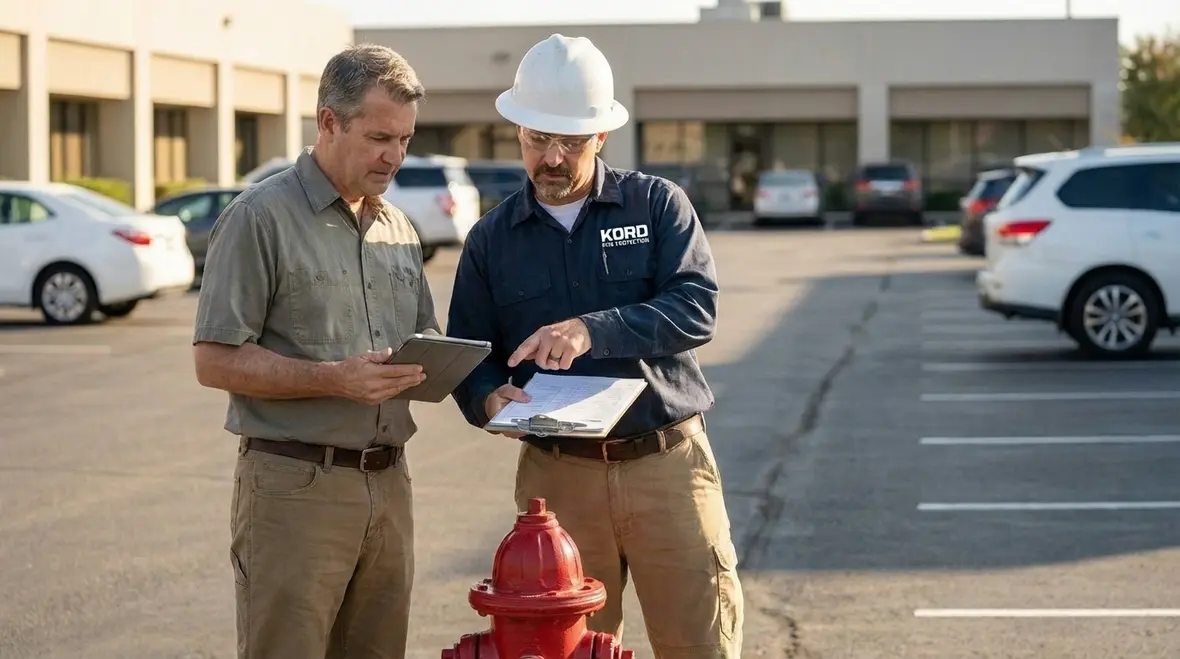
Not all testing services approach the job with the same level of care. Experience, equipment quality, and communication style make a real difference.
A qualified provider understands local codes and reporting standards. They maintain calibrated tools and follow safe discharge practices. Additionally, they document findings in a format accepted by authorities and insurers.
Kord Fire Protection technicians stand out because they combine technical skill with clear explanation. They answer questions on site. They provide organized reports. And they treat each property as if lives depend on it. Because, in truth, they do.
Choosing the right team is not just about checking a compliance box. It is about building confidence in the systems that stand ready when alarms sound.
Frequently Asked Questions
Secure Protection Before It Is Needed
Fire does not wait for convenience. Therefore, preparation must come first. With professional Gardena fire hydrant testing performed by Kord Fire Protection technicians, property owners gain clarity, compliance, and confidence. Schedule a thorough inspection, review the data, and ensure every hydrant stands ready to perform. When the unexpected happens, preparation speaks louder than panic. Reach out today and let experienced hands safeguard what matters most.
If you manage properties beyond hydrants alone, Kord’s regional team also supports systems throughout Los Angeles County. Their Gardena Fire Protection Services overview outlines how hydrant inspections connect with standpipes, sprinklers, alarms, and more.
Schedule Hydrant Testing & Full Fire Protection Support
Ready to confirm that your Gardena hydrants, sprinklers, and alarms are all working together the way they should? Explore Kord Fire’s statewide service capabilities on their Full Fire Protection Services page, then request a quote to line up testing, inspections, or repairs for your next compliance cycle.
Know Your Weapon Before You Fight the Flame
Kord Fire Protection is your go-to when it comes to all things fire protection. For over 20 years, we’ve been serving Southern California with the quality service and equipment to keep your home or business safe at all times. Our competitive prices reflect our unwavering commitment to protecting what matters most in the event of a fire emergency. Give us a call, send an email, or use that form!

Join Our Newsletter!
Get the latest fire safety tips delivered straight to your inbox From our Newsletter.