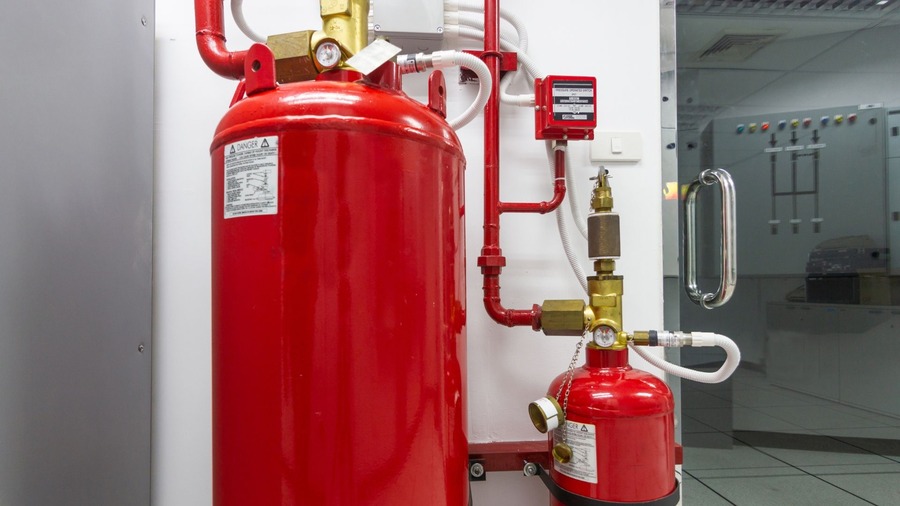
Fire Suppression System Recharge After Discharge
After a discharge, the fire suppression system becomes more than a safety feature. It becomes a promise that the building will protect people again. That is why fire suppression system recharge matters right away. When the agent is released, pressure drops, tanks empty, and key parts need a careful reset. Then, the system must be restored to the exact ready condition the inspection standards expect. And yes, the building team does not want to treat this like resetting a router at 2 a.m. because that is how problems stay awake. While some try to rush the process, experienced technicians help ensure the system returns to service correctly, safely, and on schedule.
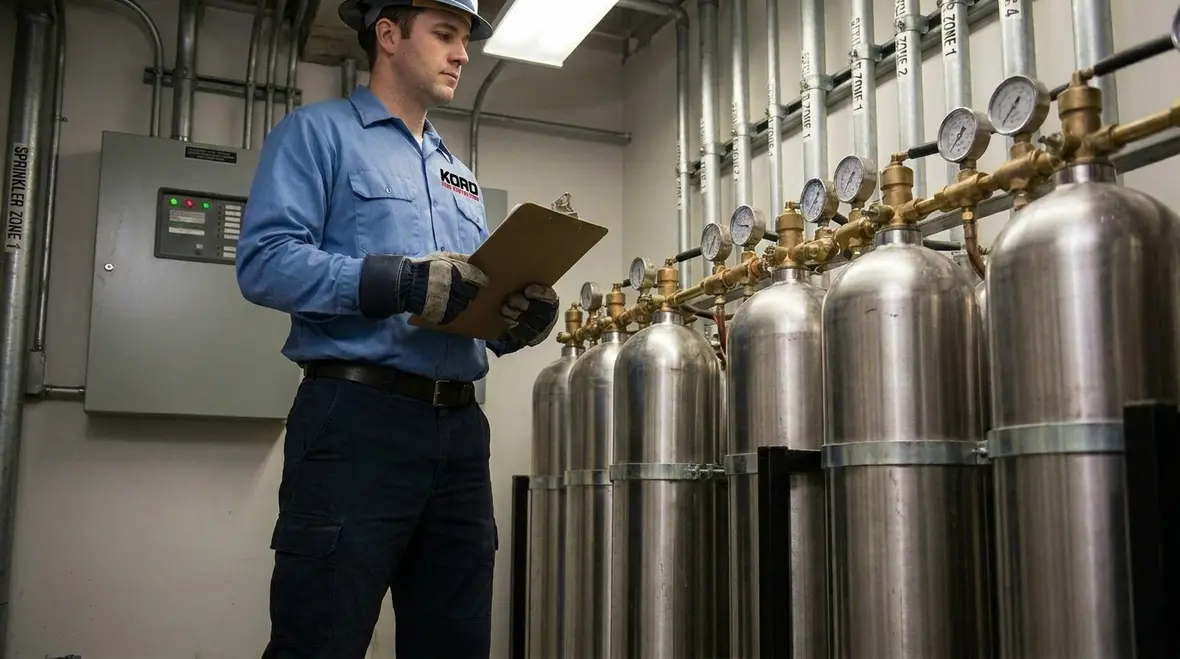
When a suppression system discharges, what must be restored?
Third person teams often ask what really changes after discharge. The answer is simple, but the work is not. During a release, the system uses the stored agent and the pressure that pushes it through the piping. As a result, several elements need restoration, verification, and documentation.
- The agent quantity must be replenished to the rated level
- Operating pressure must be brought back within spec
- Discharge components must be inspected for damage or residue
- Detection and control functions must be checked for proper status
Furthermore, the correct recharge method depends on the system type, the piping layout, and how the discharge happened. If someone assumes one size fits all, the system may still look “set” while quietly failing its real-world readiness test. That is one reason facilities often connect recharge decisions to broader suppression planning and maintenance, especially when coordination with related protection systems matters. Kord Fire also highlights complete suppression support for facilities that need a wider strategy beyond a single refill appointment. ([kordfire.com](https://kordfire.com/fire-suppression/?utm_source=openai))
Why restoration is more than just adding agent
A discharged system does not simply need more contents in the cylinder. It needs confirmation that valves seat correctly, releasing hardware has not been compromised, and supervisory functions show the right condition. Inference from Kord Fire’s service positioning and suppression pages suggests that recharge is best treated as a controlled return-to-readiness process, not a quick refill with crossed fingers. ([kordfire.com](https://kordfire.com/full-fire-protection-services/?utm_source=openai))
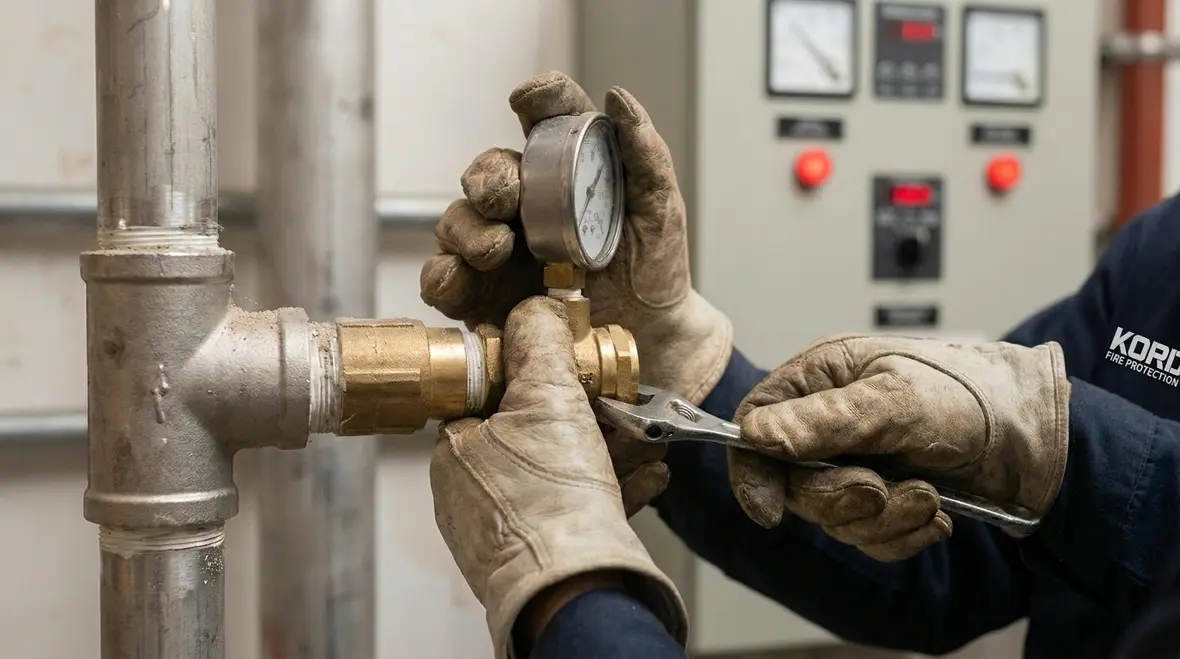
What does fire suppression system recharge include?
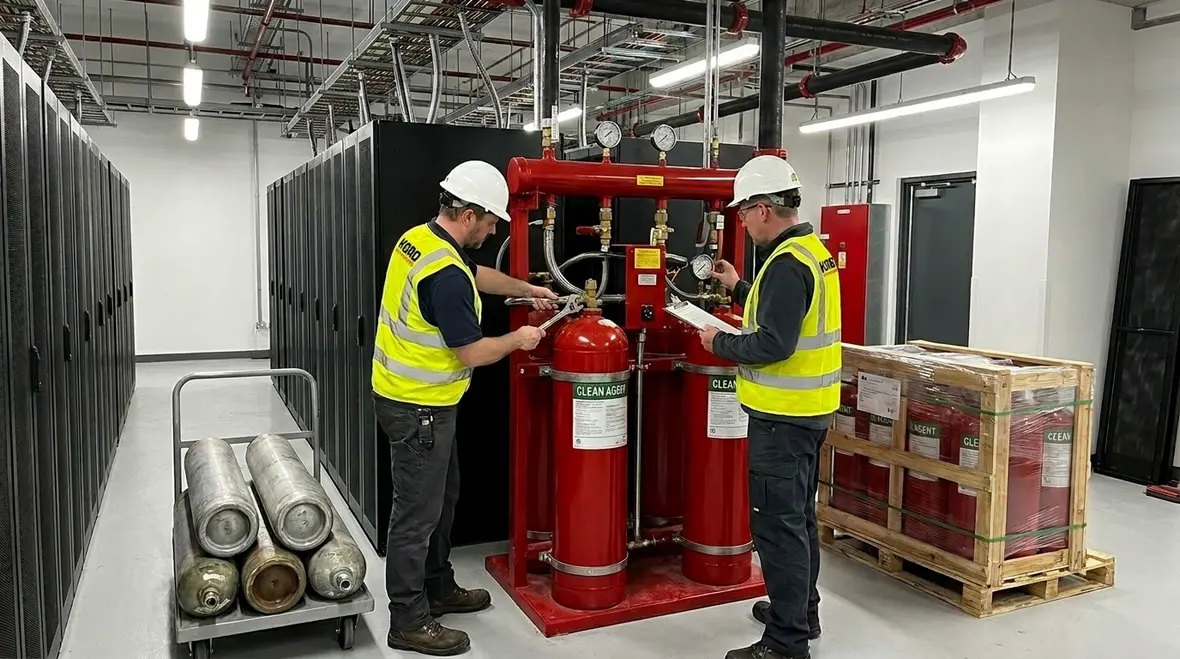
A proper fire suppression system recharge follows a clear sequence, and it starts with facts. Technicians review the event details, then verify component condition before adding anything back. This approach prevents the common mistake of “recharging” first and diagnosing later. After all, topping off without inspection is like refilling a gas tank while ignoring a smoking engine. It may move the truck, but the fire risk still owns the steering wheel.
Typically, recharge includes these steps:
- System assessment to confirm what discharged and what remains intact
- Agent replenishment based on manufacturer requirements and local codes
- Pressure restoration and leak checks
- Functional testing of actuation and control circuits
- Verification that the system returns to the programmed discharge plan
After that, technicians compile service records so the building owner can maintain compliance history. Even when no one sees the paperwork, authorities and insurers often do. Kord Fire’s full-service overview emphasizes code compliance, inspection readiness, and coordinated support across protection systems, which aligns with the need for documentation and orderly restoration after a discharge event. ([kordfire.com](https://kordfire.com/full-fire-protection-services/?utm_source=openai))
Where rushed recharge goes wrong
The temptation after a discharge is understandable. Everyone wants the system back online yesterday. But when teams skip diagnostics, ignore fault history, or fail to verify pressure stability, they trade speed now for uncertainty later. That is exactly the kind of shortcut that creates the dreaded “it looked fine on paper” moment nobody wants during an emergency.
Why prompt service helps prevent downtime and risk
When a discharge occurs, the clock starts running on both safety and operations. However, the goal is not speed for its own sake. The goal is correct restoration while minimizing downtime. If the system remains out of service, the building operates with a reduced safety buffer. And depending on the occupancy, that can influence insurance coverage and business continuity.
In many cases, teams benefit from rapid scheduling because it shortens the time between discharge and return-to-service. For example, detection systems, electrical panels, and agent cylinders can become priorities for follow-up checks. Moreover, a timely recharge reduces the chance that other parties rush their own fixes, which often leads to mismatched parts or incomplete documentation. Kord Fire states that emergency fire protection services are available and that suppression system service is part of its offering, supporting the value of quick response when a facility needs to restore protection. ([kordfire.com](https://kordfire.com/anaheim-fire-protection-services/?utm_source=openai))
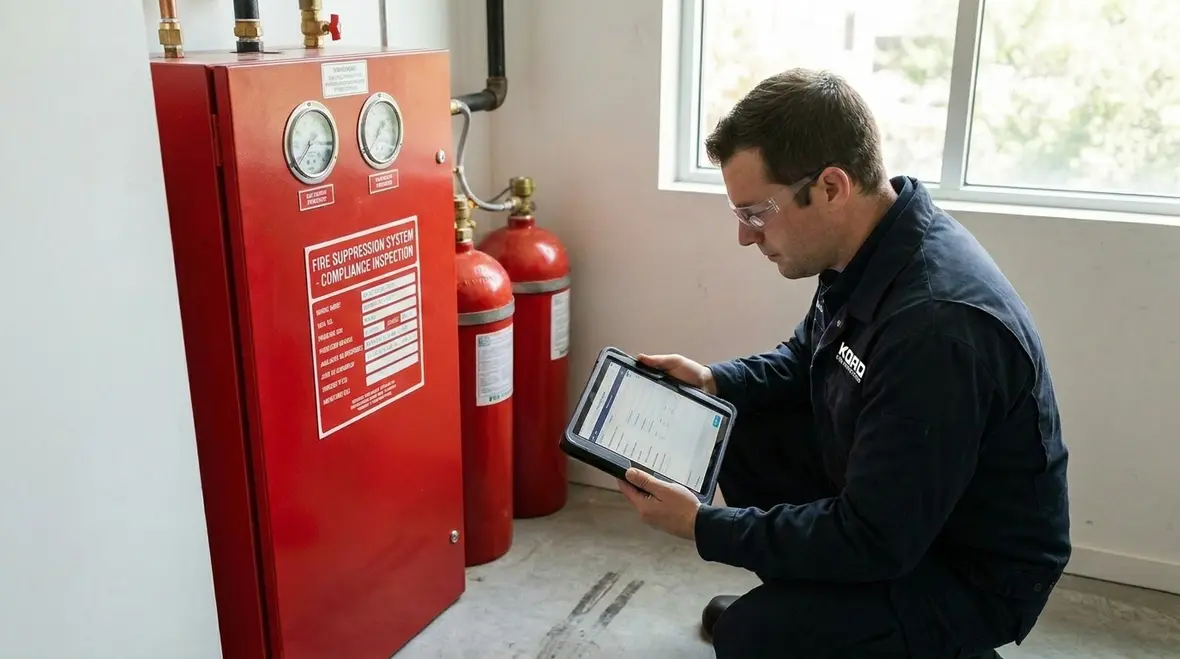
Common issues technicians find during recharge
Even when the discharge seems straightforward, the aftermath often reveals hidden problems. Technicians frequently find issues that do not cause the discharge itself, but they can affect performance afterward. Therefore, inspection during recharge becomes the difference between “ready” and “actually ready.”
- Minor leaks that escape notice without pressure testing
- Connector and valve wear from the discharge event
- Residual contamination in certain areas that need cleaning
- Control panel fault history that can repeat if not cleared correctly
- Incorrect cylinder labeling or mismatch between records and actual components
And yes, sometimes the system behaved exactly as designed, but the building team treated it like a one time event. Fire protection does not work like a superhero cameo. It needs consistent maintenance so it can show up reliably when it matters. Related Kord Fire content on false discharges also notes that clean agent systems still require recharging and recalibration after unwanted releases, reinforcing the need to inspect for follow-up issues instead of assuming the event is over once the room clears. ([kordfire.com](https://kordfire.com/fire-suppression-system-false-discharge-causes-and-fixes/?utm_source=openai))
Documentation problems are more common than people expect
One of the least glamorous problems is also one of the most stubborn. Records and actual hardware do not always match. Labels fade, components get swapped over time, and prior service notes can leave out the details everyone suddenly cares about after a discharge. That is why technicians who verify the physical condition against the system record save owners from a lot of second-round confusion.
How Kord Fire Protection supports recharge after discharge
After discharge, the building needs more than a fill-and-go approach. Kord Fire Protection can become a vital partner because it brings process discipline, documentation habits, and system knowledge into the service plan. In other words, the company does not just recharge; it verifies readiness. That verification matters because even small differences in agent quantity or pressure can change how the system performs in an actual fire event.
During engagement, Kord Fire Protection helps teams coordinate safe access, schedule alignment, and code expectations. Additionally, the service records and inspection findings support the owner’s ongoing compliance needs. When the next alarm call comes, the building team can act with confidence instead of guessing. Kord Fire describes itself as a fully licensed provider offering coordinated fire sprinkler, fire alarm, extinguisher, suppression, and related readiness services, which supports this broader service role. ([kordfire.com](https://kordfire.com/full-fire-protection-services/?utm_source=openai))
What the owner typically expects
| How Kord Fire Protection helps
|
That combination keeps the process calm and controlled, even when everyone else feels like they just watched an action movie without buying tickets.
How often should recharge and inspections happen?
Recharge typically happens after an actual discharge or when testing reveals the system no longer meets requirements. Inspections and maintenance happen on a scheduled basis too, because fire protection systems still age even when they do not get “used.” Therefore, teams follow a plan that includes periodic checks of cylinders, piping, valves, nozzles, and detection logic.
In addition, codes and manufacturer guidance influence intervals. Furthermore, risk level matters. A facility with frequent dust, vibration, or harsh environments may need a more attentive approach. When owners treat recharge as part of an overall maintenance cycle, they avoid last minute surprises and reduce the chance of recurring issues. Kord Fire’s service materials repeatedly frame protection systems around staying compliant, safe, and inspection-ready, which fits the idea that recharge should live inside a regular maintenance rhythm instead of a panic-driven one. ([kordfire.com](https://kordfire.com/full-fire-protection-services/?utm_source=openai))
Helpful related Kord Fire resources
- Fire system recharging after suppression discharge
- Fire suppression system false discharge causes and fixes
- Designing a comprehensive fire protection system
FAQ: Quick answers about suppression recharge
Call Kord Fire Protection to restore readiness after discharge
When a discharge happens, the safest move is to restore the system the right way, not the fastest way. Kord Fire Protection helps buildings return to readiness with careful assessment, compliant recharge work, and testing that supports real-world performance. If the system discharged, do not let it sit in limbo.
Contact Kord Fire Protection today to schedule fire suppression system service, confirm recharge needs, and protect your people, your property, and your peace of mind. Kord Fire’s suppression and full-service pages present these services as part of its broader code-focused protection support for Southern California facilities. ([kordfire.com](https://kordfire.com/fire-suppression/?utm_source=openai))

Join Our Newsletter!
Get the latest fire safety tips delivered straight to your inbox From our Newsletter.